Big Five Safaris
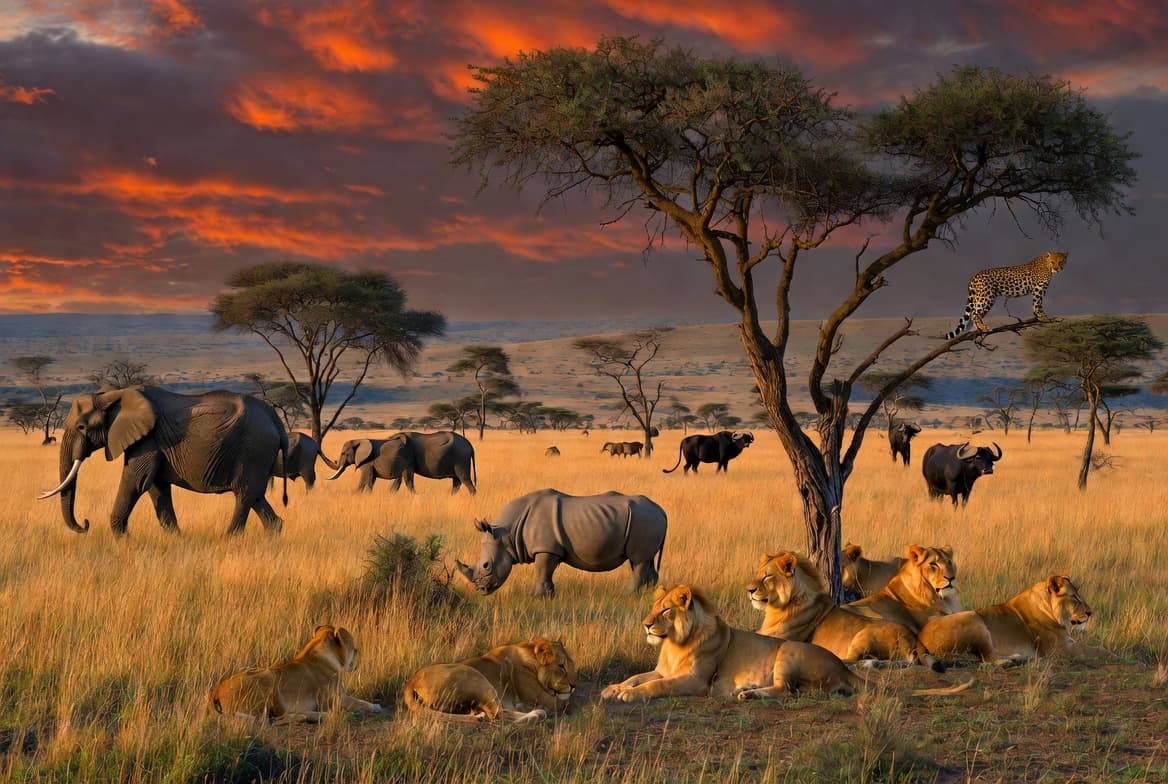
The term "Big Five" was coined by 19th-century big game hunters to describe the five most dangerous animals to hunt on foot — lion, leopard, African elephant, African buffalo, and rhinoceros. Today it defines the bucket list of every first-time safari traveller. But seeing all five on the same itinerary requires choosing the right parks, staying long enough, and having a guide who knows where to look.
Lions are Africa's most reliably seen large predator — the Masai Mara, Serengeti, Ngorongoro Crater, Kruger, and Hwange (Zimbabwe) all offer near-daily sightings. Leopards are far more challenging: genuinely nocturnal and highly secretive, they are best seen on night drives in private reserves where off-road driving is permitted (Sabi Sand, Laikipia, Mara conservancies). The Sabi Sand Game Reserve adjoining South Africa's Kruger Park has the highest density of habituated leopards on Earth — sightings are almost guaranteed within three nights.
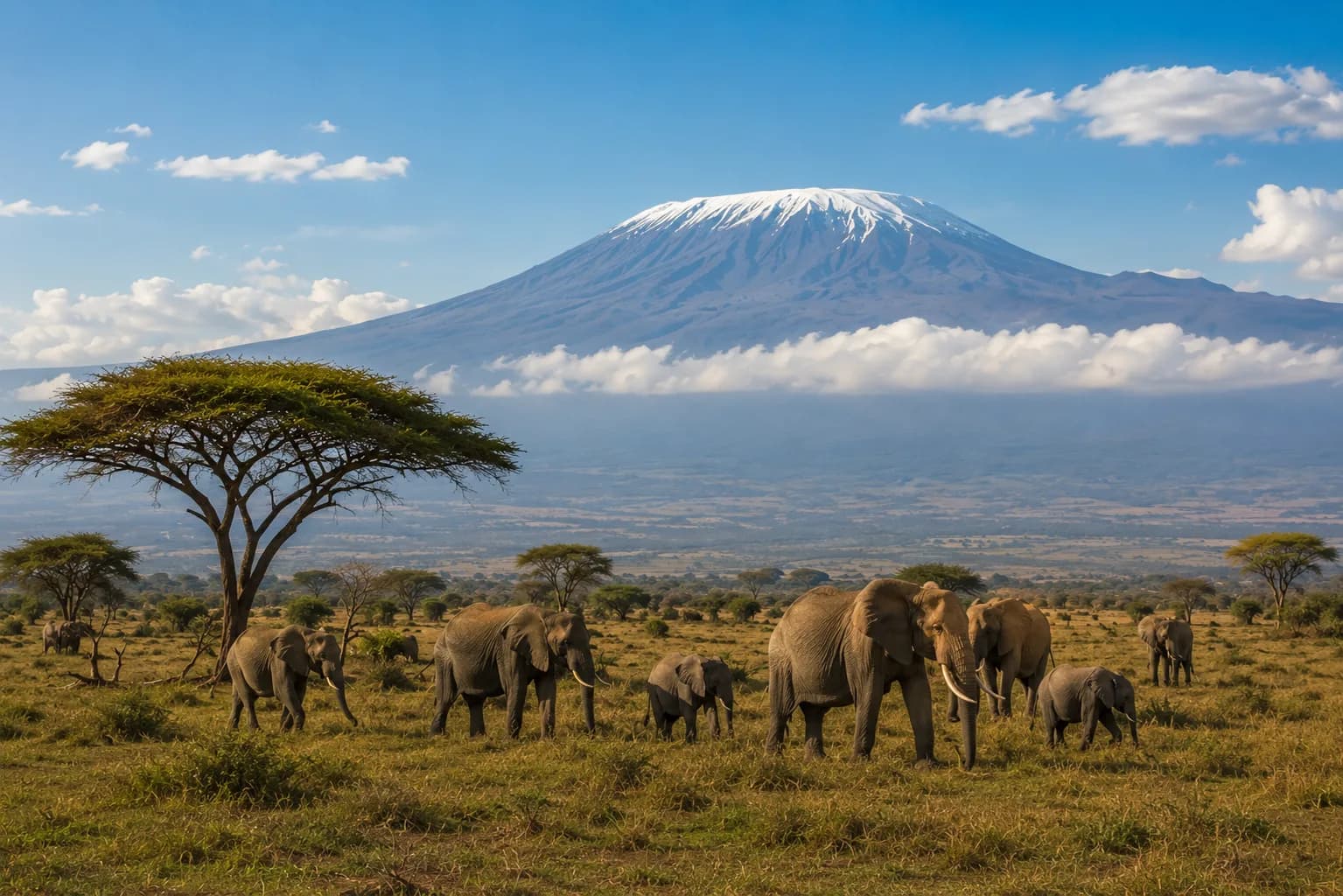
African elephants are the world's largest land animals and one of Africa's most emotionally affecting encounters at close range. Amboseli National Park in Kenya is the finest destination for elephant photography — enormous relaxed herds against a Kilimanjaro backdrop. Chobe National Park in Botswana harbours the continent's largest elephant population (approximately 130,000), best seen on boat safaris along the Chobe River.
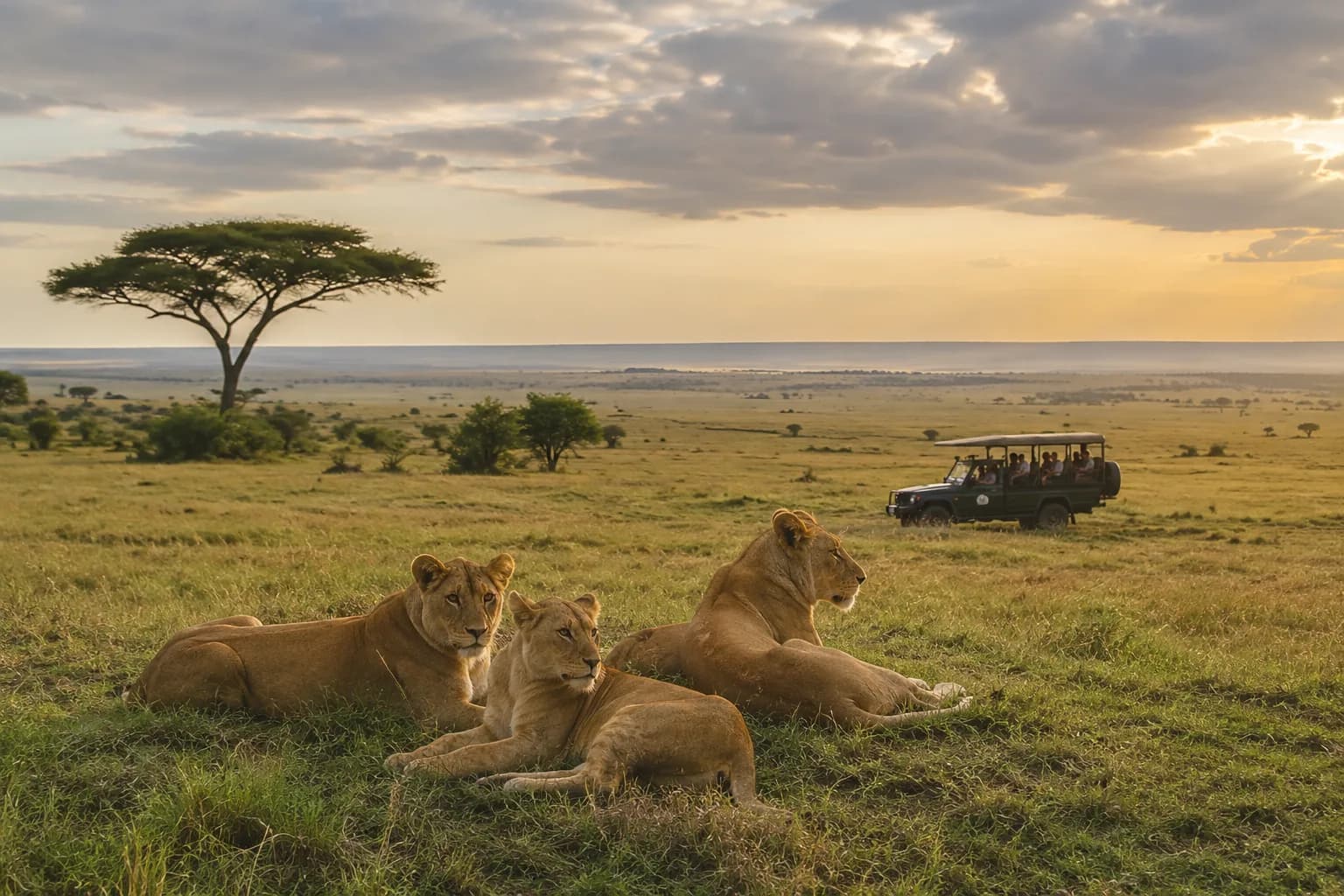
Lion, Leopard, Elephant, Buffalo & Rhino — Where to See Them AllMasai Mara National Reserve
African buffalo move in vast herds and are found in most major parks, but the Cape buffalo's reputation as one of Africa's most dangerous animals is well-earned — a wounded or surprised buffalo is extraordinarily dangerous. The Mara, Serengeti, and Kruger all offer outstanding buffalo sightings in herds of hundreds.
Rhinoceros — both black (critically endangered, ~6,400 remaining) and white (near-threatened, ~18,000 remaining) — are the rarest and most sought-after of the Big Five. The best rhino destinations in Africa are: Ngorongoro Crater (Tanzania — black rhino, reliably seen), Lake Nakuru (Kenya — both species, well protected), Ol Pejeta Conservancy (Kenya — largest black rhino sanctuary in East Africa), and Hluhluwe-iMfolozi (South Africa — highest density of white rhino on Earth).
Highlights
- Lion: Masai Mara, Serengeti, Ngorongoro Crater, Kruger, Hwange — near-daily sightings
- Leopard: Sabi Sand (Kruger buffer), Mara conservancies, Laikipia — world-class density
- Elephant: Amboseli (photography), Chobe (volume), Laikipia (habituated, close encounters)
- Rhino: Ngorongoro Crater, Lake Nakuru, Ol Pejeta, Hluhluwe-iMfolozi — best sanctuaries
- Buffalo: Serengeti, Mara, Kruger — herds of hundreds are common
- Private conservancies: off-road driving, night drives, and walking safaris unlock far better sightings
Frequently Asked Questions
Where can I see all Big Five on one safari?
+
The Ngorongoro Crater in Tanzania has the highest density of Big Five per square kilometre of any single park, so it's the fastest option. In Kenya, combining the Masai Mara with Lake Nakuru or Ol Pejeta adds reliable rhino sightings alongside lion, leopard, elephant and buffalo.
How many days do I need to see the Big Five?
+
Three to four nights in a well-chosen reserve is usually enough, especially in a private conservancy where off-road driving and night drives are permitted. Leopard is typically the last of the five to appear, since it's the most nocturnal and secretive.
Which of the Big Five is hardest to see?
+
Leopard, by some distance. They're solitary, largely nocturnal, and expert at staying hidden. Private conservancies bordering the Mara, and Laikipia's ranches, offer the best odds, thanks to experienced trackers and permitted night drives.
How much does a Big Five safari cost?
+
In Kenya and Tanzania, expect roughly USD 300–900 per person per day for a well-run mid-range safari, all-inclusive of lodging, meals and game drives, rising to USD 1,000+ per day at top-tier camps. Season, park fees, and whether your vehicle is private or shared are the biggest swing factors — we'll build a quote around your actual budget.
Plan This Experience
Other Experiences
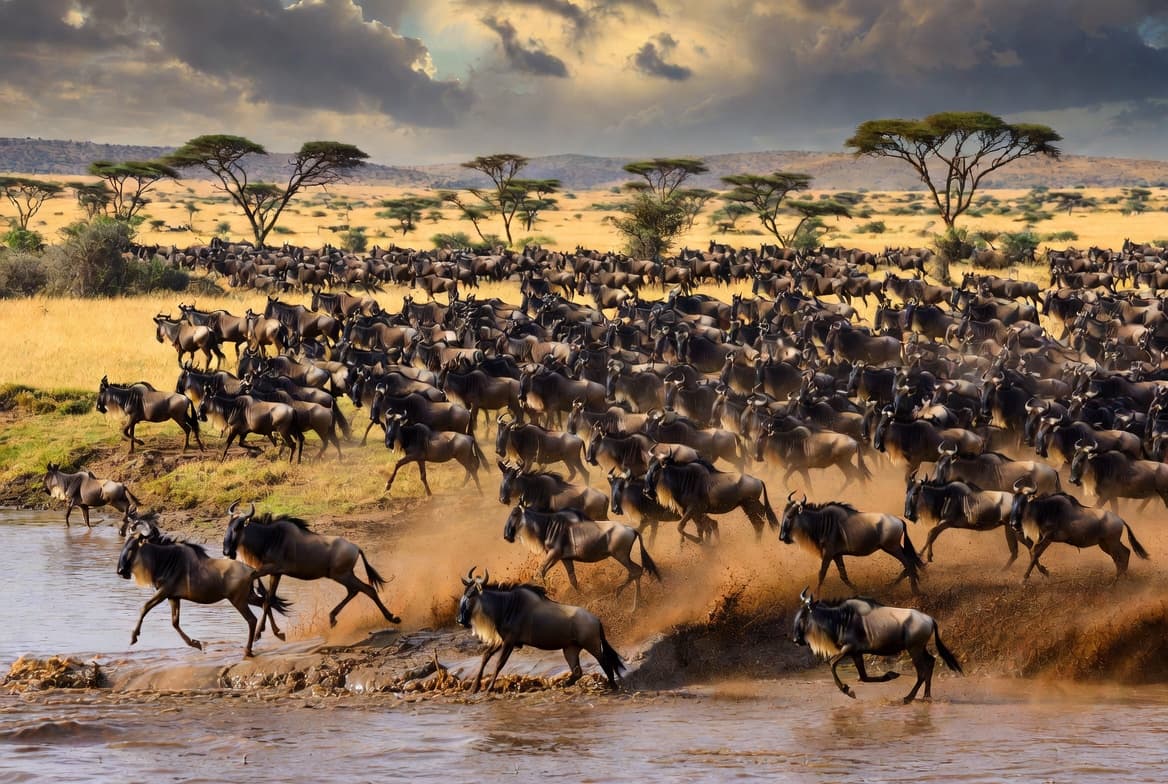
01The Great Wildebeest Migration
Kenya & Tanzania
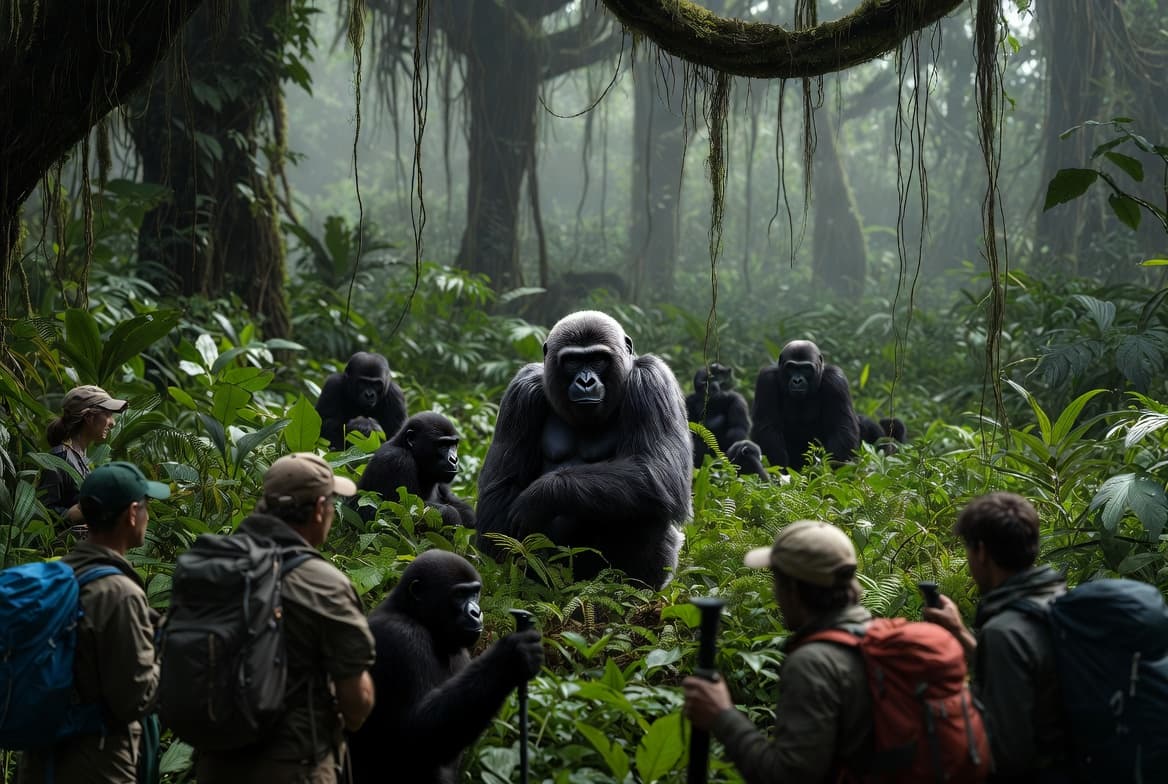
02Mountain Gorilla Trekking
Uganda & Rwanda
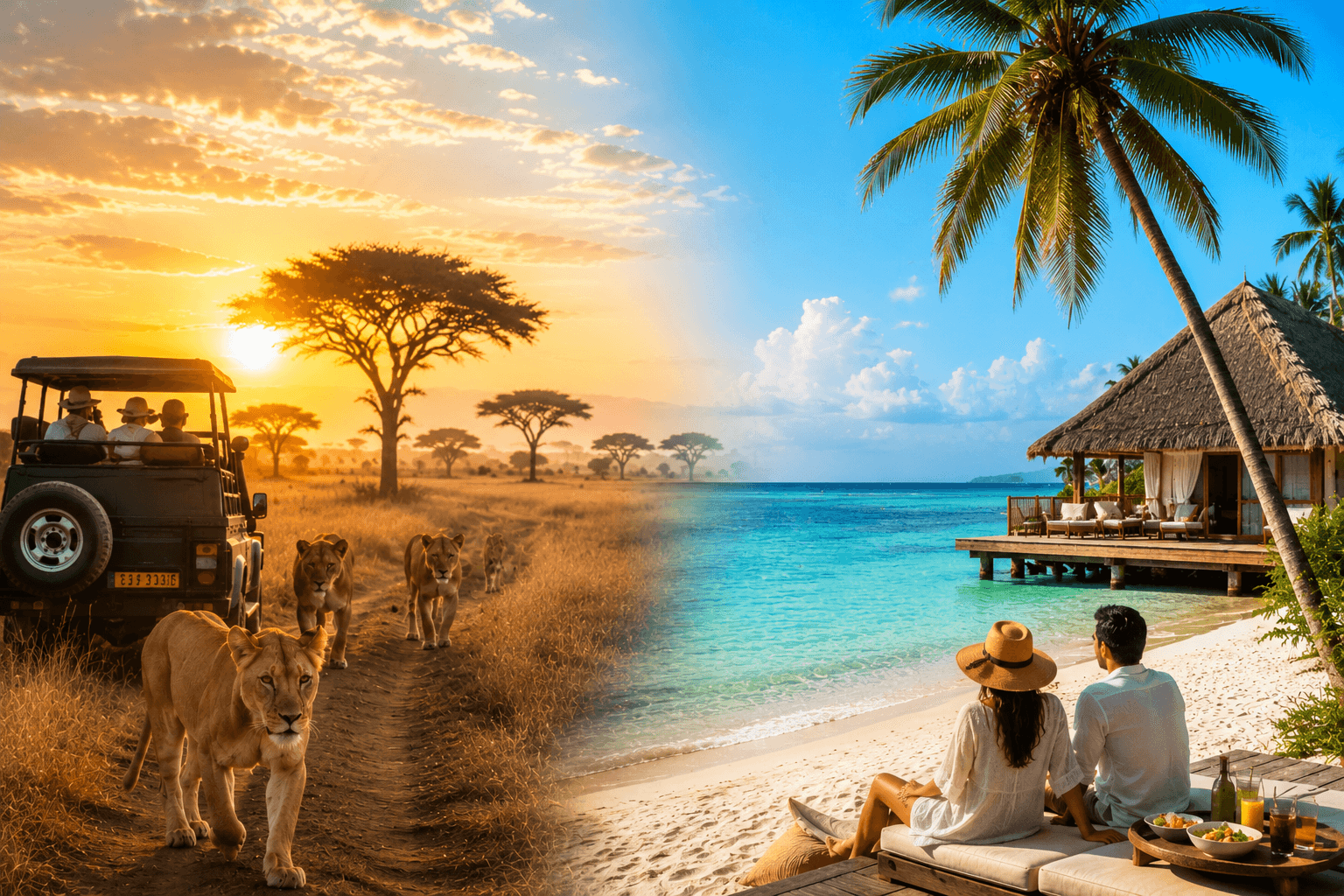
03Bush to Beach
East Africa + Indian Ocean
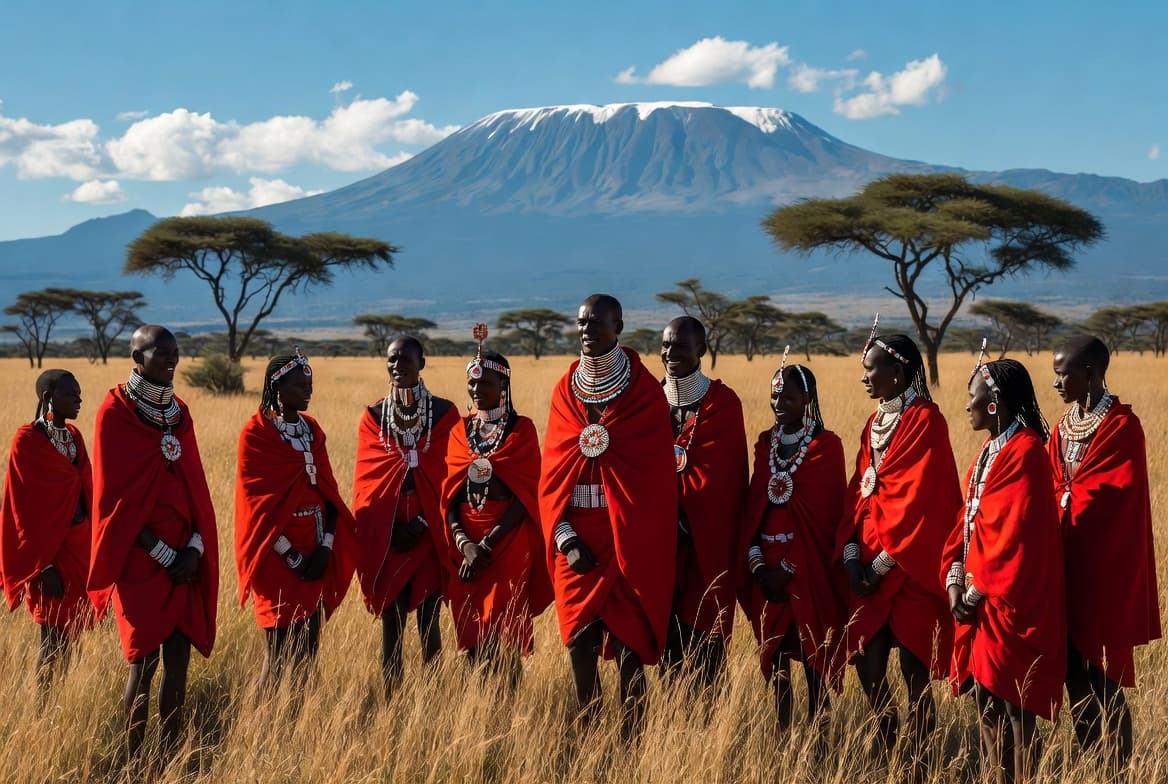
04Cultural Journeys
Kenya, Zanzibar, Rwanda
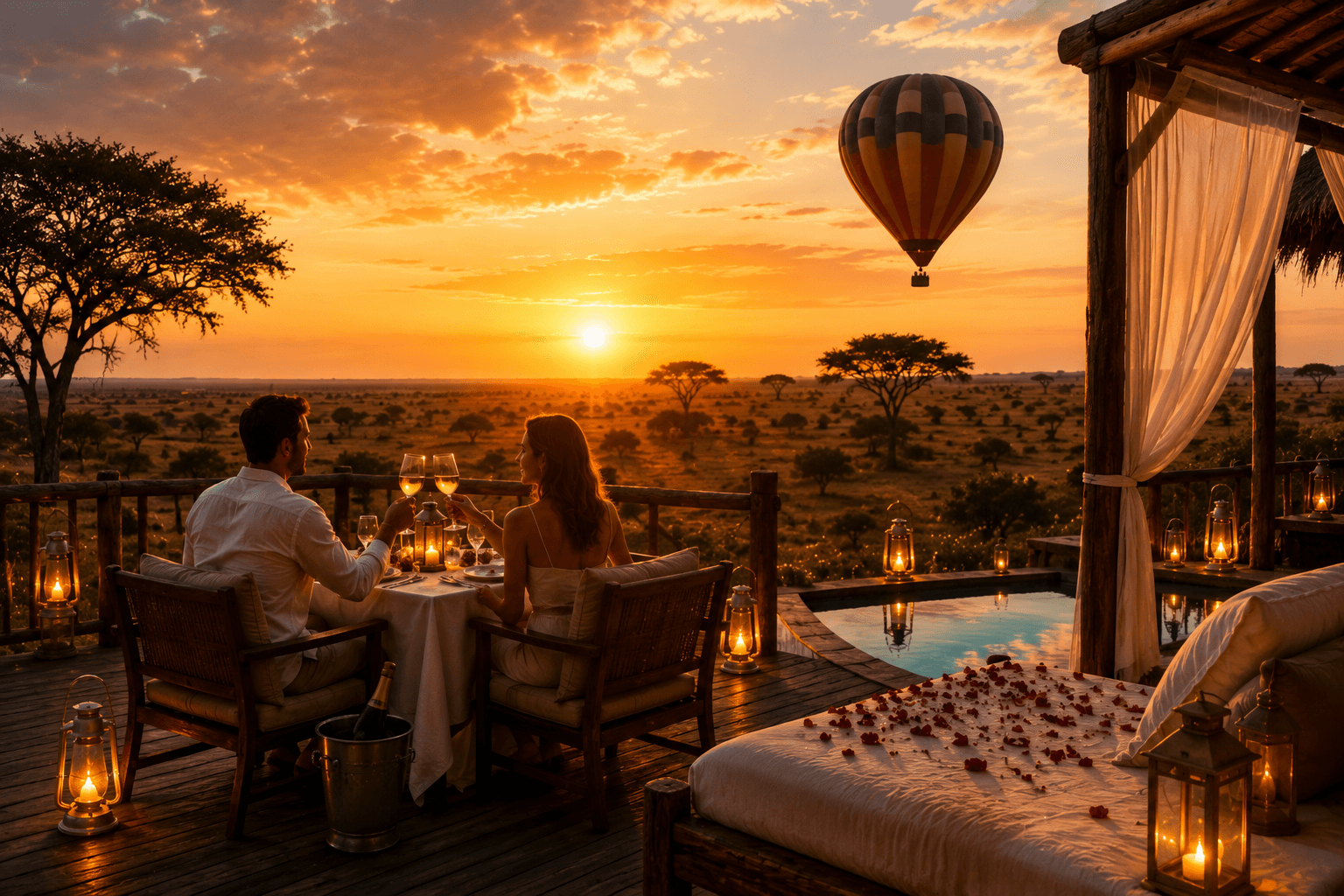
05Honeymoon Safaris
Kenya, Tanzania, Seychelles
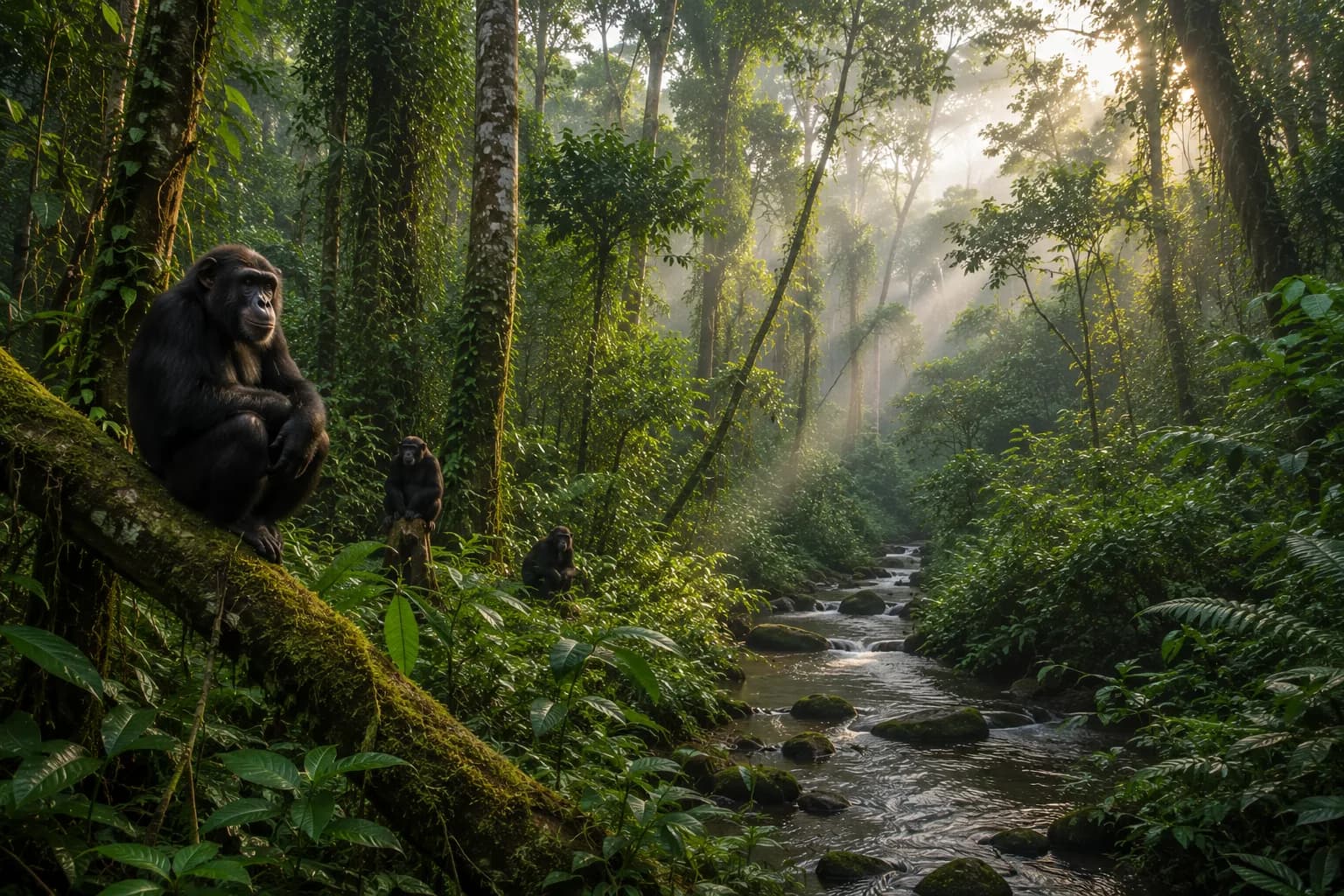
06Chimpanzee Tracking
Uganda & Rwanda
07Night Game Drives
Kenya, Tanzania, Laikipia
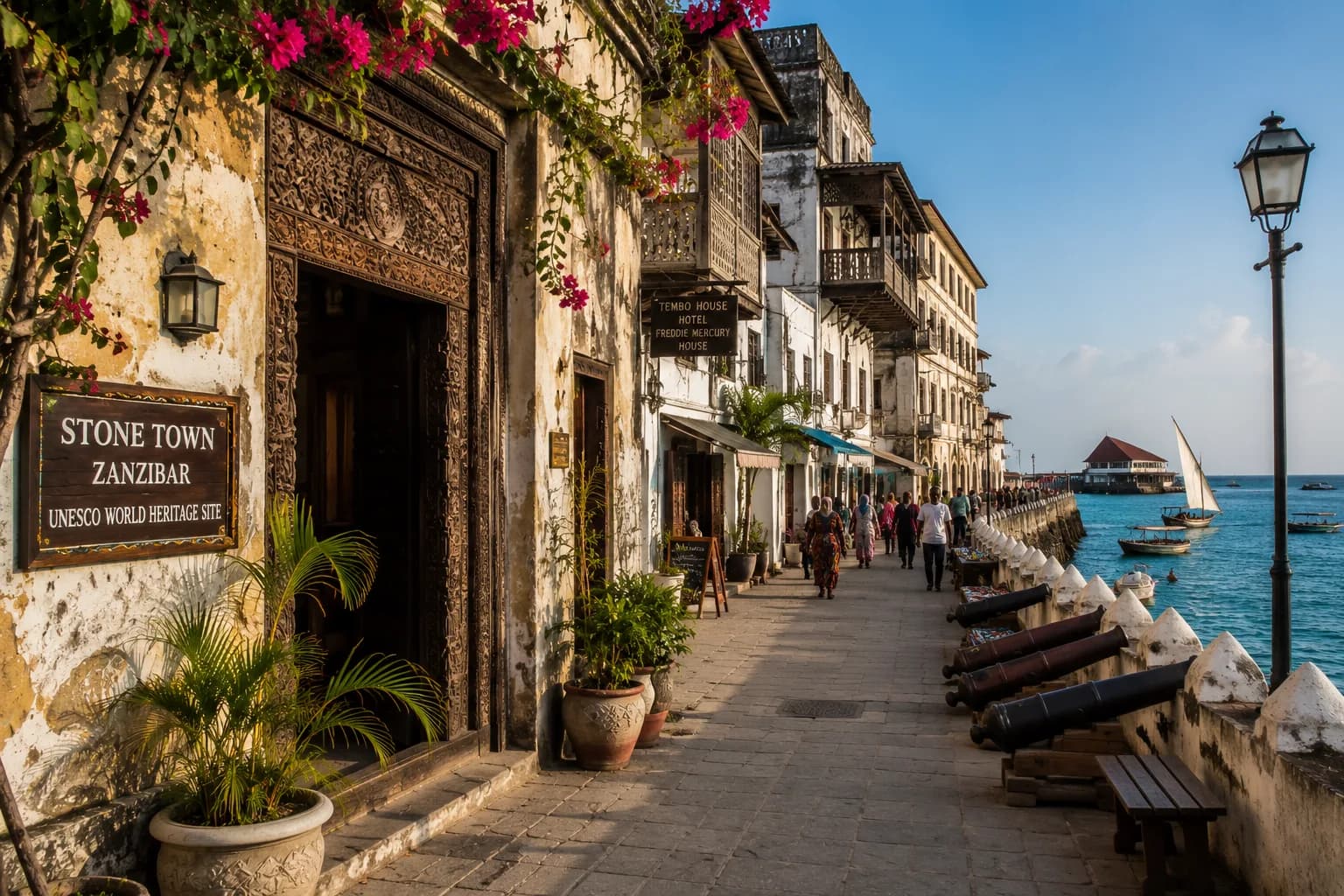
08Swahili Coast City Tours
Zanzibar, Lamu, Mombasa
09Family Safaris
Kenya, Tanzania, South Africa
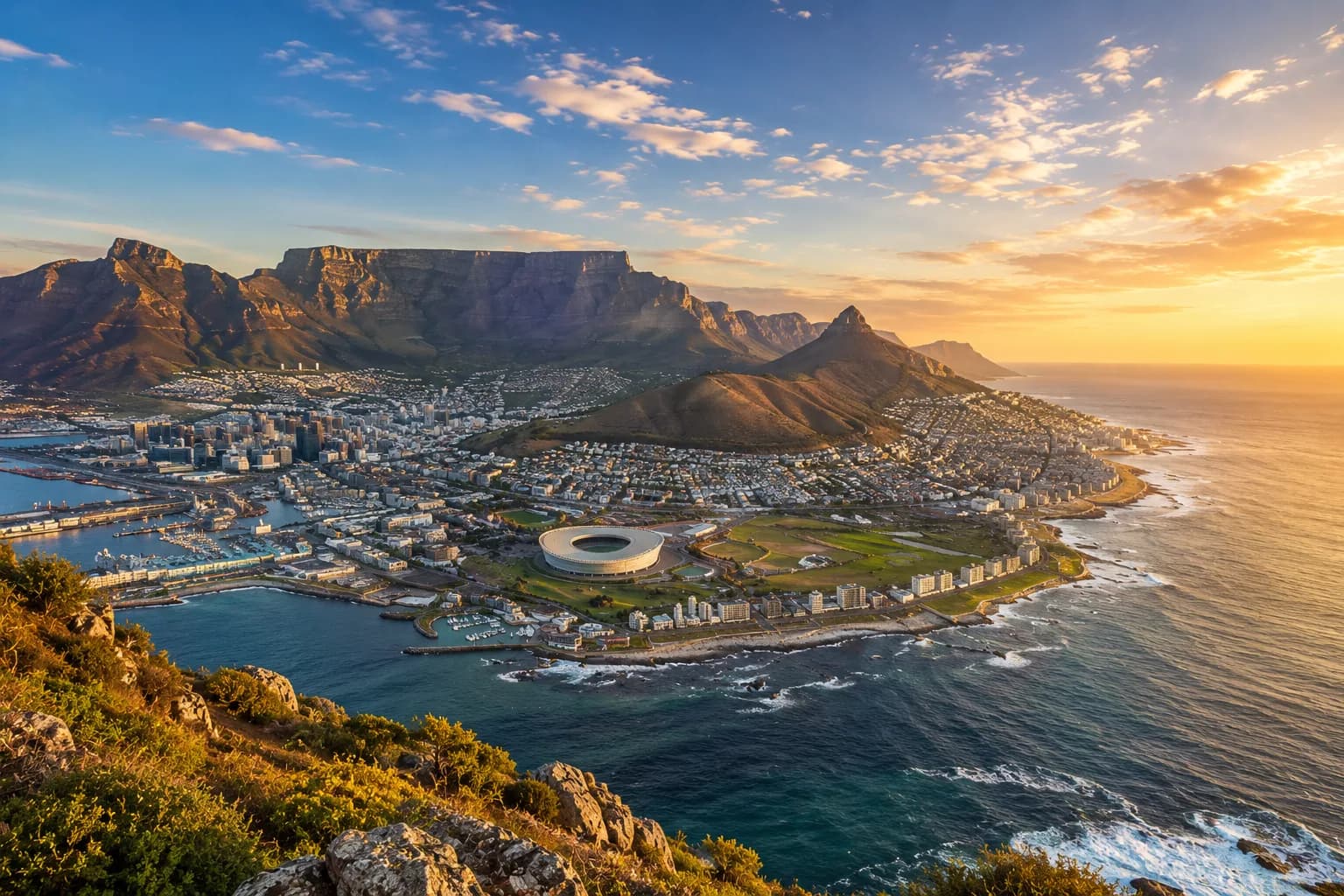
10Malaria-Free Safaris
South Africa (Western & Eastern Cape)