Swahili Coast City Tours
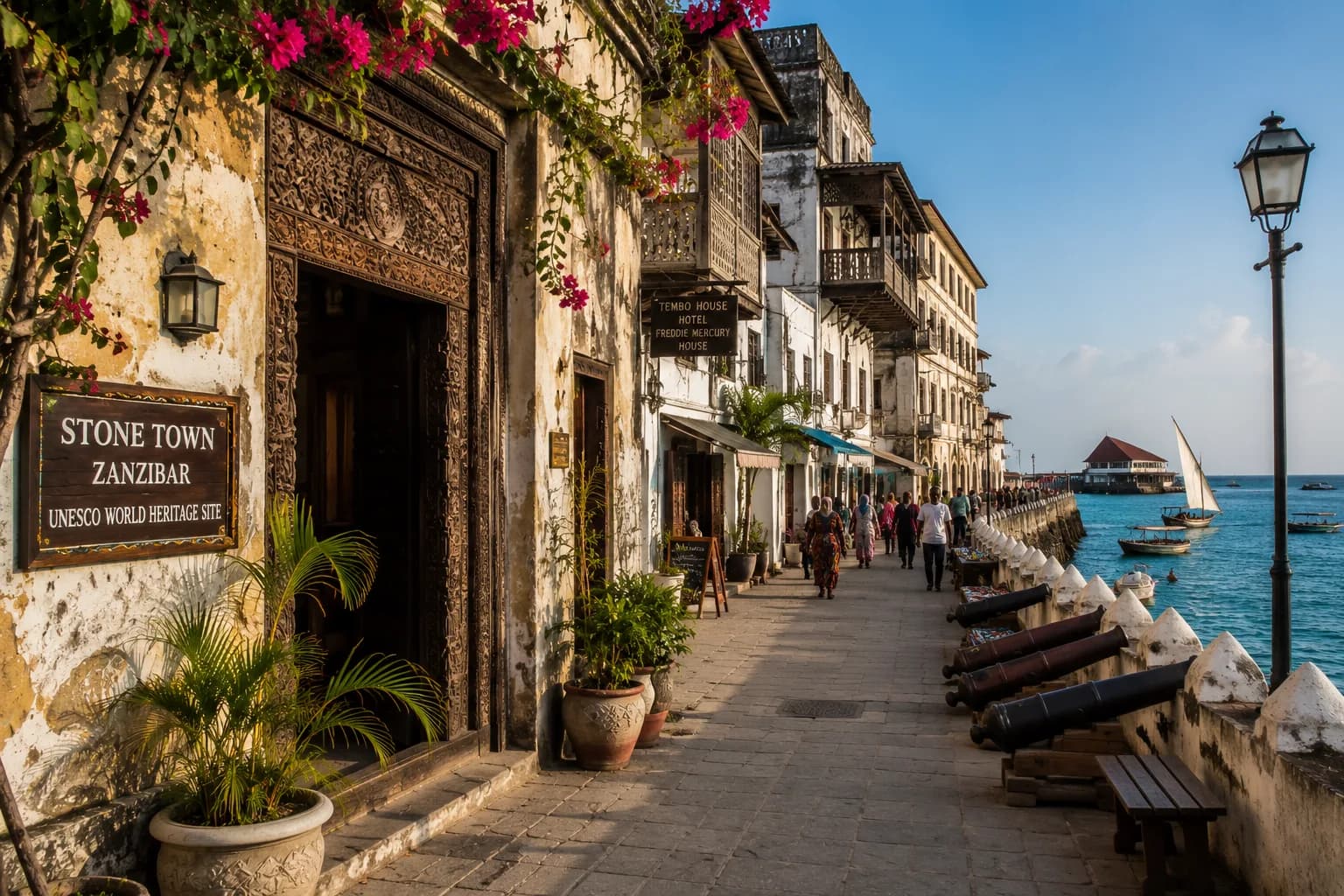
The East African coast has been a trading crossroads for over 700 years — Arab, Persian, Indian, Portuguese, and British influence layered into a single Swahili culture, still visible today in carved wooden doors, coral-stone architecture, and spice markets that once supplied half the world's cloves. A guided city tour here is a genuinely different kind of safari day: no game drives, just history, architecture, and food, on foot.
Stone Town, Zanzibar's UNESCO World Heritage old quarter, is the region's most-visited Swahili city: a dense medina of narrow alleys, ornately carved Omani-style doors (no two exactly alike), the House of Wonders, the old slave-trade chambers beneath the Anglican Cathedral, and rooftop restaurants looking out over the harbour at sunset. A half-day guided walk with a local historian covers the essential sites; a spice-farm tour outside town rounds out a full day.
Lamu, further north on the Kenya coast, is arguably the most intact Swahili settlement anywhere — a UNESCO World Heritage town where donkeys genuinely outnumber cars (there are almost none), the pace of life follows the tides and the call to prayer, and 14th-century coral-stone houses remain inhabited rather than museum pieces. It rewards a slower, unhurried two-day stay far more than a rushed day-trip.
Stone Town, Lamu & Mombasa — 700 Years of Trading HistoryMasai Mara National Reserve
Mombasa's Old Town, on the Kenya coast, is the least visited of the three but genuinely worthwhile for travellers already passing through en route to Diani or Watamu: Fort Jesus (a 16th-century Portuguese fortress, now a UNESCO site and museum), the old Swahili quarter's balconied buildings, and the working spice and fish markets nearby.
We schedule these as guided walks with local historians rather than hotel-arranged 'city tours' with generic commentary — the difference in depth and authenticity is substantial, and it's the same standard of engagement we apply to our Maasai village and cultural visits.
Highlights
- Stone Town, Zanzibar — UNESCO World Heritage medina; carved doors, House of Wonders, spice tours
- Lamu Old Town — Kenya's most intact Swahili settlement; donkeys outnumber cars
- Fort Jesus, Mombasa — 16th-century Portuguese fortress and UNESCO site
- Guided walks led by local historians, not generic hotel-arranged tours
- Spice-farm tours outside Stone Town — cloves, vanilla, cardamom, and their history
- Natural add-on to any Zanzibar or Kenya-coast beach stay
Frequently Asked Questions
Is Stone Town worth a full day, or is a half-day tour enough?
+
A half-day guided walk covers the essential historic sites — carved doors, the House of Wonders, the old slave-trade chambers — comfortably. Add a spice-farm tour or an afternoon at leisure in the medina's cafés and rooftop restaurants and it becomes a genuinely full, satisfying day.
Lamu or Stone Town — which is more worthwhile?
+
They reward different things. Stone Town has denser history and easier access as part of a Zanzibar beach trip. Lamu is more intact and atmospheric — genuinely car-free — but sits further off the beaten path and rewards a slower two-day stay rather than a quick stop.
Can I visit Fort Jesus on the way to the Kenya coast?
+
Yes — Fort Jesus and Mombasa's Old Town sit directly en route between Nairobi/the safari parks and coastal resorts like Diani and Watamu, making a half-day stop very easy to add without a detour.
Do these tours include the spice markets?
+
Stone Town's guided tours typically include a spice-farm visit outside the city — seeing and tasting cloves, vanilla, cardamom, and other crops that once made Zanzibar one of the world's dominant spice exporters. It's usually offered as a half-day add-on alongside the historic walking tour.
Plan This Experience
Other Experiences
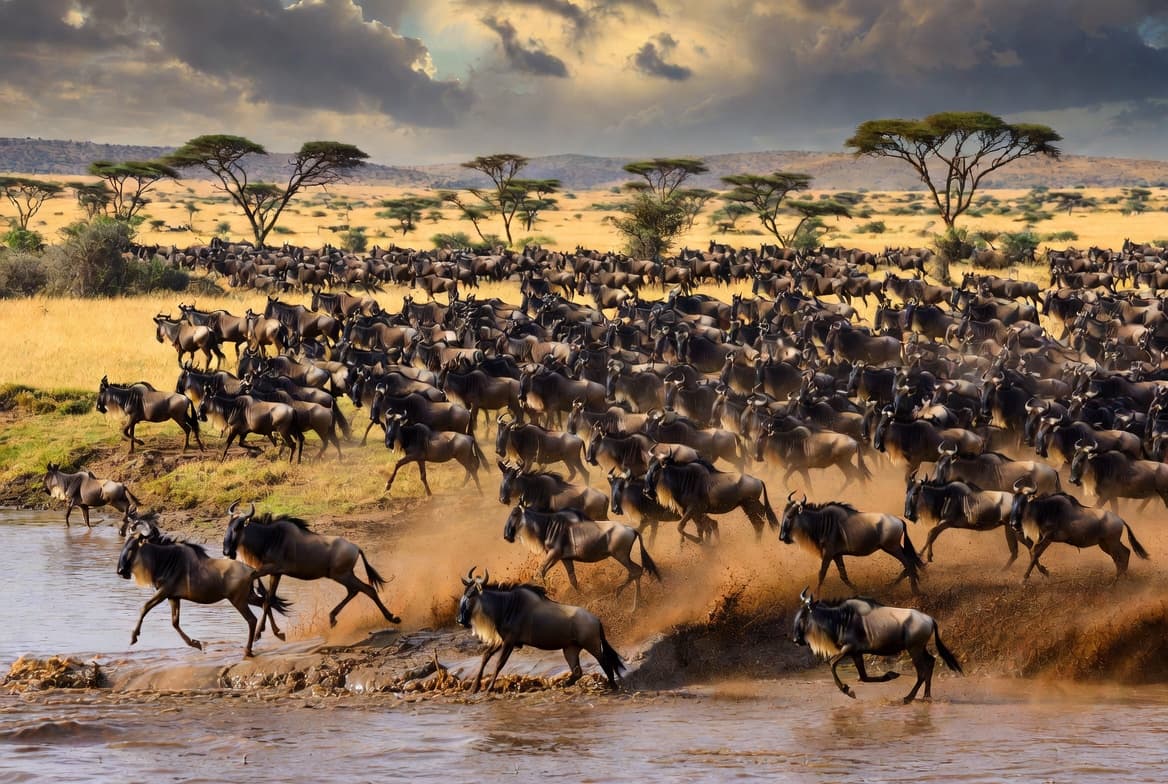
01The Great Wildebeest Migration
Kenya & Tanzania

02Mountain Gorilla Trekking
Uganda & Rwanda
03Bush to Beach
East Africa + Indian Ocean

04Big Five Safaris
Kenya, Tanzania, Botswana
05Cultural Journeys
Kenya, Zanzibar, Rwanda

06Honeymoon Safaris
Kenya, Tanzania, Seychelles
07Chimpanzee Tracking
Uganda & Rwanda
08Night Game Drives
Kenya, Tanzania, Laikipia
09Family Safaris
Kenya, Tanzania, South Africa
10Malaria-Free Safaris
South Africa (Western & Eastern Cape)