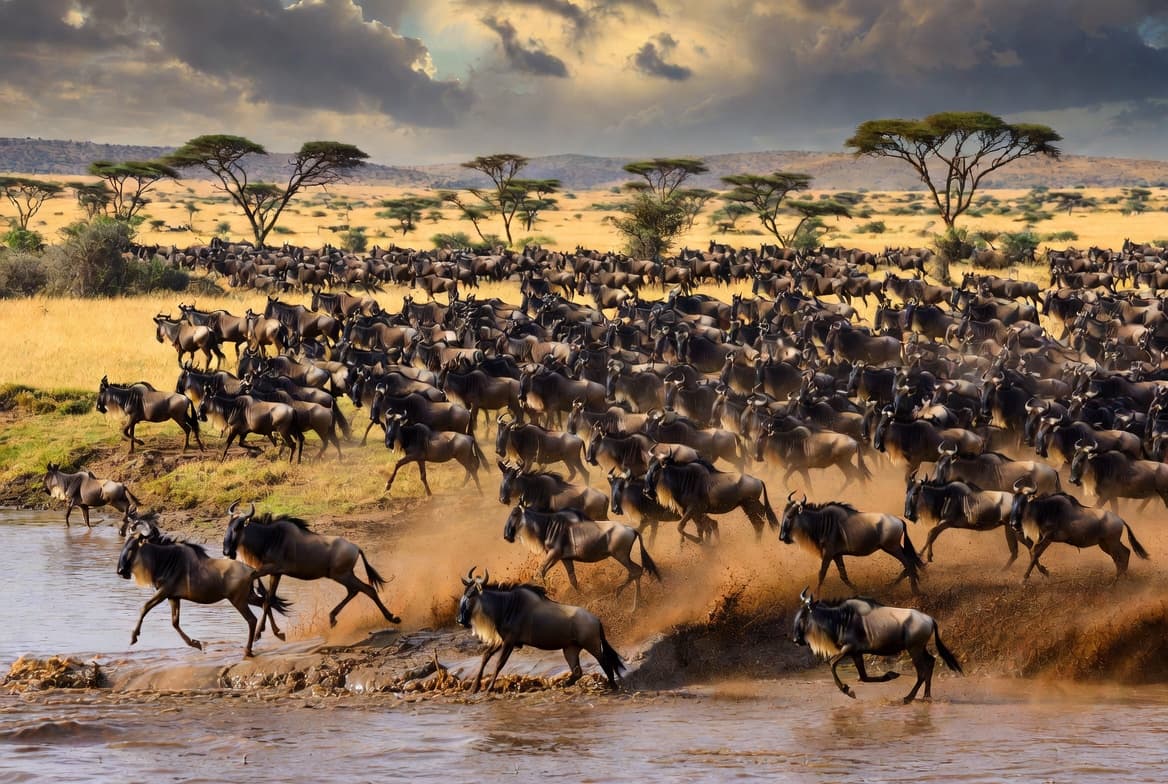
The Great Wildebeest Migration
Over 1.5 million wildebeest, 250,000 zebra, and 500,000 gazelle move in a perpetual clockwise circuit across the Serengeti-Mara ecosystem — the largest overland migration of mammals on Earth. This is not a single event: it is a year-round cycle of birth, movement, crossing, and survival that rewards visitors in every month of the year.
The migration is driven by rainfall and grass. The herds follow a predictable seasonal circuit: calving season in the southern Serengeti's Ndutu region (January–March) produces approximately 500,000 calves in a six-week window — the greatest concentration of newborn mammals anywhere on Earth. Predators converge from all directions. Lion prides, cheetah mothers, and spotted hyenas make January and February among the most dramatic wildlife months in Africa.
By April and May the herds move north through the central Serengeti's long-grass plains. The Grumeti River crossing in June and July is the first of the famous river crossings — smaller than the Mara crossings but equally dramatic, with the Grumeti's resident crocodiles among the largest and most aggressive on the continent.
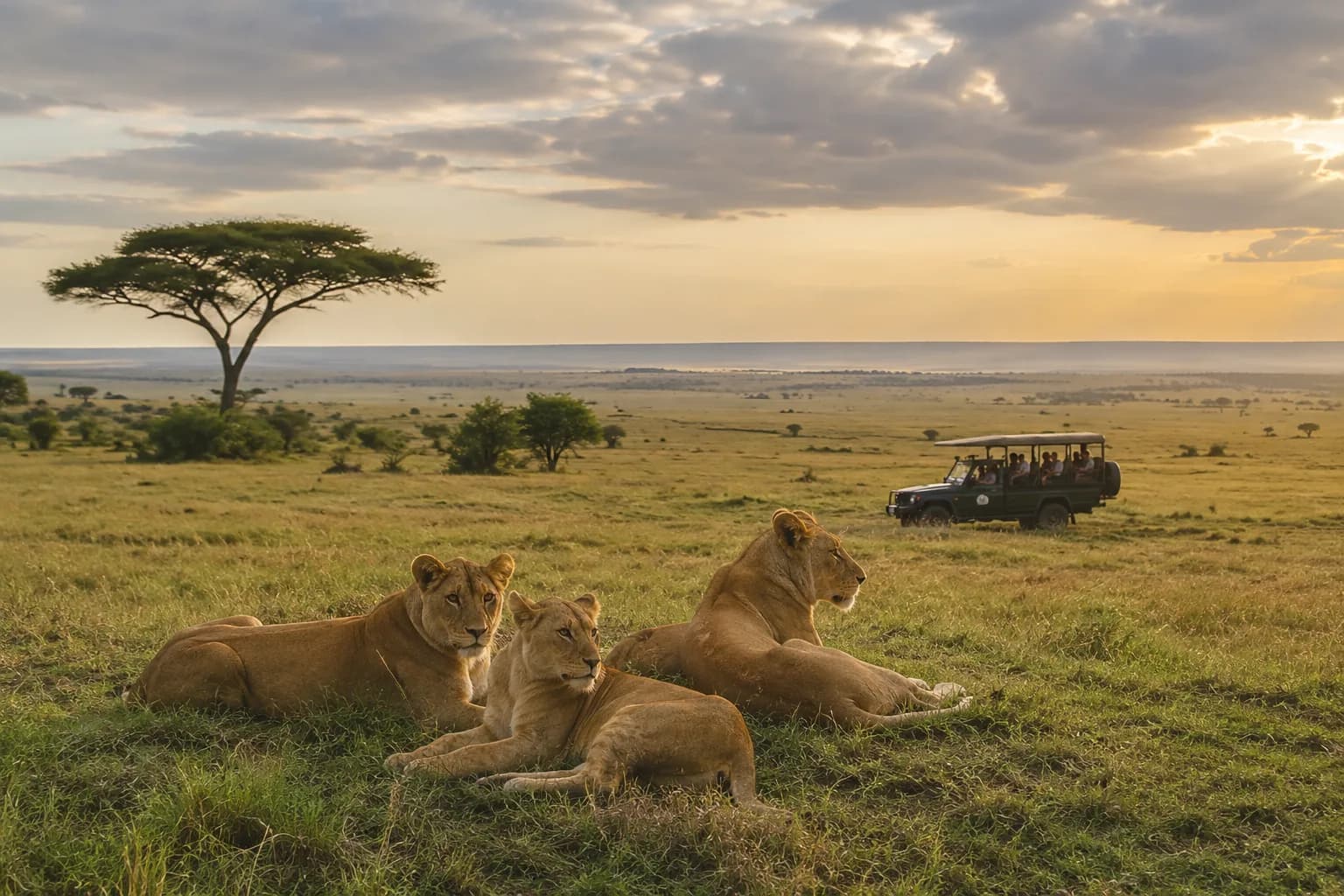
The Greatest Wildlife Show on Earth — 365 Days of DramaMasai Mara National Reserve
The Mara River crossings (July–October) are what most people picture when they imagine the Migration. Vast columns of wildebeest pile up on the Tanzania-Kenya border, working up the courage to enter water patrolled by Nile crocodiles. A crossing can last thirty seconds or three hours. Some days nothing happens; other days tens of thousands cross at once. It is profoundly unpredictable and profoundly compelling.
By November the short rains arrive and the herds begin moving south again through the eastern Serengeti — completing the circuit. We position guests strategically based on the actual movement of the herds in real time, using our network of guides and camp managers across the ecosystem to give you the best possible sighting, whatever the month.
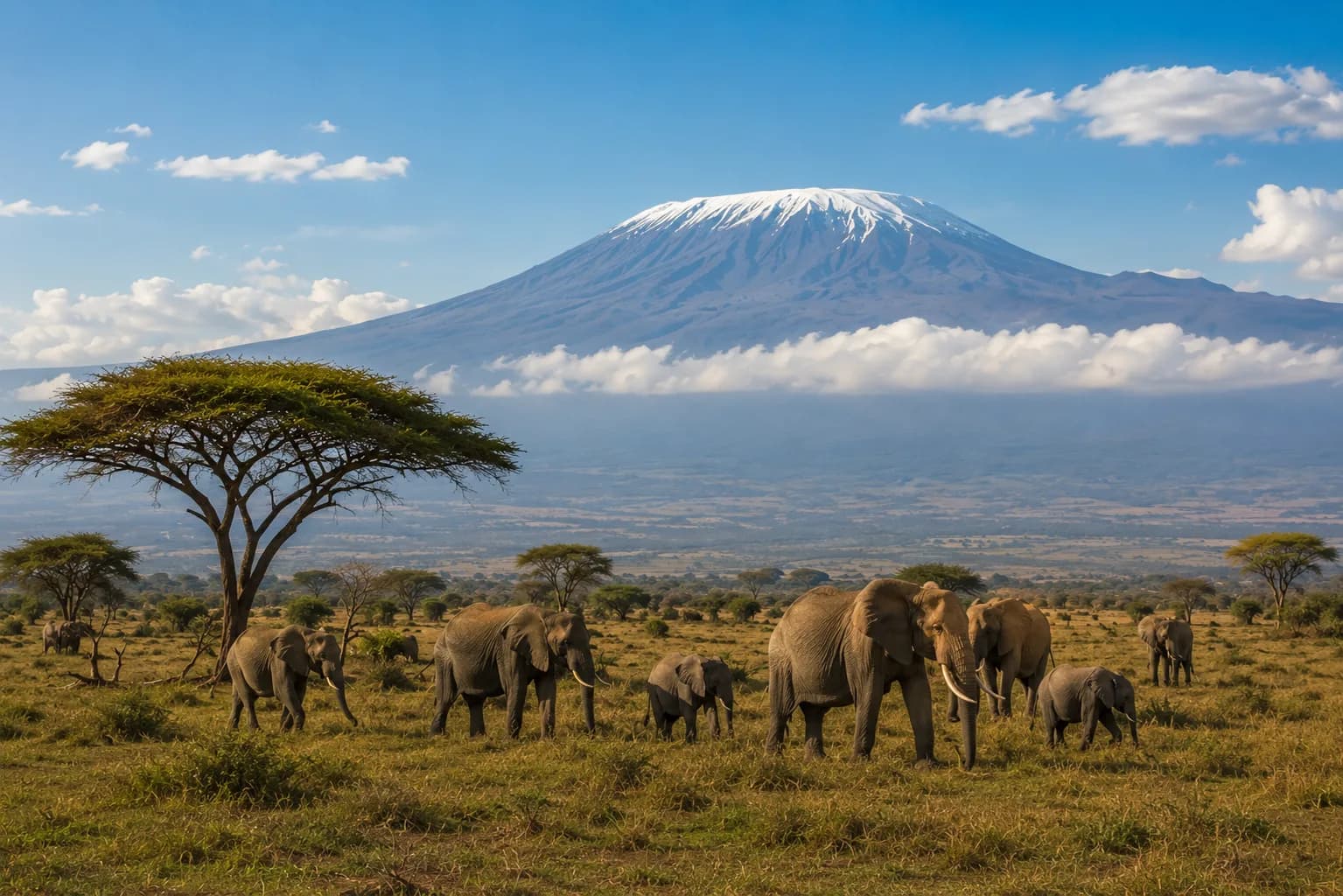
Highlights
- Calving season (Jan–Feb): 500,000 newborns and wall-to-wall predator action in Ndutu
- Grumeti River crossings (Jun–Jul): first river crossing; enormous resident crocodiles
- Mara River crossings (Jul–Oct): the iconic moment; 1.5M animals crossing from Tanzania to Kenya
- Private conservancy access: off-road driving and night drives permitted (not in national parks)
- Mobile camps that follow the herds — waking up in the middle of the action every morning
- Hot-air balloon over the Mara plains at dawn — the herds spread across the savanna below you
Frequently Asked Questions
When is the best time to see the wildebeest migration?
+
There's no single best month — it depends what you want to see. For the Mara River crossings, aim for July through October, with August and September the most reliable crossing window. For newborn calves and dense predator action, visit the southern Serengeti's Ndutu plains between January and March.
Should I watch the migration from Kenya or Tanzania?
+
Match the country to the season. The Masai Mara in Kenya is strongest from around August to October, once the herds have crossed north. The Serengeti and Ndutu in Tanzania cover the rest of the year, including calving season and the Grumeti crossings. A trip spanning both countries removes the guesswork entirely.
Is a Mara River crossing guaranteed if I visit in peak season?
+
No — crossings depend on rainfall and the herds' own instincts, not a fixed schedule. Even in July and August, some days pass with no crossing at all. We recommend at least four nights near the river, paired with a guide network that tracks the herds daily, which meaningfully improves your odds.
How far in advance should I book a migration safari?
+
For July to October travel, book nine to twelve months ahead — camps directly on the river corridor sell out earliest. Calving season (January–March) is more forgiving and can often be arranged six to nine months out.
Plan This Experience
Other Experiences
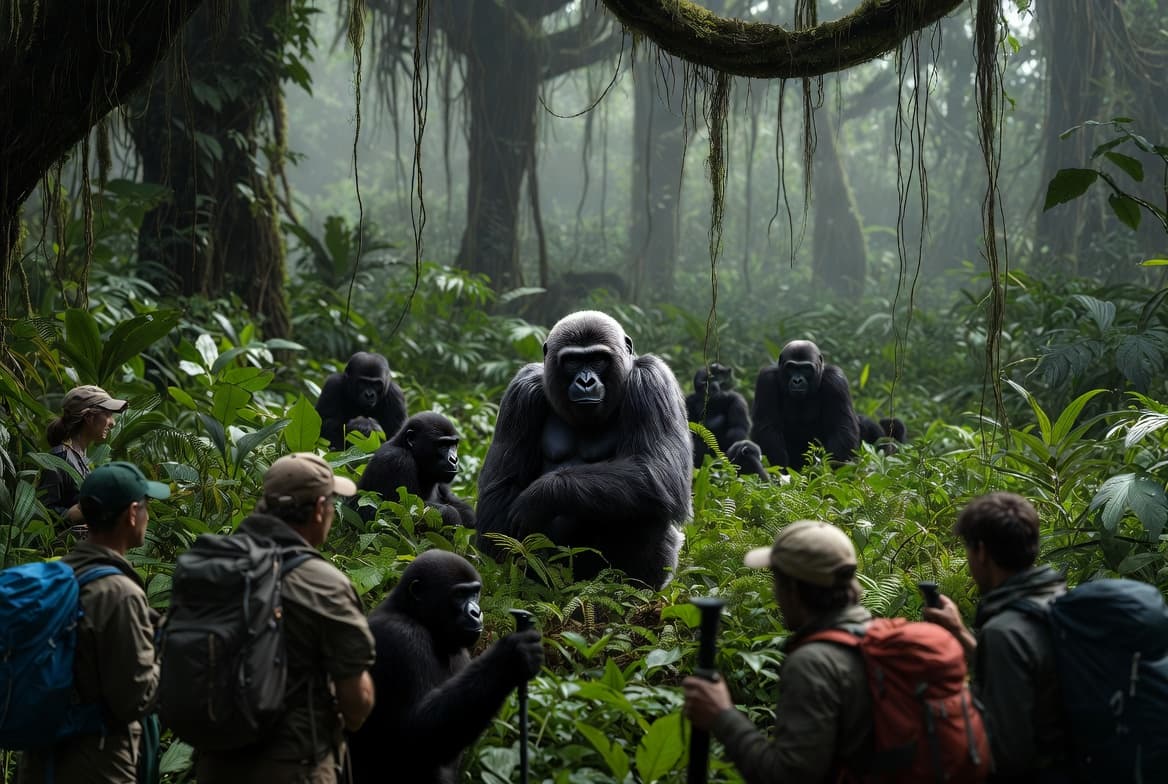
01Mountain Gorilla Trekking
Uganda & Rwanda
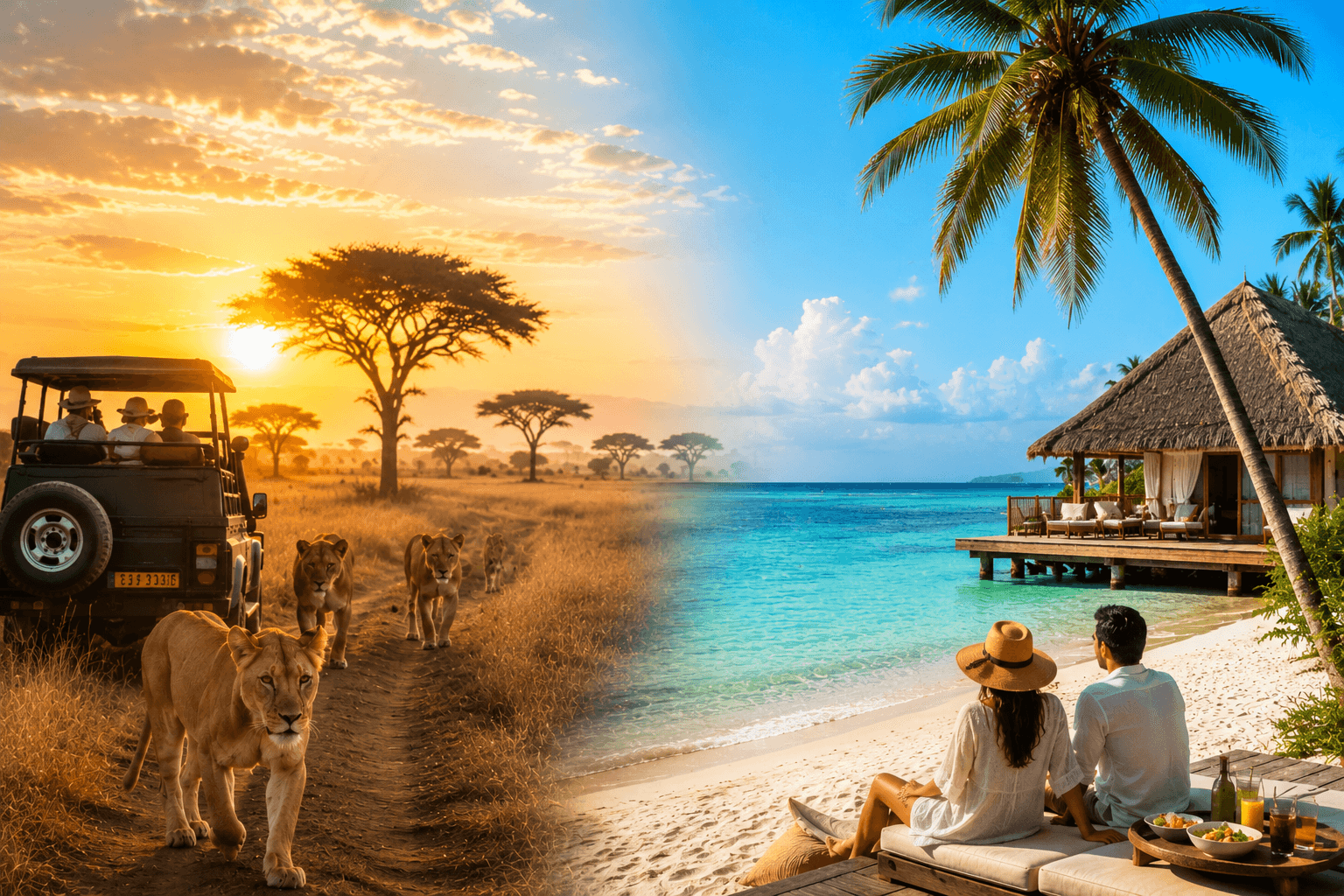
02Bush to Beach
East Africa + Indian Ocean
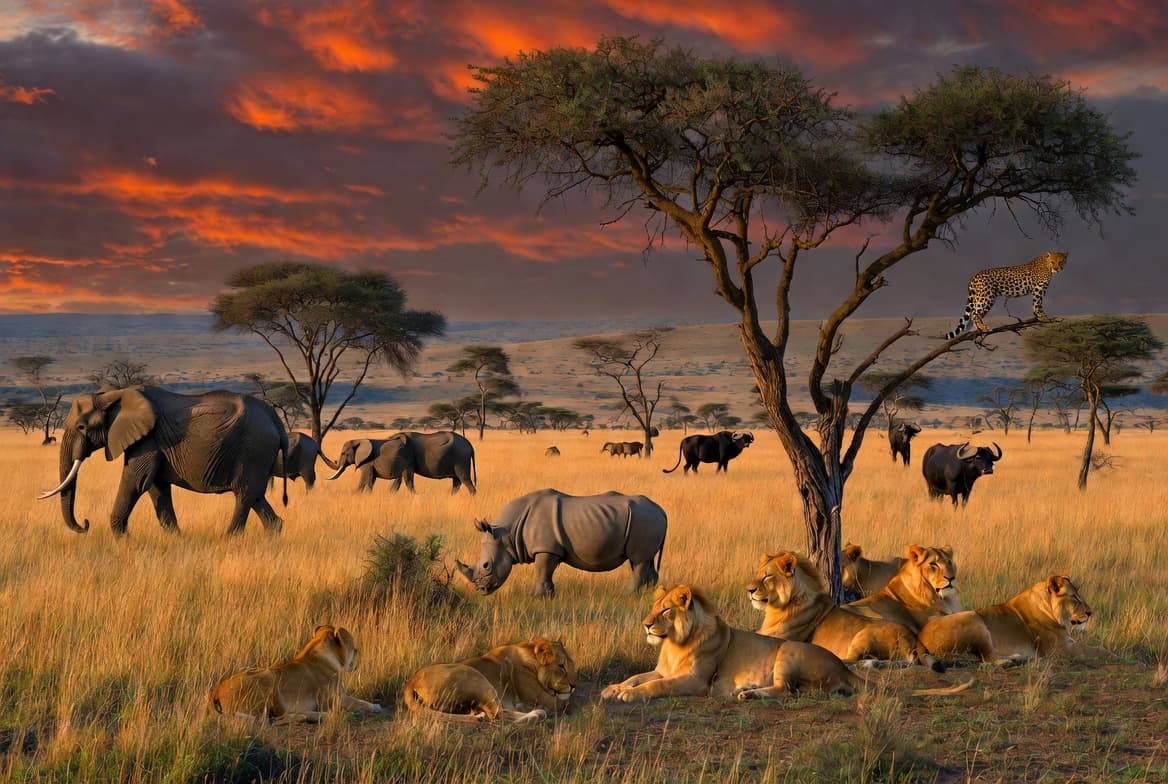
03Big Five Safaris
Kenya, Tanzania, Botswana
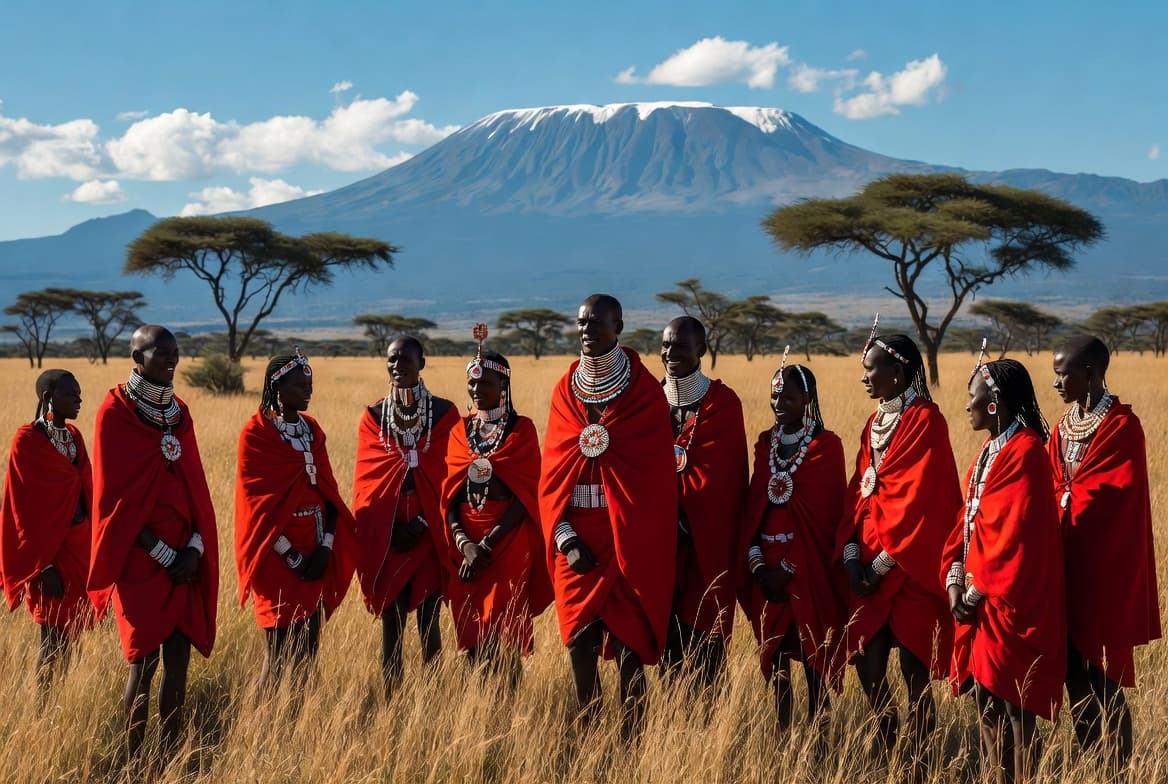
04Cultural Journeys
Kenya, Zanzibar, Rwanda
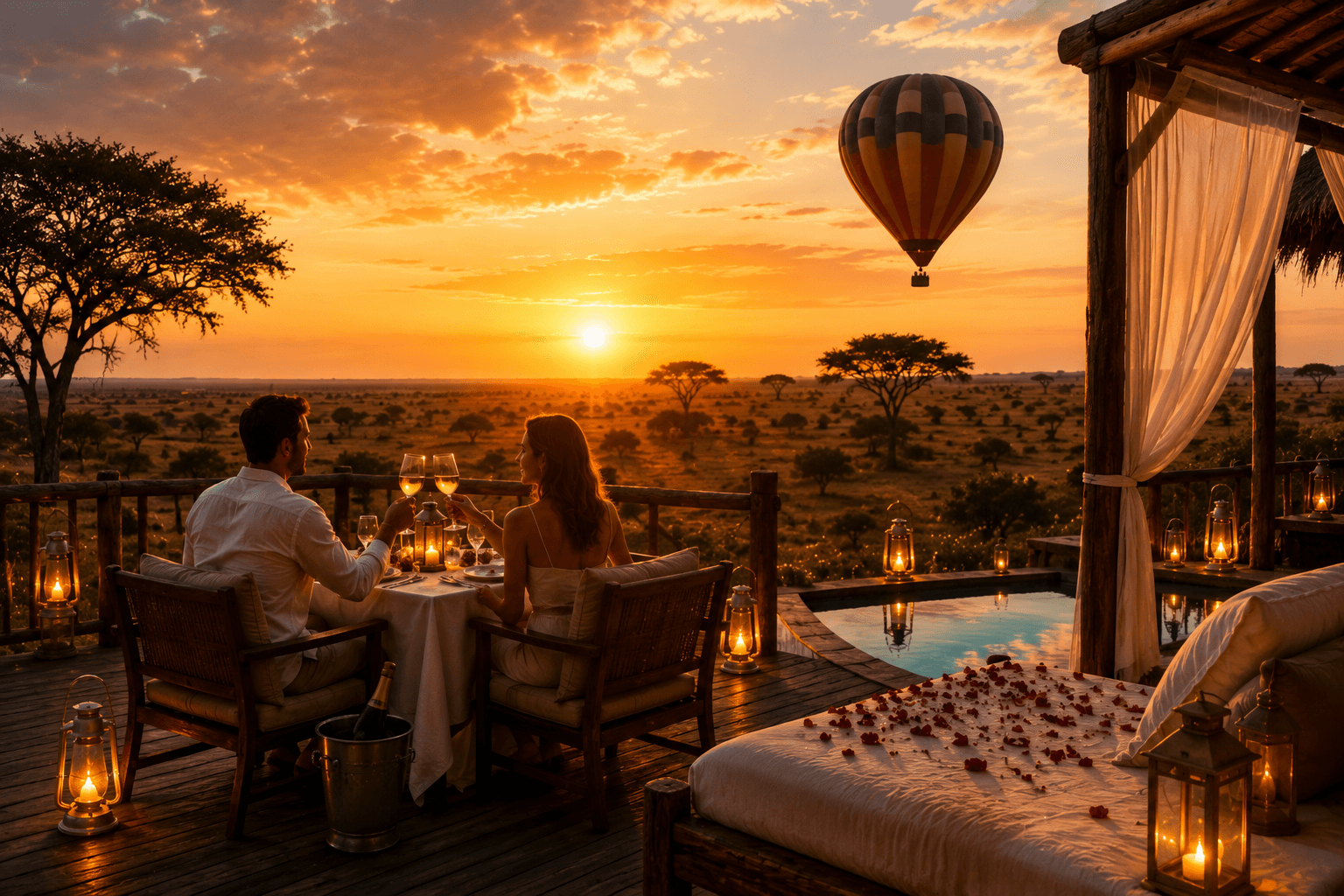
05Honeymoon Safaris
Kenya, Tanzania, Seychelles
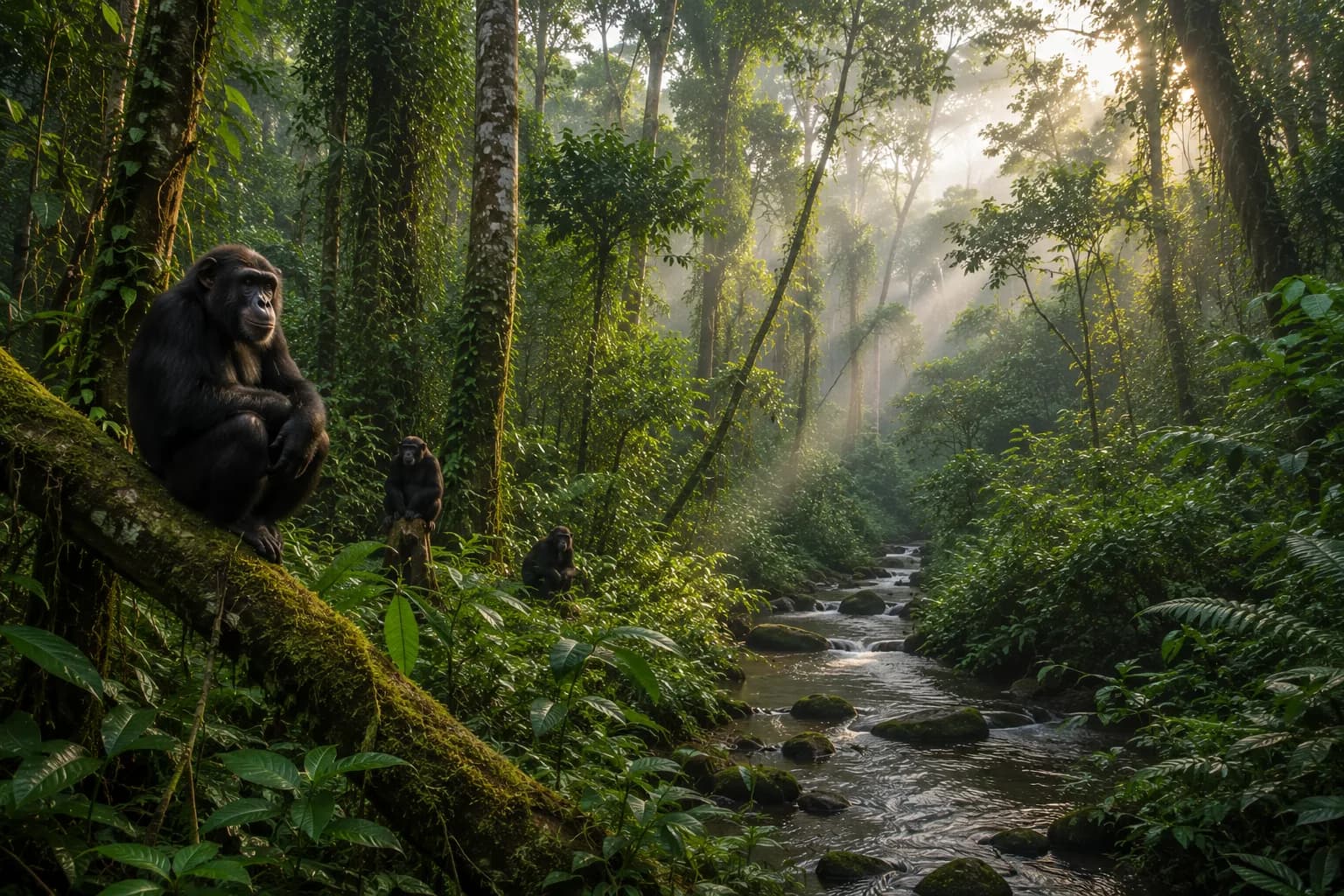
06Chimpanzee Tracking
Uganda & Rwanda
07Night Game Drives
Kenya, Tanzania, Laikipia
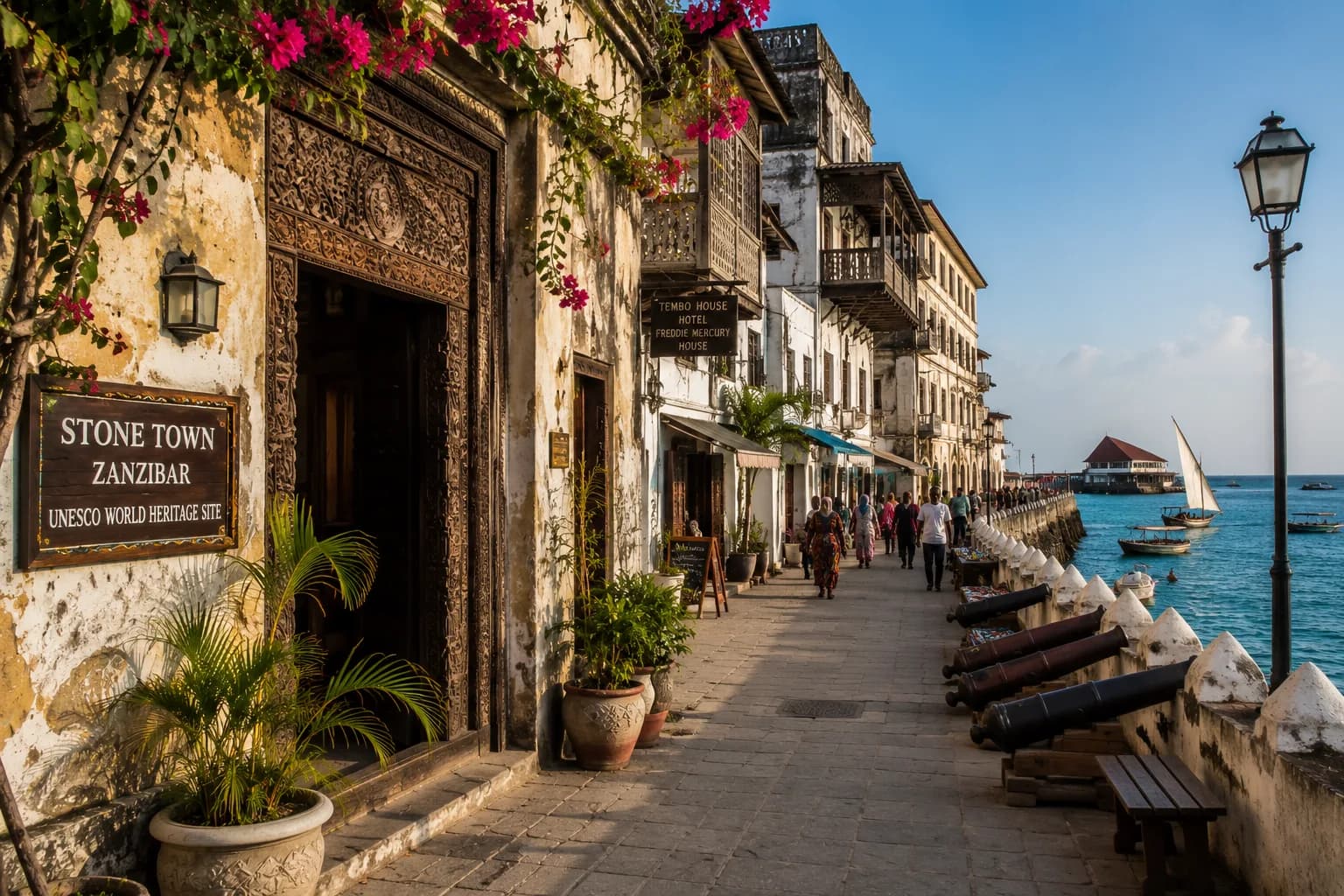
08Swahili Coast City Tours
Zanzibar, Lamu, Mombasa
09Family Safaris
Kenya, Tanzania, South Africa
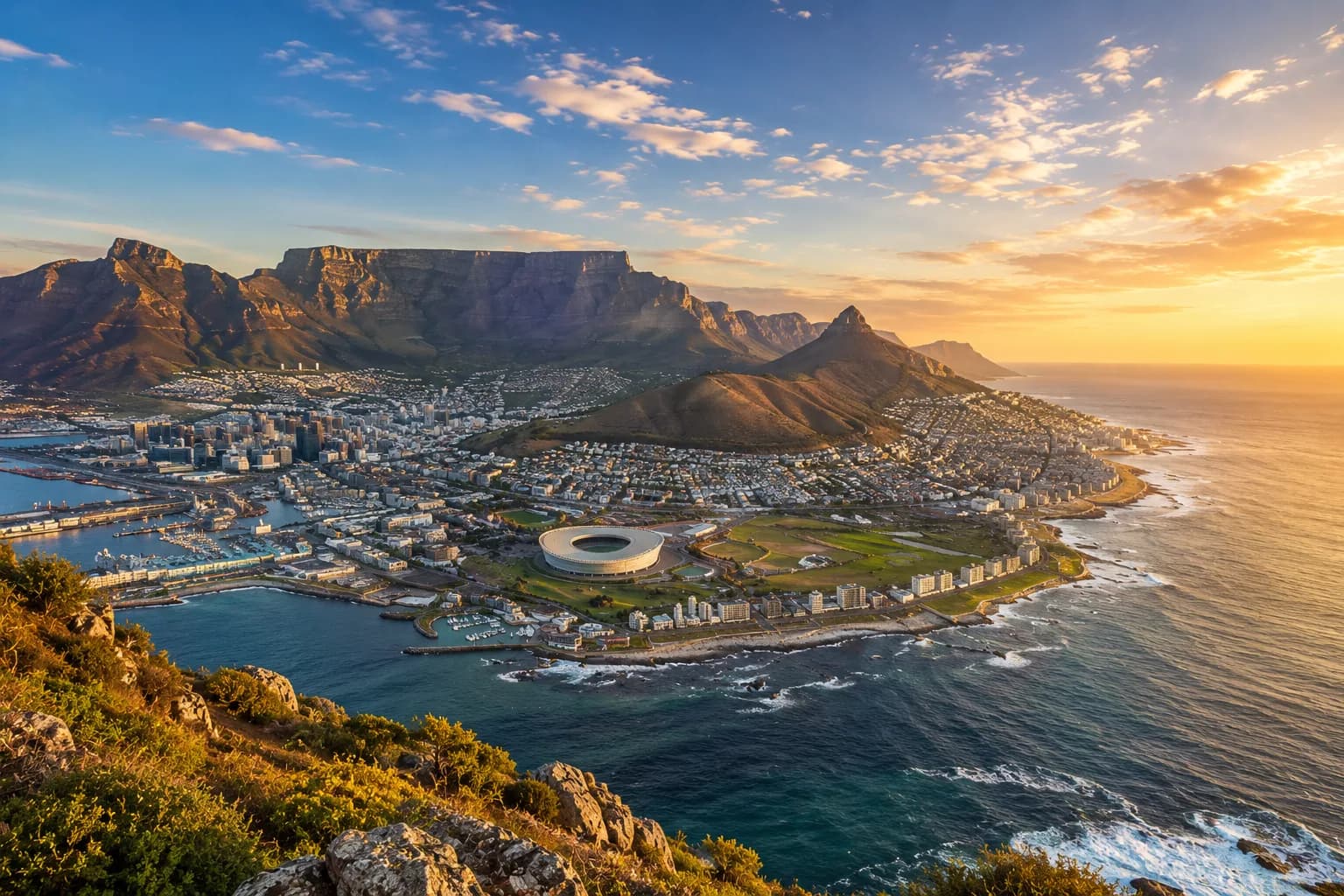
10Malaria-Free Safaris
South Africa (Western & Eastern Cape)