Family Safaris
A safari is one of the few trips that genuinely works across three generations at once — grandparents, parents, and children all leaning out the same vehicle at the same elephant herd. It also has real, specific planning constraints: age minimums, malaria considerations for young children, and long game-drive days that don't suit every child. Done right, it becomes the trip a family still talks about a decade later.
Age policies vary by activity, not by destination. Game drives generally have no strict minimum age, but many camps require children under 6 to have exclusive use of the vehicle (so a family isn't sharing a drive with unrelated guests whose patience for a fussy toddler may be limited) — this usually means booking a private vehicle rather than a shared one. Walking safaris typically require a minimum age of 16, since they demand the ability to stay quiet and follow instructions in the presence of dangerous game. Gorilla and chimpanzee trekking both have a hard minimum age of 15, set by the park authorities in Uganda and Rwanda, not by us — there is no way around this for younger children.
Malaria is the other planning factor that matters most for families with young children. Kenya, Tanzania, Uganda and Rwanda's classic safari areas all carry malaria risk, and antimalarial medication is generally recommended for travellers of all ages, including children, under medical guidance. Families who want to remove this consideration entirely often choose South Africa's Cape Town, Winelands, and Garden Route circuit, which is malaria-free — see our Malaria-Free Safaris guide for the detail.
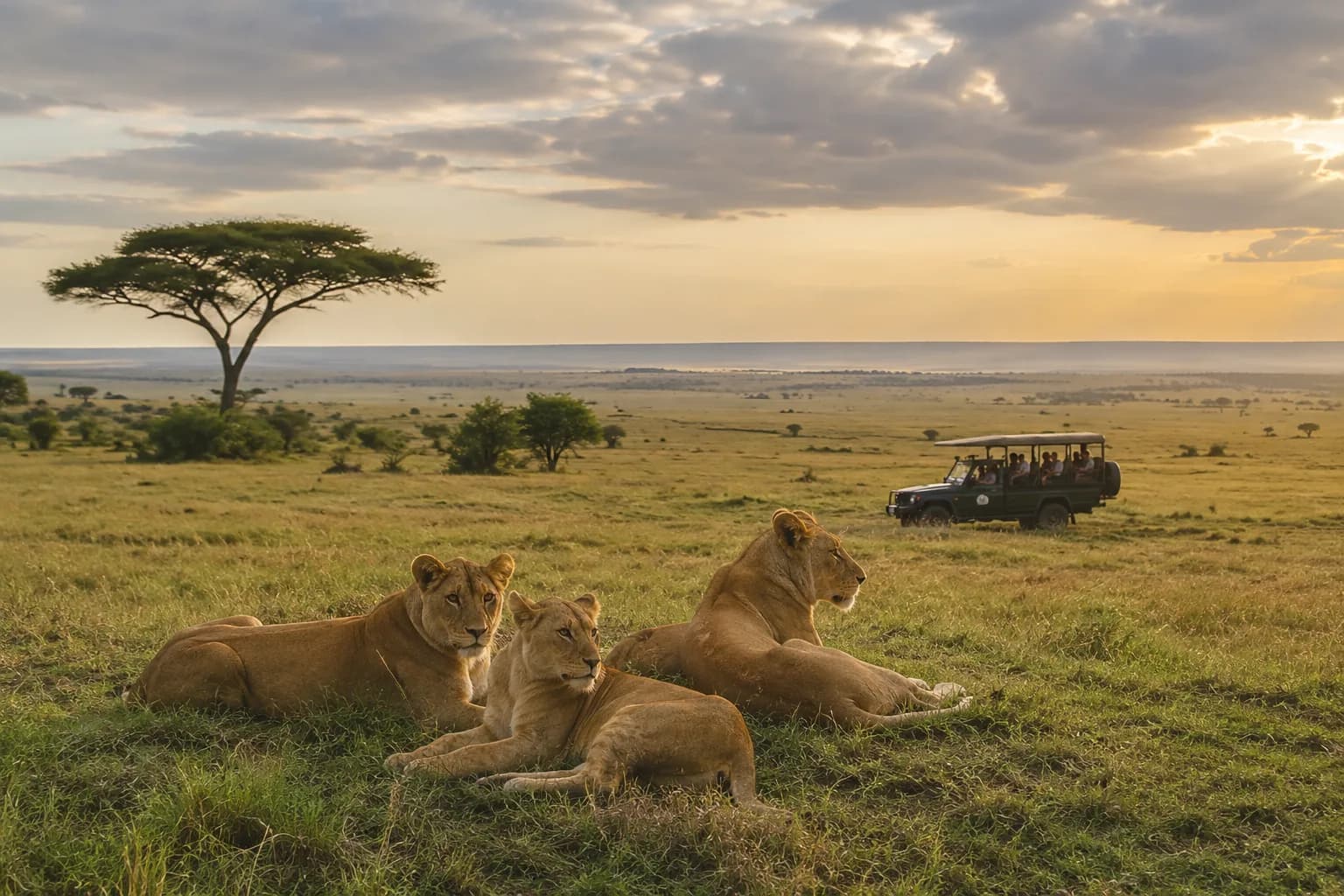
Africa for Grandparents, Parents and Kids — TogetherMasai Mara National Reserve
Camp selection matters more for families than for any other type of trip. The best family camps offer interconnecting or multi-room family tents (rather than forcing young children into a separate tent alone), a genuine kids' or junior ranger programme — bug hunts, tracking lessons, bead-making with local staff — and flexible meal times, since a rigid formal dinner seating doesn't suit a tired seven-year-old. We only recommend camps that do this well, not every camp that simply allows children.
The ideal family safari itinerary runs shorter game-drive blocks (90 minutes to 2 hours rather than a full morning), builds in a rest day or pool afternoon between parks, and often pairs a few days of bush with a few days of beach — Zanzibar or the Kenya coast — so children get a change of pace midway through the trip rather than back-to-back game drives for a week straight.
Highlights
- Private-vehicle exclusivity for families with children under 6 — no shared game drives
- Junior ranger and cultural programmes at family-oriented camps
- Shorter game-drive blocks and built-in rest days, paced for children
- Malaria-free option available via South Africa's Cape Town, Winelands & Garden Route
- Multi-generational camps with interconnecting family tents
- Bush-to-beach pairing to break up long stretches of game drives
Frequently Asked Questions
What is the minimum age for a safari?
+
There's no single minimum age for game drives, though many camps require a private vehicle for children under 6. Walking safaris require 16+, and gorilla or chimpanzee trekking requires 15+ everywhere, set by the park authorities in Uganda and Rwanda rather than by individual operators.
Is it safe to take young children on safari because of malaria?
+
Malaria risk is real in Kenya, Tanzania, Uganda and Rwanda's safari areas, and antimalarial medication suitable for children is available under medical guidance — talk to a travel clinic or your doctor well before departure. Families who'd rather avoid the question entirely often choose our malaria-free South Africa circuit instead.
How long should a family safari be?
+
Six to ten nights works well for most families — enough time for two or three parks or a bush-and-beach combination, without back-to-back long travel days. We pace family itineraries with shorter game drives and a rest day roughly every three to four days.
Do camps really cater to children, or do they just tolerate them?
+
It varies enormously, which is exactly why camp selection matters. We only recommend properties with genuine family infrastructure — interconnecting tents, a real kids' programme, flexible dining — rather than a general lodge that technically allows children but isn't set up for them.
Plan This Experience
Other Experiences
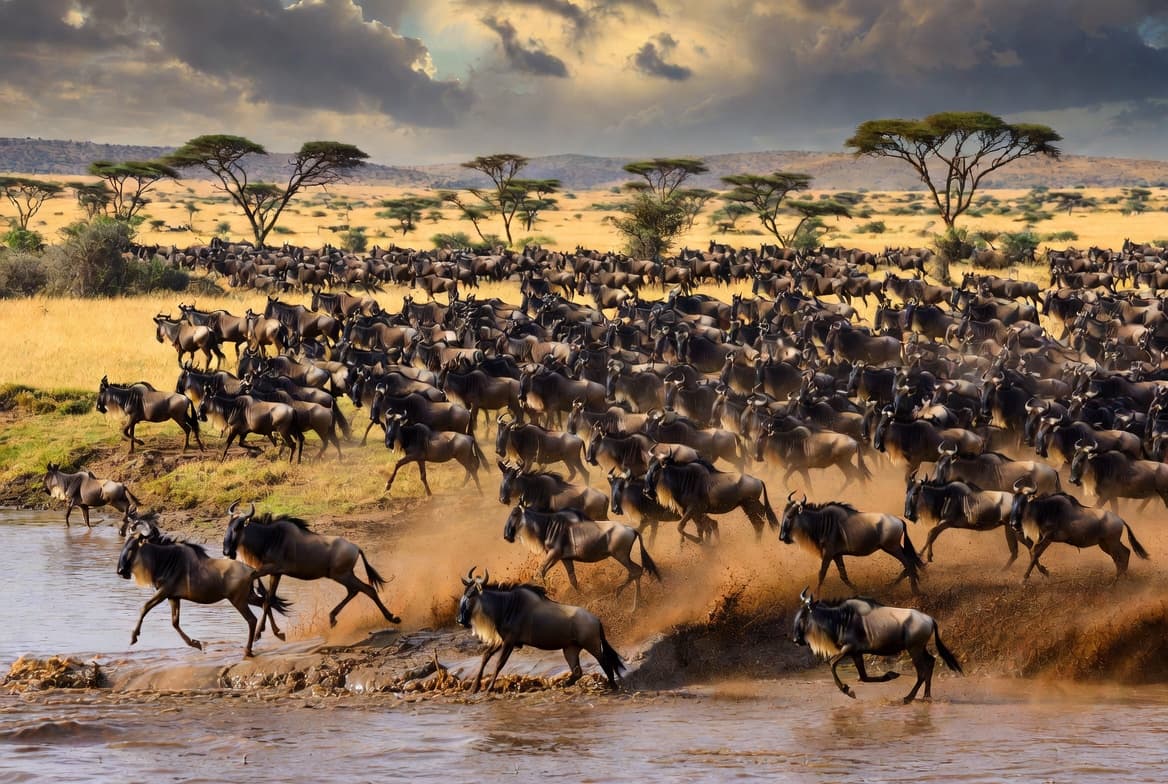
01The Great Wildebeest Migration
Kenya & Tanzania
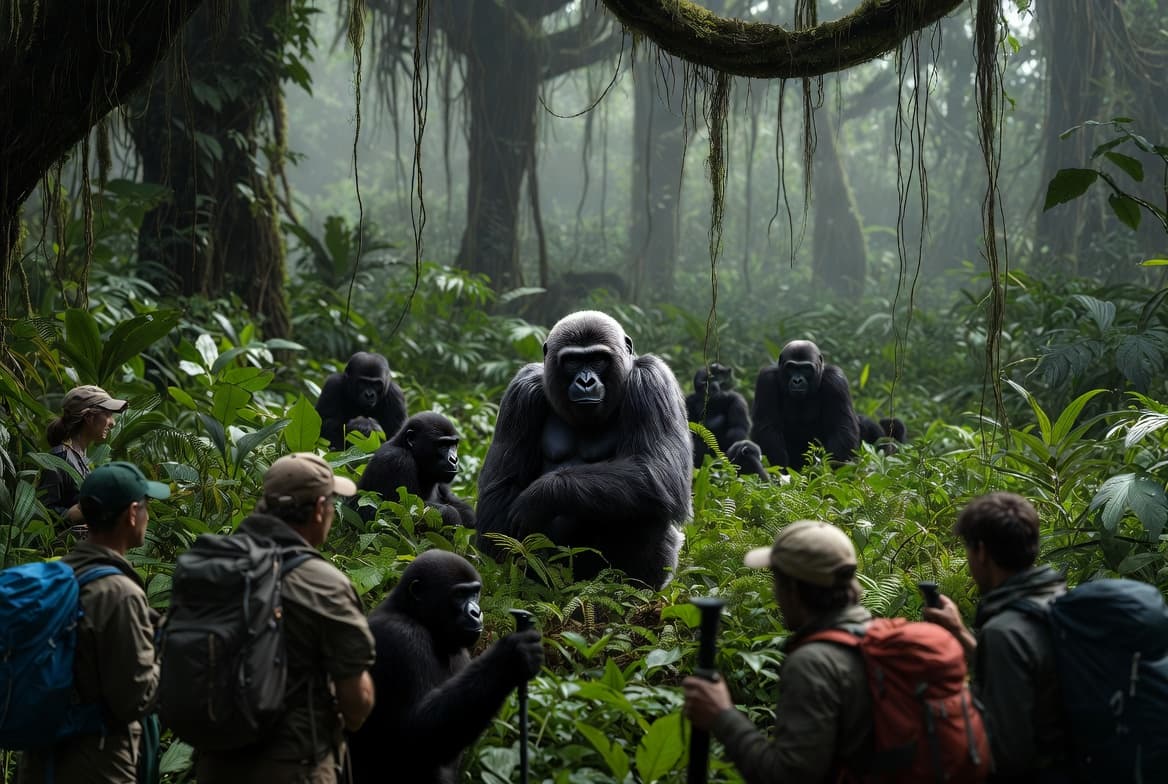
02Mountain Gorilla Trekking
Uganda & Rwanda
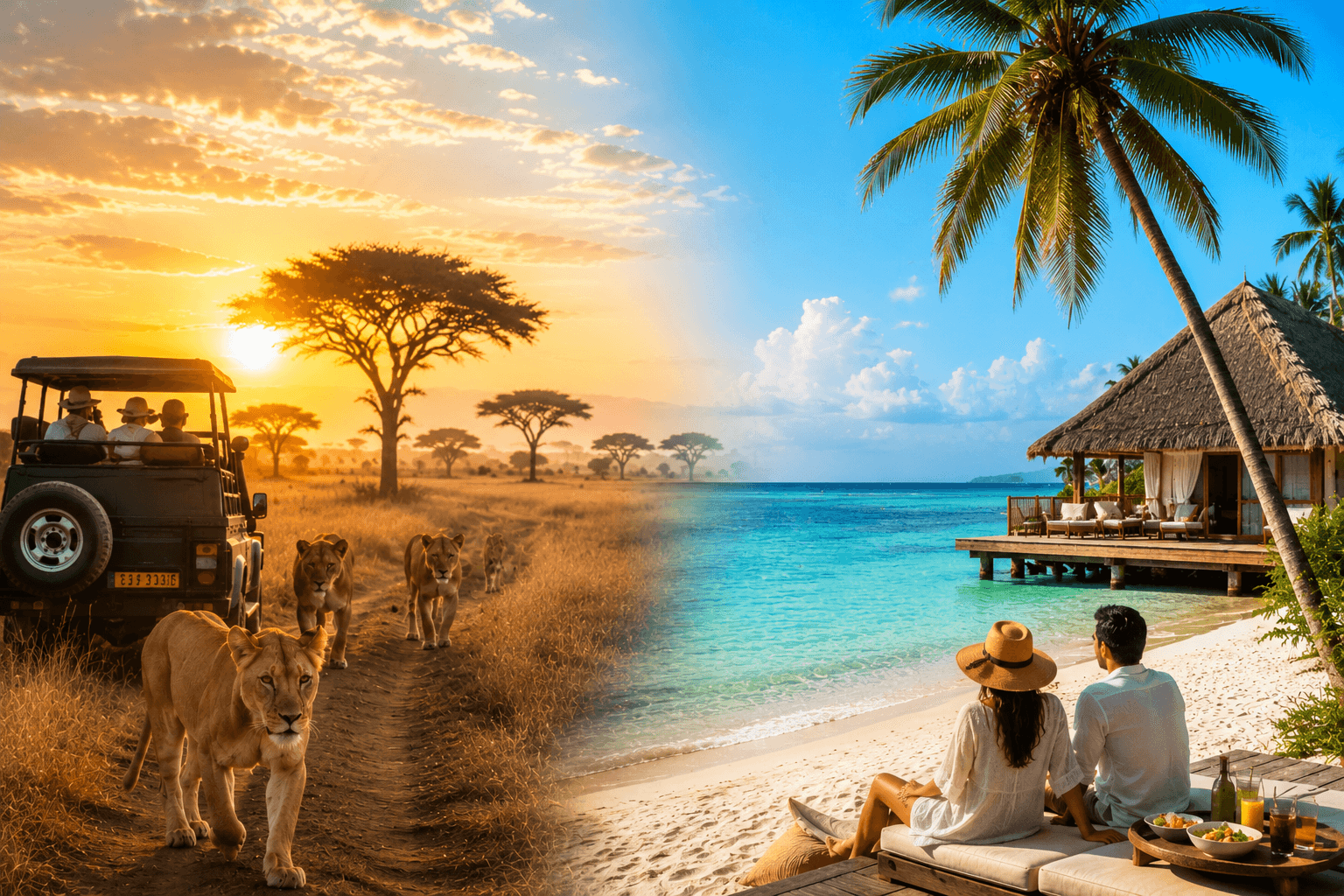
03Bush to Beach
East Africa + Indian Ocean
04Big Five Safaris
Kenya, Tanzania, Botswana
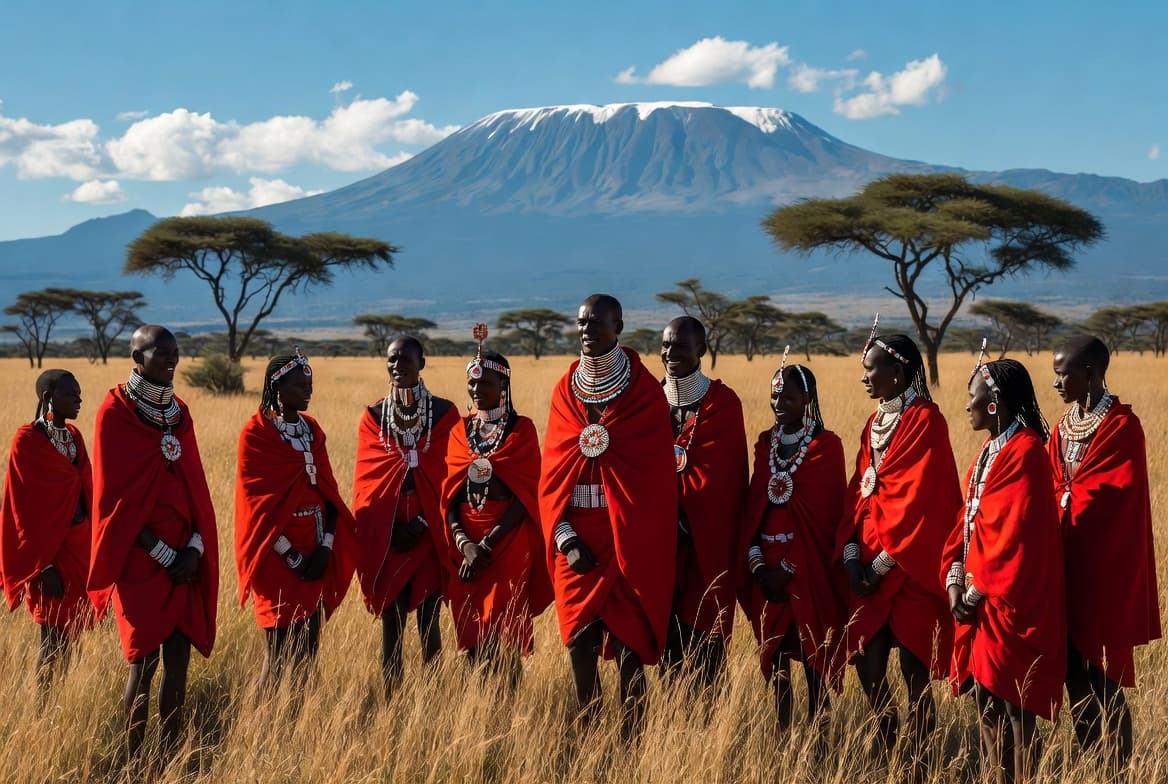
05Cultural Journeys
Kenya, Zanzibar, Rwanda
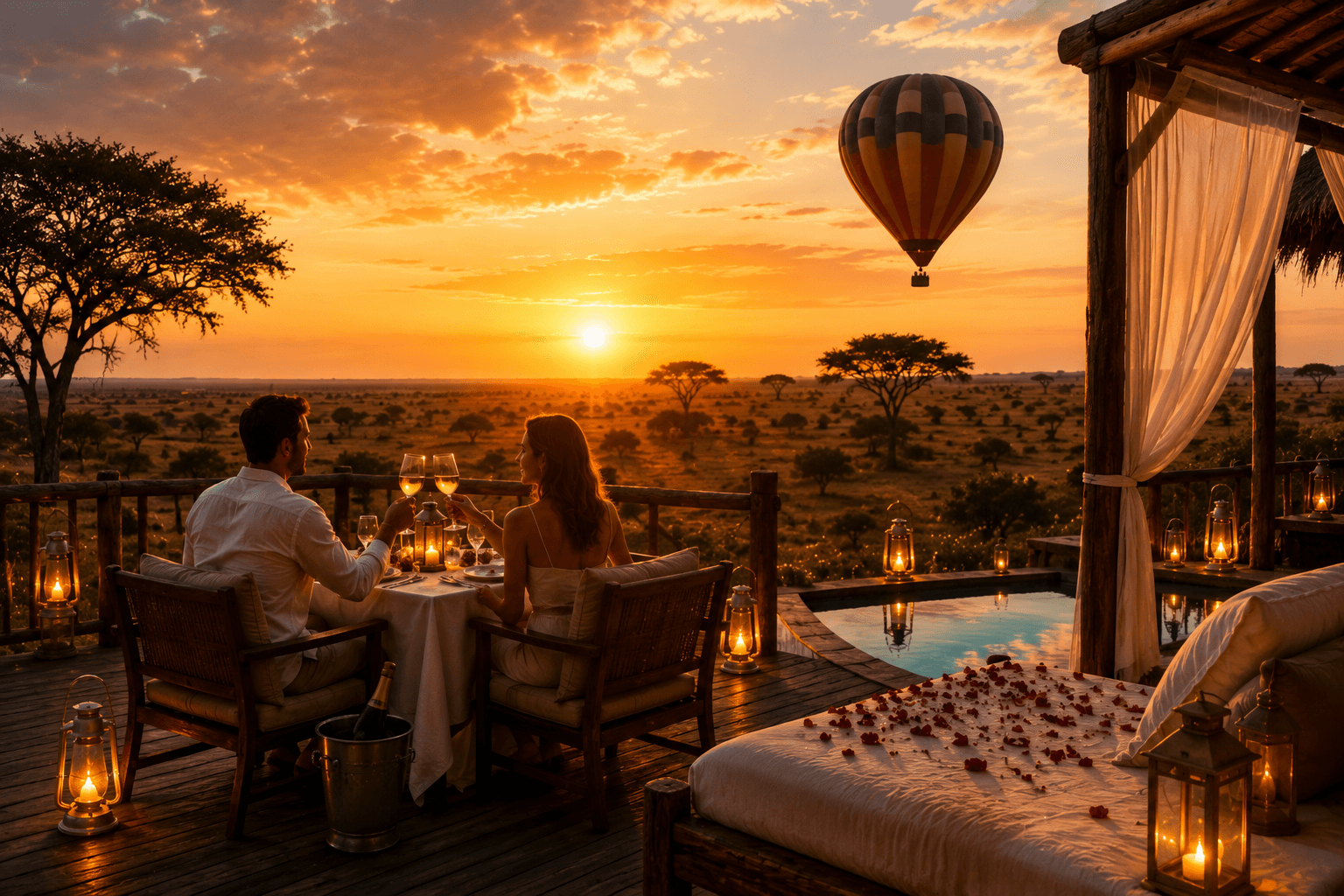
06Honeymoon Safaris
Kenya, Tanzania, Seychelles
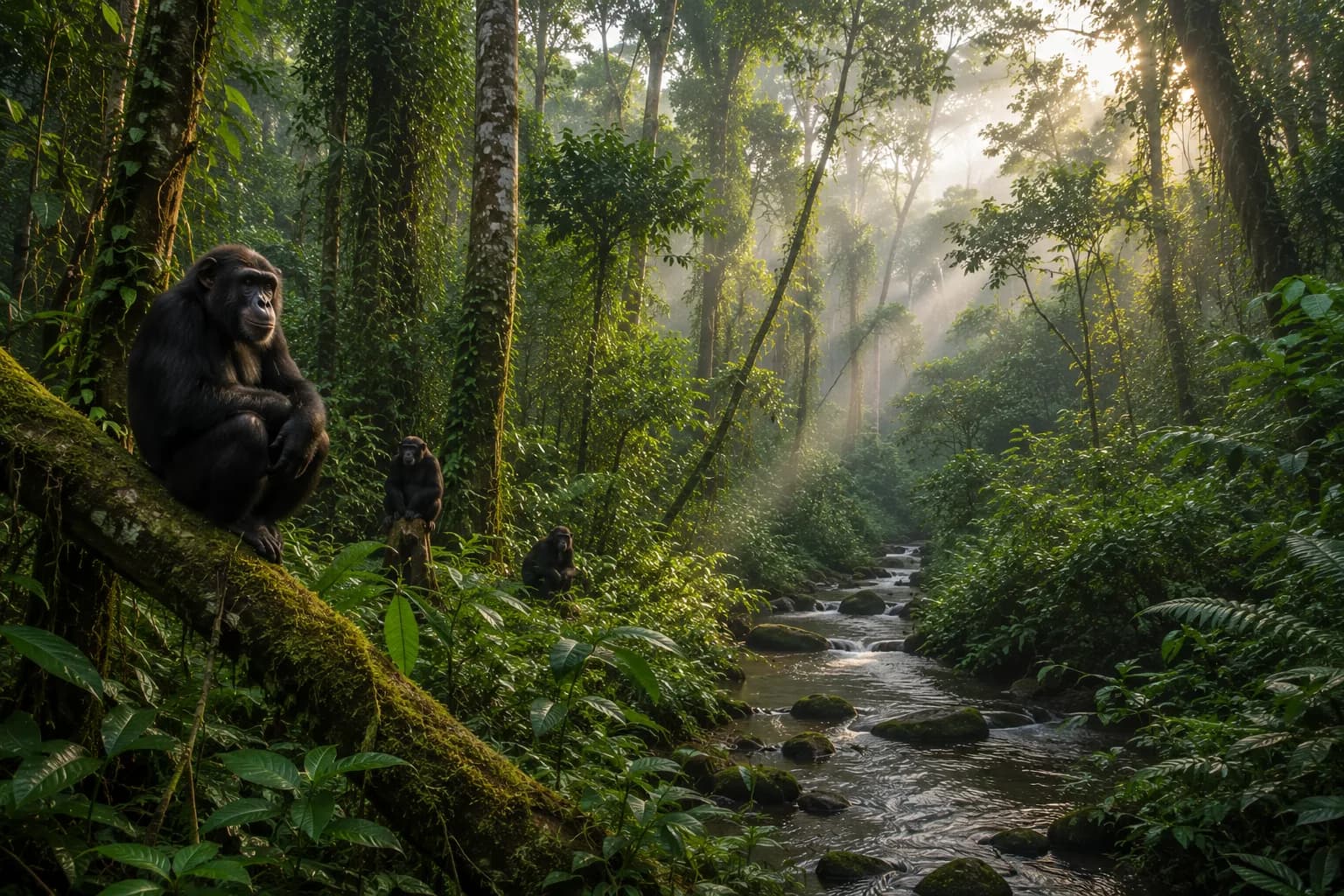
07Chimpanzee Tracking
Uganda & Rwanda
08Night Game Drives
Kenya, Tanzania, Laikipia
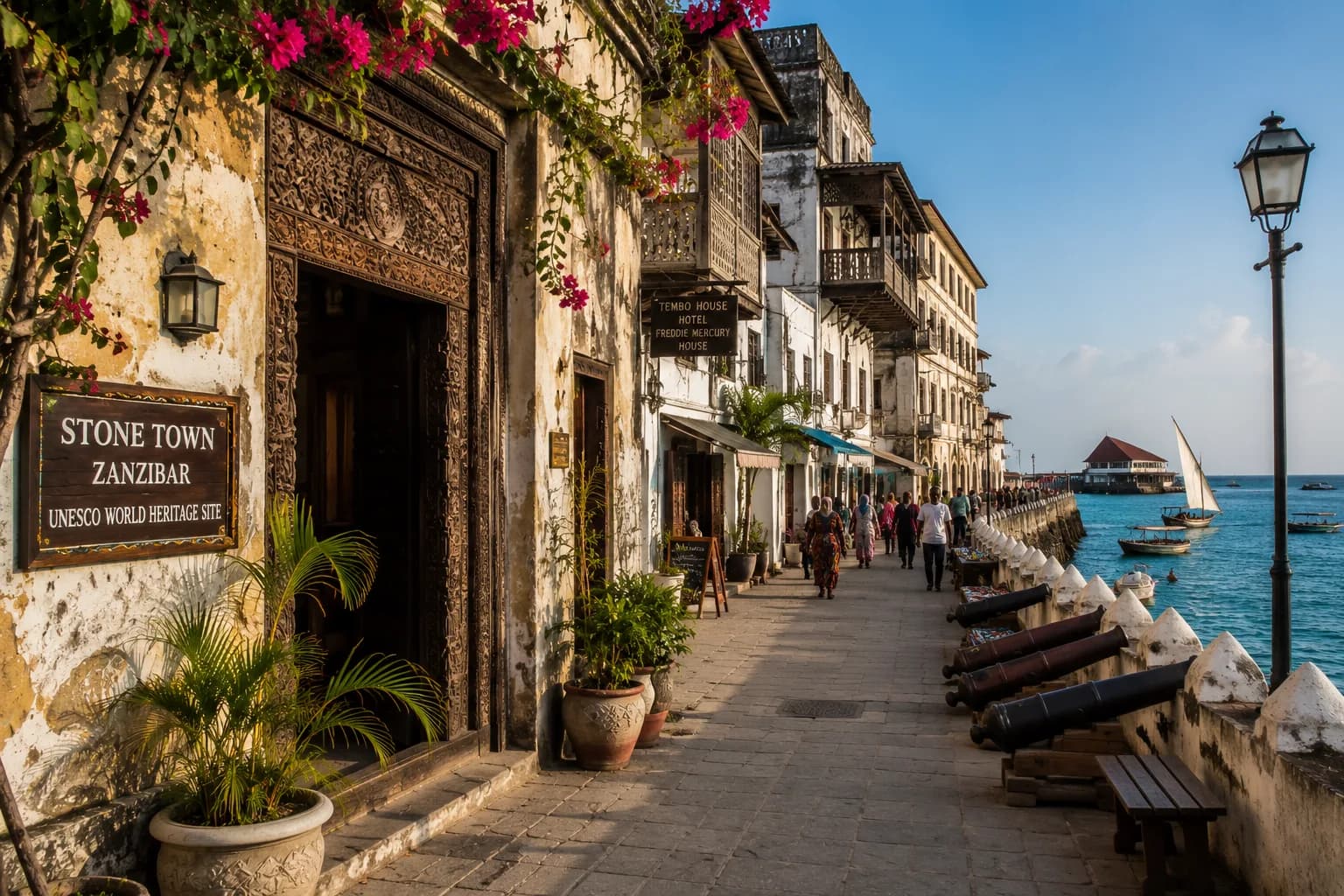
09Swahili Coast City Tours
Zanzibar, Lamu, Mombasa

10Malaria-Free Safaris
South Africa (Western & Eastern Cape)