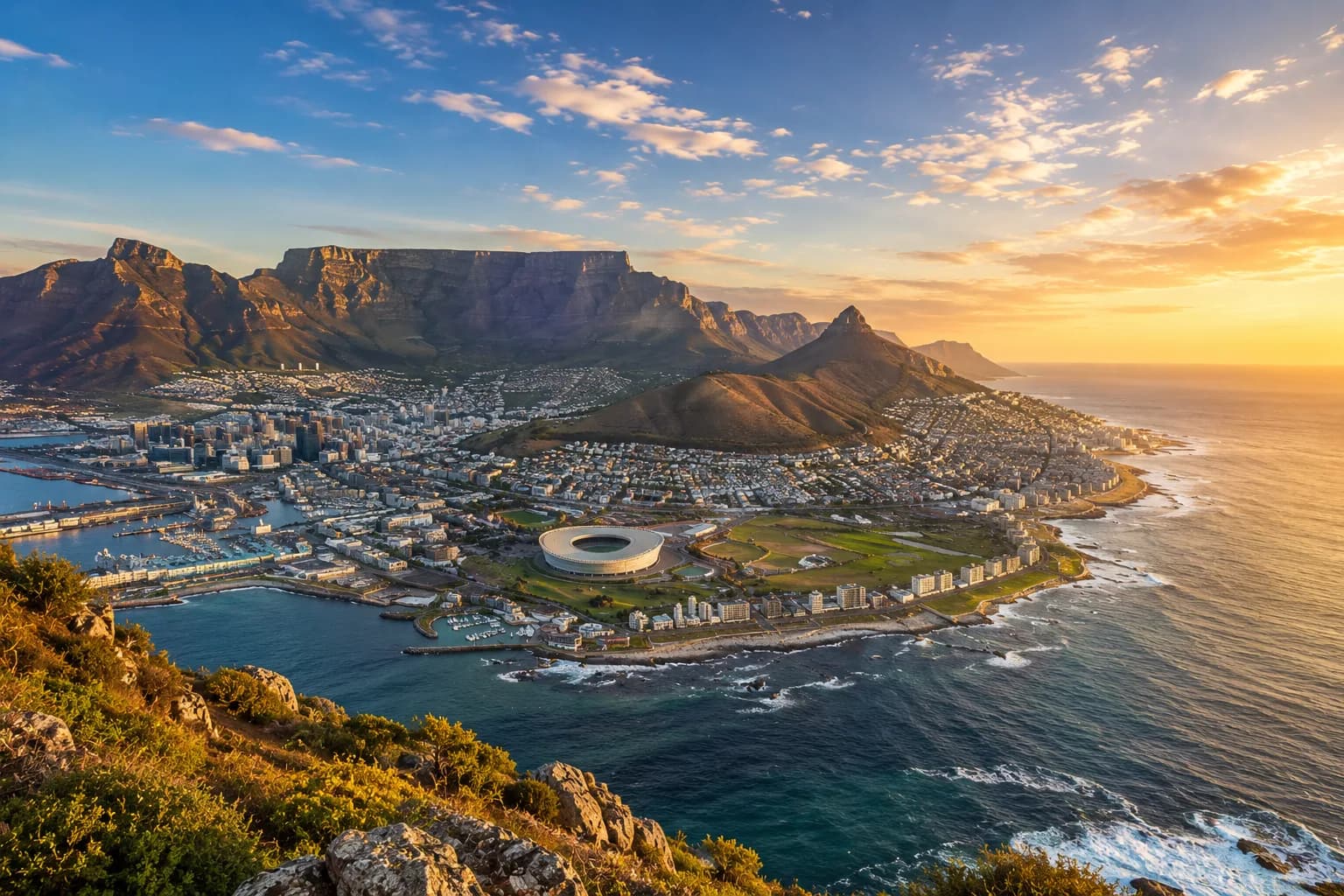
South Africa — Safari, Wines & the Cape
South Africa offers the most diverse travel experience on the continent: world-class safaris in Kruger, the iconic Table Mountain and Cape Peninsula, the Winelands of Stellenbosch and Franschhoek, and the scenic Garden Route.
South Africa offers Africa's most diverse travel experience: world-class safaris in Kruger, the spectacular Table Mountain and Cape Peninsula, world-renowned Winelands, whale watching on the Garden Route, and a vibrant food and arts culture in Cape Town.
South Africa is also Africa's most self-drive-friendly safari destination. The best wildlife viewing in Kruger is June–September (dry season); Cape Town and the Western Cape are best October–April (summer).
Highlights
- 01Kruger National Park — Africa's most famous and accessible Big Five reserve
- 02Cape Town — Table Mountain, Cape of Good Hope, V&A Waterfront, world-class food scene
- 03Stellenbosch & Franschhoek — Premier wine country 45min from Cape Town
- 04Garden Route — Coastal scenery, whale watching (Jun–Nov), Tsitsikamma forest
- 05Sabi Sand Private Reserves — Luxury safari; legendary leopard sightings
- 06Boulders Beach — African penguin colony near Simon's Town
- 07Johannesburg — Apartheid Museum, Soweto, Vilakazi Street cultural tours
When to Visit
For wildlife viewing, May to September is the dry season and best for safaris. Cape Town and the Garden Route are best from October to April (summer) for sunny beach weather.
Why choose South Africa
South Africa is perfect for self-drive adventures, combining Big Five safaris with gourmet food and wine, dramatic coastlines, and vibrant cities.
Planning a trip to South Africa
South Africa packs a classic safari, one of the world’s most beautiful cities and some of its best road trips into one country, with good roads, domestic flights and places to stay for every budget. Most first trips combine the Kruger area with Cape Town and the Winelands, and add the Garden Route when there is time.
- Kruger National Park and the private reserves of the Greater Kruger, such as the Sabi Sand: the Big Five, by self-drive or with a guide, a short flight from Johannesburg or Cape Town.
- Cape Town and the Cape Peninsula: Table Mountain, Robben Island, Cape Point and the penguins of Boulders Beach.
- The Cape Winelands: Stellenbosch, Franschhoek and Paarl, 45 minutes to an hour from Cape Town.
- The Garden Route: some 200 km of coast from Mossel Bay to Storms River, best explored by car.
- Malaria-free safaris in Madikwe, Pilanesberg and the Eastern Cape, including Addo Elephant National Park — ideal with young children.
When to go
South Africa has two climates to plan around. In Kruger and the north-east, the dry winter, from May to September, is the best time for game viewing, with thin bush, mild days and cold mornings; the summer rains, from November to March, turn the bush green and bring newborn animals, migrant birds and a higher malaria risk. In the Western Cape it is the other way round: the summer, from November to March, is dry and sunny, while winter is cool and wet. April, May, September and October suit a combined trip, and whales pass the southern coast from about June to November.
Getting there, getting around and costs
International flights arrive in Johannesburg and Cape Town, about two hours apart by air, with domestic flights to Kruger's airports — Skukuza, Kruger Mpumalanga International and Hoedspruit — and to George on the Garden Route. Driving is on the left, the main roads are good, and a hire car is the best way to see the Garden Route and the Winelands. Many nationalities, including most visitors from the European Union, the UK and the US, can visit without a visa for up to 90 days; passports need two blank pages and must be valid for at least 30 days after you leave.
Kruger charges international visitors a daily conservation fee of R692 per adult from 1 November 2026, and private reserves add their own levies. Take the usual city precautions in Johannesburg and Cape Town — keep valuables out of sight and use registered taxis or ride-hailing apps after dark.
Key Destinations in South Africa
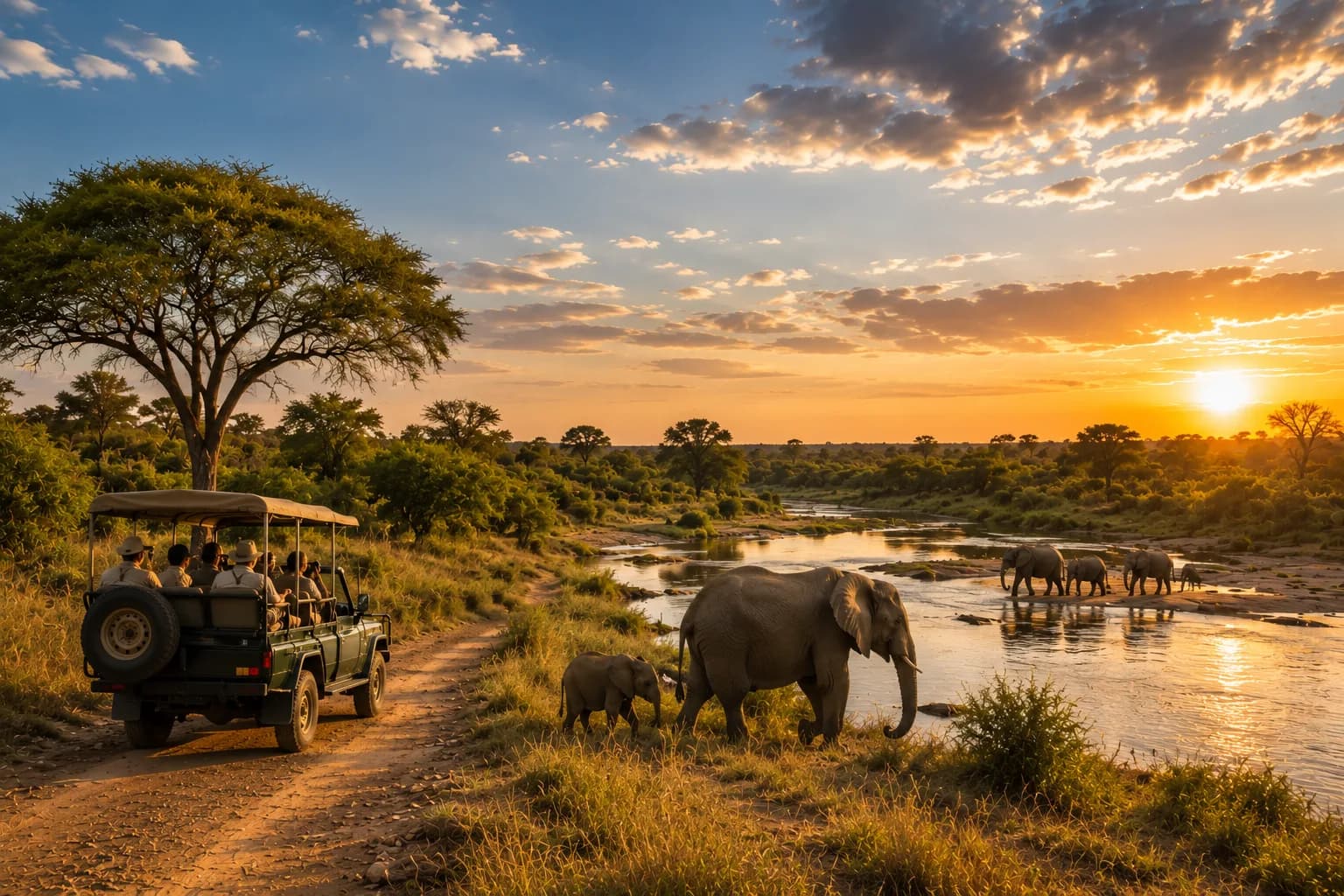
Kruger National Park
One of Africa's largest game reserves (19,485 km²) and most visited. Exceptional for self-drive safaris with excellent infrastructure.
Cape Town
Consistently ranked among the world's most beautiful cities, Cape Town sits beneath the iconic flat-topped Table Mountain.
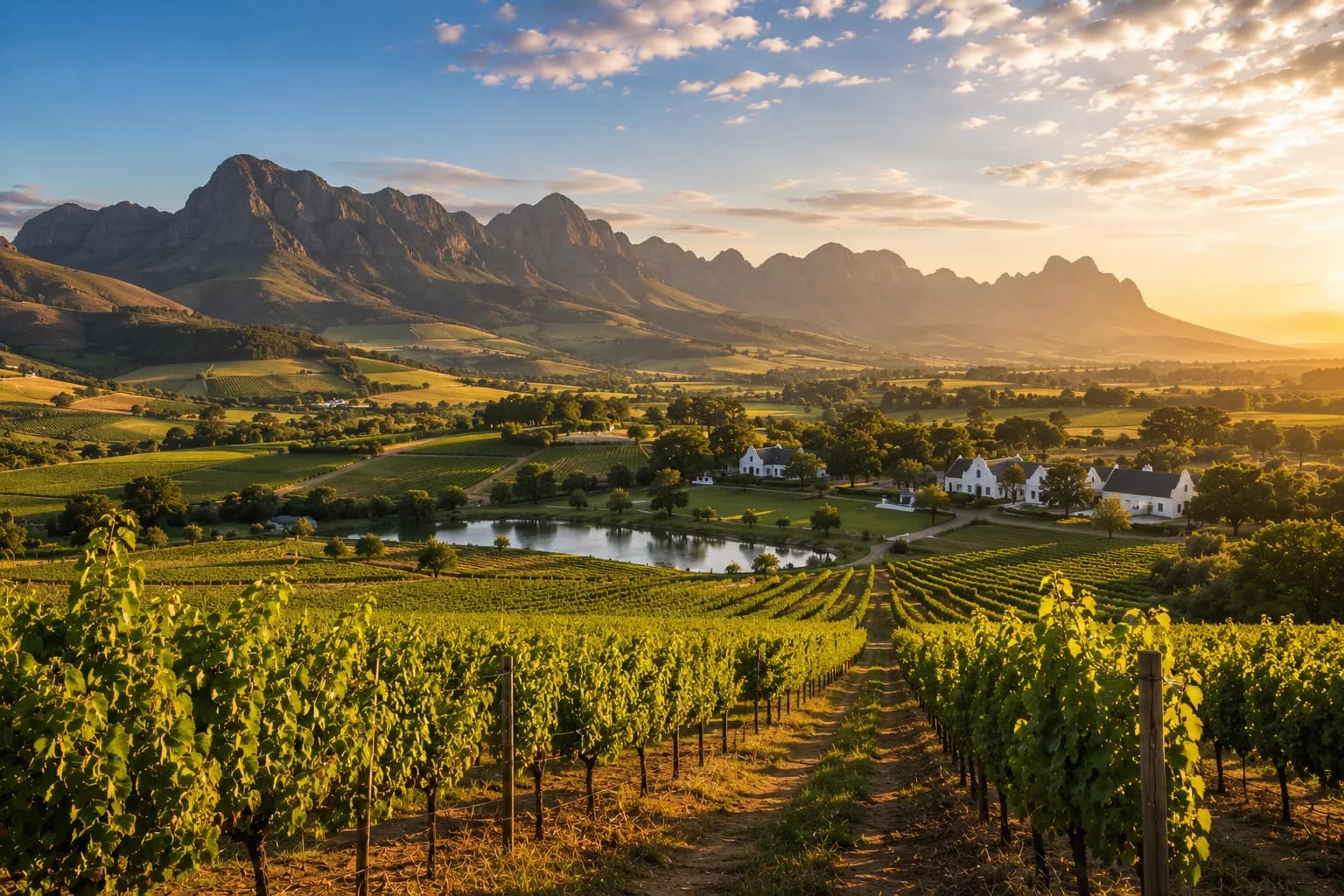
Cape Winelands
Stellenbosch, Franschhoek and Paarl: historic towns, Cape Dutch estates and South Africa's best-known wine country, 45 minutes to an hour from Cape Town.
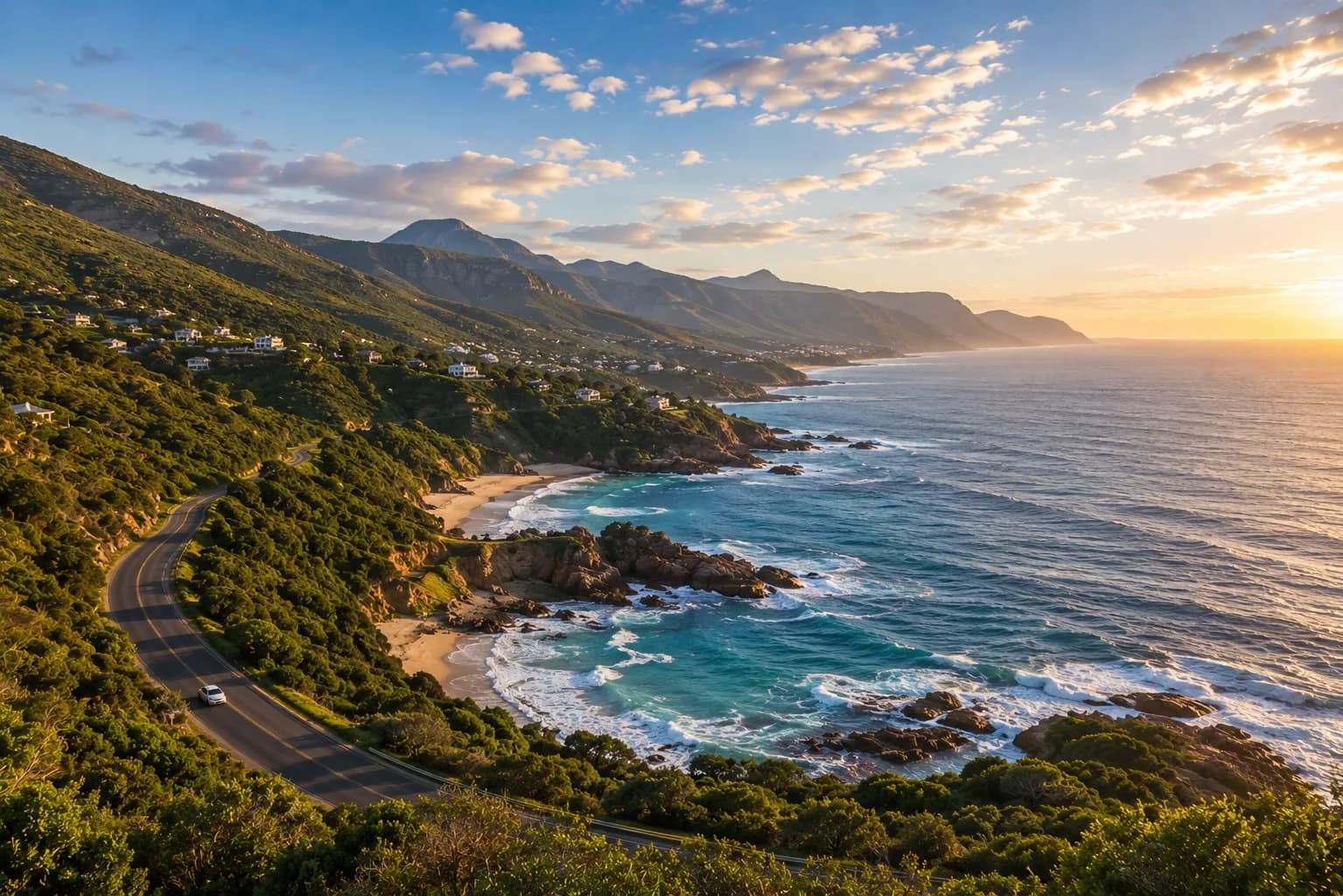
Garden Route
A coastal route of some 200 kilometres between Mossel Bay and Storms River, threading dramatic cliffs, indigenous forest, and lagoon estuaries.
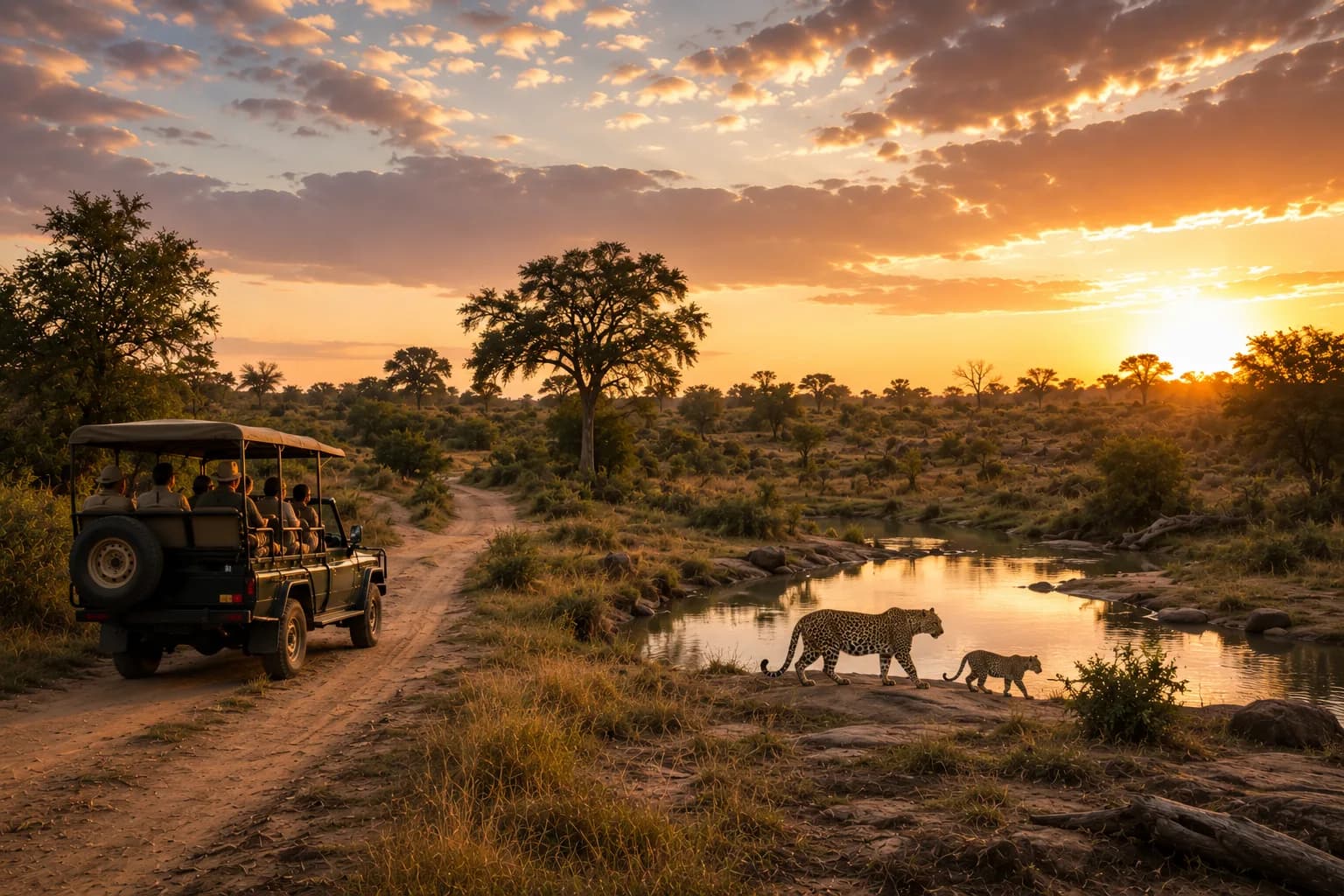
Sabi Sand Private Reserves
An unfenced private reserve adjoining Kruger — the gold standard of luxury safari. Off-road game drives, night drives, and walking safaris are permitted.
Available Itineraries
Experiences in South Africa
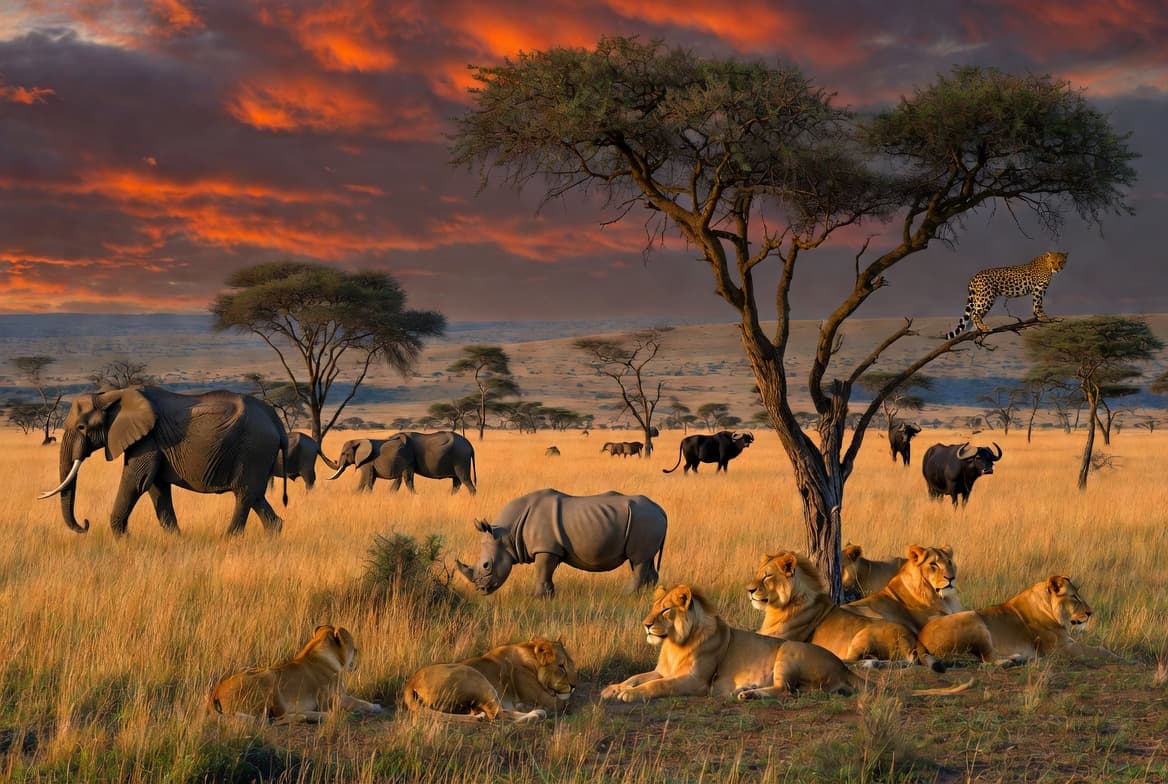
Big Five Safaris
Track lion, leopard, elephant, buffalo, and rhino in private conservancies.
Family Safaris
Family-vehicle exclusivity, junior ranger programmes, and camps built for children — a safari the whole family actually enjoys, not endures.
Night Game Drives
Spotlight-guided night drives through private conservancies reveal the nocturnal Africa that daytime game drives never show you.
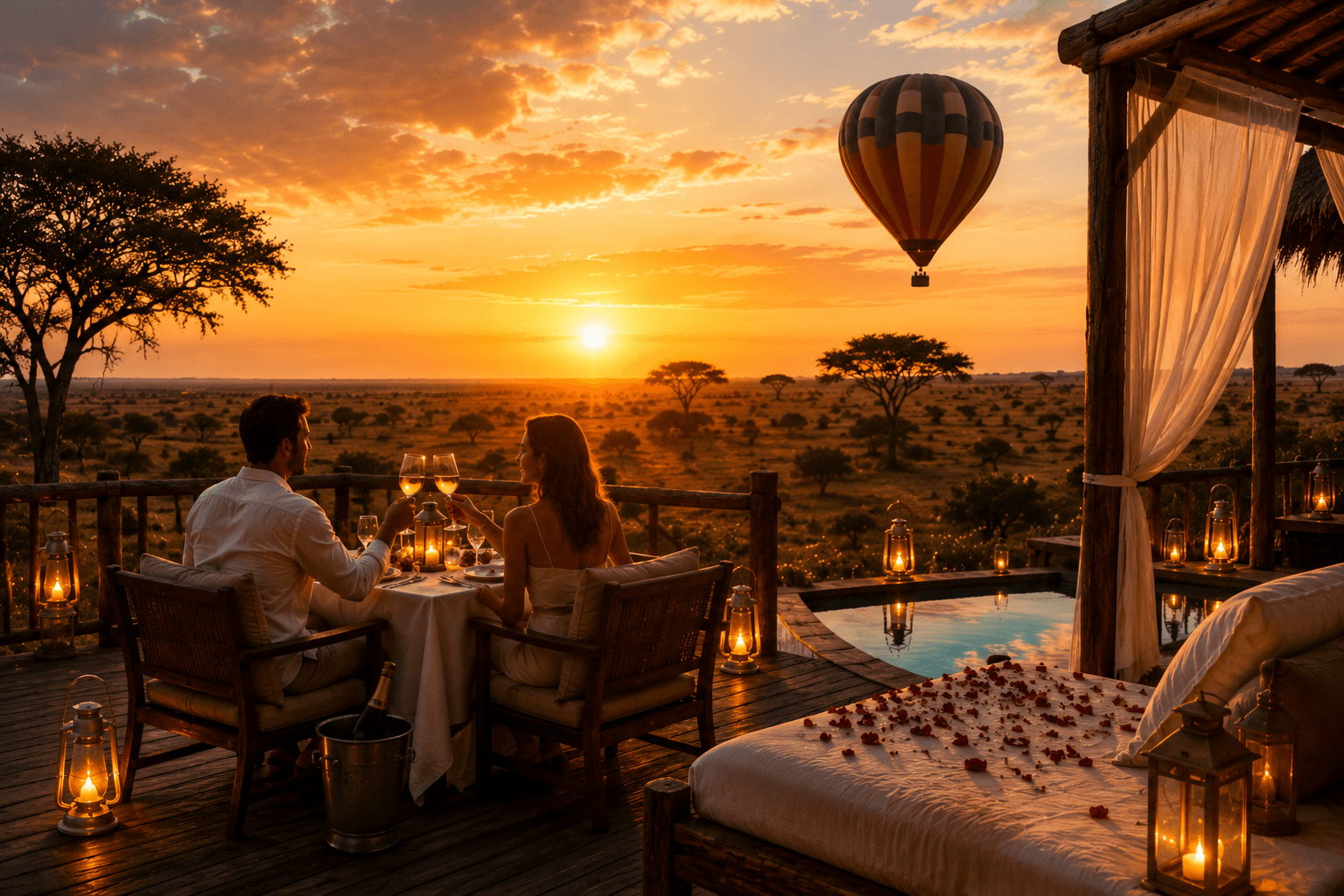
Honeymoon Safaris
Private candlelit dinners in the bush, sunrise balloon rides, and secluded beach villas.
Malaria-Free Safaris in South Africa
Big Five safaris in South Africa's malaria-free reserves — Madikwe, Pilanesberg, Addo and the Eastern Cape — with Cape Town and the Garden Route, and no antimalarials needed.
Frequently Asked Questions
Is South Africa safe for tourists?
+
Yes, millions of tourists visit safely each year. Exercise normal big-city precautions.
Can I self-drive in Kruger National Park?
+
Absolutely. Kruger is one of the best self-drive safari destinations in Africa, with well-maintained roads and excellent maps.
When is the best time to visit South Africa?
+
For a safari in Kruger, the dry winter from May to September; for Cape Town, the Winelands and the beaches, the dry summer from November to March. April, May, September and October are good for combining both.
How many days do you need in South Africa?
+
Ten to fourteen days for a first trip: three or four nights in Kruger or a private reserve, three or four in Cape Town, two in the Winelands and, with more time, four to six on the Garden Route.
Do I need a visa for South Africa?
+
Many nationalities, including most visitors from the European Union, the UK and the US, can stay up to 90 days without a visa. Your passport needs two blank pages and must be valid for at least 30 days after you leave; check the rules for your nationality before you travel.
Is Kruger National Park a malaria area?
+
Yes, but a low-risk one, with the highest risk from about November to April; talk to a doctor about prophylaxis. For a malaria-free safari, choose Madikwe, Pilanesberg or the Eastern Cape reserves such as Addo.
How much does it cost to enter Kruger National Park?
+
International visitors pay a daily conservation fee for every day in the park: R692 per adult and R345 per child from 1 November 2026, up from R602 and R300. Private reserves such as the Sabi Sand charge their own levies.