Night Game Drives
Roughly two-thirds of African mammal species are nocturnal or crepuscular — active at night or around dawn and dusk — which means a standard daytime safari misses most of the continent's mammal diversity entirely. Night game drives — run mainly in private conservancies and reserves, and in a handful of national parks — use spotlights to reveal genet, civet, aardvark, porcupine and bushbaby, and give you a far better chance of finding a leopard.
Most national parks in East and southern Africa close their roads to visitors after dark, for good conservation reasons — it protects nocturnal animals from vehicle disturbance at exactly the hours they're most active. Private conservancies bordering these parks operate under different rules, since they're managed by the camps and communities rather than national park authorities, and many permit controlled night drives with trained guides using red or amber filtered spotlights that don't disturb the animals' natural behaviour. A few national parks run night drives themselves or allow them with licensed guides — Kruger in South Africa, South Luangwa in Zambia, Akagera in Rwanda, Lake Manyara in Tanzania and Queen Elizabeth in Uganda among them.
Leopard is the headline draw. Genuinely nocturnal and notoriously hard to find by day, leopards become dramatically easier to locate after dark, when they're actively hunting rather than resting hidden in a tree or thicket. Laikipia's private conservancies and the Mara conservancies bordering the national reserve are among the best-regarded destinations specifically for leopard-focused night drives in East Africa.
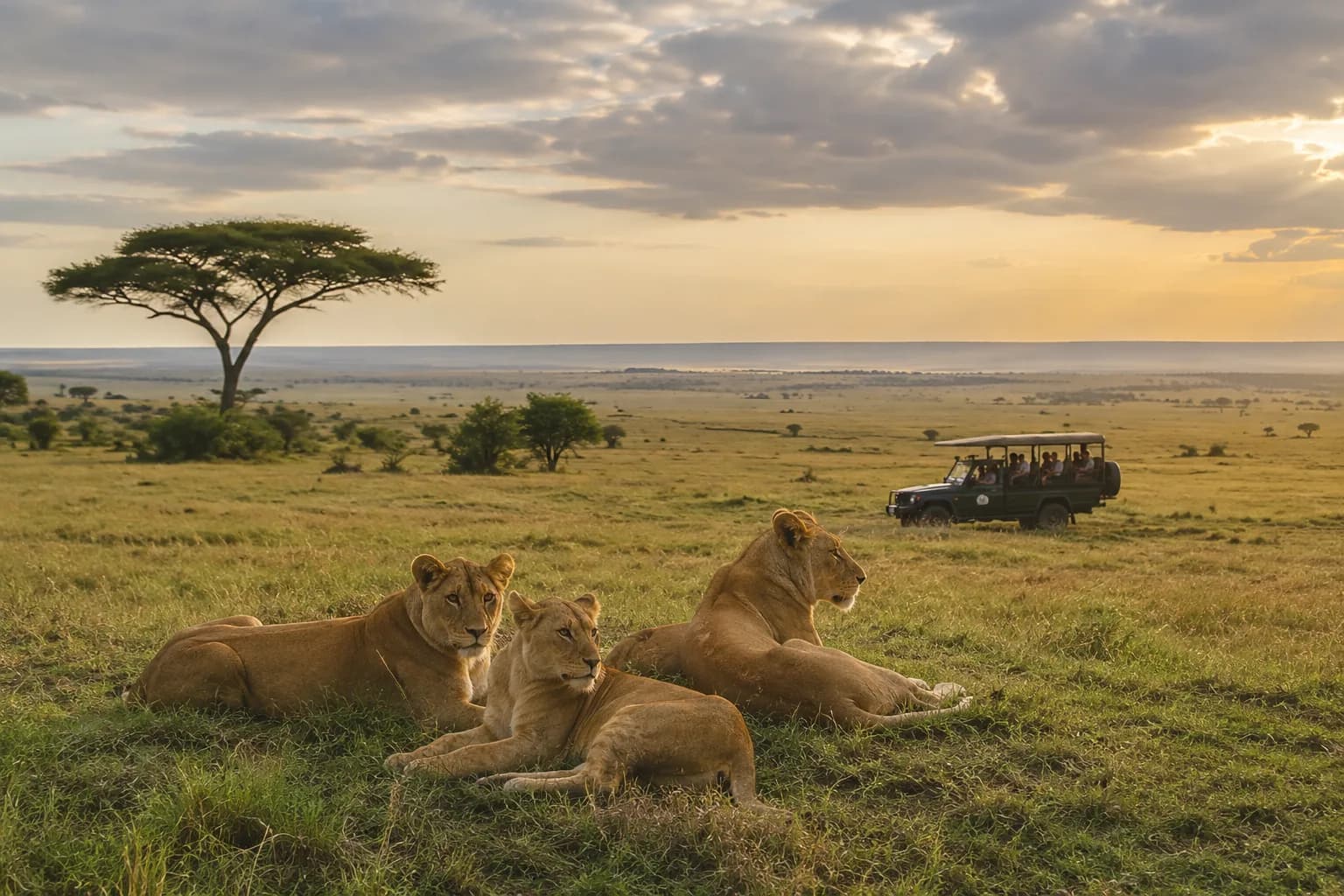
The Bush After Dark — Leopard, Genet, and the Predators You Never See by DayMasai Mara National Reserve
Beyond leopard, night drives regularly turn up genets and civets (small, cat-like nocturnal carnivores rarely seen by day), aardvark (a genuinely rare, almost mythical sighting for most safari-goers), spring hares, bushbabies, and — in the right habitat — striped hyena or serval. The pace of a night drive is generally slower and quieter than a day drive, with more time spent scanning the darkness with a spotlight than covering ground.
Because most night drives depend on a private concession, they're mainly offered by conservancy-based camps rather than by lodges inside national parks; where a park runs its own night drives, as Kruger and Akagera do, they are booked with the park and places are limited. It's a detail worth checking before you book if nocturnal wildlife is a priority, since it can meaningfully shape which camps we recommend for your itinerary.
Where to go on a night drive
- Kenya: the Mara conservancies, such as Mara North, Olare Motorogi and Naboisho, and Laikipia's private and community conservancies, including Ol Pejeta and Lewa.
- Tanzania: camps on the community land around Tarangire, Lake Manyara National Park itself, and the Grumeti reserves and other concessions on the edge of the Serengeti.
- South Africa: the Sabi Sand and the other private reserves of the Greater Kruger, where the evening drive continues after dark with a spotlight, and the night drives run from Kruger's rest camps.
- Botswana: the private concessions of the Okavango and Linyanti and the Khwai community area — not Moremi or Chobe National Park, where night drives are not allowed.
- Zambia: South Luangwa, where night drives with licensed guides are one of the classic experiences of the park.
- Rwanda and Uganda: the park-run night drives in Akagera, and night drives with rangers in Queen Elizabeth National Park.
What to expect on a night drive
- Most leave around sunset, often after sundowners, and last two to three hours, returning in time for a late dinner; some camps go out after dinner instead.
- A tracker or the guide sweeps a spotlight from side to side, looking for eyeshine; once an animal is found, many guides switch to a red filter or keep the beam off its eyes.
- Bring a warm layer — open vehicles get cold quickly, especially in Laikipia and in southern Africa's winter — and insect repellent.
- Photography is hard: use a fast lens and a high ISO, and never a flash, which dazzles animals and spoils the sighting for others.
- Stay seated, keep your voice down and keep phone screens dark.
Highlights
- Mostly in private conservancies, plus a few national parks such as Kruger, South Luangwa and Akagera
- Dramatically improved leopard sightings — most active and easiest to find after dark
- Genet, civet, and aardvark — species rarely, if ever, seen on a daytime drive
- Laikipia and Mara conservancies — among East Africa's best night-drive destinations
- Red or amber filtered spotlights used to minimise disturbance to nocturnal animals
- Pairs naturally with any Big Five or migration safari based in a conservancy camp
Frequently Asked Questions
Why can't I do a night game drive in a national park?
+
In most national parks you can't, because the roads close to visitors at dusk — largely to limit disturbance to nocturnal wildlife and to reduce traffic and light at night. A few parks do offer guided night drives, including Kruger, South Luangwa, Akagera, Lake Manyara and Queen Elizabeth, but most night drives take place in private conservancies, which are run independently of the park authorities and set their own rules.
What will I actually see on a night game drive?
+
Leopard sightings improve substantially, since they're most active after dark. You'll also have a real chance at genet, civet, spring hare, bushbaby, and — with luck — the genuinely rare aardvark or serval. It's a different, quieter pace than a day drive, built around careful spotlighting rather than covering ground.
Do I need to book a specific camp for night drives?
+
Usually, yes — most night drives are run by camps in private conservancies or concessions, so it pays to choose your camps with that in mind. In the few national parks that offer them, such as Kruger and Akagera, you book a place on the park's own drive. If nocturnal wildlife is a priority for you, tell us when you enquire and we'll build your itinerary around it.
Is a night game drive safe?
+
Yes — night drives are led by experienced guides using vehicle-mounted or handheld spotlights, following the same safety protocols as any guided game drive. Guests remain in the vehicle throughout, exactly as on a daytime drive.
Which national parks allow night game drives?
+
Most do not, but some run guided night drives or allow them with licensed guides: Kruger in South Africa (drives from the rest camps), South Luangwa in Zambia, Akagera in Rwanda, Lake Manyara in Tanzania and Queen Elizabeth in Uganda. The Masai Mara National Reserve, Moremi and Chobe do not allow them, but the conservancies and concessions next to them do.
Does the spotlight disturb the animals?
+
Used well, very little. Good guides keep the beam moving, avoid lighting up prey that a predator is stalking, so as not to give it an unfair advantage, and often switch to a red filter once an animal is found. Choose a camp whose guides follow these rules.
Do night drives cost extra?
+
At most conservancy camps they are part of the daily activities and included in the rate. Night drives run by a national park, such as those in Kruger or Akagera, are booked and paid for separately, and places are limited.
Plan This Experience
Other Experiences
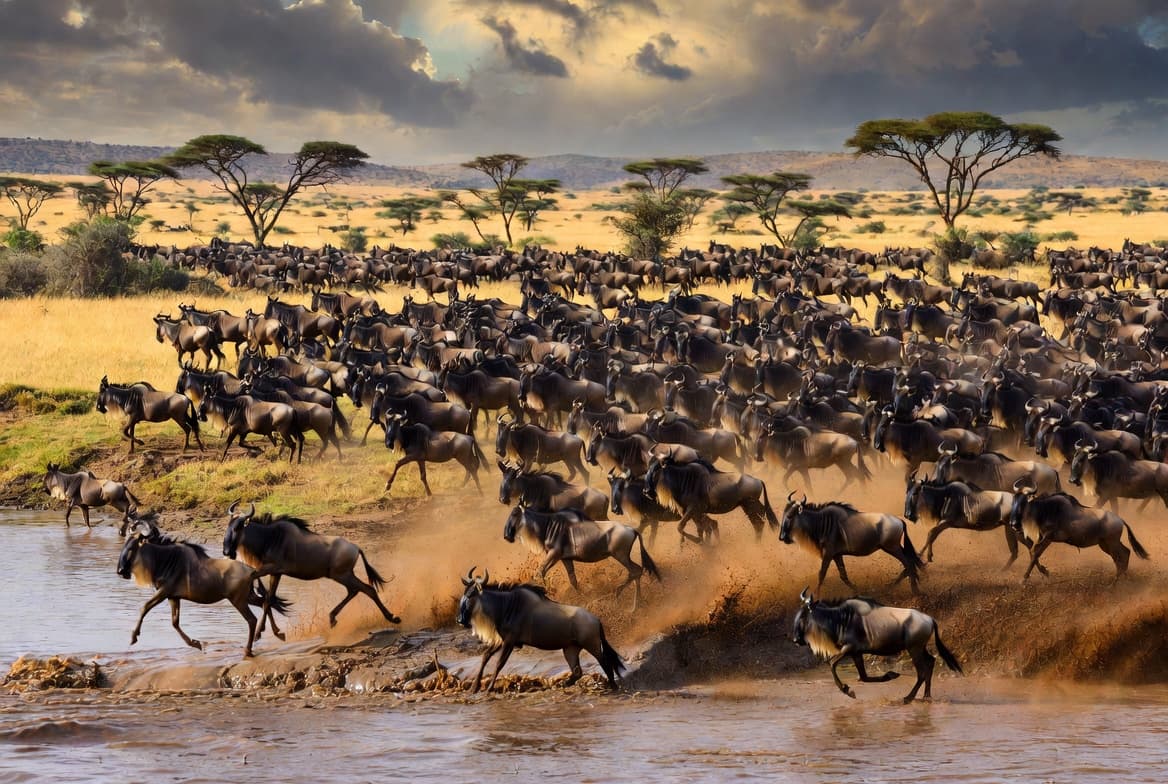
01The Great Wildebeest Migration
Kenya & Tanzania
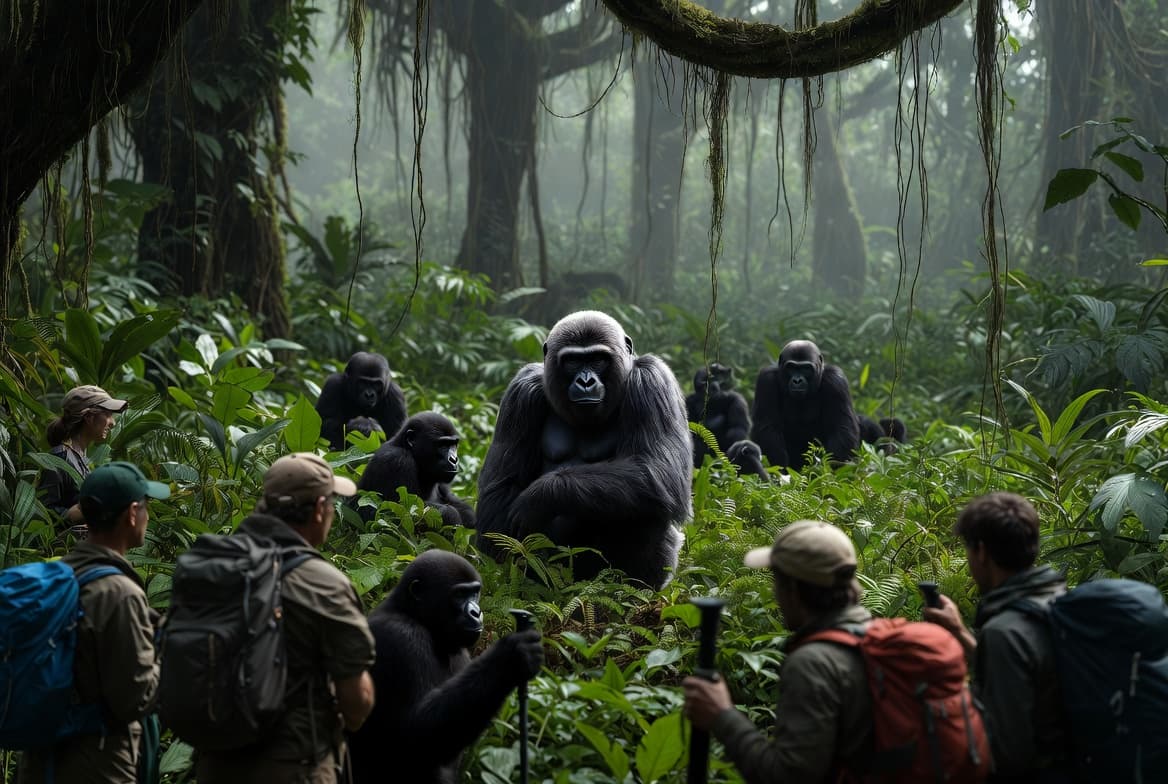
02Mountain Gorilla Trekking
Uganda & Rwanda
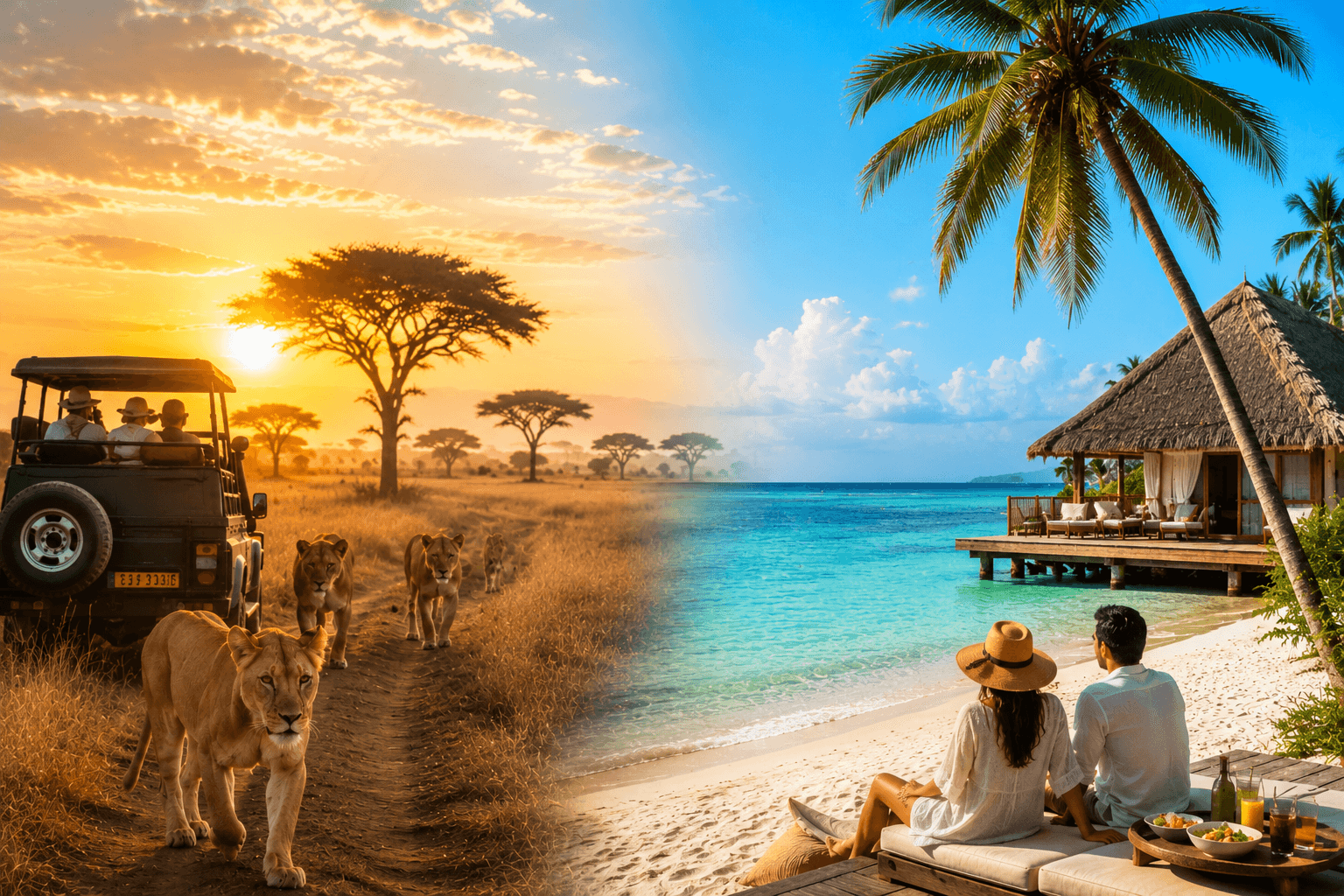
03Bush & Beach Safaris
East Africa + Indian Ocean
04Big Five Safaris
Kenya, Tanzania, Botswana
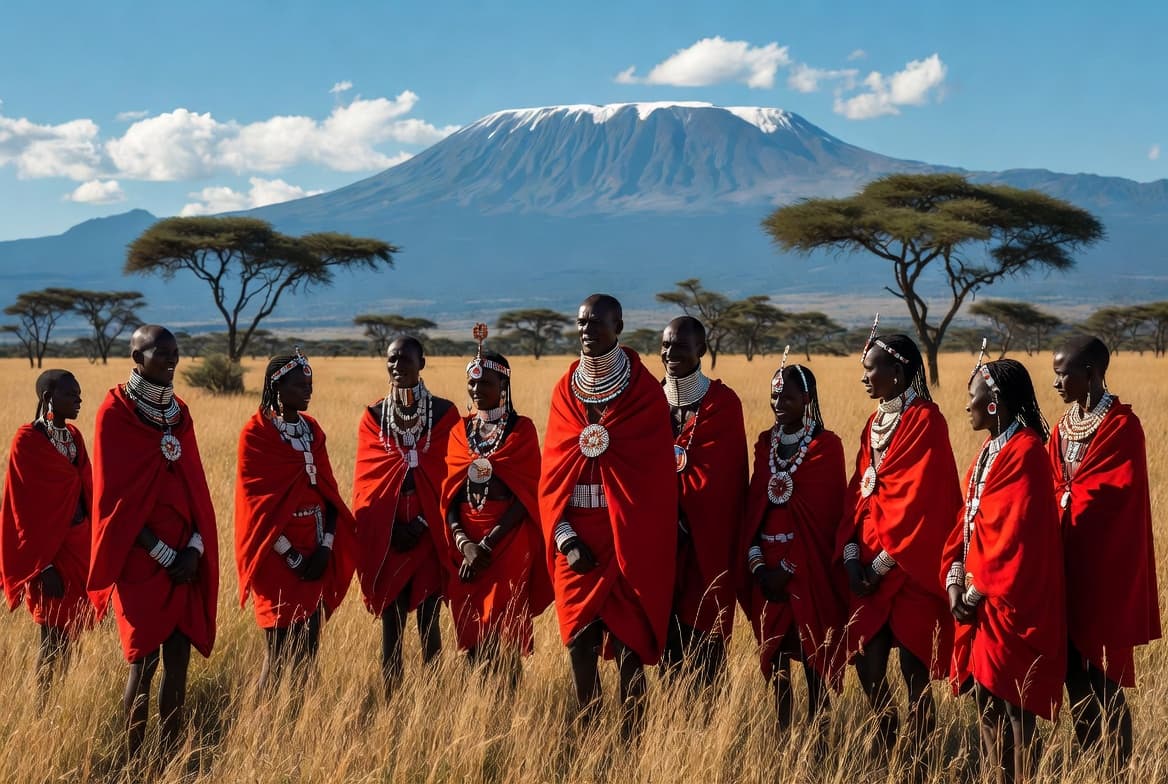
05Cultural Journeys
Kenya, Zanzibar, Rwanda
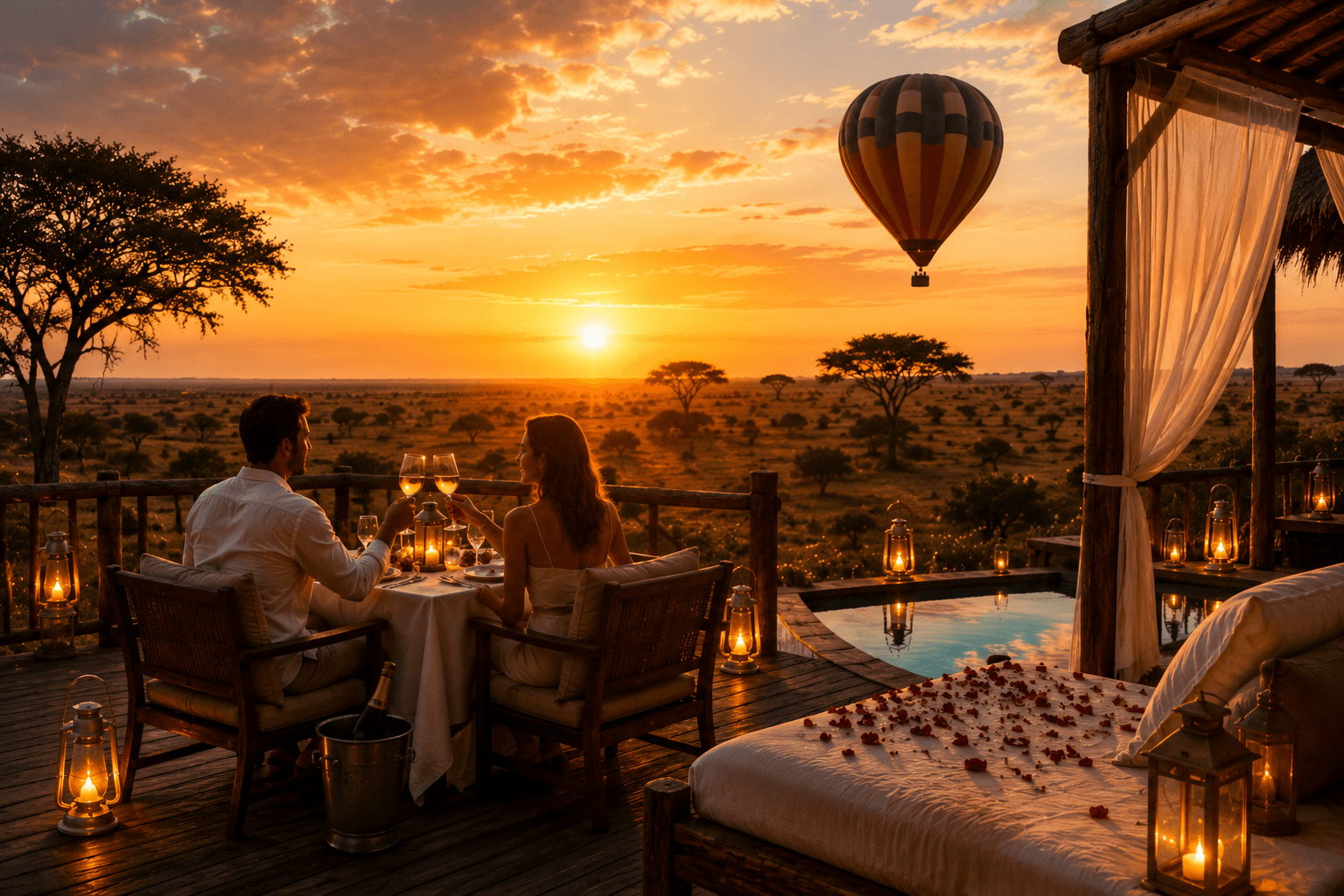
06Honeymoon Safaris
Kenya, Tanzania, Seychelles
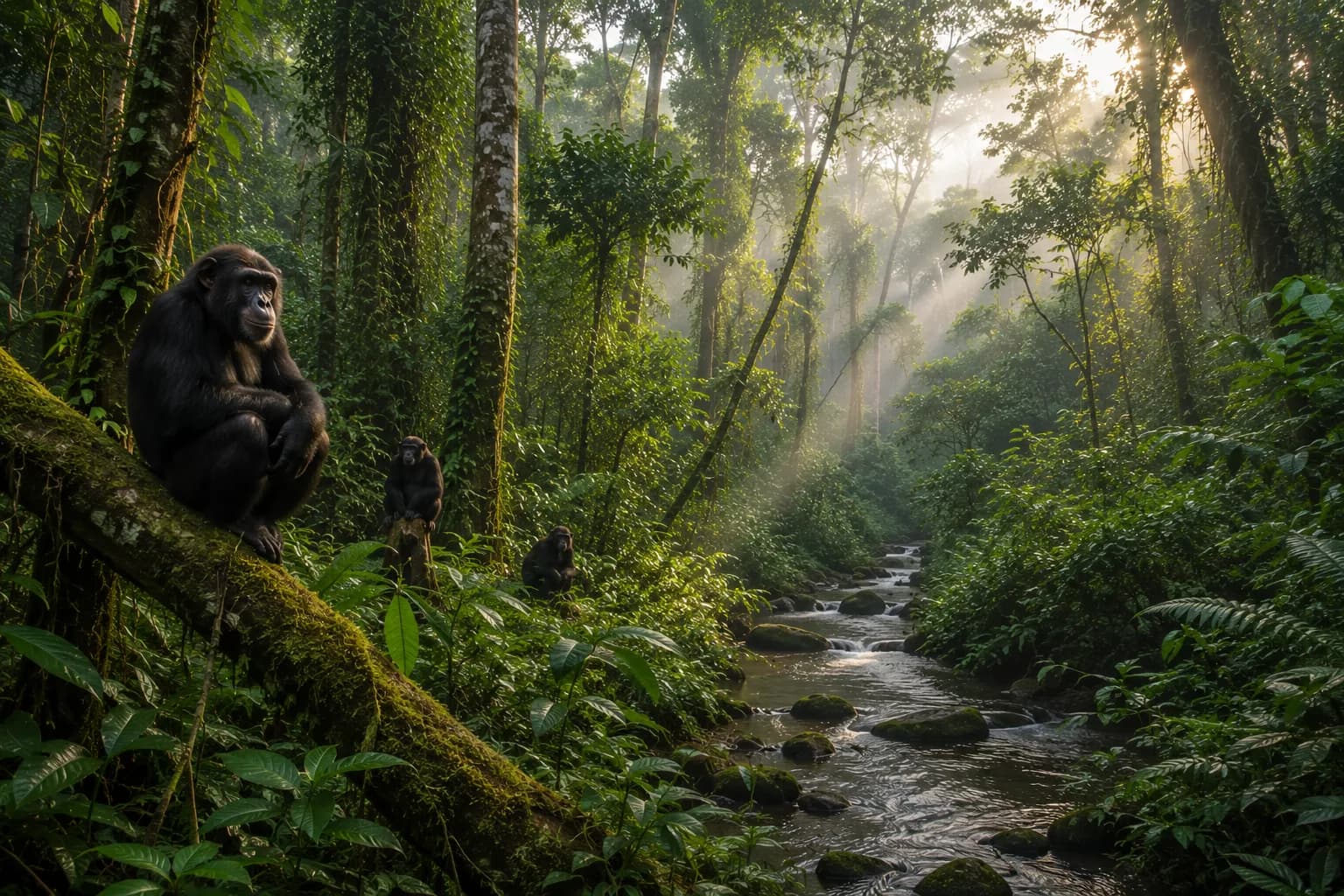
07Chimpanzee Tracking
Uganda & Rwanda
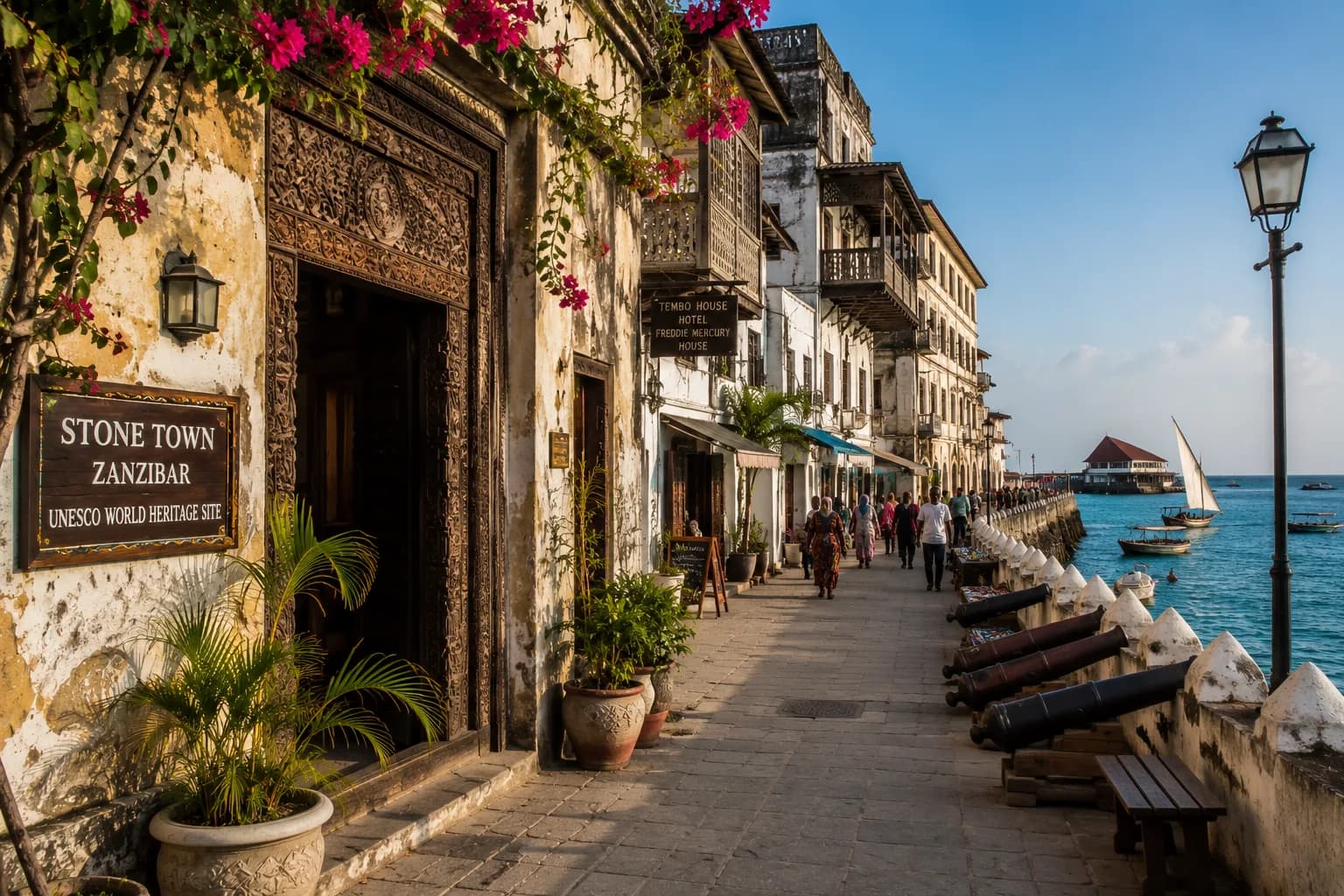
08Swahili Coast City Tours
Zanzibar, Lamu, Mombasa
09Family Safaris
Kenya, Tanzania, South Africa
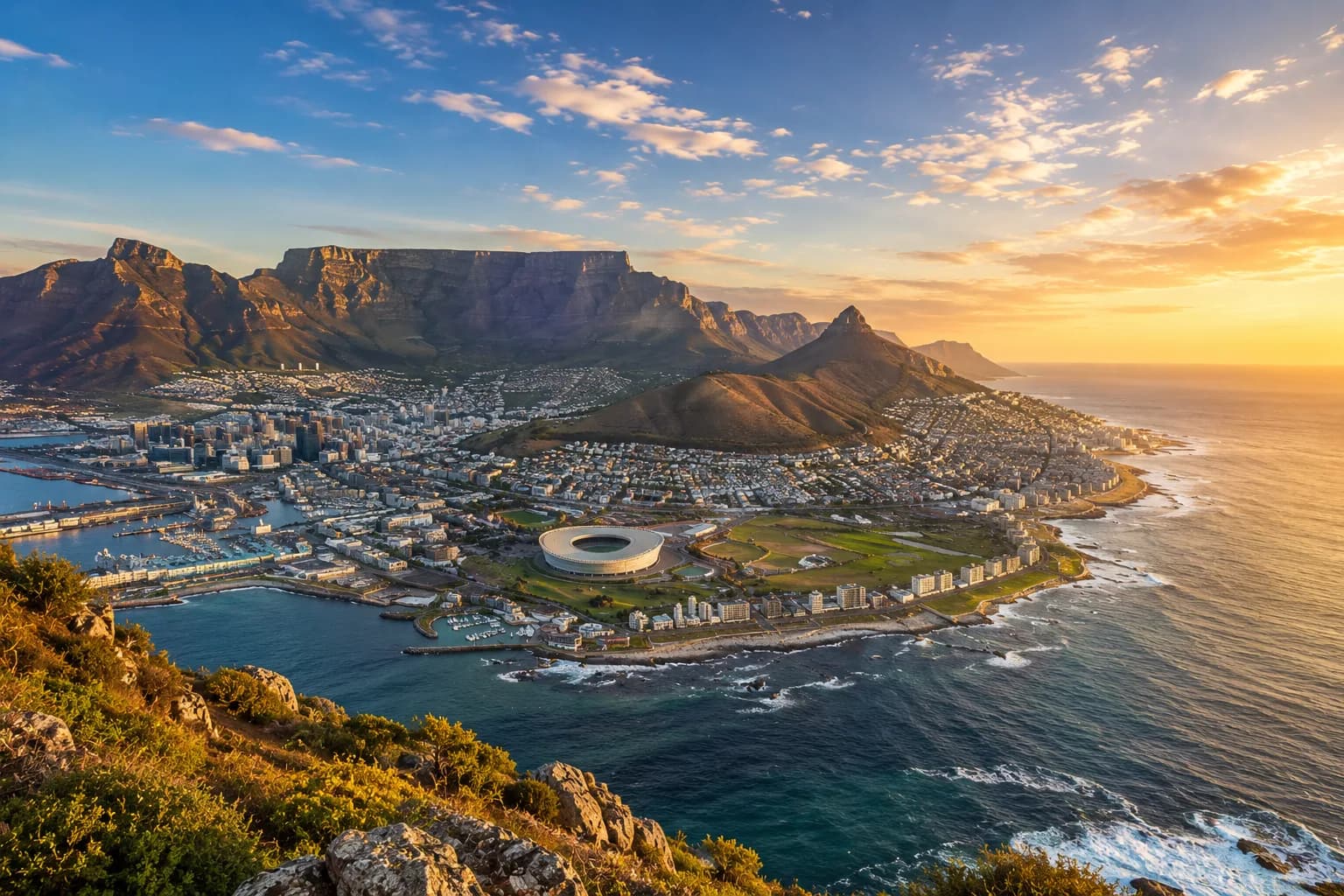
10Malaria-Free Safaris in South Africa
South Africa (North West & Eastern Cape)