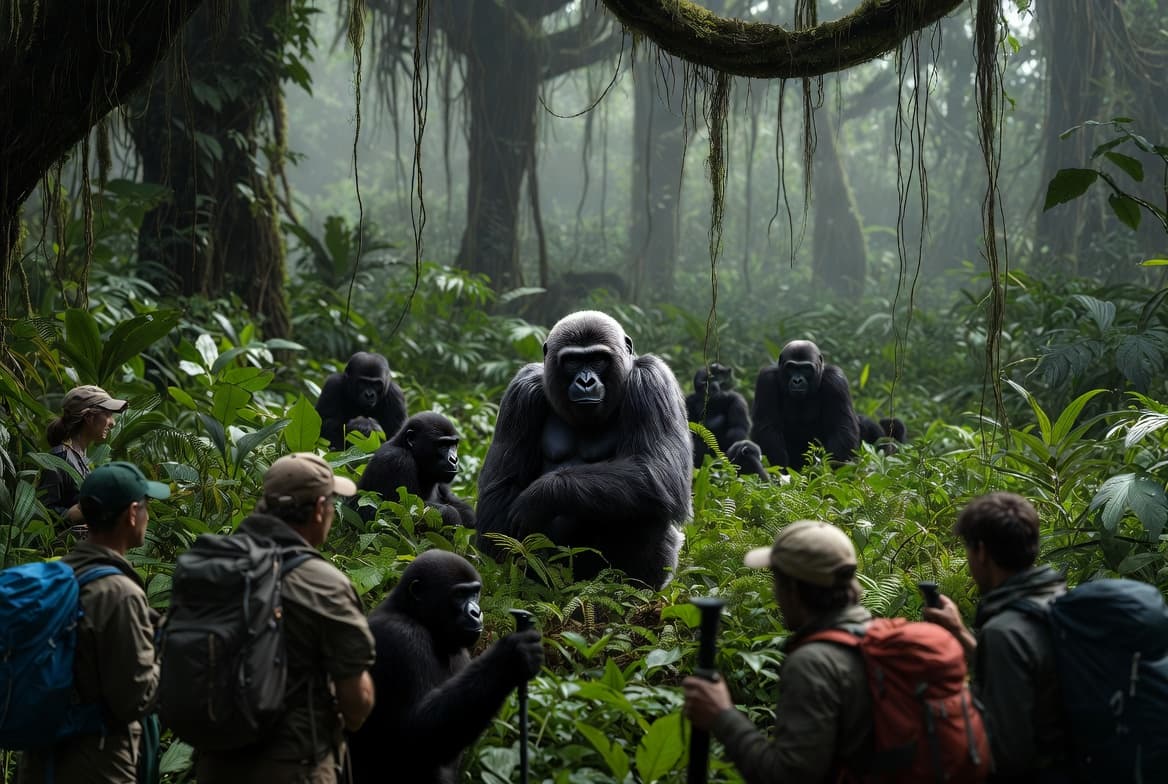
Mountain Gorilla Trekking
There are approximately 1,063 mountain gorillas left on Earth. All of them live in one of three contiguous forests straddling the borders of Uganda, Rwanda, and the Democratic Republic of Congo. Trekking to spend one hour in the presence of a wild gorilla family — making eye contact with an 180kg silverback at three metres — is described by virtually every traveller who has done it as one of the most affecting experiences of their life.
Mountain gorillas (Gorilla beringei beringei) are the largest primates on Earth and our closest relatives after chimpanzees, sharing 98.3% of human DNA. Unlike their lowland cousins, mountain gorillas cannot survive in captivity — every individual you will see is entirely wild. This makes the trekking experience categorically different from any zoo or sanctuary encounter.
Uganda's Bwindi Impenetrable National Park shelters approximately 459 mountain gorillas across 19 habituated families — the largest population of any single site. Bwindi's ancient montane rainforest is extraordinarily biodiverse: 120 mammal species, 350 bird species, and 200 species of butterfly in a UNESCO World Heritage site that has remained forested since the last Ice Age.
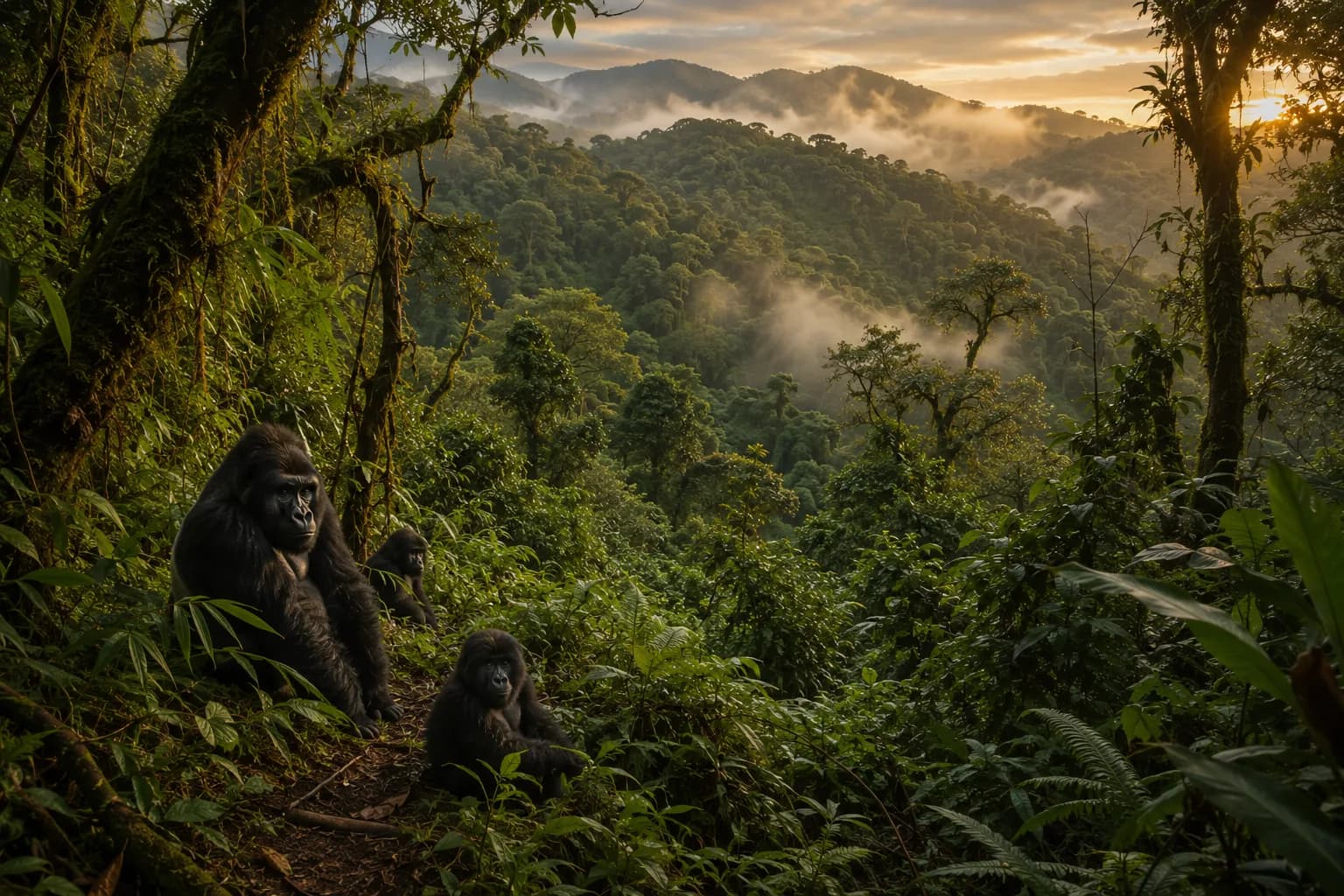
One Hour That Changes Everything — Bwindi & the VirungasBwindi Impenetrable Forest
Rwanda's Volcanoes National Park offers a different but equally remarkable experience. The Virunga volcanoes rise from 2,400m to 4,507m (Karisimbi), and the gorilla families range across bamboo forest, hagenia woodland, and high-altitude moorland. The Rwandan trekking infrastructure is the most polished in the region, with excellent lodges and very well-trained guides. Gorilla permits cost USD 1,500 per person — the highest in the region — but the experience quality and conservation impact are exceptional.
Gorilla trekking permits are strictly limited to eight people per family group per day. We book permits 3–6 months in advance and design complete itineraries around your permit dates — combining gorilla trekking with chimpanzee tracking in Kibale (Uganda), golden monkey tracking in the Virungas (Rwanda), or classic Kenya safari before or after.
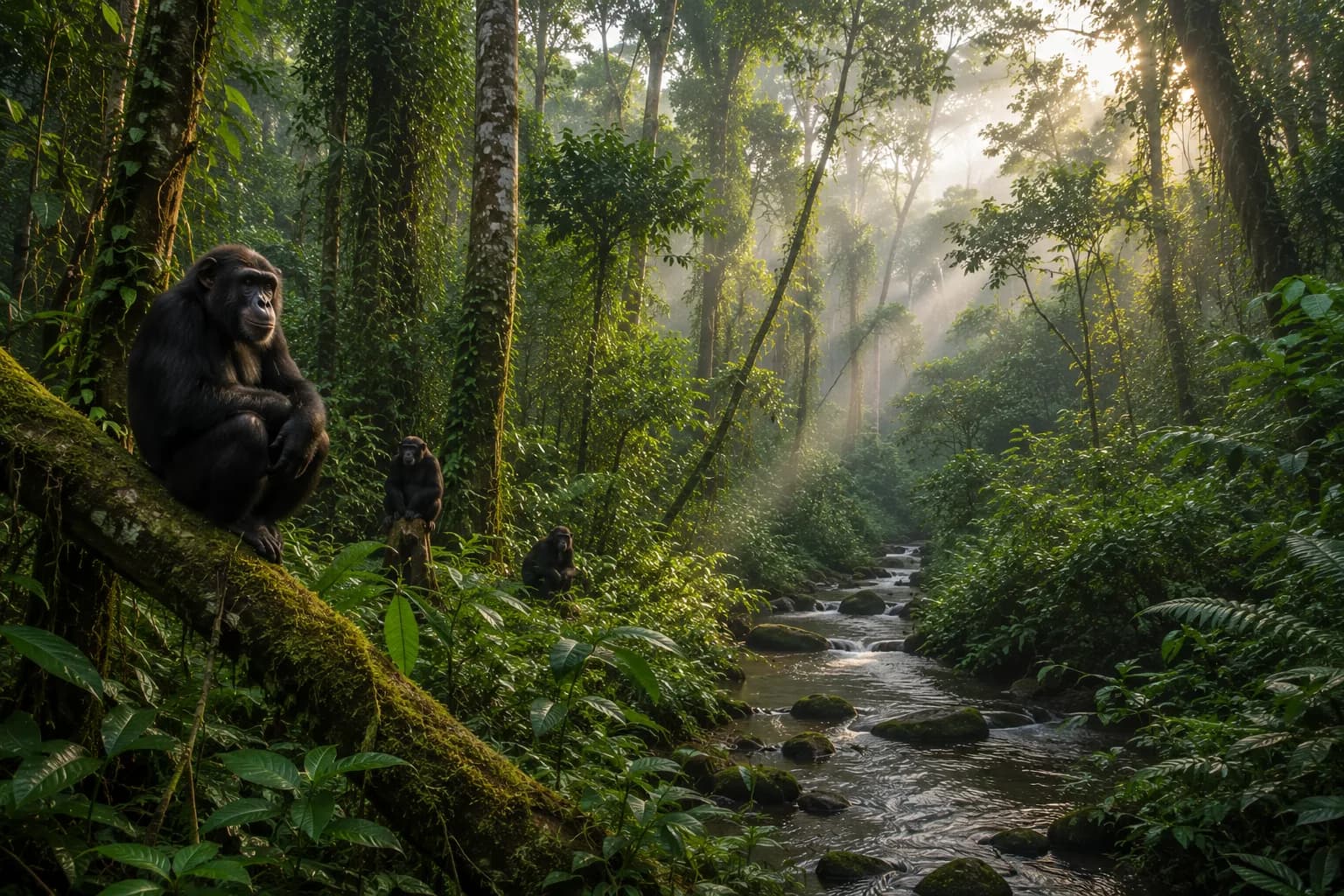
Uganda vs Rwanda — head to head
| Uganda | Rwanda | |
|---|---|---|
| Standard permit (nonresident) | USD 800 | USD 1,500 |
| Terrain | Dense, steep rainforest — more demanding | Bamboo & volcanic slopes — generally easier going |
| Access from capital | ~8–10 hrs drive from Entebbe, or fly-in | ~2.5 hrs drive from Kigali |
| Trekking areas | Bwindi (4 sectors) + Mgahinga | Volcanoes National Park only |
| Best for | Value, a longer wilderness trek, wider activity mix | Speed, comfort, and shorter trips |
Highlights
- One habituated gorilla family visited per trek — maximum 8 permits per family per day
- Bwindi Impenetrable Forest, Uganda — 459 gorillas; 19 habituated families; 4 trekking sectors
- Volcanoes National Park, Rwanda — most polished infrastructure; USD 1,500 permits
- Uganda gorilla habituation permit (USD 1,500) — up to 4 hours with a family still being habituated
- One hour maximum with the gorillas — enforced to protect the animals from human-borne disease
- Combine with chimpanzee tracking in Kibale (Uganda) or golden monkey tracking (Rwanda/Uganda)
Frequently Asked Questions
Uganda or Rwanda — which is better for gorilla trekking?
+
Both put you face to face with the same wild gorillas, so it comes down to priorities. Rwanda is faster and more polished — a two-and-a-half-hour drive from Kigali into gentler terrain — at roughly double the permit cost. Uganda is better value, with a wilder, more physically demanding trek through Bwindi's ancient forest. See the comparison above.
How much does a gorilla trekking permit cost?
+
As of 2026, a standard permit costs USD 800 in Uganda and USD 1,500 in Rwanda, covering park entry, rangers, trackers, and one hour with the gorillas. Uganda also offers a gorilla habituation permit (USD 1,500) for up to four hours with a family still being habituated. Permits sell out months ahead in peak season, so we book them as early as possible.
How physically demanding is gorilla trekking?
+
It varies day to day, since you follow wherever the gorillas moved overnight — treks can last from thirty minutes to several hours. Bwindi's forest is denser and steeper; Rwanda's Volcanoes National Park is generally more open, with altitude rather than terrain as the main challenge. A reasonable level of fitness is enough for most travellers, and porters are available in both countries.
What is the minimum age for gorilla trekking?
+
Fifteen years old, in both Uganda and Rwanda. There is no upper age limit — what matters most is a reasonable level of fitness for a forest hike at altitude.
Plan This Experience
Other Experiences
01The Great Wildebeest Migration
Kenya & Tanzania
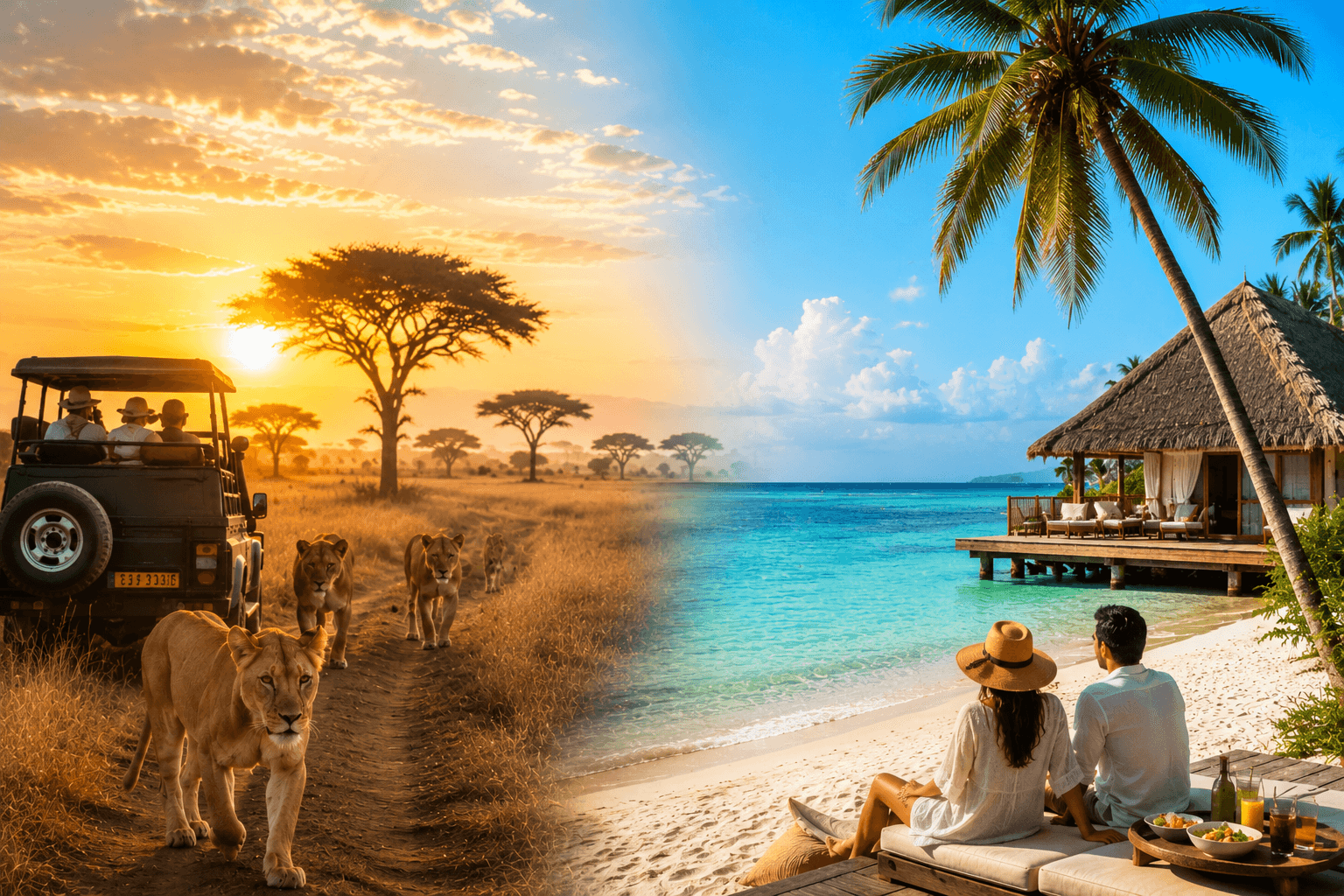
02Bush to Beach
East Africa + Indian Ocean
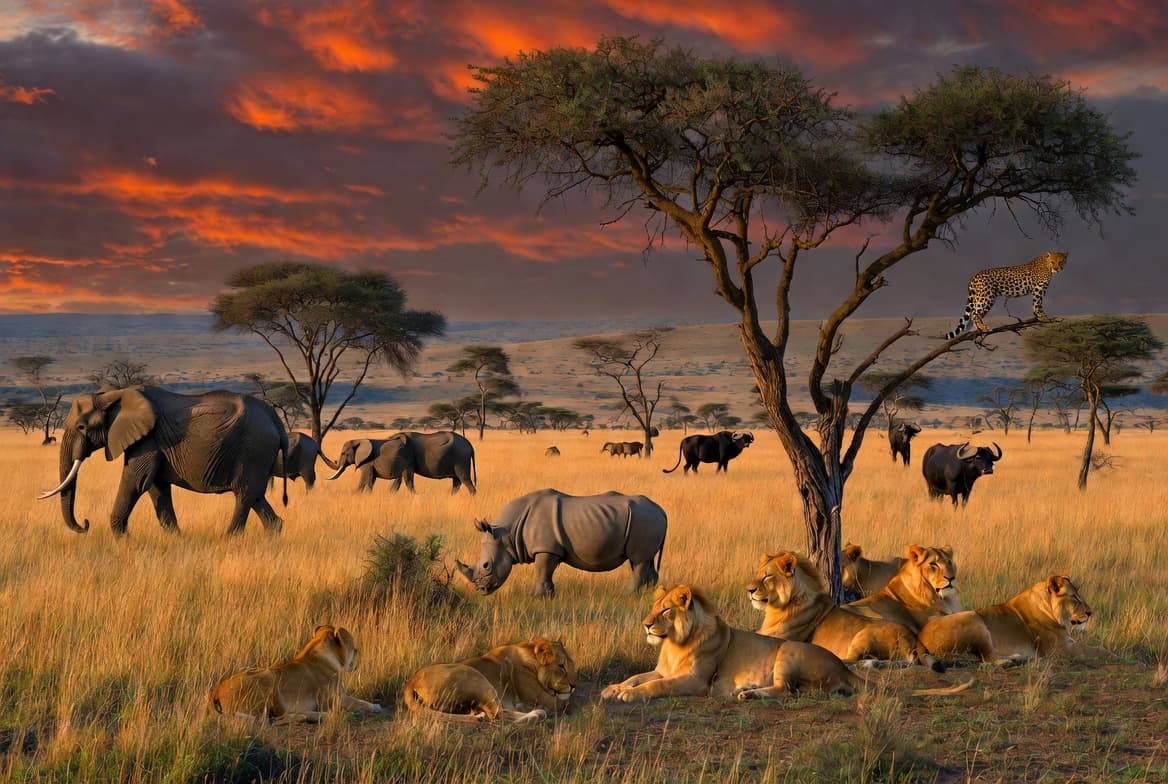
03Big Five Safaris
Kenya, Tanzania, Botswana
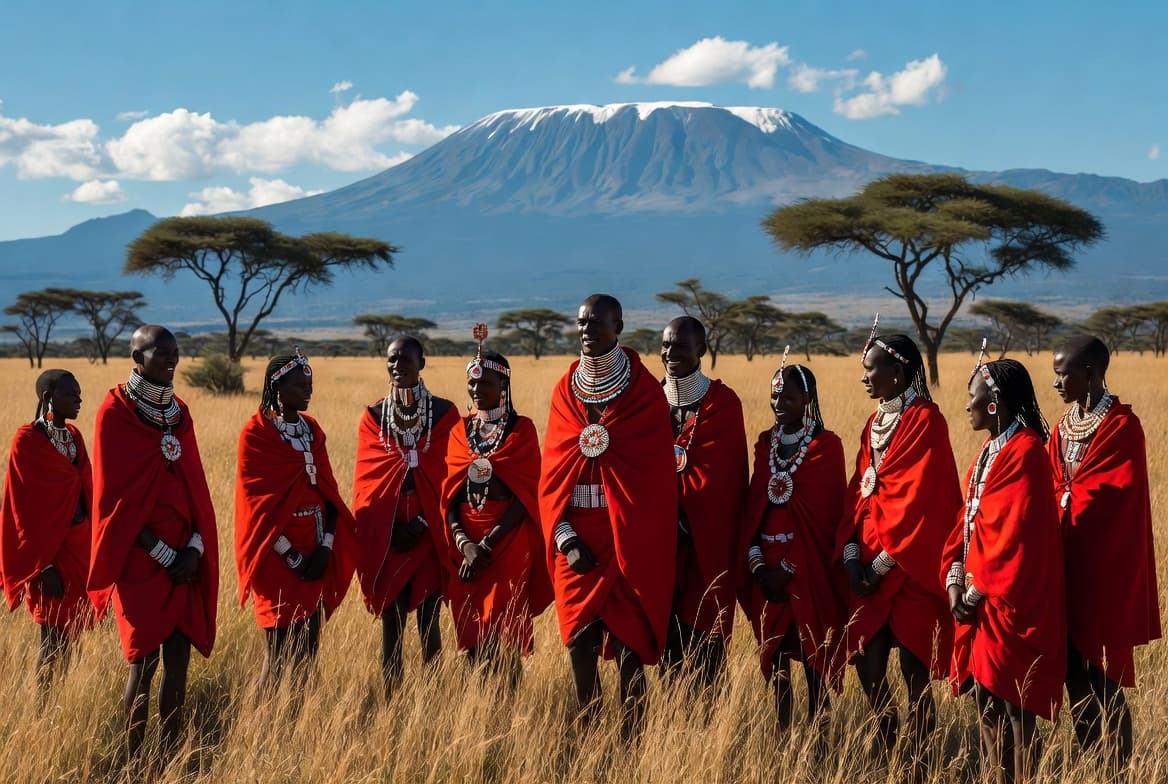
04Cultural Journeys
Kenya, Zanzibar, Rwanda
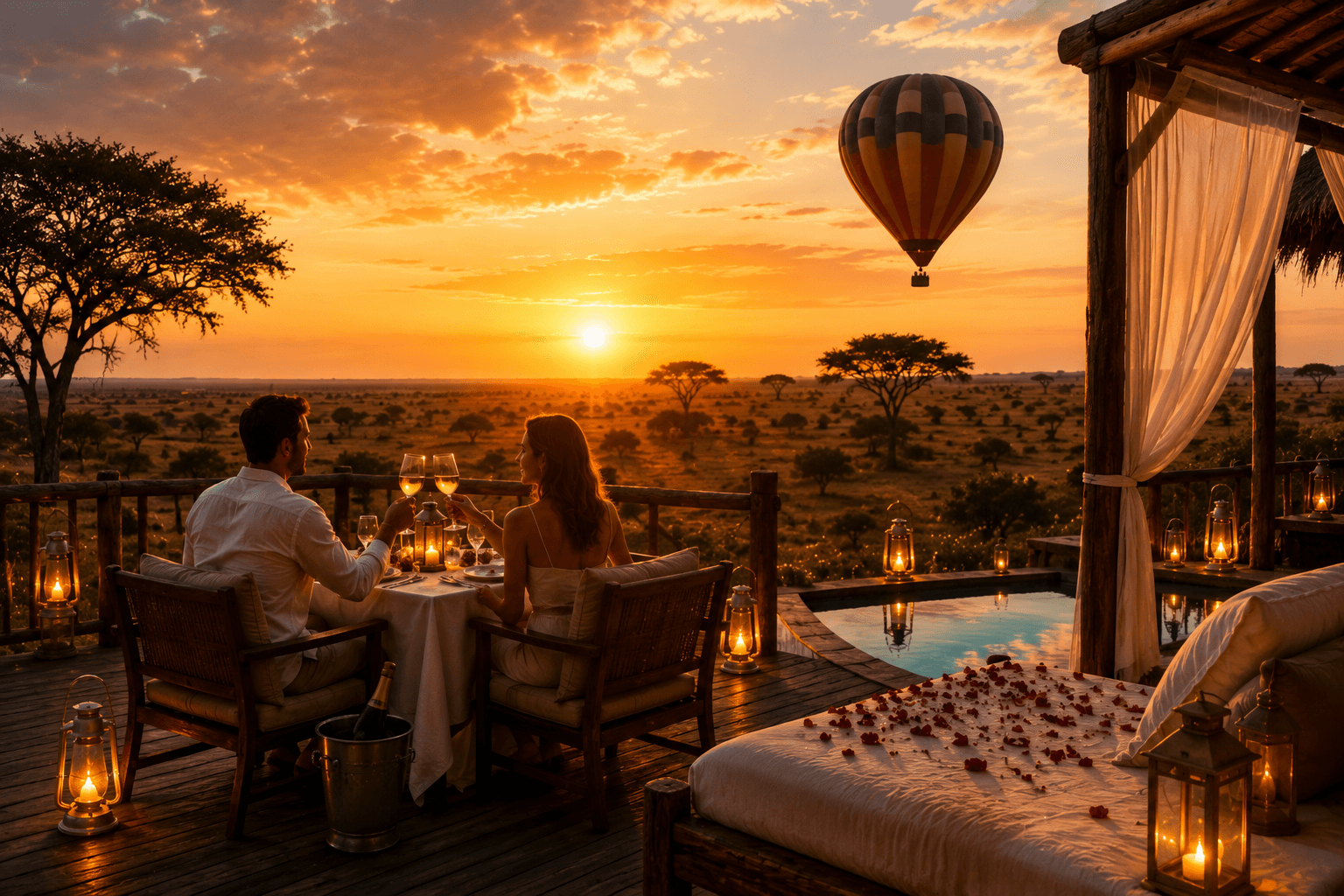
05Honeymoon Safaris
Kenya, Tanzania, Seychelles
06Chimpanzee Tracking
Uganda & Rwanda
07Night Game Drives
Kenya, Tanzania, Laikipia
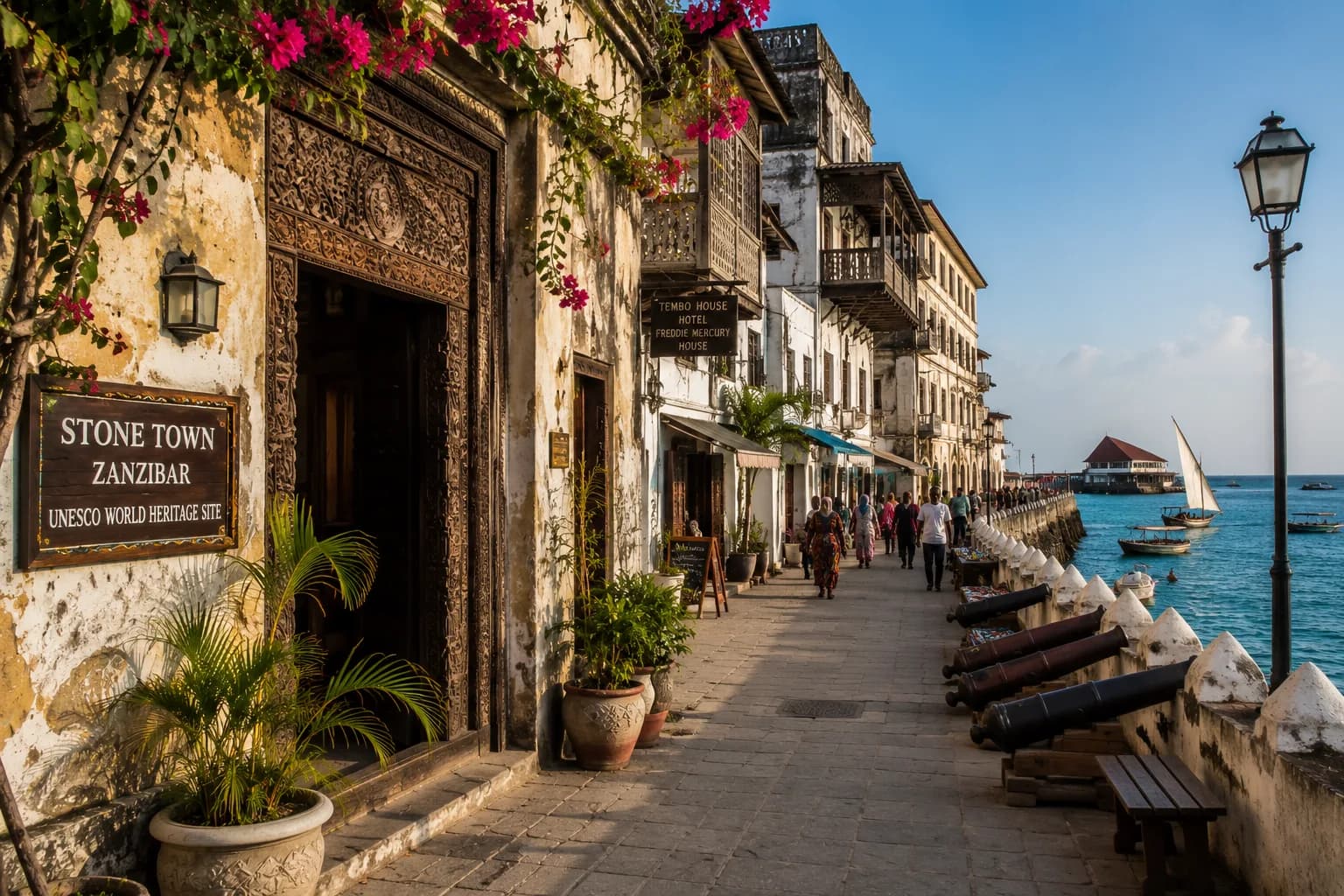
08Swahili Coast City Tours
Zanzibar, Lamu, Mombasa
09Family Safaris
Kenya, Tanzania, South Africa
10Malaria-Free Safaris
South Africa (Western & Eastern Cape)