Cultural Journeys
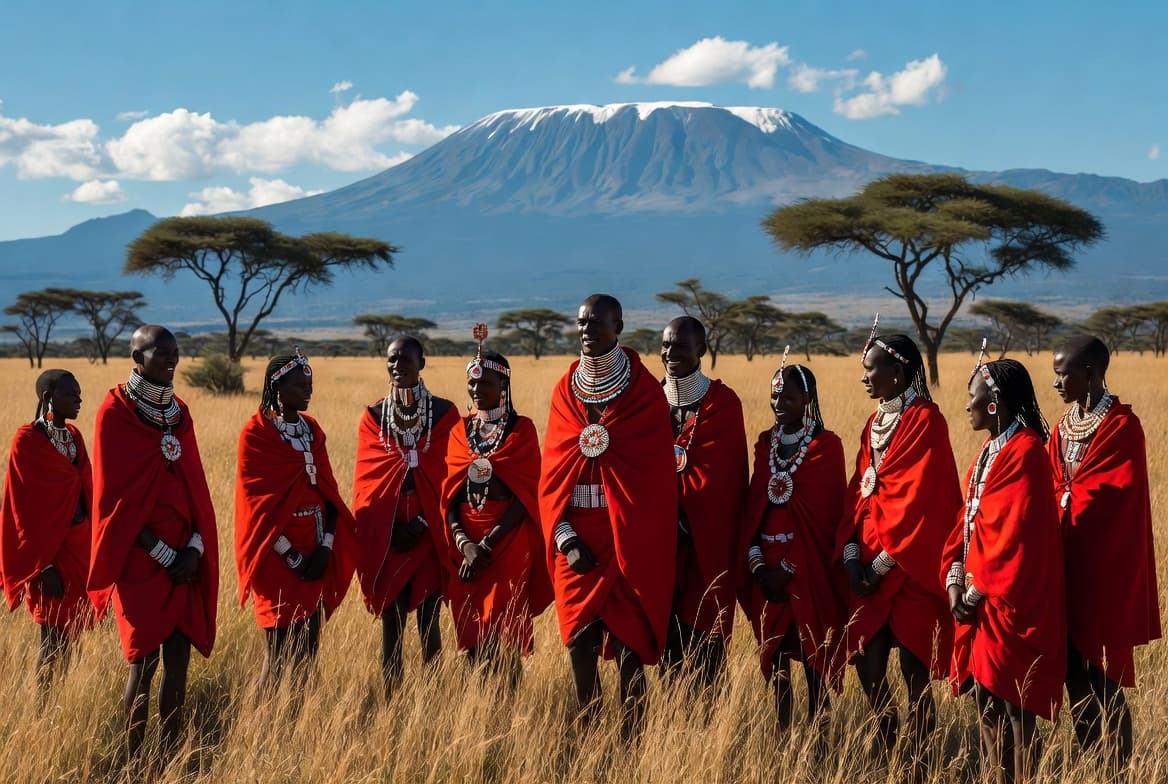
East Africa's wildlife is extraordinary. But the cultural landscape — the Maasai warriors who have co-existed with lions on the same land for centuries, the Swahili coast's 700-year trading civilisation, the Samburu of northern Kenya, Rwanda's healing and transformation, the ancient kingdoms of Uganda — is equally extraordinary and far less explored. Our cultural journeys are designed around genuine engagement: led by community members, paid fairly, and never performative.
Maasai cultural visits are among East Africa's most requested experiences — and among the most frequently done badly. A 20-minute 'village visit' attached to the end of a game drive, where warriors dance briefly for a tip before tourists board their vehicles, achieves nothing of value for either party. Our Maasai visits are designed with the communities themselves: two to three hours minimum, led by a resident elder or warrior, covering the manyatta's social structure, the role of cattle in Maasai economy and cosmology, medicinal plant knowledge, and the coming-of-age ceremonies that define Maasai identity. We pay a flat community fee that funds the village's health and education fund directly — no haggling, no ambiguity.
The Swahili coast is one of the most under-visited cultural landscapes in Africa. Stone Town, Zanzibar — a UNESCO World Heritage Site — preserves 700 years of Arab, Persian, Indian, Portuguese, and British layering in a single medina of narrow alleys, carved Omani doors, and rooftop restaurants over the harbour. Lamu, further north on the Kenya coast, is even more intact and less visited: donkeys outnumber cars, the pace of life follows the tides, and 14th-century coral-stone houses are still inhabited. Our Swahili coast walks are guided by local historians, not hotel concierges.
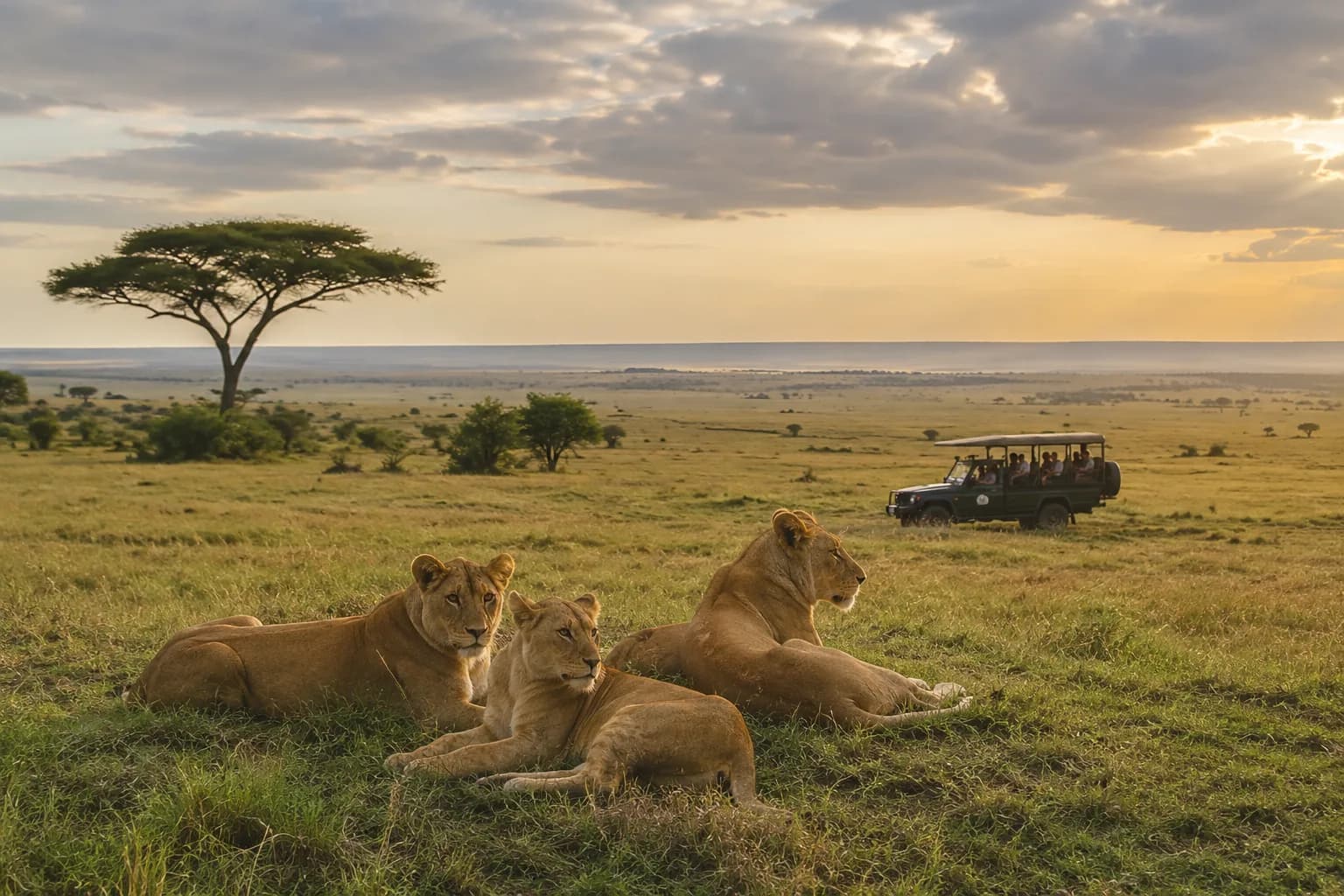
East Africa Beyond the Wildlife — Community, History & Living TraditionMasai Mara National Reserve
Rwanda offers one of the world's most profound cultural tourism experiences: the Kigali Genocide Memorial and its associated historical programme. Rwanda lost approximately 800,000 people — roughly 75% of the Tutsi population — in 100 days in 1994. The country's recovery and transformation in the 30 years since is one of the most remarkable stories in modern African history. We work with Rwandan guides who experienced the genocide and its aftermath personally, and who choose to share their stories with visitors as part of Rwanda's official reconciliation and healing process.
Uganda's cultural depth is exceptional for such a small country: the Buganda Kingdom (the largest of Uganda's traditional kingdoms, with a 700-year-old monarchy still active today), the Batwa pygmy communities of the Bwindi forest (who lived inside the forest for 50,000 years before its gazettement as a national park), and the Karamojong pastoralists of the northeast. We connect guests with community-led programmes that provide real income and genuine exchange rather than performance.
Highlights
- Maasai village visits — 2–3hrs, led by elders; community fee paid directly to village fund
- Stone Town, Zanzibar — guided medina walks with local historians, not hotel staff
- Lamu Archipelago — Kenya's most intact Swahili culture; UNESCO World Heritage
- Kigali Genocide Memorial + survivor guides — Rwanda's most important cultural experience
- Samburu warrior conversations — northern Kenya; different culture and language from Maasai
- Batwa community programme, Bwindi — forest people sharing knowledge of their ancestral forest
Frequently Asked Questions
Is visiting a Maasai village actually ethical?
+
It can be, but not every visit is equal. A twenty-minute drive-by stop with a dance performed for tips does little for anyone. A visit that's community-led, runs two to three hours, and pays a transparent, direct fee to the village's health and education fund is a genuinely different experience — and it's the only kind we arrange.
How do I know the community actually benefits?
+
Ask your operator directly how much of the fee goes to the village and who receives it. We pay a flat community fee straight to the village fund, with no haggling and no intermediary taking a cut — and we're happy to explain exactly how that works before you book.
What should I wear and how should I behave?
+
Modest, neutral clothing is appropriate — long trousers or skirts and covered shoulders. Always ask before photographing anyone individually, even if your guide has given general permission for the visit, and expect an unhurried, conversational pace rather than a checklist of photo stops.
Is the Kigali Genocide Memorial appropriate to include on a safari trip?
+
Yes, and many travellers find it one of the most meaningful stops of their entire trip. It's handled with great care, often by guides who lived through the genocide themselves, and it adds real depth to a Rwanda itinerary alongside gorilla trekking.
Plan This Experience
Other Experiences
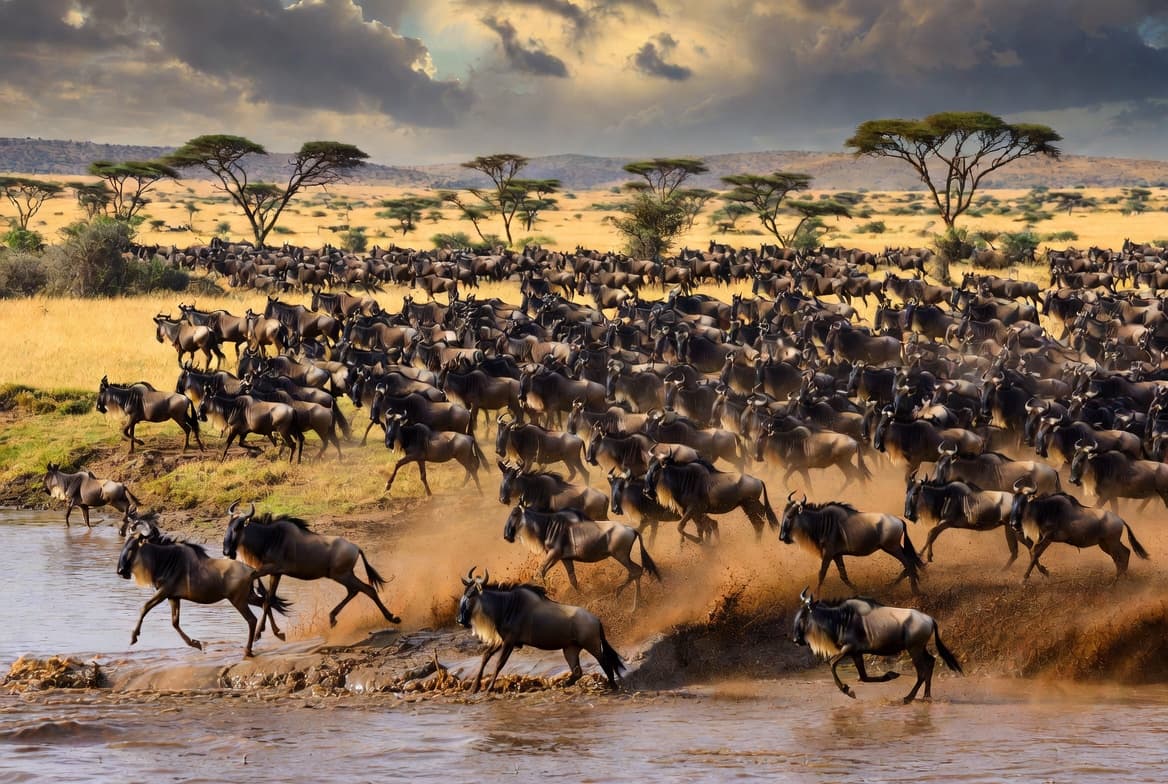
01The Great Wildebeest Migration
Kenya & Tanzania
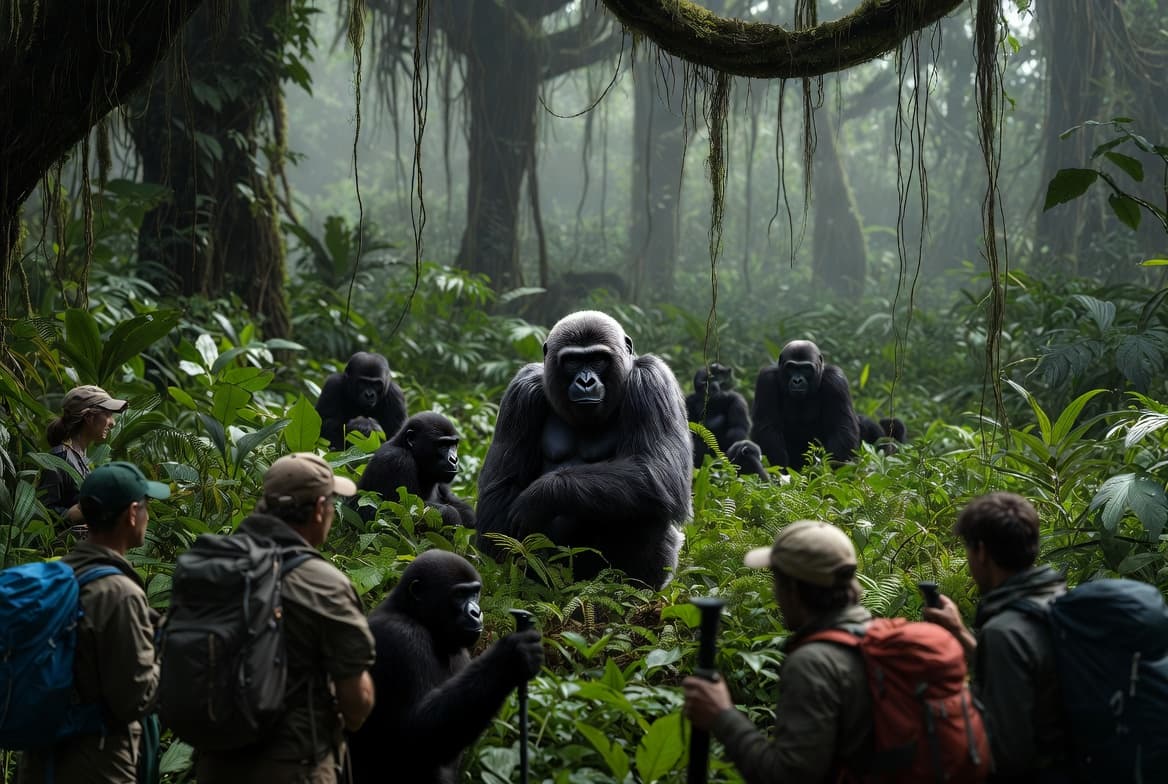
02Mountain Gorilla Trekking
Uganda & Rwanda
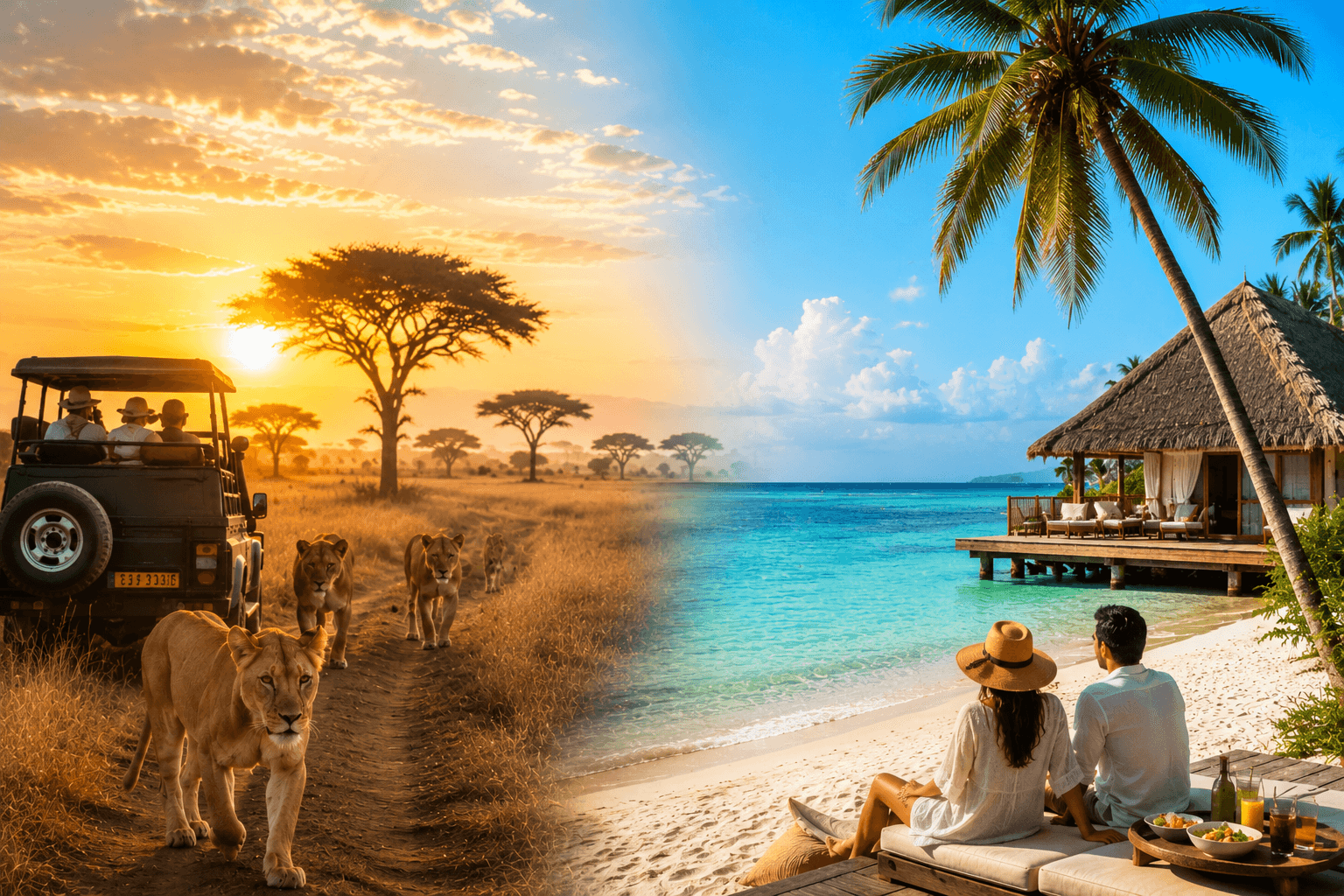
03Bush to Beach
East Africa + Indian Ocean
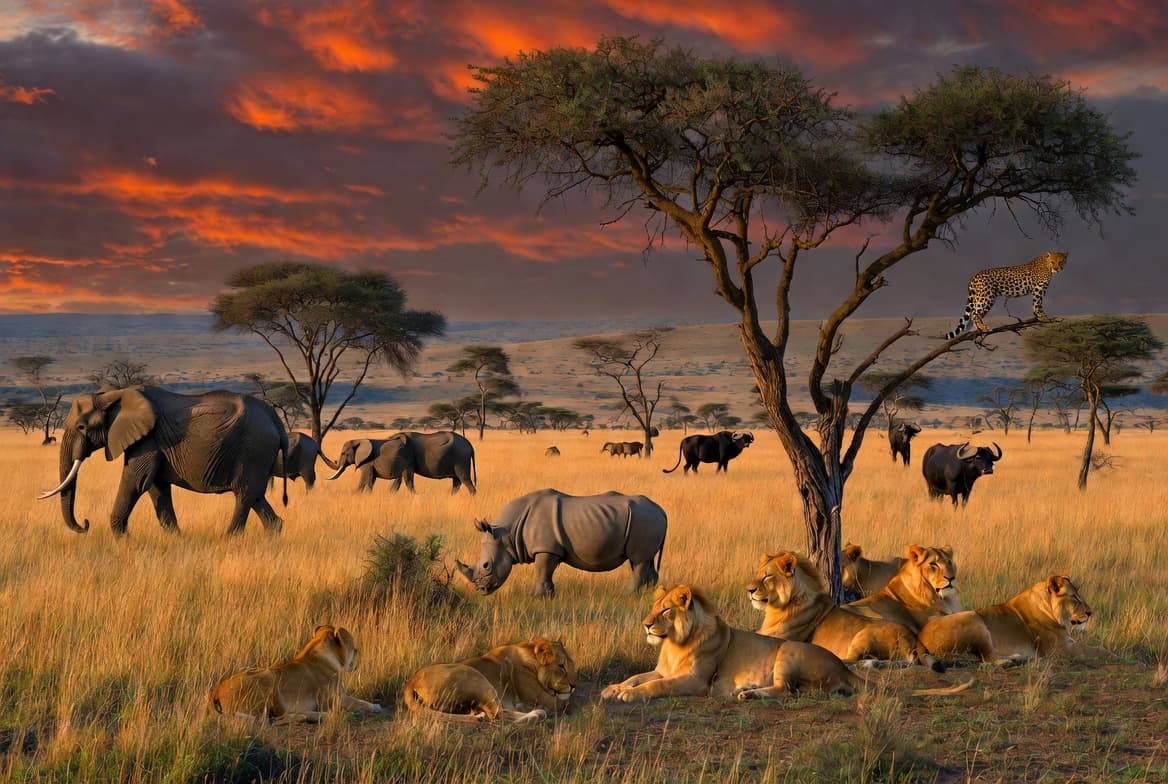
04Big Five Safaris
Kenya, Tanzania, Botswana
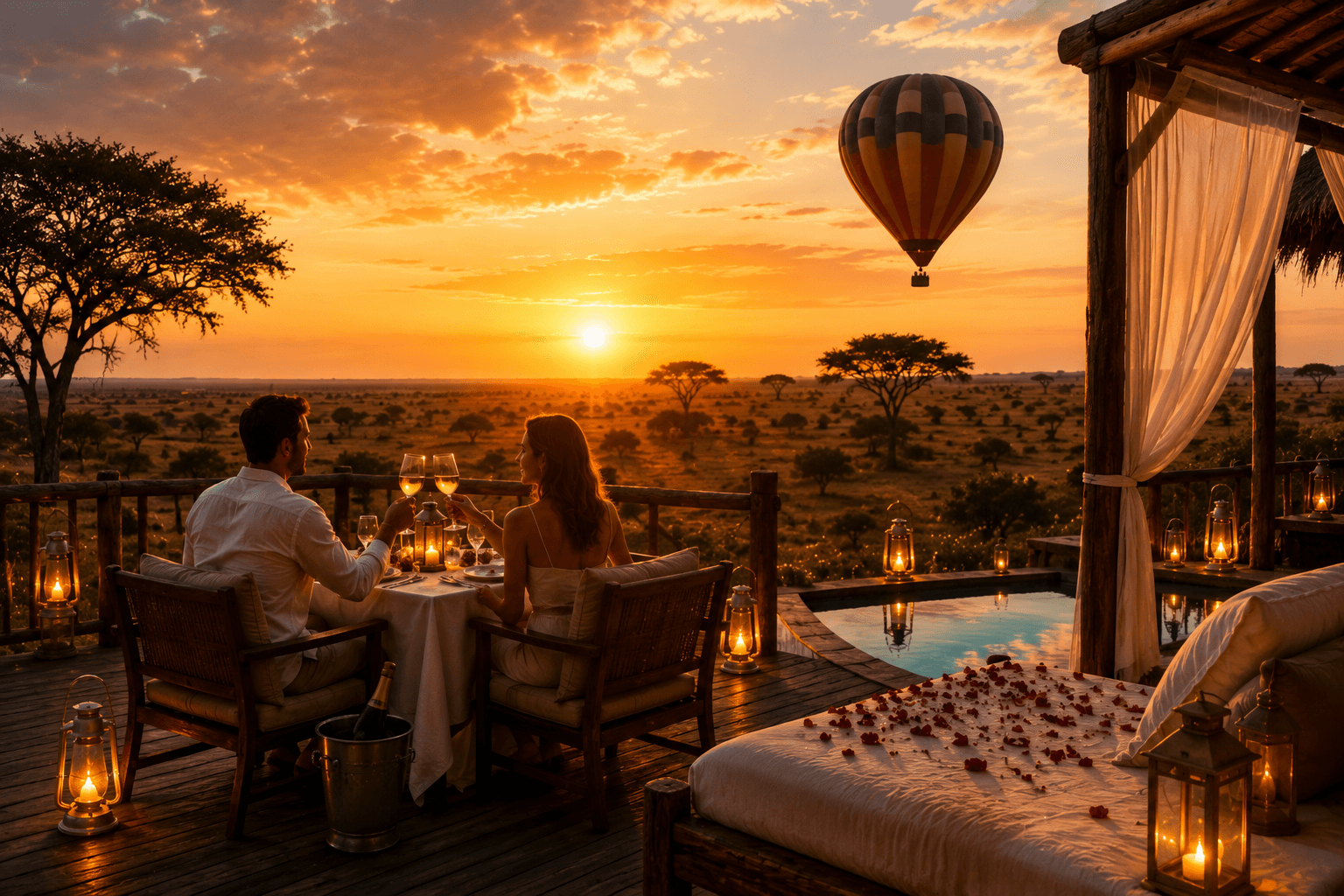
05Honeymoon Safaris
Kenya, Tanzania, Seychelles
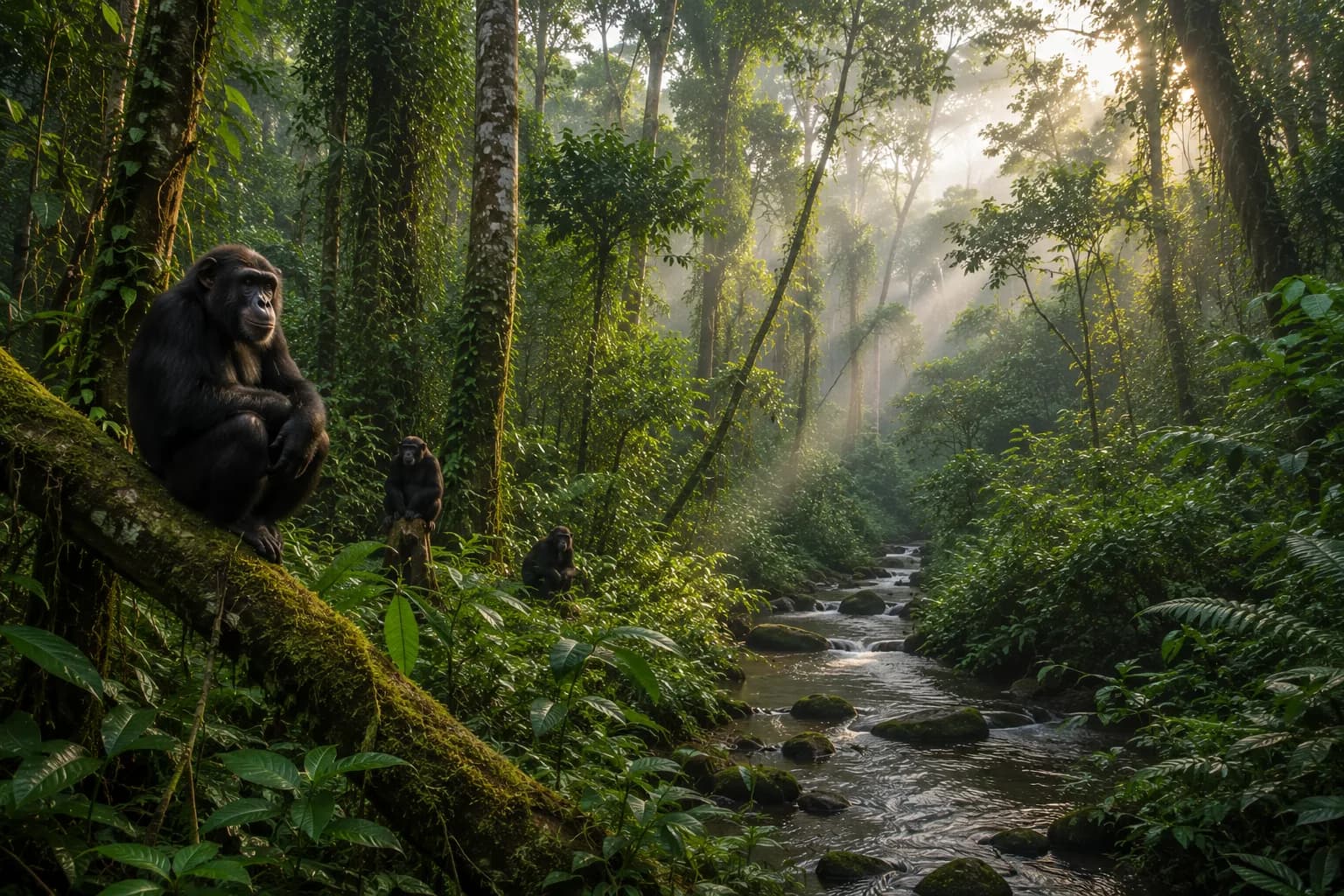
06Chimpanzee Tracking
Uganda & Rwanda
07Night Game Drives
Kenya, Tanzania, Laikipia
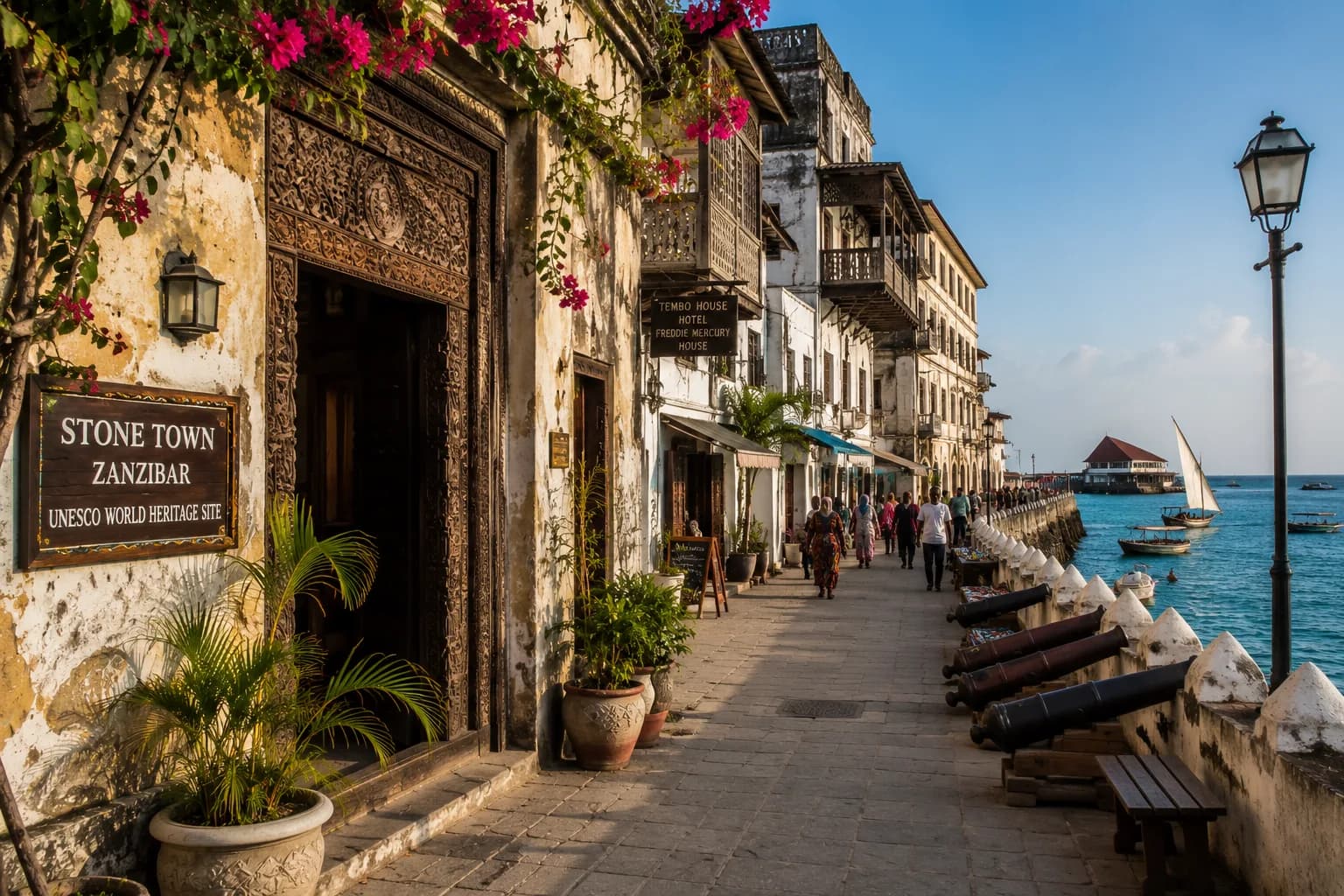
08Swahili Coast City Tours
Zanzibar, Lamu, Mombasa
09Family Safaris
Kenya, Tanzania, South Africa
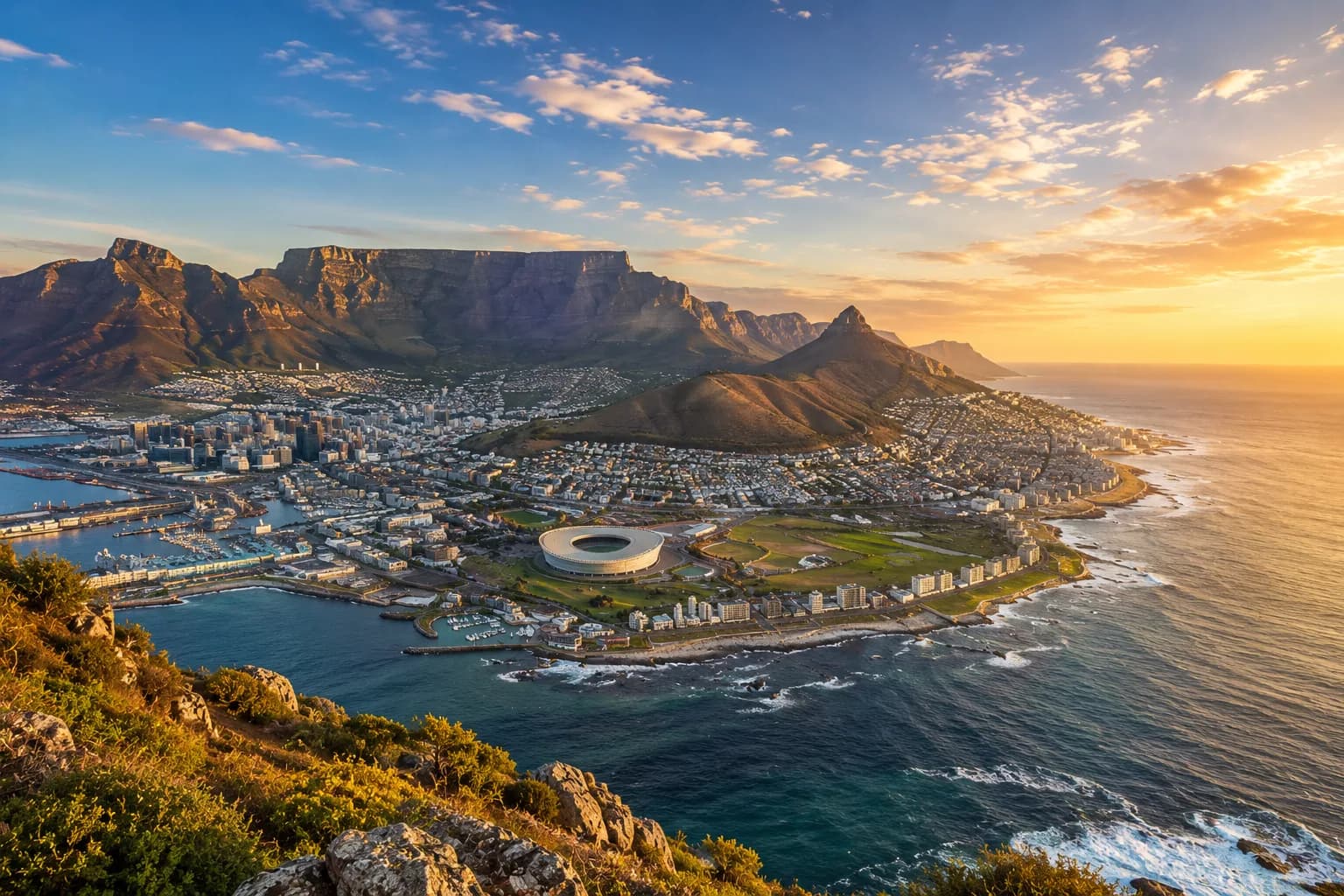
10Malaria-Free Safaris
South Africa (Western & Eastern Cape)