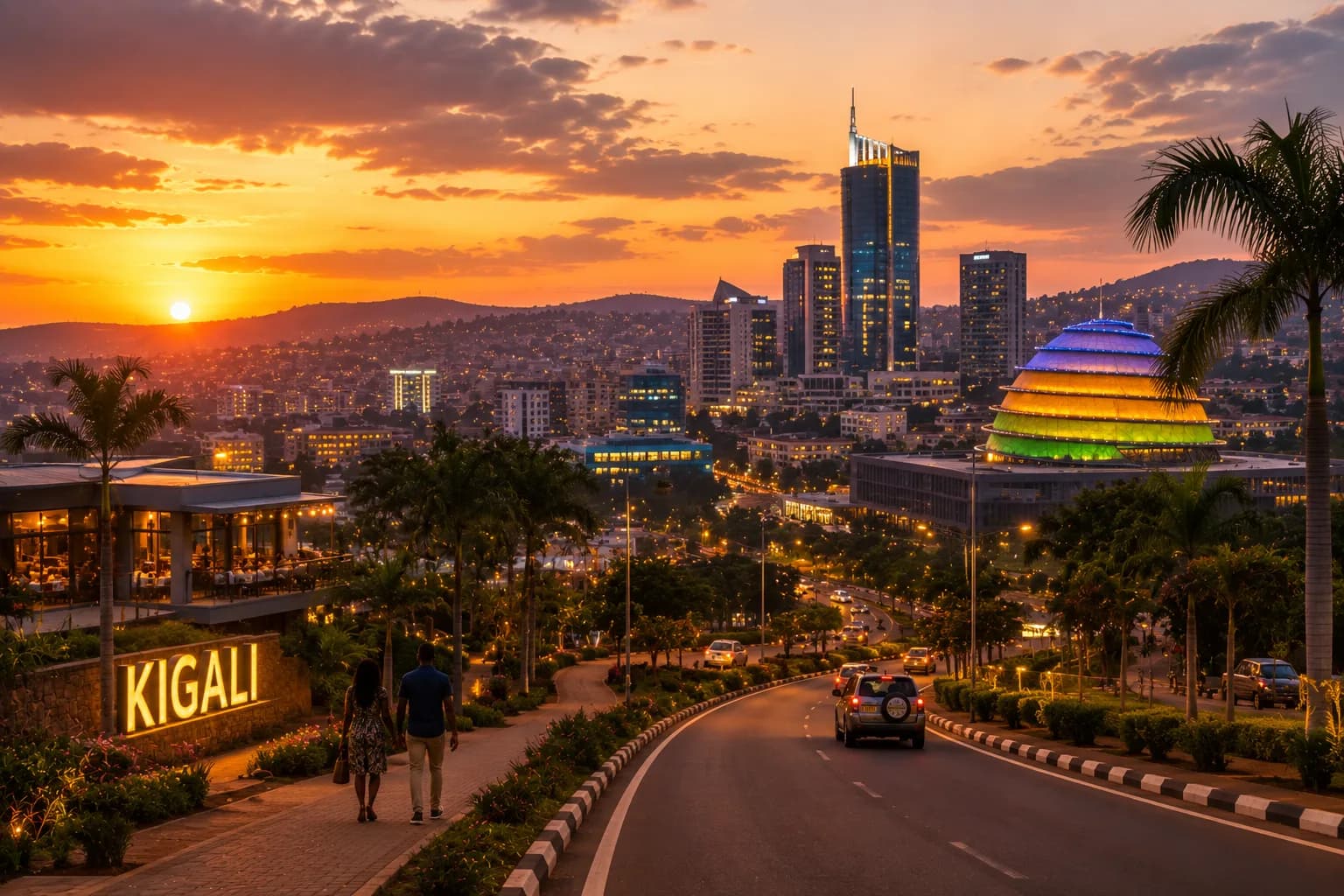
Kigali
Kigali is widely regarded as East Africa's cleanest, safest, and most orderly capital city — a reputation built deliberately over the thirty years since the 1994 genocide, through policies ranging from a nationwide single-use-plastic ban to a monthly community clean-up day (Umuganda) observed by residents and government officials alike. For most visitors, it's both a gateway to gorilla trekking and a profound historical stop in its own right.
The Kigali Genocide Memorial, in the Gisozi neighbourhood, is the country's most visited and most important site. It serves as the final resting place for over 250,000 genocide victims and presents a detailed, carefully curated history of the 1994 genocide against the Tutsi, in which an estimated 800,000 people — roughly 75% of Rwanda's Tutsi population — were killed in approximately 100 days. The memorial is handled with evident care, and most visitors spend two to three unhurried hours there.
Beyond the memorial, Kigali rewards a half-day guided city tour: Kimironko Market for fabric, produce, and craft shopping; Inema Arts Center, a contemporary art cooperative in the Kacyiru district; and the city's distinctive hillside layout, with neighbourhoods spilling across multiple ridgelines connected by well-maintained roads — itself a visible symbol of the country's post-genocide rebuilding.
Kigali's restaurant and café scene has grown substantially in the past decade, with a genuinely good spread of Rwandan, pan-African, and international dining, alongside a handful of rooftop bars with views across the city's hills — a pleasant way to spend an evening before or after a gorilla trek.
Nearly every Rwanda itinerary passes through Kigali at least twice — once on arrival, once before departure — since the international airport sits here and Volcanoes National Park is a 2.5-hour drive away. We typically build in one full day in the city, usually combining the memorial visit with the guided tour, rather than treating it as a pure transit stop.
Highlights
- ◆Kigali Genocide Memorial — resting place for 250,000+ victims and Rwanda's most important historical site
- ◆Nationwide single-use-plastic ban and monthly Umuganda community clean-up — visible in the city's cleanliness
- ◆Kimironko Market — fabric, produce, and craft shopping
- ◆Inema Arts Center — a contemporary art cooperative in Kacyiru
- ◆The city's distinctive multi-ridge hillside layout
- ◆A genuinely strong and growing restaurant and rooftop-bar scene
Where to Stay
Luxury City Hotels
International-standard hotels in the city centre and Kiyovu district, several with genuinely striking hillside views and full business and leisure amenities.
Boutique Guesthouses
Smaller, design-led properties in residential neighbourhoods like Kacyiru and Kimihurura, offering a quieter, more local feel within easy reach of the centre.
Airport-Convenient Hotels
Practical, comfortable options near Kigali International Airport, well suited to a single overnight before an early departure or late arrival.
Frequently Asked Questions
How much time should I spend in Kigali?
+
One full day works well for most itineraries — enough for an unhurried Genocide Memorial visit in the morning and a guided city tour in the afternoon, without cutting into your time at Volcanoes National Park.
Is the Genocide Memorial appropriate for all travellers?
+
It's handled with great care and is widely considered essential context for understanding modern Rwanda, but it is, necessarily, a heavy and emotional visit. We're happy to talk through what to expect beforehand, and the memorial itself allows visitors to move through at their own pace.
Why is Kigali considered so clean?
+
Partly policy — a nationwide ban on single-use plastic bags since 2008, and partly practice — a mandatory monthly community clean-up morning (Umuganda) on the last Saturday of each month, observed across the country including by senior government officials.
Is Kigali safe to walk around?
+
Yes — Kigali is consistently rated one of the safest capital cities in Africa. Ordinary city-travel precautions apply, but violent crime against tourists is rare, and the city is comfortable to explore on a guided walking tour.
Itineraries Featuring Kigali
Experiences Here
Other Places in Rwanda
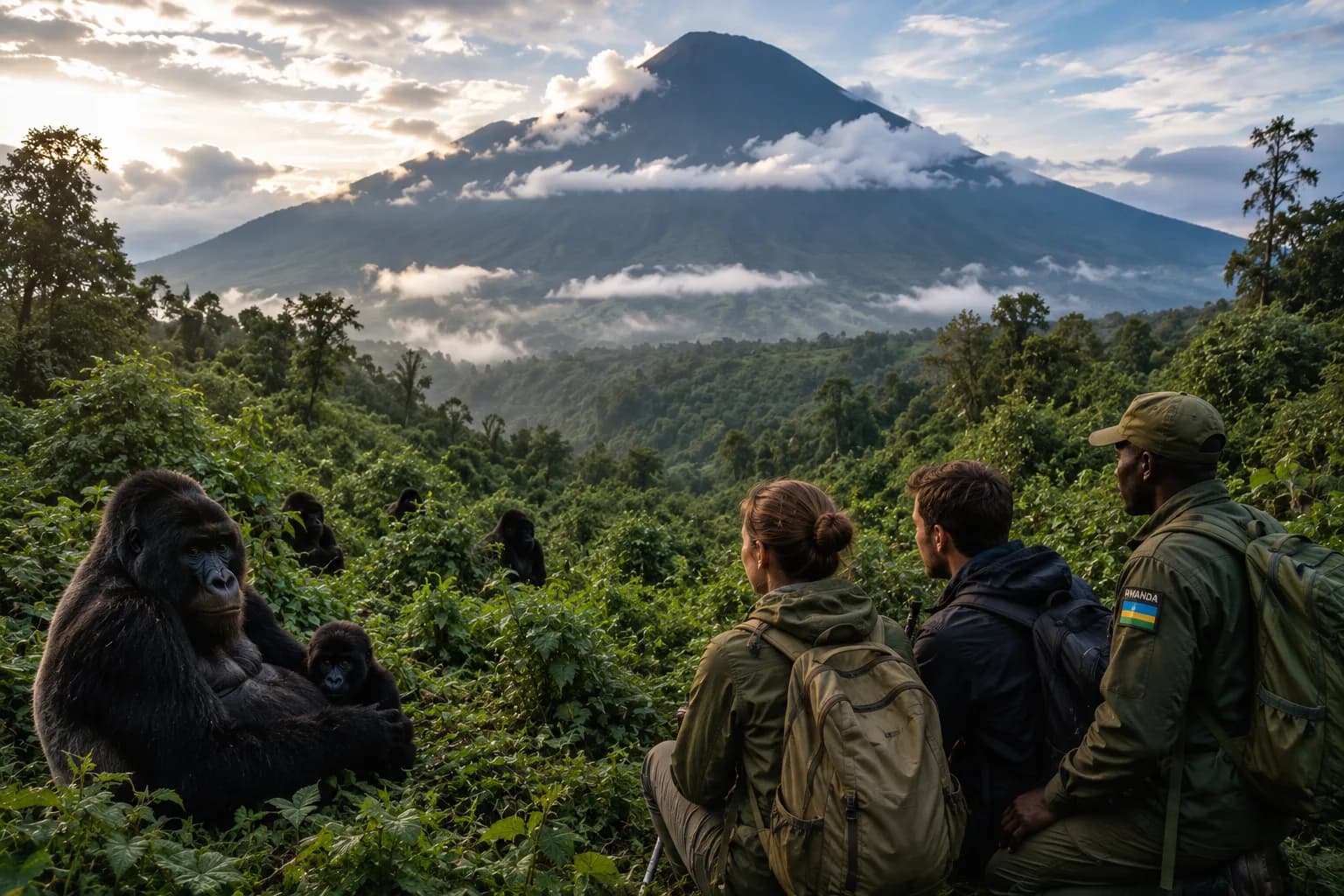
Volcanoes National Park
Where Dian Fossey Worked, and Where Rwanda's Gorilla Story Began
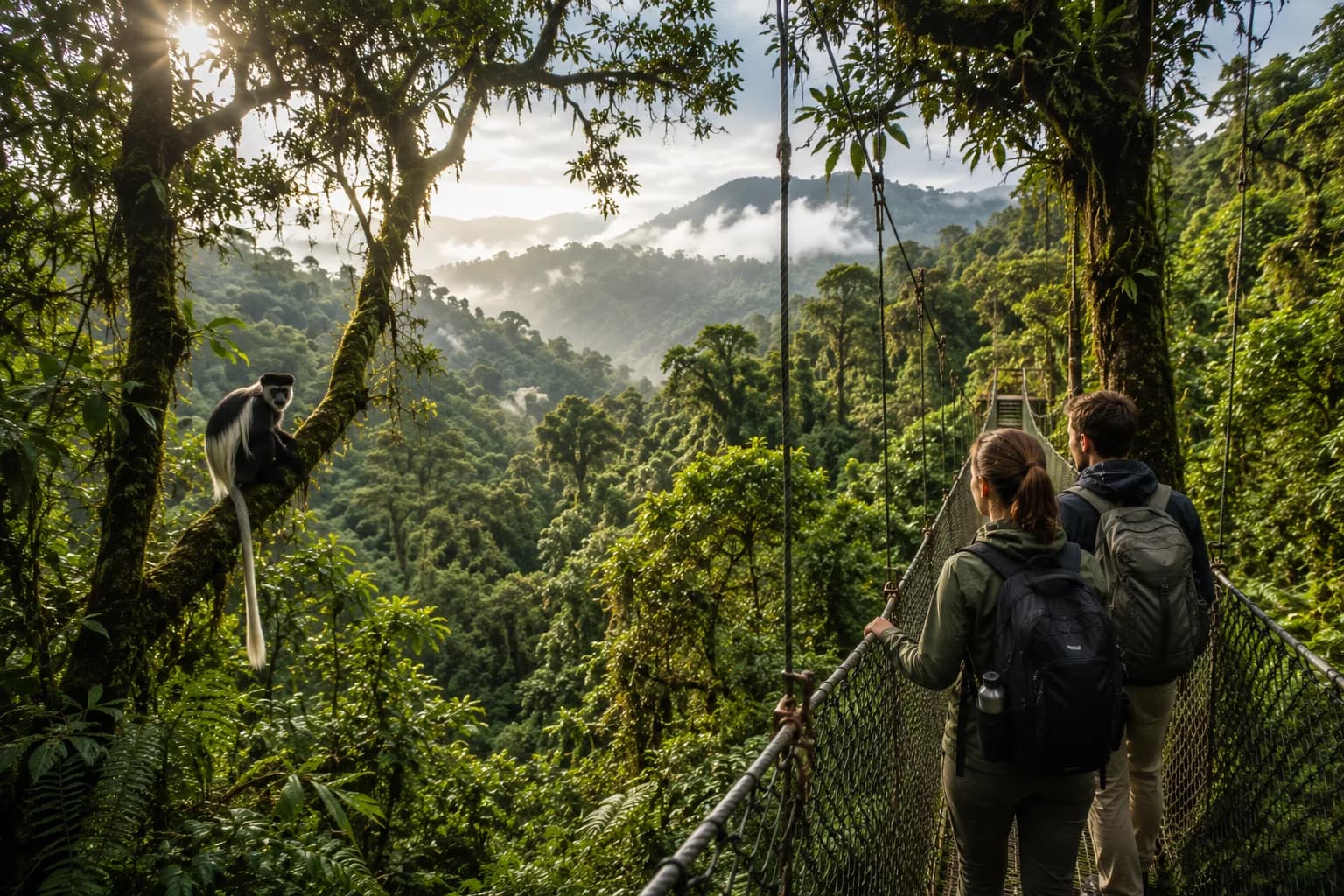
Nyungwe Forest National Park
One of Africa's Oldest Rainforests, Crossed by a Canopy Walkway
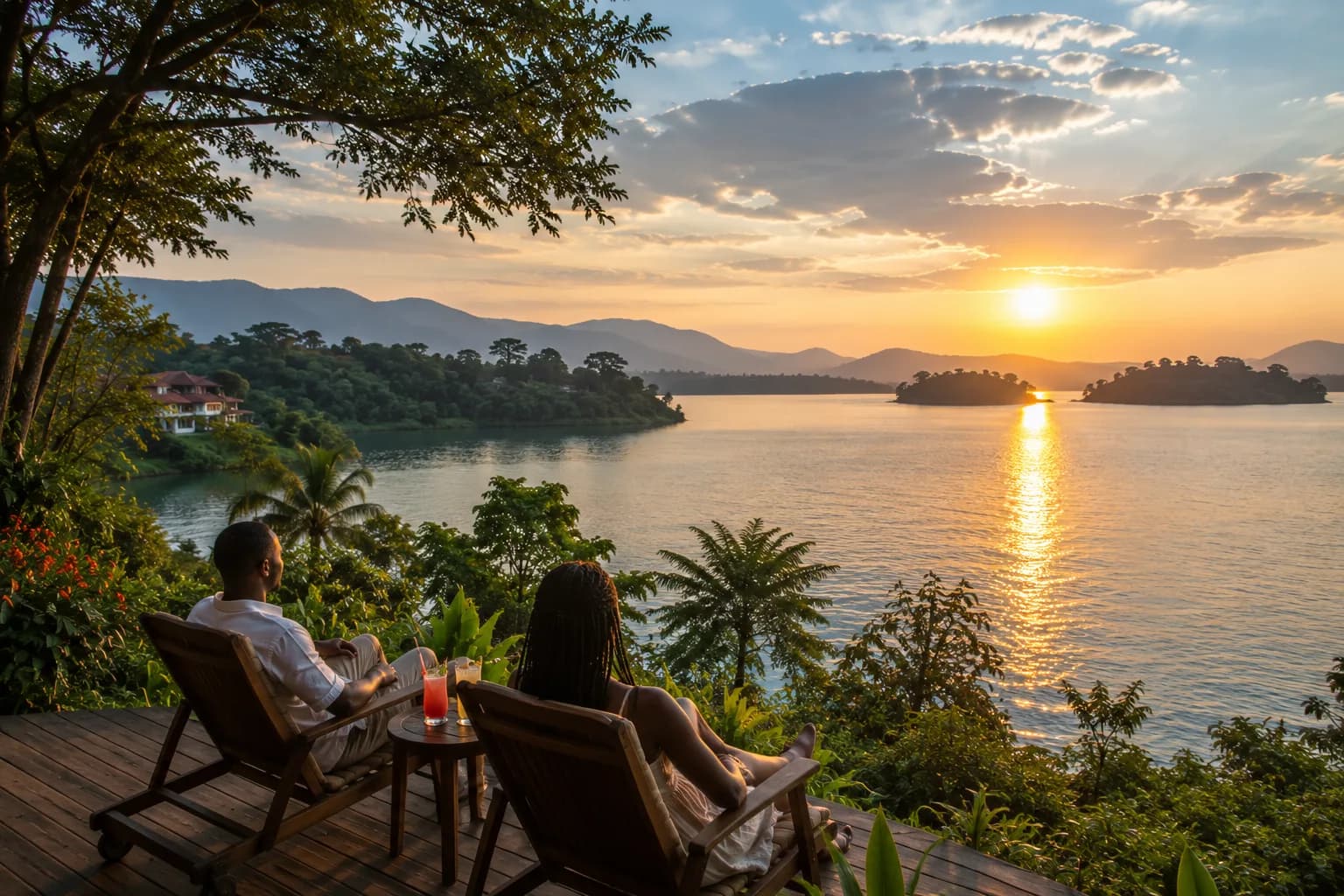
Lake Kivu
Rwanda's Great Lake, and the Perfect Place to Rest After a Gorilla Trek
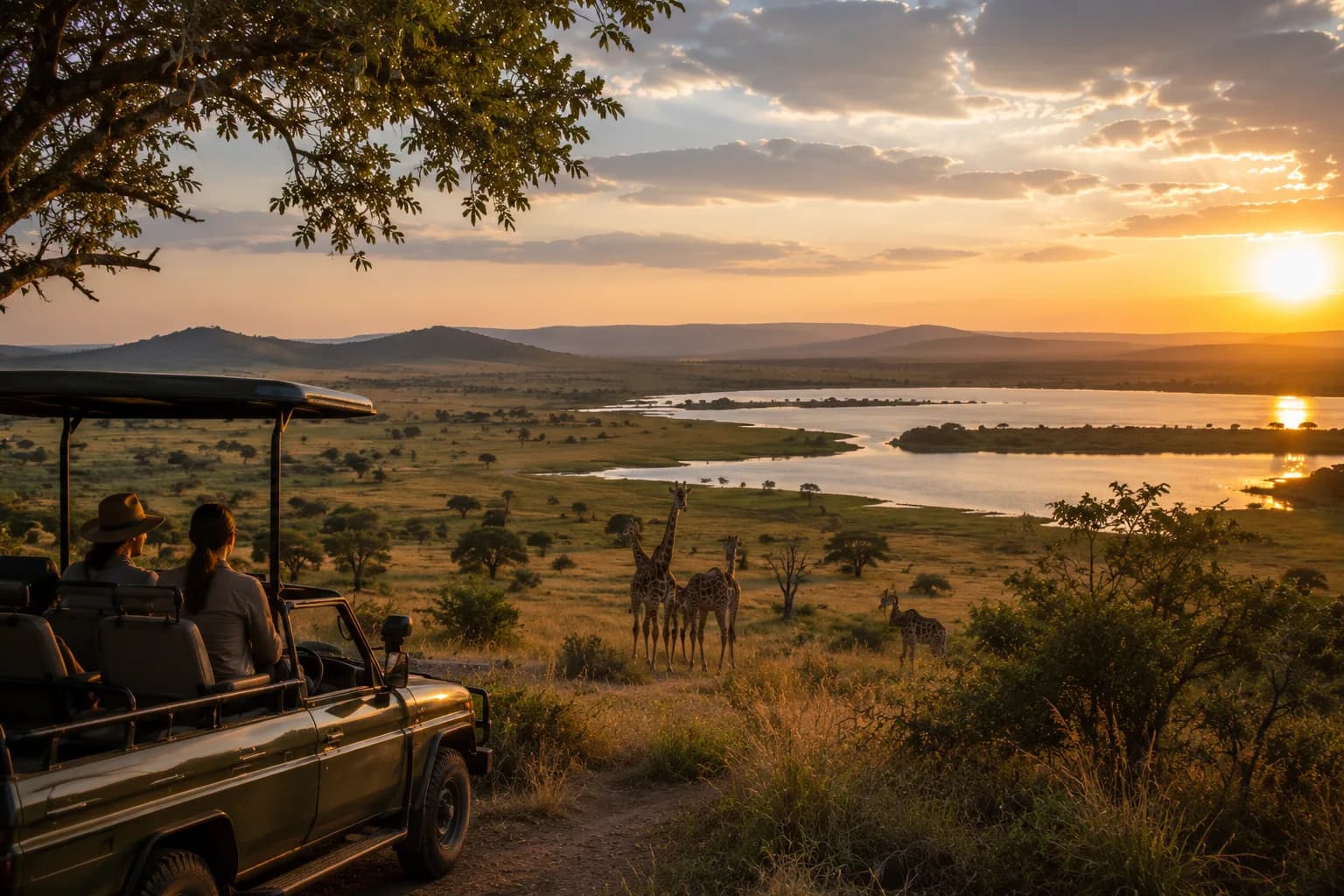
Akagera National Park
Rwanda's Restored Savanna, and Its Only Big Five Park