Nyungwe Forest National Park
Nyungwe Forest National Park protects 1,019 km² of montane rainforest in southwestern Rwanda — among the oldest forests on the continent, having survived the ice ages that reshaped much of the rest of Africa's vegetation. It shelters 13 primate species, including a habituated troop of around 400 chimpanzees, alongside Africa's highest canopy walkway.
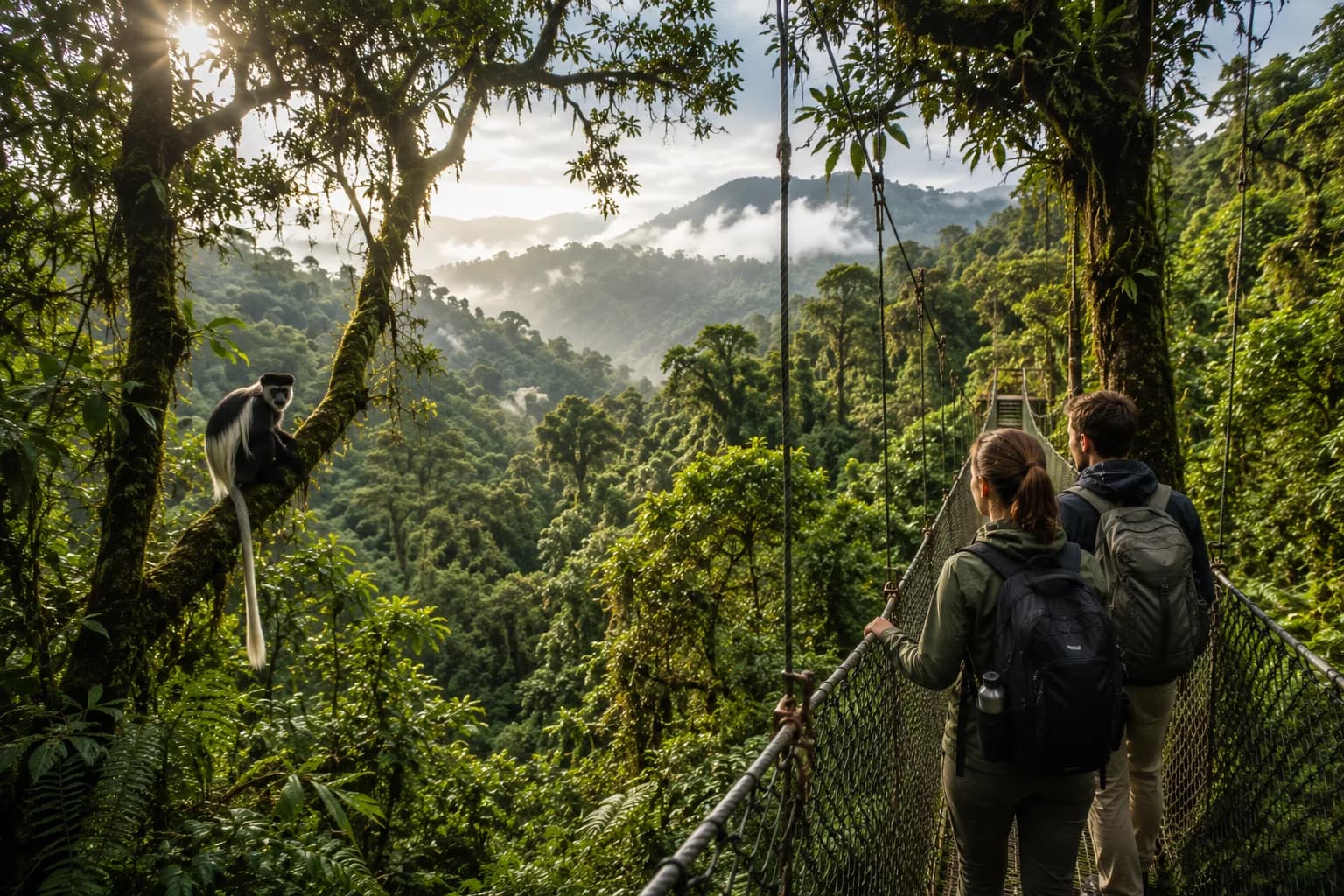
The canopy walkway — a 160-metre suspension bridge strung between three towers, 70 metres above the forest floor — is Nyungwe's signature non-primate attraction: a genuinely vertiginous, thrilling way to see the rainforest from above rather than below, with views across the canopy toward Lake Kivu on clear days.
Chimpanzee tracking here follows the same format as Kibale in Uganda, though Nyungwe's community is smaller and the terrain steeper, generally making sightings somewhat less consistent than Kibale's near-guaranteed success rate. What Nyungwe offers instead is genuine remoteness and far lower visitor numbers — a rainforest experience with a wilder, less-trodden feel.
Beyond chimps, Nyungwe holds Rwenzori colobus (travelling in troops of up to 400, among the largest arboreal primate groups in Africa), L'Hoest's monkey, and grey-cheeked mangabey, plus over 300 bird species including several Albertine Rift endemics found nowhere else. Waterfall hikes to Kamiranzovu and guided tea-plantation walks at the forest edge round out a multi-day stay.
Nyungwe sits in Rwanda's far southwest, a genuine drive from both Kigali and Volcanoes National Park — most itineraries treat it as a dedicated addition of two to three days for travellers with enough time, rather than a stop that fits naturally alongside a short gorilla-focused trip.
Highlights
- ◆Africa's highest canopy walkway — 160m suspension bridge, 70m above the forest floor
- ◆Habituated chimpanzee troop of ~400 individuals
- ◆Rwenzori colobus troops of up to 400 — among Africa's largest arboreal primate groups
- ◆One of Africa's oldest rainforests, having survived the ice ages
- ◆Over 300 bird species including Albertine Rift endemics
- ◆Genuinely low visitor numbers compared to Volcanoes National Park
Where to Stay
Forest-Edge Luxury Lodges
A small number of high-end properties directly bordering the park, with views across the canopy and easy access to the walkway and trekking trailheads.
Tea Plantation Lodges
Distinctive properties set within working tea estates at the forest edge, offering plantation walks alongside proximity to the park.
Guesthouses in Nearby Towns
Simple, more affordable lodging in towns bordering the park, for travellers prioritising the trekking over lodge luxury.
Frequently Asked Questions
Is Nyungwe worth visiting alongside Volcanoes National Park?
+
It can be, but it requires genuine extra time — Nyungwe sits several hours from both Kigali and the gorilla-trekking park, so it works best as a dedicated 2–3 day addition for travellers with more than a week in Rwanda, rather than a quick stop on a short gorilla-focused trip.
How does chimp tracking in Nyungwe compare to Kibale in Uganda?
+
Nyungwe's terrain is steeper and the habituated community smaller, so sightings are somewhat less consistent than Kibale's near-guaranteed success rate. In exchange, you get a much quieter, more remote forest experience with far fewer other visitors.
Is the canopy walkway safe?
+
Yes — it's a well-engineered, regularly maintained suspension structure with safety railings throughout, though it is genuinely high (70m) and will test anyone uncomfortable with heights. Most visitors describe it as thrilling rather than frightening.
What else is there to do in Nyungwe besides primate trekking?
+
The canopy walkway itself, waterfall hikes to Kamiranzovu, guided birding walks for Albertine Rift endemics, and tours of the surrounding tea plantations — enough to fill two to three days without repeating the same activity.
Experiences Here
Other Places in Rwanda
Volcanoes National Park
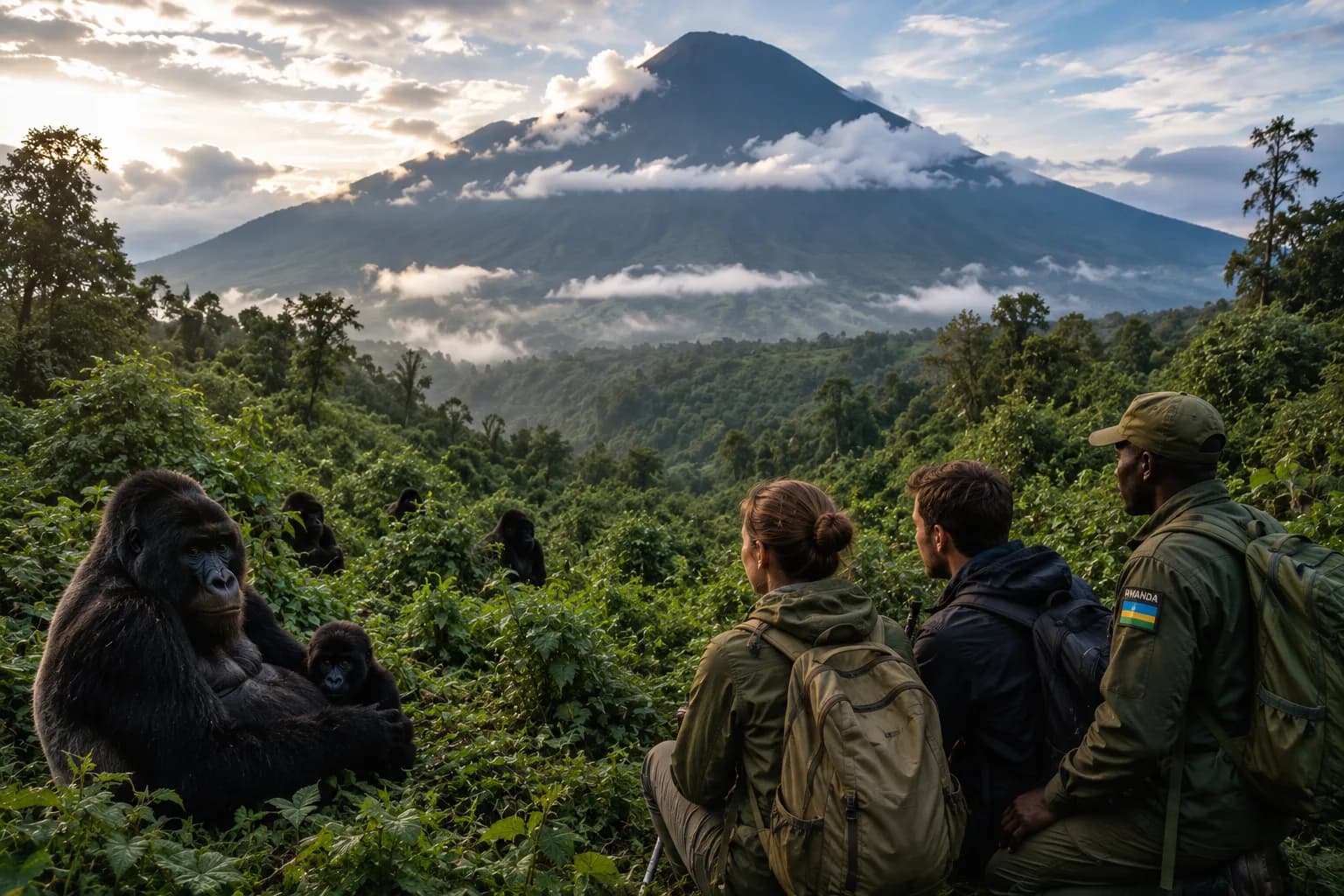
Where Dian Fossey Worked, and Where Rwanda's Gorilla Story Began
Kigali
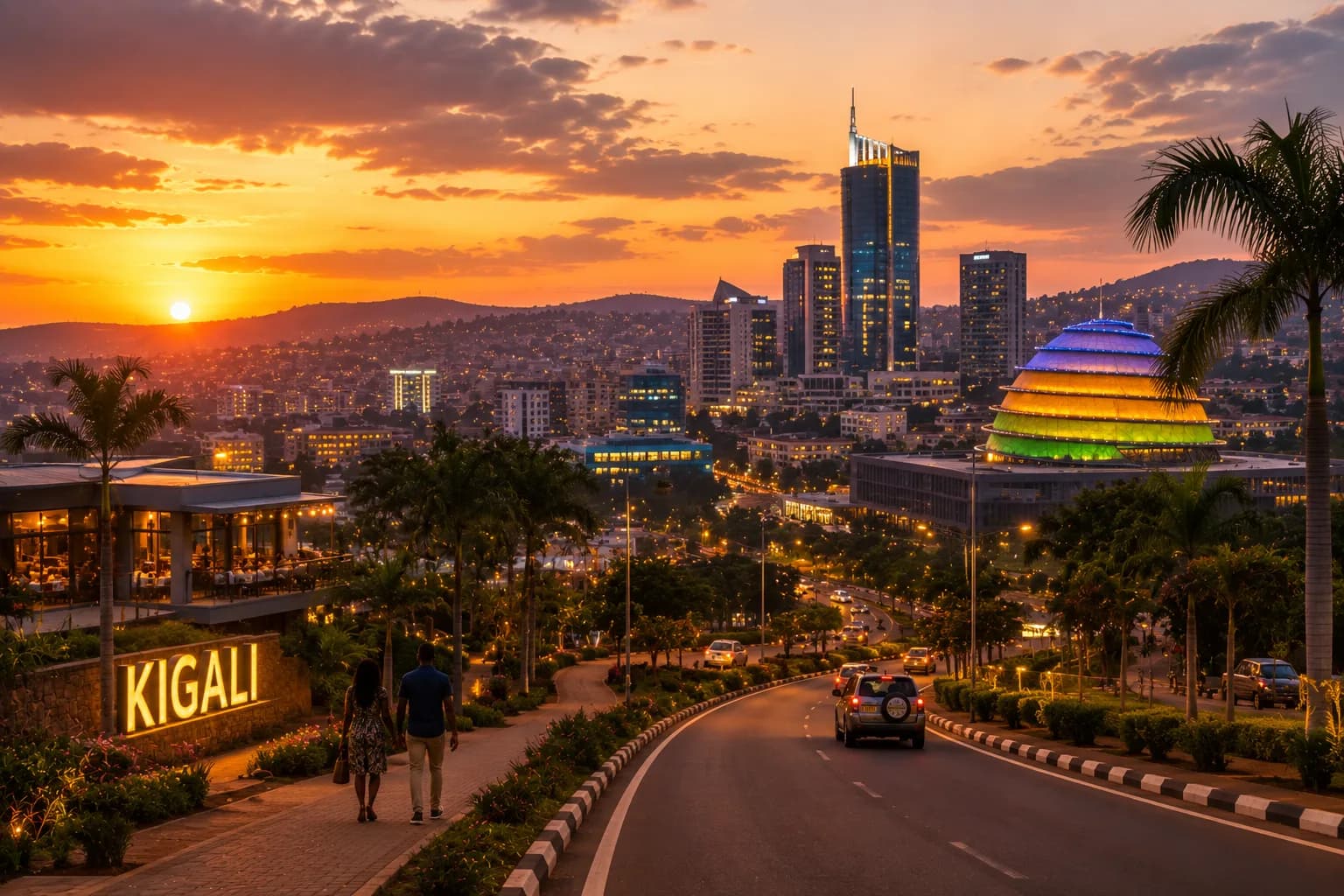
East Africa's Most Orderly Capital, and Its Most Important Memorial
Lake Kivu
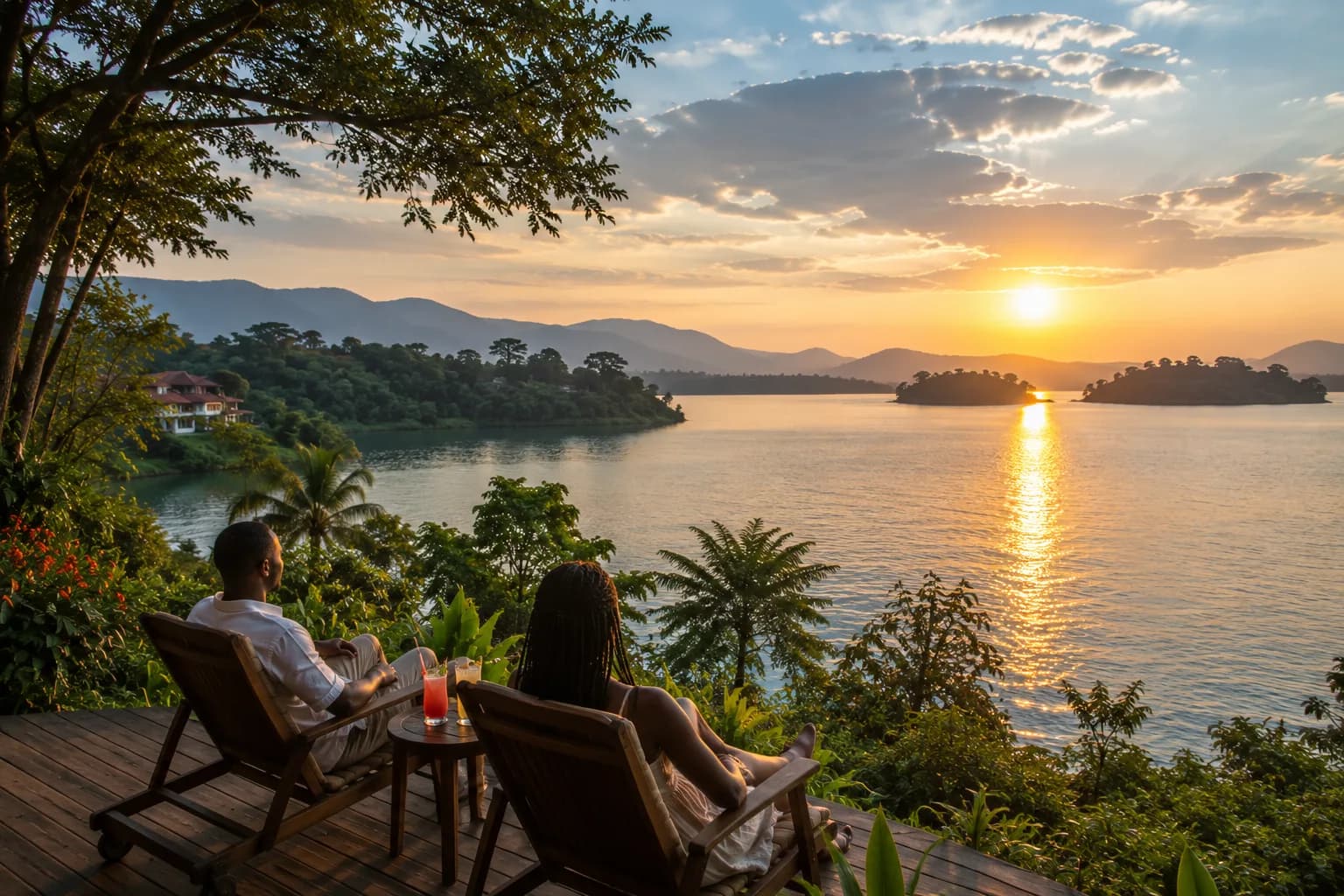
Rwanda's Great Lake, and the Perfect Place to Rest After a Gorilla Trek
Akagera National Park
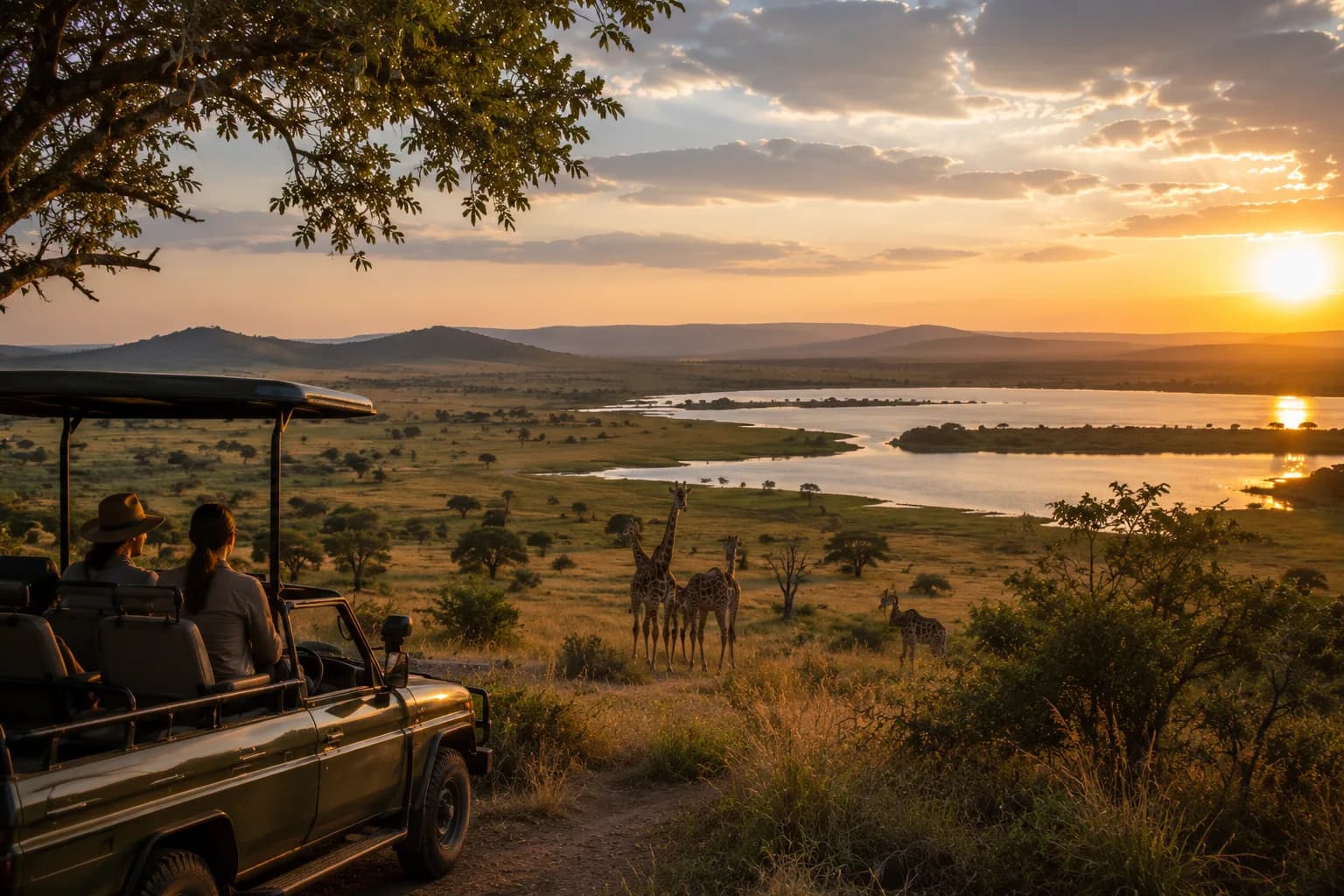
Rwanda's Restored Savanna, and Its Only Big Five Park