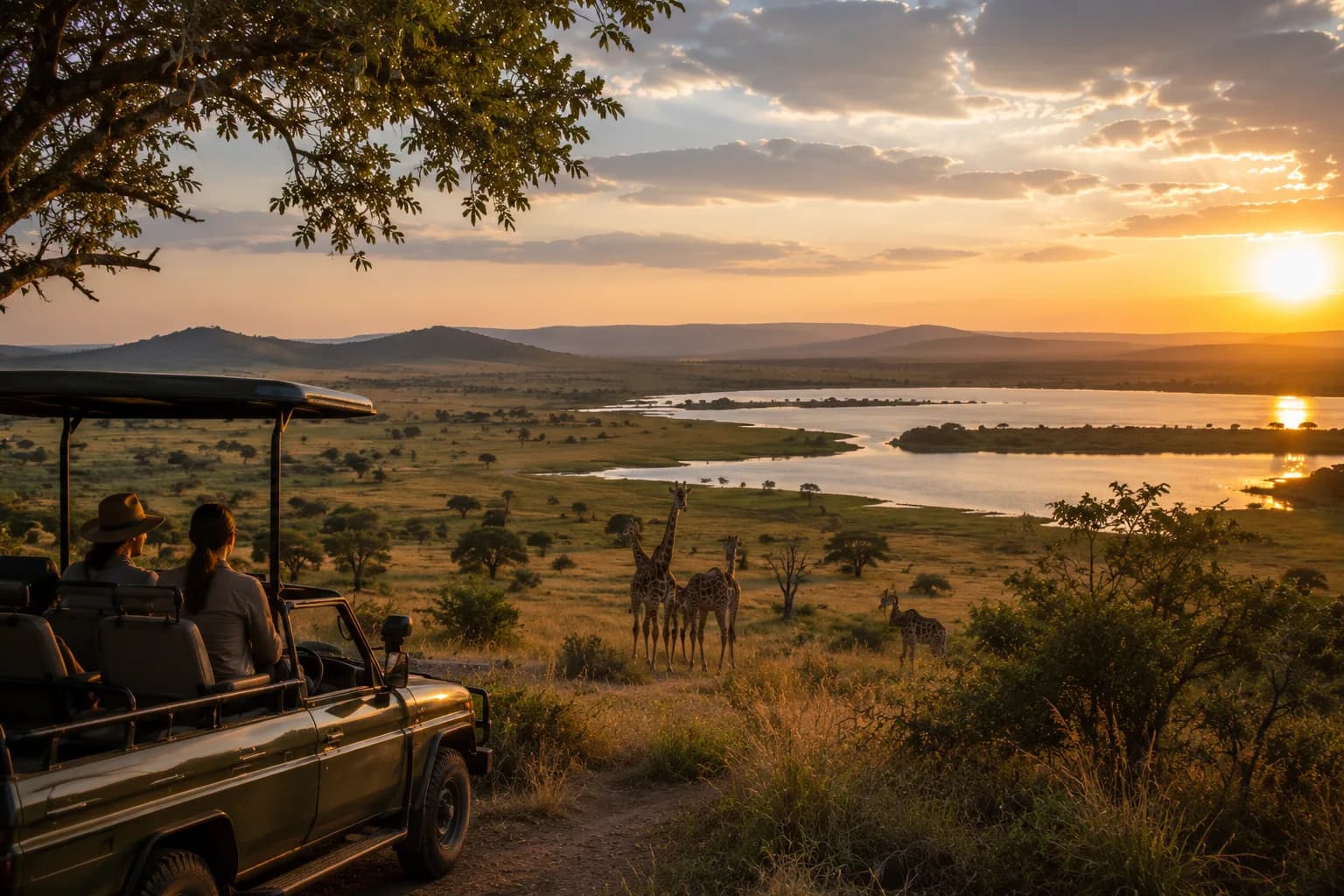
Akagera National Park
Akagera National Park is Rwanda's only savanna park and the country's sole Big Five destination — 1,122 km² of grassland, acacia woodland, and papyrus wetland along the Tanzanian border, centred on a chain of lakes fed by the Akagera River. Its recovery from near-total wildlife loss in the late 1990s and 2000s, driven by post-genocide resettlement and poaching, to a thriving, professionally managed Big Five park today is one of conservation's genuine recent success stories.
Lion was locally extinct in Akagera by 2000; seven were reintroduced from South Africa in 2015 and the population has since grown to more than 40. Black rhino, similarly extinct here since the late 1990s, were reintroduced in stages from 2017 onward, and Akagera now holds a growing, actively monitored population — making it one of only a handful of parks anywhere to have successfully reintroduced both species within a decade.
The park's centrepiece is its lake system, especially Lake Ihema, the second-largest lake in Rwanda: a two-hour boat safari here reveals some of the highest hippo densities in the region, large Nile crocodiles, and excellent birdlife, including a genuine chance at the rare and prehistoric-looking shoebill stork in the surrounding papyrus swamps — a serious draw for birders on its own.
Beyond the Big Five and the lakes, Akagera holds substantial giraffe, zebra, topi, and eland populations across its savanna, plus over 480 recorded bird species across its mixed habitat of grassland, woodland, and wetland — a genuinely different ecological character from the volcanic highland forests that define the rest of Rwanda's tourism.
Akagera sits roughly two to three hours east of Kigali, on the opposite side of the country from Volcanoes National Park, so combining the two into a single trip means either a full-day road transfer via Kigali or a seasonal light-aircraft connection — worthwhile for travellers wanting to see both faces of Rwandan wildlife, but requiring genuine extra time on the itinerary.
Highlights
- ◆Reintroduced lion (2015) — locally extinct in 2000, now over 40 individuals
- ◆Reintroduced black rhino (2017 onward) — a genuine, actively monitored recovery
- ◆Lake Ihema boat safari — some of the region's highest hippo densities plus large Nile crocodiles
- ◆A real chance at the shoebill stork in the surrounding papyrus swamps
- ◆Rwanda's only Big Five park and savanna ecosystem
- ◆Over 480 recorded bird species across grassland, woodland, and wetland
Where to Stay
Lakefront Luxury Lodges
A small number of high-end properties overlooking Lake Ihema itself, offering the best combination of game-drive access and boat-safari proximity.
Savanna Tented Camps
Classic safari tented camps positioned across the park's game-drive circuits, further from the lake but well placed for the wider savanna wildlife.
Budget & Community Campsites
Simple camping options near the park headquarters, for travellers on a wider Rwanda overland route prioritising access over comfort.
Frequently Asked Questions
Does Akagera really have all of the Big Five?
+
Yes — lion (reintroduced 2015) and black rhino (reintroduced from 2017) joined the park's existing elephant, leopard, and buffalo populations, making Akagera Rwanda's only complete Big Five destination.
How do I combine Akagera with gorilla trekking?
+
The two sit on opposite sides of the country, so combining them typically means a full-day road transfer via Kigali (around 5–6 hours total across the trip) or a seasonal light-aircraft connection where available. We build this into a 6-day-plus itinerary rather than trying to rush it.
Is Akagera worth visiting if I've already done a Kenya or Tanzania safari?
+
If you've already seen classic Big Five game viewing elsewhere, Akagera's main draw becomes its conservation recovery story and the Lake Ihema boat safari specifically — both are genuinely compelling, but the density of predator sightings won't match the Serengeti or Masai Mara on a like-for-like comparison.
What is the best chance of seeing a shoebill stork?
+
A morning or late-afternoon boat safari on Lake Ihema, in the quieter papyrus-fringed sections of the lake, gives you the best odds — though as with any single-species search, patience and a sharp-eyed guide matter more than the time of day.
Itineraries Featuring Akagera National Park
Experiences Here
Other Places in Rwanda
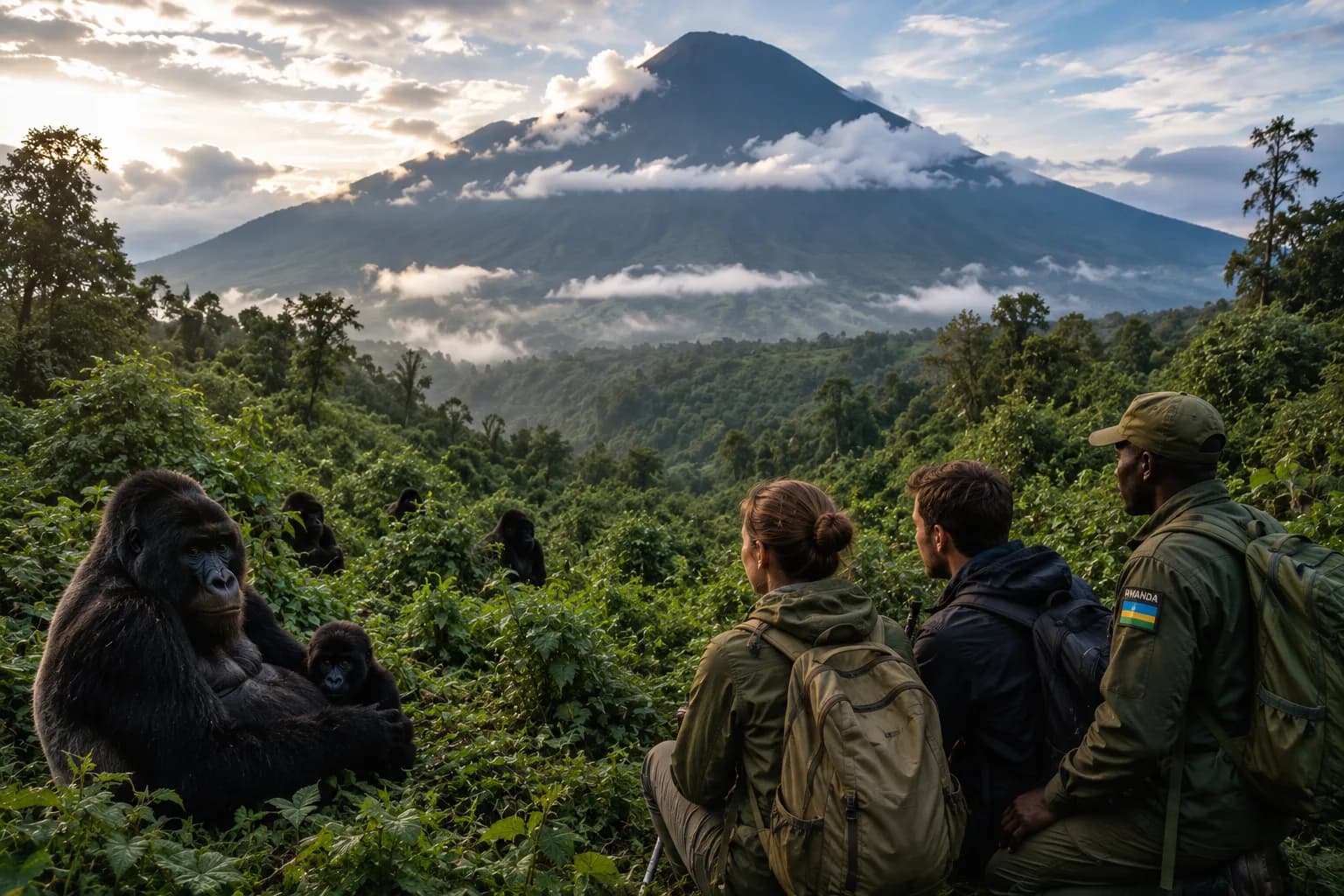
Volcanoes National Park
Where Dian Fossey Worked, and Where Rwanda's Gorilla Story Began
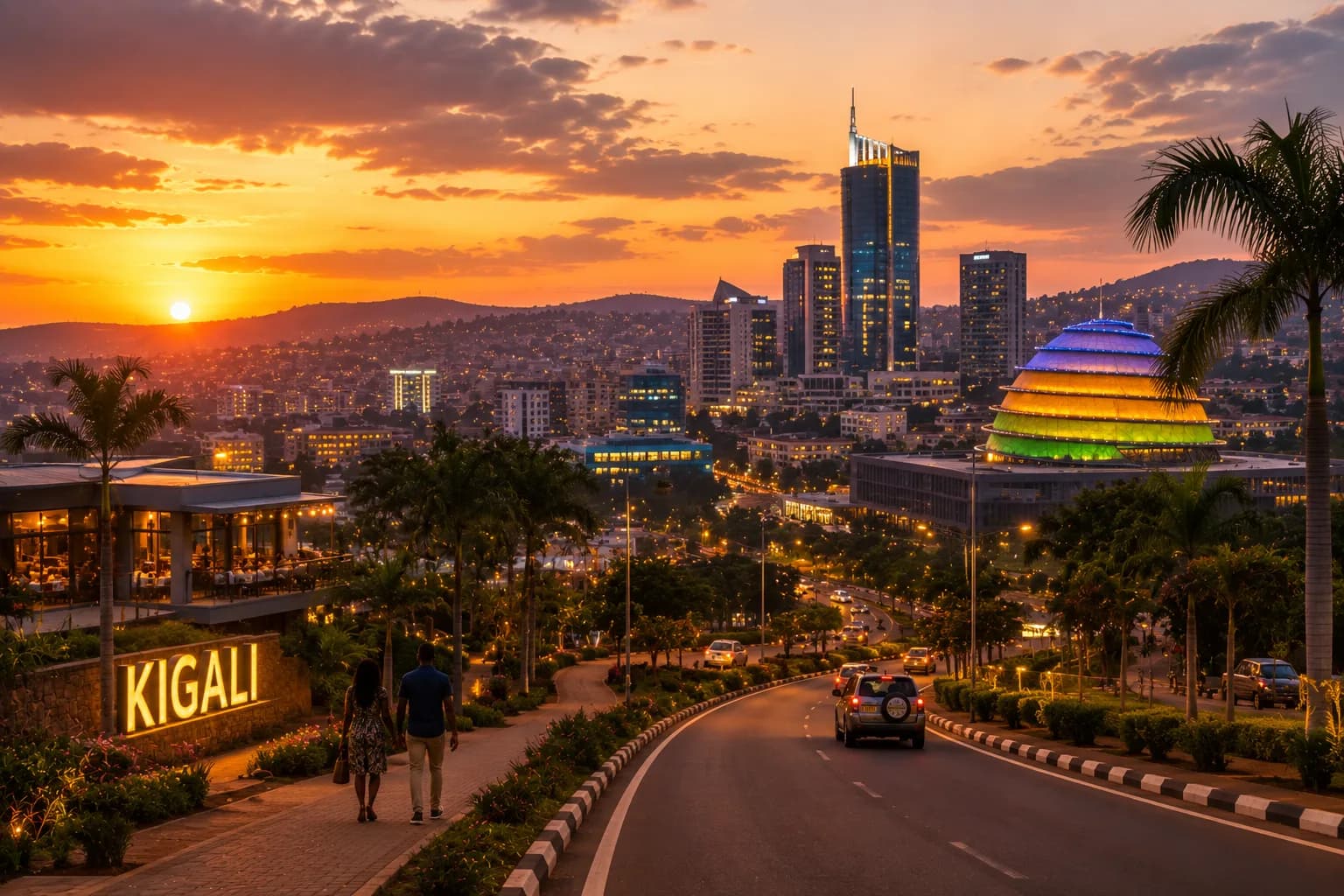
Kigali
East Africa's Most Orderly Capital, and Its Most Important Memorial
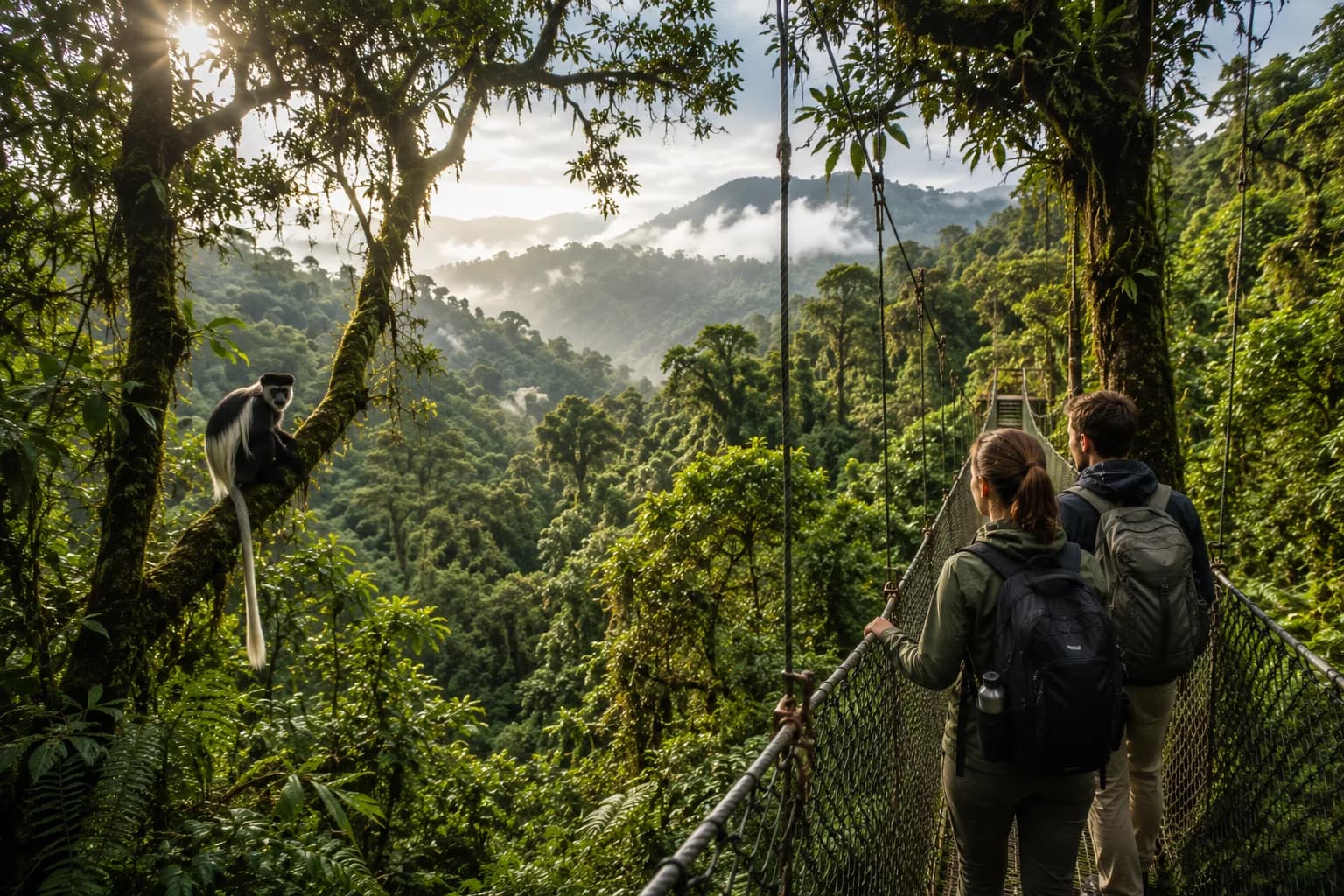
Nyungwe Forest National Park
One of Africa's Oldest Rainforests, Crossed by a Canopy Walkway
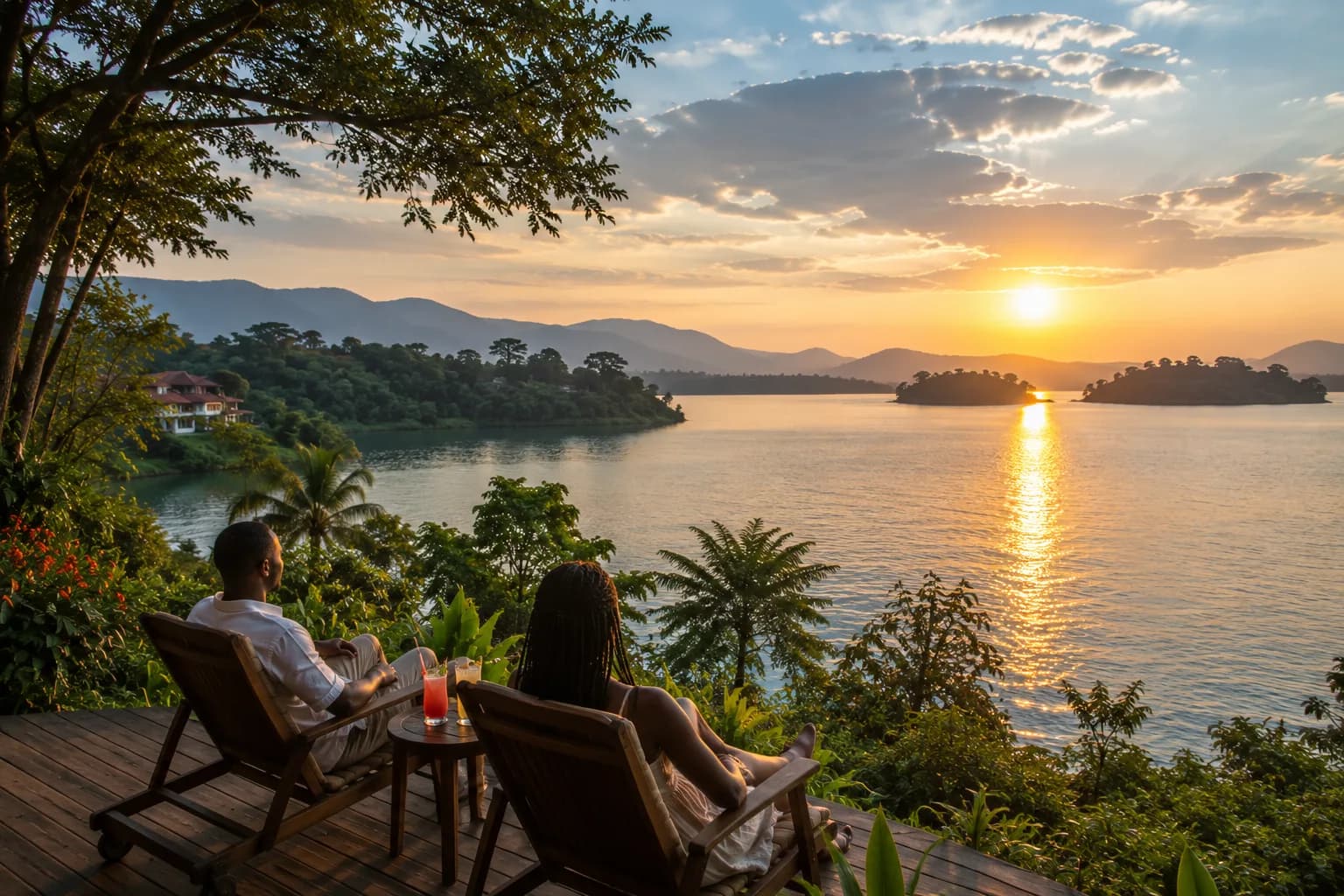
Lake Kivu
Rwanda's Great Lake, and the Perfect Place to Rest After a Gorilla Trek