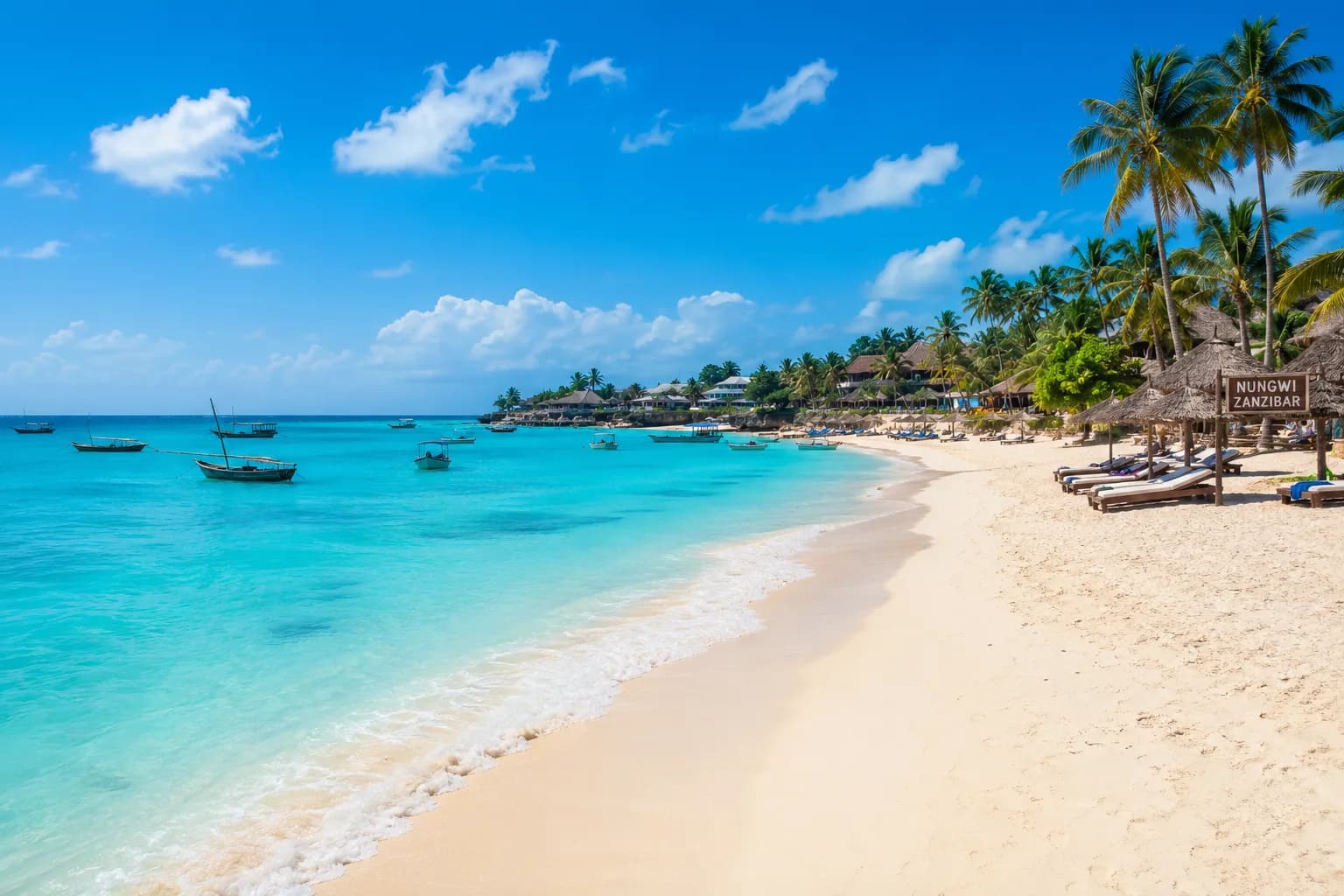
Zanzibar — Spice Island Paradise
Zanzibar is a tropical archipelago off the coast of Tanzania, famed for its pristine white-sand beaches, coral reefs, and the UNESCO World Heritage site of Stone Town. It is also known as the "Spice Island" for its historic clove and spice plantations.
Zanzibar is a tropical haven of white-sand beaches, turquoise Indian Ocean waters, and rich Swahili culture that has absorbed Arab, Persian, Indian, and Portuguese influences over six centuries of trade. Stone Town's UNESCO-listed medieval medina is a living museum; outside it, some of the world's finest beaches and coral reefs await.
Zanzibar is the perfect three-to-five-night extension to any East Africa safari — pair it with a Kenya or Tanzania itinerary for the complete 'bush and beach' experience that defines East African luxury travel.
Highlights
- 01Stone Town — UNESCO World Heritage: Arab forts, carved doors, Persian baths, spice bazaars
- 02Nungwi & Kendwa — Calm beaches on the northern tip, the least affected by the tides; sunsets over the sea
- 03Paje & Jambiani — Turquoise east-coast lagoon; world-class kitesurfing destination
- 04Spice Plantation Tours — Discover cloves, nutmeg, vanilla, cinnamon
- 05Jozani Forest — Home to the endangered Zanzibar red colobus monkey; only found here
- 06Dhow Sunset Cruises — Traditional wooden sailing boats at dusk over a crimson ocean
- 07Mnemba Atoll — World-class snorkelling and diving on pristine, protected coral reefs
When to Visit
Zanzibar is best visited during the dry seasons: June to October and December to February. These months offer sunny skies, calm seas for diving, and comfortable temperatures.
Why choose Zanzibar
Zanzibar is the perfect three-to-five-night extension to any East Africa safari, offering the ultimate "bush and beach" combination.
Where to stay in Zanzibar
Unguja, the main island of Zanzibar, is about 85 km from north to south, and where you stay shapes your trip as much as the season: the north is best for swimming at any time of day, the east coast for kitesurfing and boutique hotels, and Stone Town for history. Most travellers combine a night or two in town with four or five on the beach.
- Stone Town: the UNESCO-listed old town, with boutique hotels in old merchant houses — one or two nights for the lanes, the markets and the sunsets.
- Nungwi and Kendwa, on the northern tip: gentle tides, so you can swim for most of the day, with sunsets over the sea and the liveliest beach scene.
- Matemwe, Pongwe and Kiwengwa, on the north-east coast: quiet beaches and resorts and the closest stays to Mnemba Atoll, though the tide goes out a long way.
- Paje, Jambiani, Bwejuu and Michamvi, on the south-east coast: a vast tidal lagoon, kitesurfing, seaweed farms and some of the most stylish small hotels on the island.
- The south, around Kizimkazi: quiet and rural, with dolphin trips — choose an operator that does not chase the pods.
Things to do in Zanzibar
- Stone Town: the carved doors and lanes of a UNESCO World Heritage town, the former slave market and Christ Church Cathedral, and the Forodhani night food market.
- A spice farm tour in the countryside: cloves, nutmeg, cinnamon and vanilla, in what was once the world’s leading producer of cloves.
- Jozani-Chwaka Bay National Park: the endangered Zanzibar red colobus, found nowhere else, and a mangrove boardwalk.
- Mnemba Atoll: the best-known reef for snorkelling and diving, with turtles and often dolphins (conservation fee USD 25 per adult).
- Prison Island (Changuu): giant tortoises, 20 to 30 minutes by boat from Stone Town.
- Kitesurfing at Paje, from about mid-December to March and from June to October.
- A sunset dhow cruise from Stone Town or the northern beaches.
Getting there, entry rules and combining Zanzibar with a safari
Zanzibar's airport is about 15 minutes from Stone Town, with one-stop flights from Europe through the Gulf, Istanbul or Addis Ababa and some seasonal direct flights. From the safari circuits, flights take about an hour to an hour and a half from Arusha or Nairobi, and two to three hours from the Serengeti's airstrips, usually with a stop; fast ferries from Dar es Salaam take about one and a half to two hours.
Zanzibar is part of Tanzania, so the Tanzanian visa applies — most nationalities apply online for an eVisa before they travel. Every foreign visitor must also hold the government's inbound travel insurance, USD 44 per adult: Zanzibar has required it since October 2024, and mainland Tanzania since 1 October 2026. The policy you need depends on where you first enter, so check the official portal before you fly. If you arrive from Kenya or another country with a risk of yellow fever — even after a transit of more than 12 hours — you also need a yellow fever vaccination certificate. The island is mostly Muslim, so cover your shoulders and knees in Stone Town and the villages, and keep swimwear for the beach.
Three to five nights on Zanzibar make the classic end to a safari in the Serengeti and Ngorongoro, or in Kenya's Masai Mara; a night in Stone Town on the way to the beach breaks up the journey.
Key Experiences in Zanzibar
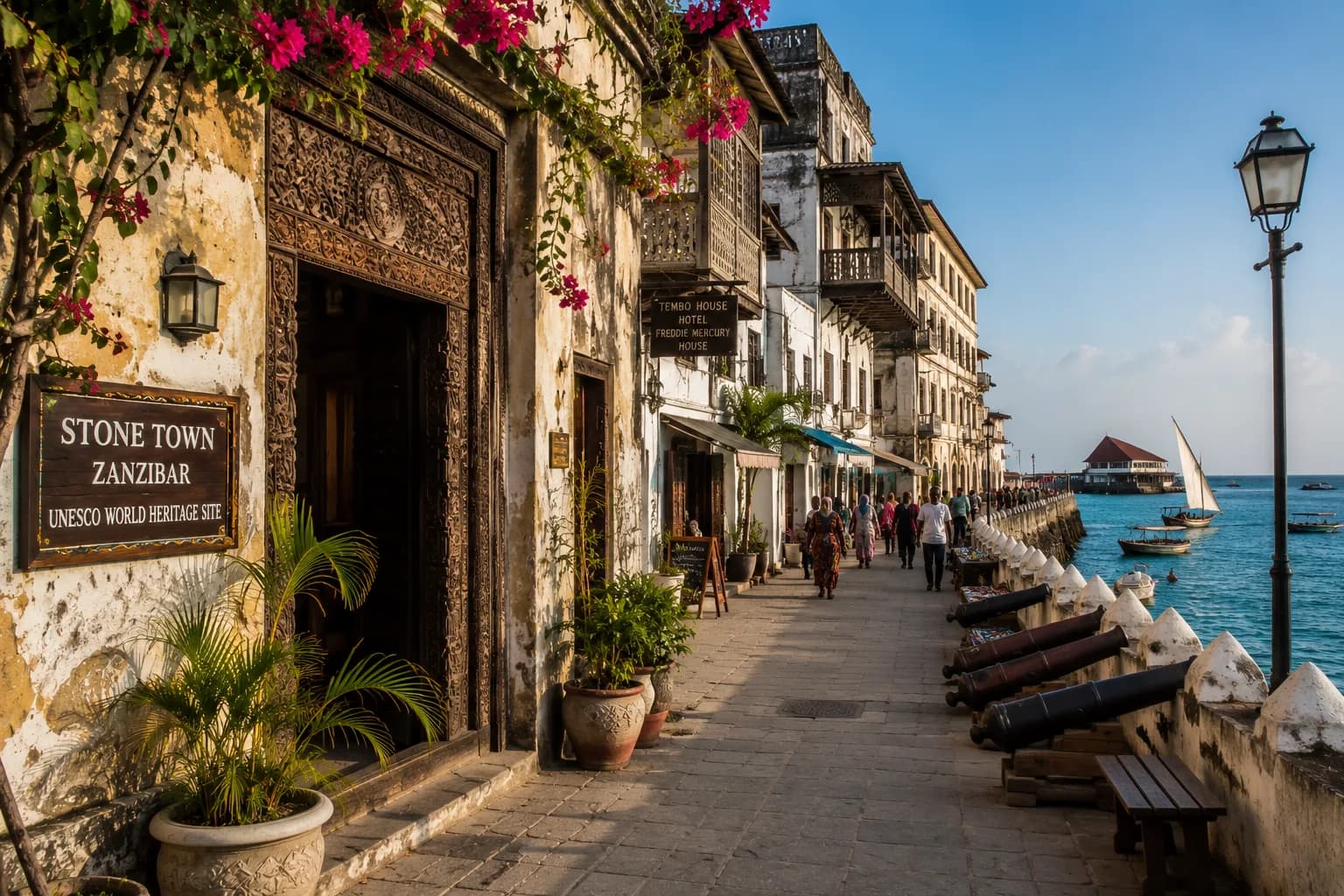
Stone Town
A UNESCO World Heritage Site and one of East Africa's most atmospheric places. Wander narrow alleys past elaborately carved Omani doors, browse the Old Darajani Market.
Nungwi Beach
The most famous beach in Zanzibar — powdery white sand, calm turquoise water, and an excellent village atmosphere. The tides are gentler than on the east coast, so you can swim for most of the day.
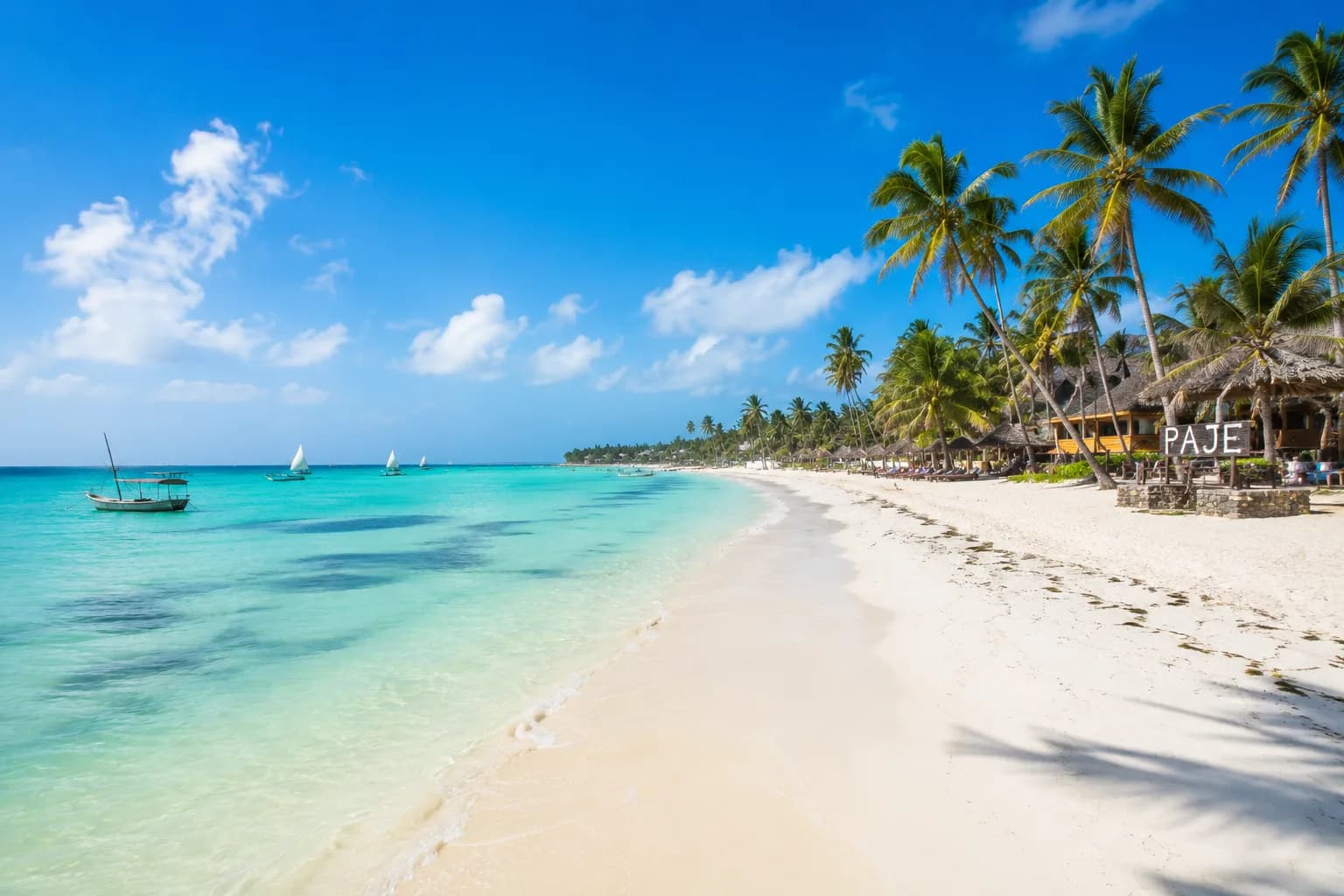
Paje & the East Coast
Zanzibar's east coast offers the island's most photographed lagoon — shallow turquoise water that draws back at low tide. Paje is the kitesurfing capital of East Africa.
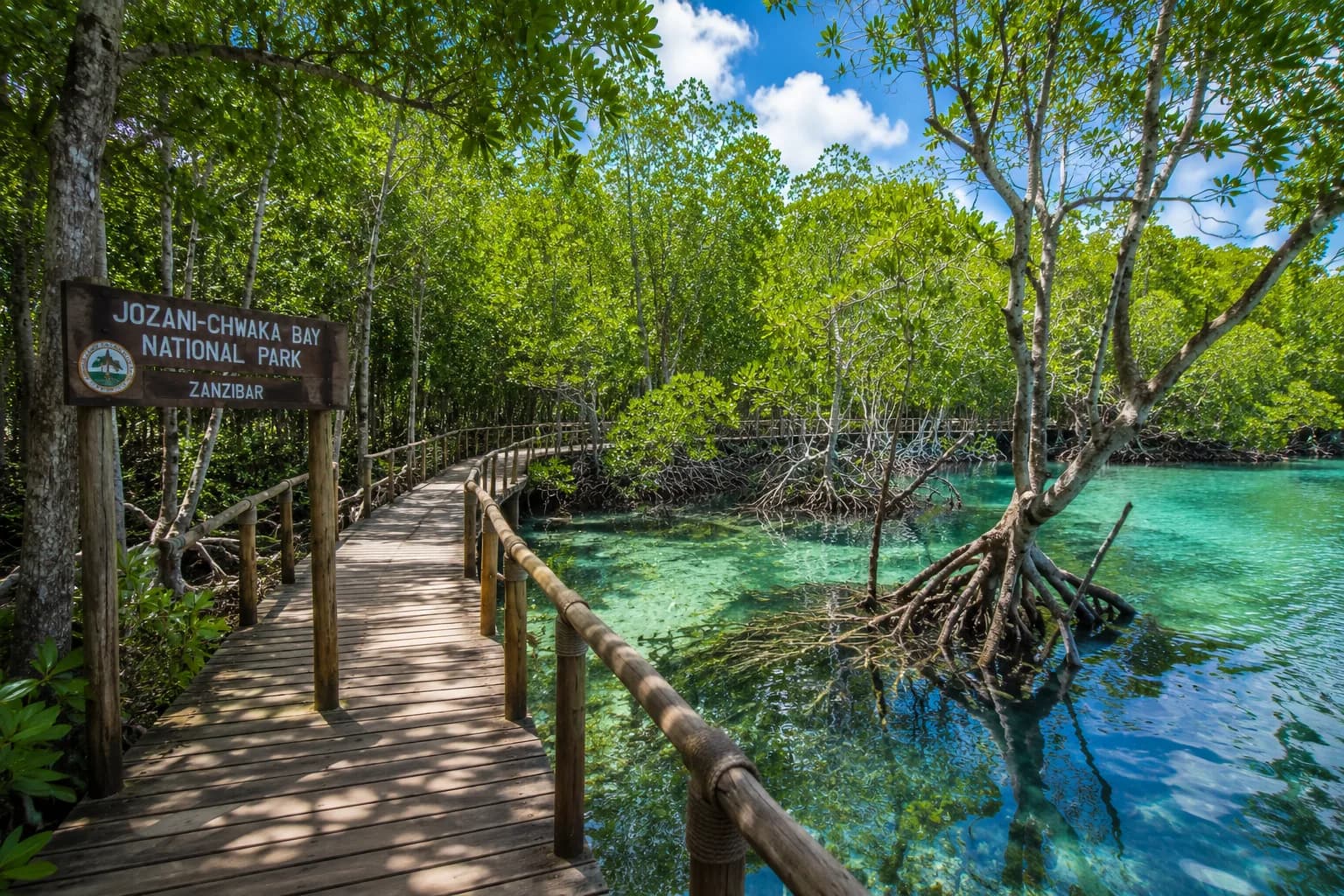
Jozani-Chwaka Bay National Park
Zanzibar's only national park protects the last significant stands of ancient groundwater forest and is the best place to see the Zanzibar red colobus, a monkey found only on Zanzibar.
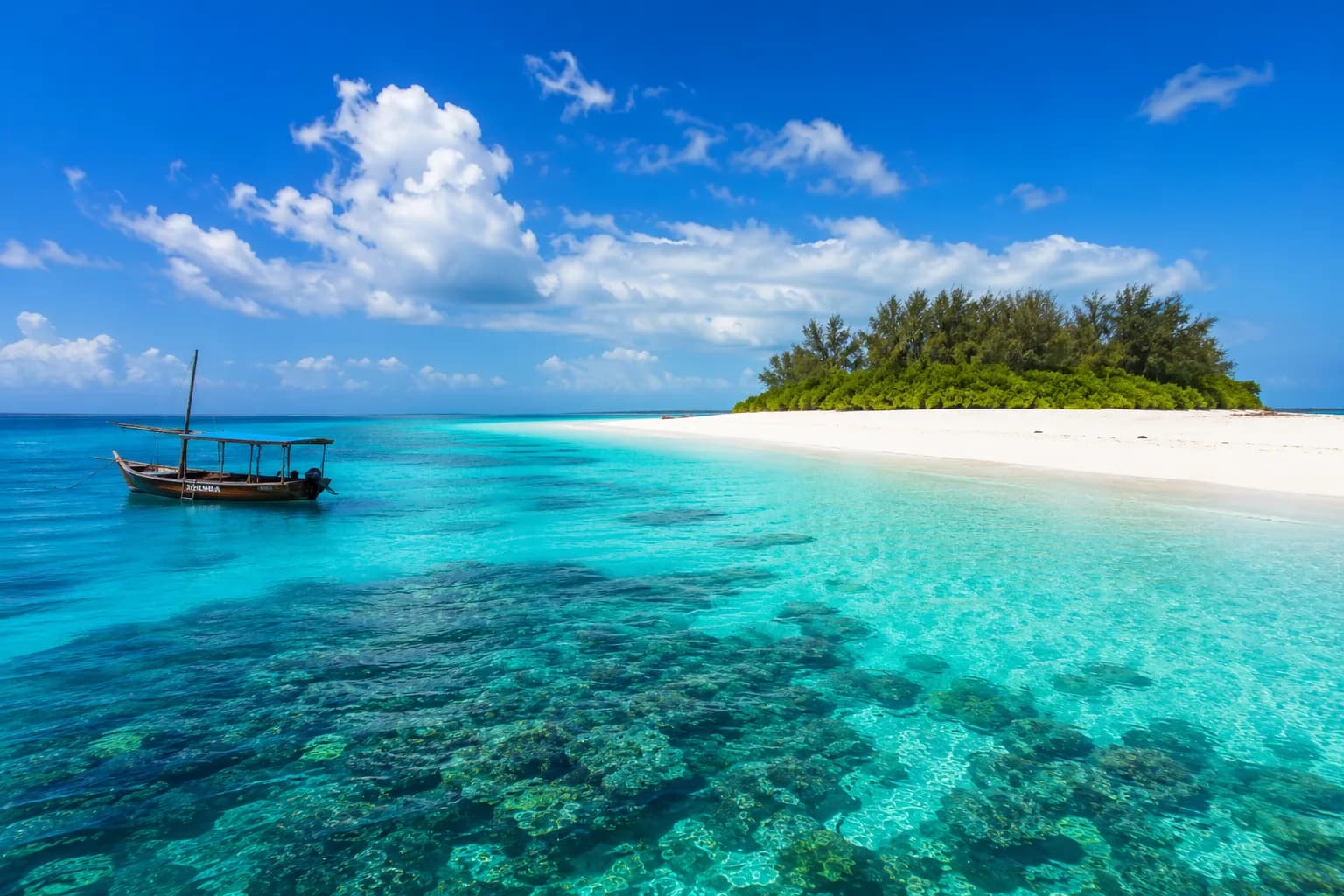
Mnemba Atoll
A protected marine reserve off Zanzibar's north-east tip and the island's premier diving and snorkelling site. Dolphins, green turtles and hundreds of species of reef fish.
Day Tours & Excursions
01Stone Town Walking Tour — Carved Doors, the Old Fort & the Slave Market
Half day · about 3–4 hours · Stone Town, Zanzibar · On Request
02Mnemba Atoll Snorkelling Trip — Turtles, Reefs & Dolphins
Half day · about 4 hours from Matemwe · Mnemba Atoll, Zanzibar · On Request
03Jozani Forest & Spice Farm Tour — Red Colobus Monkeys and Zanzibar's Spices
Half day · about 5 hours · Jozani & the spice farms, Zanzibar · On Request
04Sunset Dhow Cruise from Nungwi — Sailing off the Northern Tip of Zanzibar
Late afternoon · about 2–3 hours · Nungwi, Zanzibar · On Request
Experiences in Zanzibar
Swahili Coast City Tours
Guided walks through Stone Town's UNESCO medina, Lamu's unhurried donkey-tracks, and Mombasa's Old Town Swahili architecture.
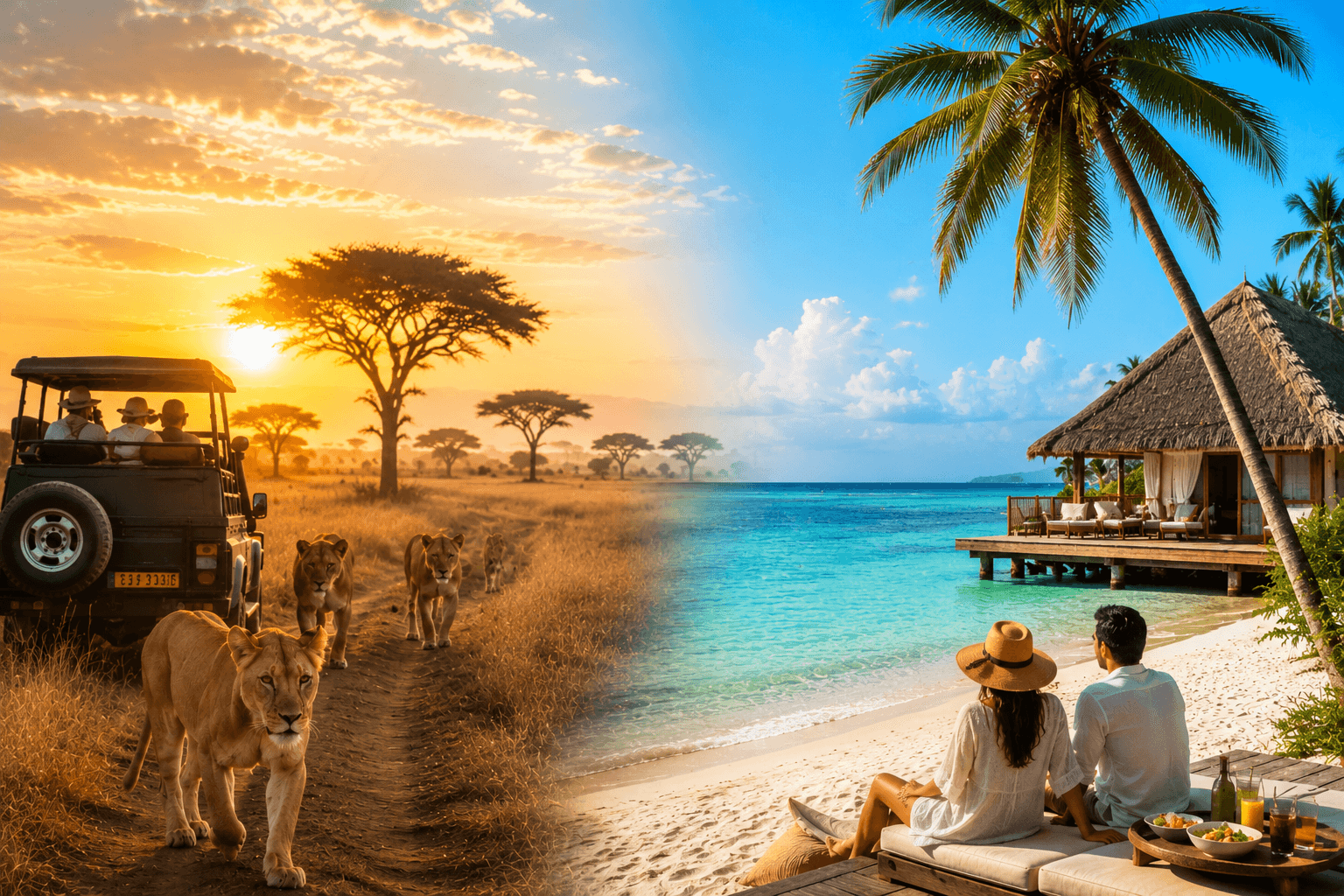
Bush & Beach Safaris
Combine Big Five game viewing with a week on the Indian Ocean — Zanzibar, Diani, the Seychelles or Mauritius.

Honeymoon Safaris
Private candlelit dinners in the bush, sunrise balloon rides, and secluded beach villas.

Family Safaris
Family-vehicle exclusivity, junior ranger programmes, and camps built for children — a safari the whole family actually enjoys, not endures.

Cultural Journeys
Walk with Maasai warriors, explore Stone Town, and meet the people who make East Africa unforgettable.
Frequently Asked Questions
Is Zanzibar safe for tourists?
+
Yes, Zanzibar is generally very safe for tourists. As with any travel, keep an eye on your belongings and respect local customs.
How do I get from a safari to Zanzibar?
+
Fly from Arusha or Nairobi in about an hour to an hour and a half, or from the airstrips of the Serengeti in two to three hours, usually with a stop on the way. From Dar es Salaam, fast ferries take about one and a half to two hours.
How much does a Zanzibar holiday cost?
+
A luxury Zanzibar beach holiday starts from $1,200 per person for 4 nights, including accommodation, transfers, and selected activities.
What is the best area to stay in Zanzibar?
+
Nungwi and Kendwa in the north are the least affected by the tides, so you can swim at almost any time of day. Paje on the east coast is ideal for kitesurfing. Stone Town is perfect for culture and history.
Can I combine Zanzibar with a Kenya or Tanzania safari?
+
Absolutely. Zanzibar pairs perfectly with both Kenya and Tanzania safaris. Direct flights from Nairobi, Arusha, and the Serengeti make it seamless.
What activities are available in Zanzibar?
+
Spice plantation tours, Stone Town walking tours, Jozani Forest red colobus monkey visits, dhow sunset cruises, snorkelling at Mnemba Atoll, and world-class diving.
When is the best time to visit Zanzibar?
+
From June to October, when it is dry and a little cooler, and from December to February, when it is hot and mostly dry. The long rains, from March to May, are the wettest months, when some hotels close, and November brings short rains.
Do I need a visa and travel insurance for Zanzibar?
+
Zanzibar is part of Tanzania, so most nationalities need a Tanzanian visa, applied for online as an eVisa. Every foreign visitor must also buy the government's inbound travel insurance before arrival, at USD 44 per adult; which policy you buy depends on where you first enter Tanzania, so check the official portal for your route.
How many days do you need in Zanzibar?
+
Five to seven nights is ideal: one or two in Stone Town and the rest on the beach, with a day for Mnemba Atoll or Jozani. After a safari, three to five nights on the beach work well.
What should I wear in Zanzibar?
+
Light, loose clothes that cover your shoulders and knees in Stone Town and the villages, as Zanzibar is mostly Muslim; swimwear is fine on hotel beaches. During Ramadan, avoid eating, drinking or smoking in public in the daytime.
Expert Travel Guides
- Read our complete Zanzibar travel guide→
- Zanzibar Travel Guide 2026: Beaches, Stone Town & Everything You Need to Know→
- Zanzibar vs Mauritius vs Seychelles: Which Island Should You Choose? (2026)→
- The Complete Africa Honeymoon Safari Guide 2026: Romantic Destinations, Camps & Itineraries→
- The Great Wildebeest Migration: The Ultimate Month-by-Month Guide (2026–2027)→