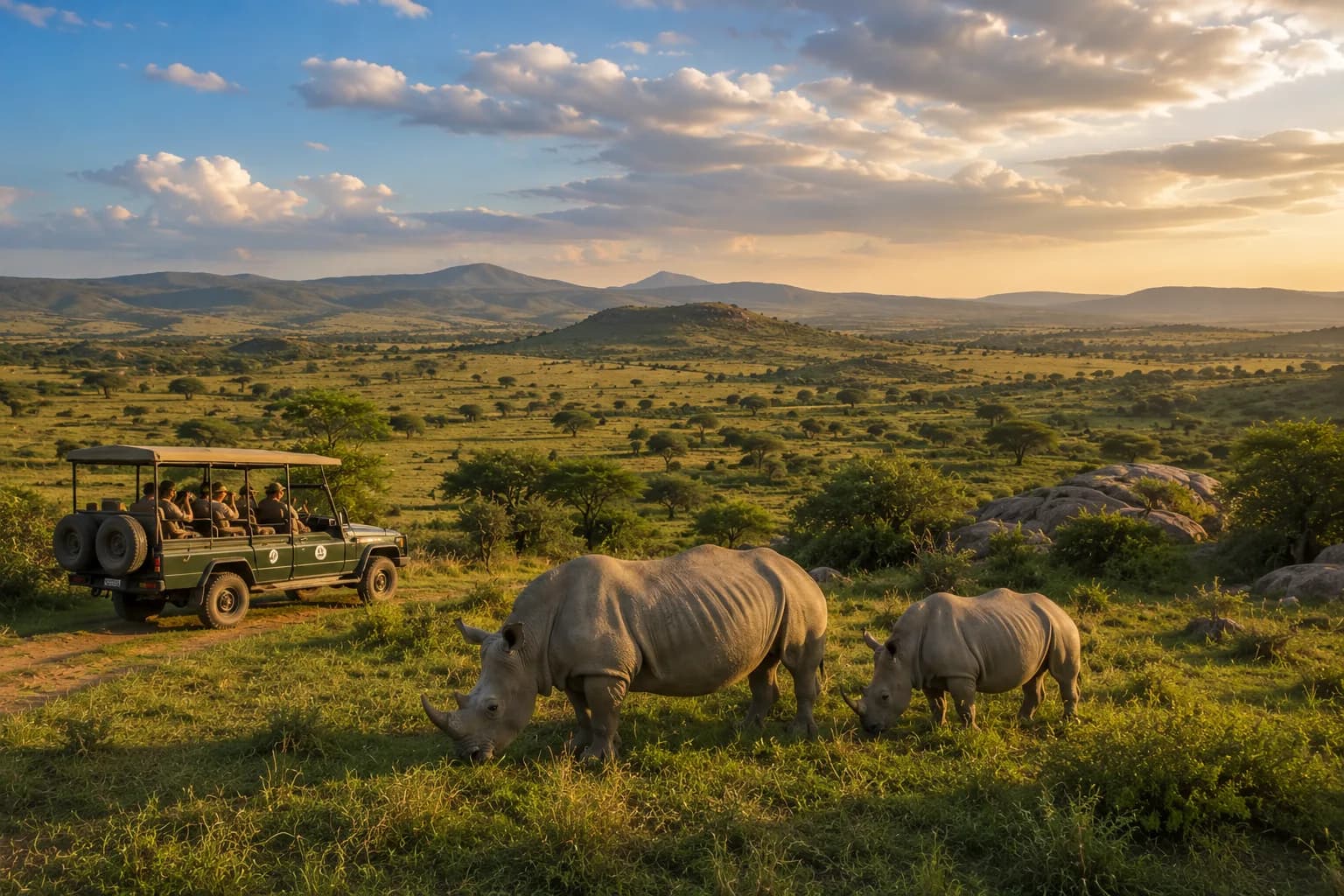
Laikipia & Ol Pejeta
Laikipia is the high plateau between Mount Kenya and the Great Rift Valley, and the heart of Kenya's private and community conservancies: former cattle ranches and community lands that now protect some of the country's most important wildlife. The wider Laikipia–Samburu landscape holds Kenya's second-largest elephant population after Tsavo, Laikipia's sanctuaries hold many of its rhinos, and because the land is private you can do what national parks don't allow — night drives, guided walks, horse and camel safaris — with few other vehicles in sight.
Ol Pejeta Conservancy, near Nanyuki, is the one most visitors know. Its 90,000 acres — about 360 km² — hold all of the Big Five and East Africa's largest black rhino sanctuary, and it is home to Najin and Fatu, the last two northern white rhinos on Earth, who live under armed guard in an enclosure where visits can be booked. Both are female, so the subspecies now depends on the IVF work of the BioRescue project, using eggs collected from Fatu. Ol Pejeta also runs the Sweetwaters Chimpanzee Sanctuary, the only place in Kenya to see chimpanzees, all of them rescued from the illegal wildlife trade elsewhere in Africa.
To the east, Lewa Wildlife Conservancy — part of the Mount Kenya World Heritage Site, with the Ngare Ndare forest, since 2013 — protects black and white rhinos and the world's largest resident population of Grevy's zebras, and shares an unfenced landscape with neighbouring Borana. To the north and west, conservancies such as Loisaba, Segera and the community-owned Il Ngwesi are drier and wilder, with reticulated giraffes, Beisa oryx and gerenuk, and some of Kenya's best chances of seeing African wild dogs.
Because the conservancies are private or community land, they set their own rules. Night drives with a spotlight find hyenas, genets, bushbabies and, with luck, a leopard or an aardvark; guided walks bring you close to tracks and smaller life; and, depending on where you stay, you can ride horses or camels, sleep out on a star bed or visit Samburu and Maasai communities. Most conservancies limit visitor numbers, so sightings are rarely crowded — Ol Pejeta, which also welcomes day visitors, is the busiest.
Scheduled flights from Nairobi's Wilson Airport reach Nanyuki in 45 minutes to an hour, and Lewa has its own airstrip; by road, Nanyuki is about 200 km, or three and a half to four hours, from Nairobi, and you cross the Equator on the way in. The plateau is high — Nanyuki stands at almost 2,000 m — so days are warm and nights cool. Laikipia pairs naturally with Samburu, two to three hours north by road, and with the Masai Mara by light aircraft.
Things to do on Ol Pejeta
- Meet the northern white rhinos: a booked visit to Najin and Fatu's enclosure with the rangers who guard them.
- Sweetwaters Chimpanzee Sanctuary: rescued chimpanzees, the only ones in Kenya; a behind-the-scenes visit can be booked.
- Lion tracking: head out with the conservancy's research team to find the prides.
- Night game drives, booked at least a day ahead.
- The dog unit: watch the tracker and detection dogs that help rangers stop poachers.
- Big Five game drives, with black and white rhinos often seen.
How Laikipia fits a Kenya safari
Most travellers give Laikipia two or three nights between Samburu and the Masai Mara: rhinos, walks and night drives here, northern species in Samburu, and big cats and the migration in the Mara. Laikipia is also the obvious second safari for anyone who has already done the Mara, and it suits families, as walks and riding keep older children busy.
Highlights
- ◆Najin and Fatu, the last two northern white rhinos on Earth, at Ol Pejeta
- ◆East Africa's largest black rhino sanctuary — and all of the Big Five
- ◆Sweetwaters: the only chimpanzees in Kenya
- ◆Lewa: rhinos and the world's largest resident population of Grevy's zebras
- ◆Night drives, guided walks, and horse and camel safaris
- ◆Part of the Laikipia–Samburu landscape, home to Kenya's second-largest elephant population
Where to Stay
Ol Pejeta — camps for every budget
From riverside tented camps to a lodge overlooking a waterhole and self-catering cottages: the easiest conservancy to visit, and open to day visitors, so expect some other vehicles.
Lewa and Borana — exclusive lodges
Small luxury lodges and private houses on conservancies with strict limits on visitor numbers — the place for walking, horse riding and quiet game drives below Mount Kenya.
Northern Laikipia — remote camps
Wilder, drier conservancies such as Loisaba and community-owned Il Ngwesi: star beds, camel treks and wild dog country, a short flight or a long drive further north.
Frequently Asked Questions
Is Ol Pejeta worth visiting?
+
Yes. It has all of the Big Five, East Africa's largest black rhino sanctuary and the last two northern white rhinos on Earth, plus Kenya's only chimpanzees at Sweetwaters and night drives. Two nights pass quickly, and it is an easy flight or drive from Nairobi.
Can you see the last northern white rhinos?
+
Yes. Najin and Fatu, the last two northern white rhinos on Earth, live in a guarded enclosure at Ol Pejeta, and the conservancy runs booked visits with their keepers. Both are female, so the subspecies' future rests on the BioRescue project's IVF work.
How do I get to Laikipia from Nairobi?
+
Fly from Wilson Airport to Nanyuki in 45 minutes to an hour, or to Lewa's own airstrip, and your camp meets you. By road, Nanyuki is about 200 km — three and a half to four hours — from Nairobi.
Is Laikipia safe to visit?
+
Yes, on a planned safari. The UK Foreign Office's current Kenya advice does not warn against travel to Laikipia. Cattle raids and land disputes have flared at times in parts of the north and west of the county; Ol Pejeta, Lewa and Borana lie in the east, near Nanyuki and Mount Kenya. Check your own government's latest advice before you book.
How many days do I need in Laikipia?
+
Two nights is the minimum to fit in a night drive, a walk and the northern white rhinos at Ol Pejeta; three or four let you add a second conservancy such as Lewa or Borana, or Samburu to the north.
Laikipia or the Masai Mara?
+
Do both if you can. The Mara has more big cats and, from July to October, the migration; Laikipia has rhinos, northern species, night drives and walking safaris, with far fewer vehicles. If you've already done the Mara, Laikipia is the obvious next safari.
Itineraries featuring Laikipia & Ol Pejeta
Experiences Here
Night Game Drives
Spotlight-guided night drives through private conservancies reveal the nocturnal Africa that daytime game drives never show you.
Big Five Safaris
Track lion, leopard, elephant, buffalo, and rhino in private conservancies.
Family Safaris
Family-vehicle exclusivity, junior ranger programmes, and camps built for children — a safari the whole family actually enjoys, not endures.
Other places in Kenya
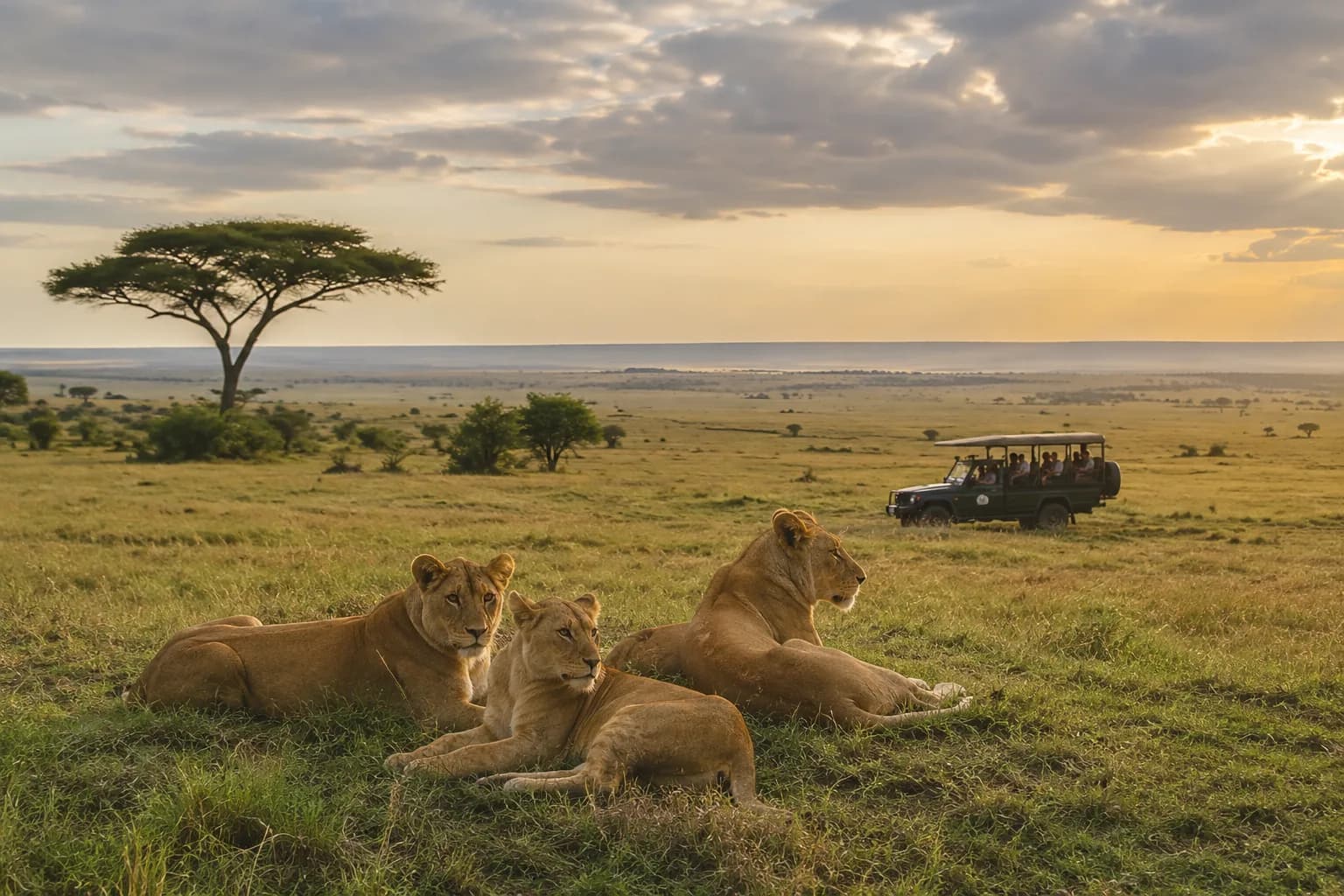
Masai Mara National Reserve
Kenya's Wildlife Theatre, and the Stage for the Great Migration's Final Act
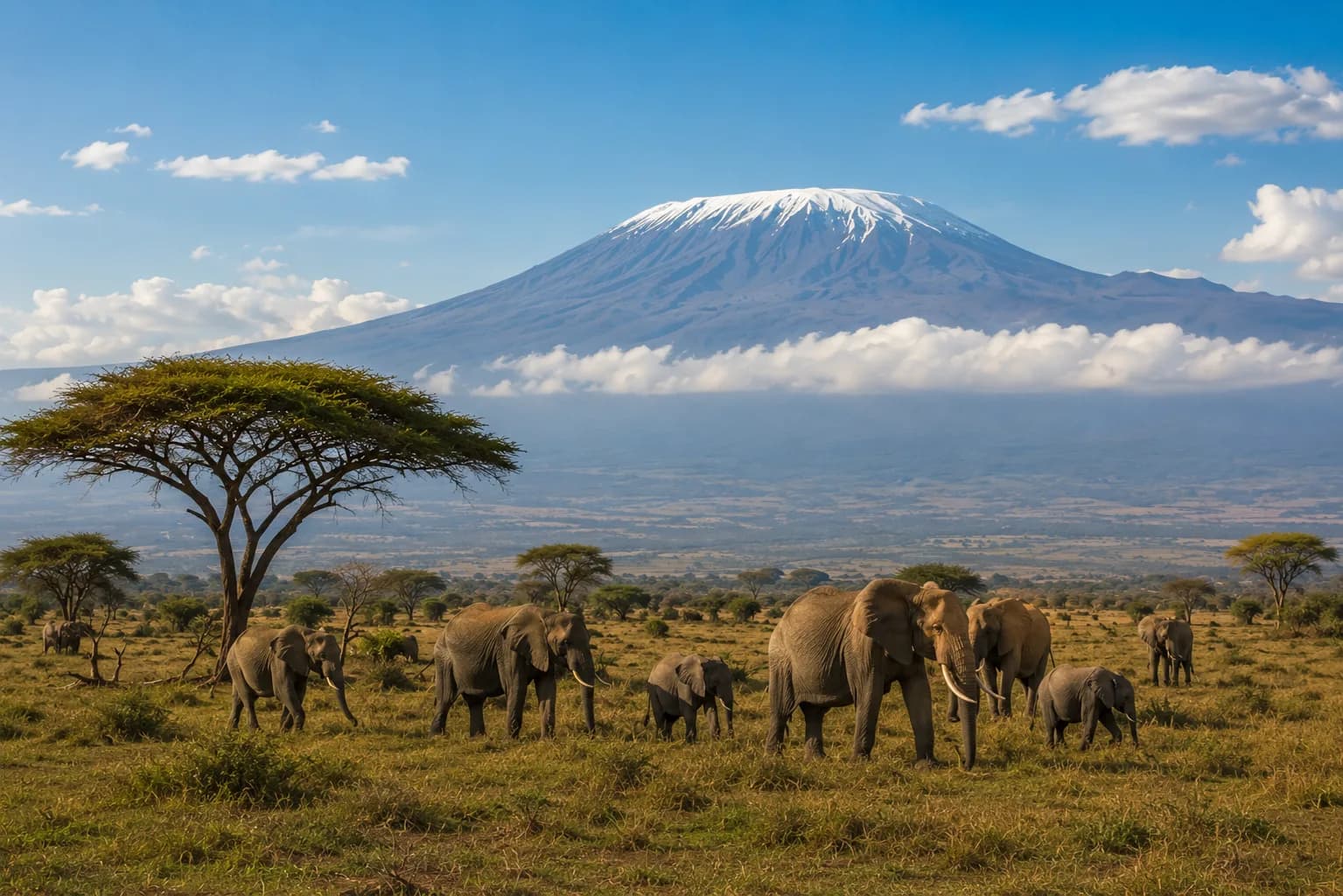
Amboseli National Park
Africa's Most Photographed Backdrop, and Its Gentlest Elephant Herds
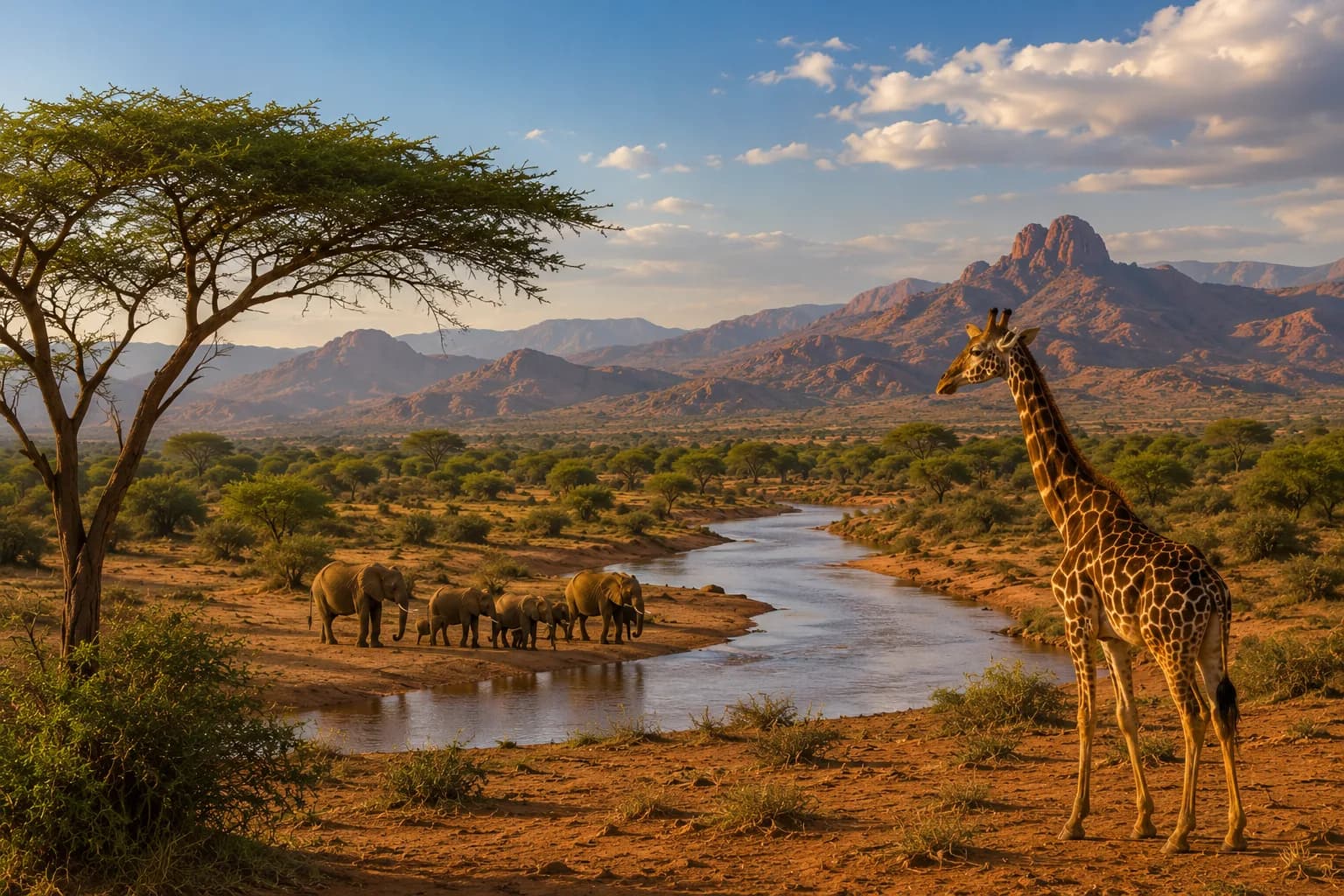
Samburu National Reserve
Northern Kenya's Wilder, Rarer Safari — Species You Won't See in the Mara
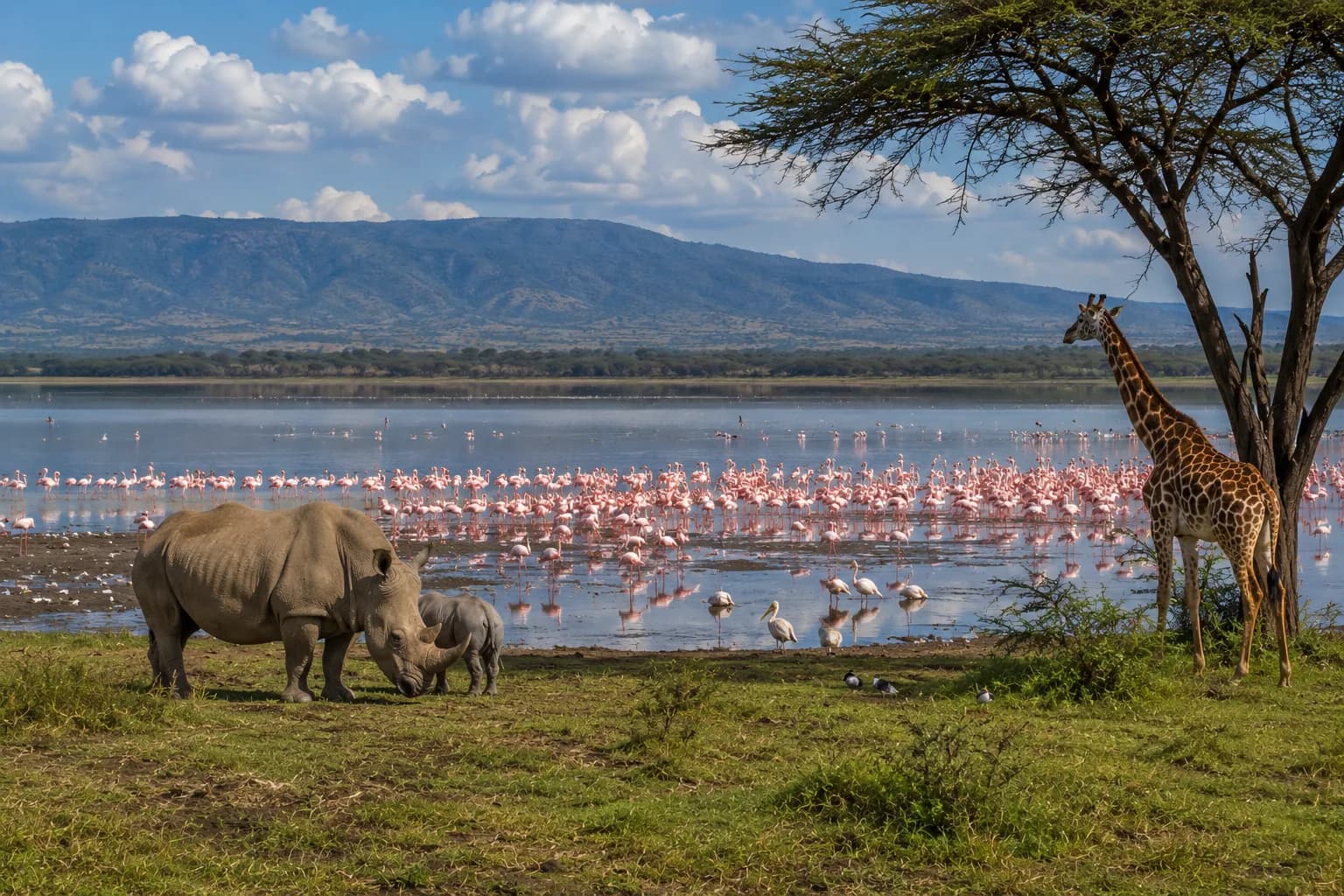
Lake Nakuru National Park
Kenya's First Rhino Sanctuary, on a Rift Valley Lake
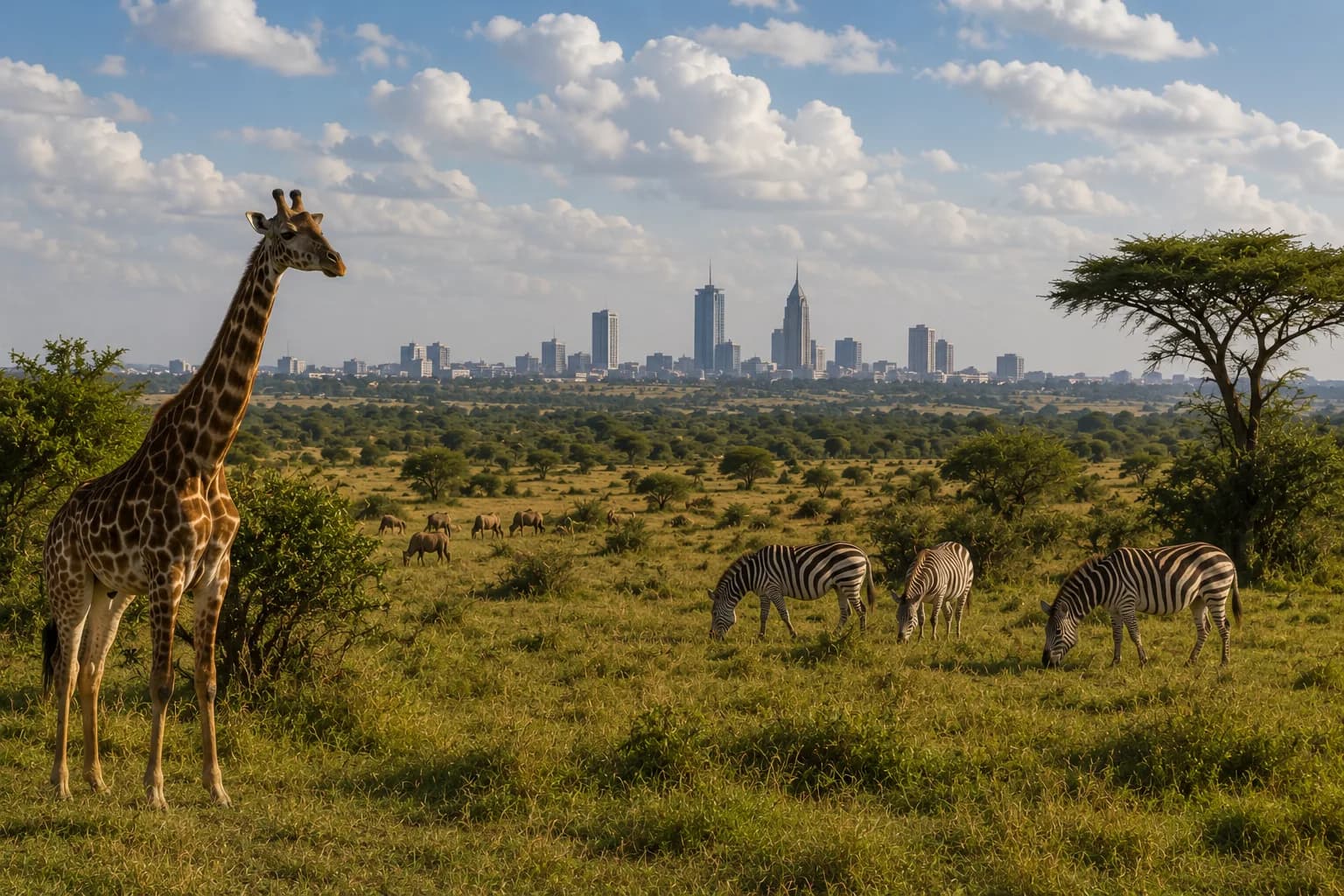
Nairobi National Park
Lions and Rhinos Against a City Skyline — Kenya's First National Park
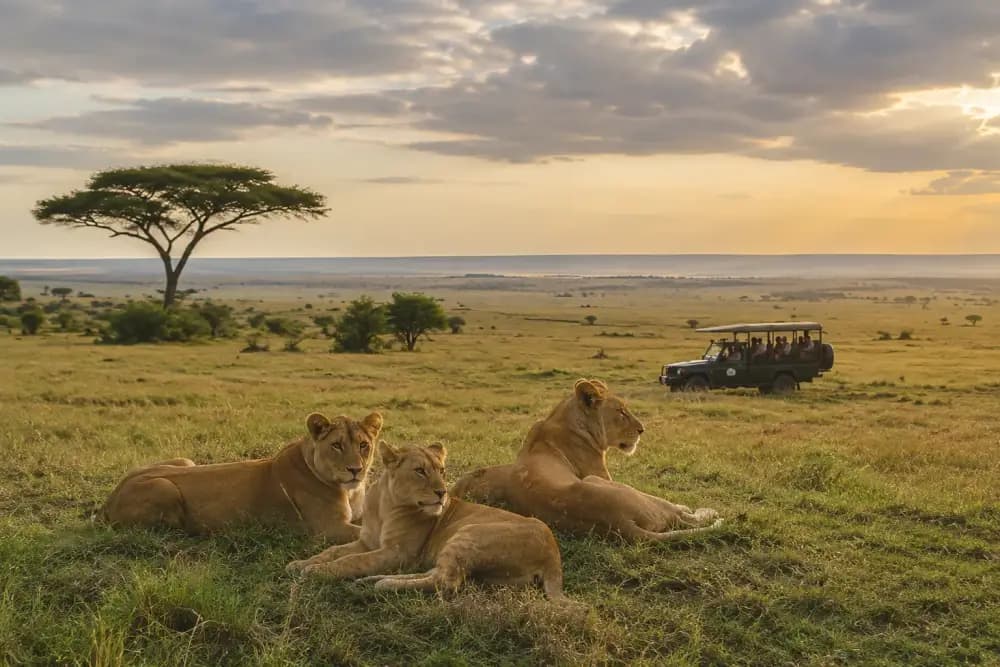
Tsavo West National Park
Kenya's Volcanic Safari — Underwater Hippos and Black Lava Fields
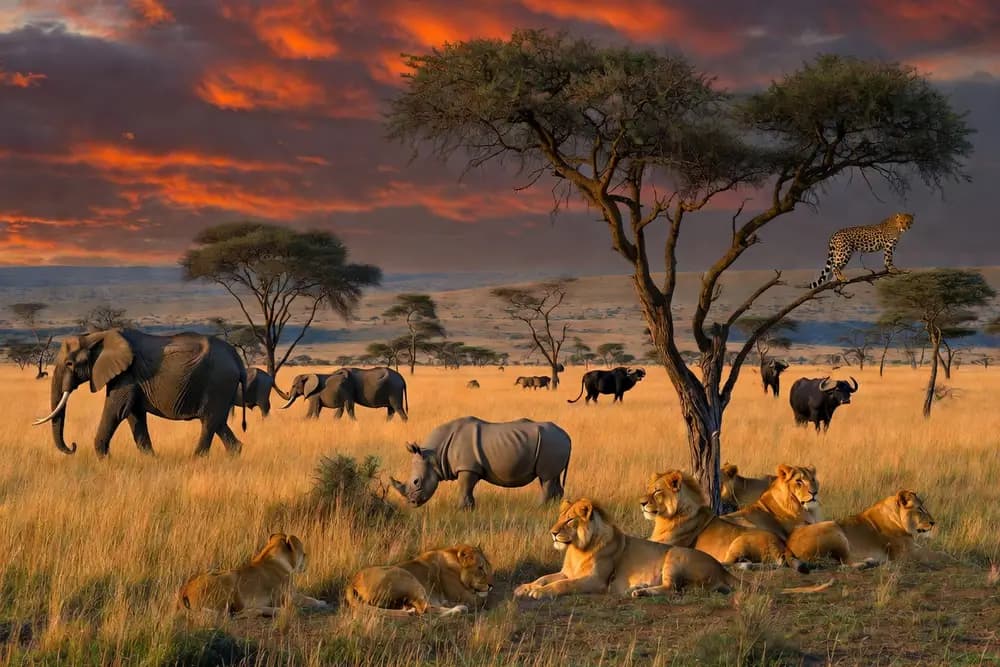
Tsavo East National Park
Kenya's Largest Park — Red Elephants and the Galana River
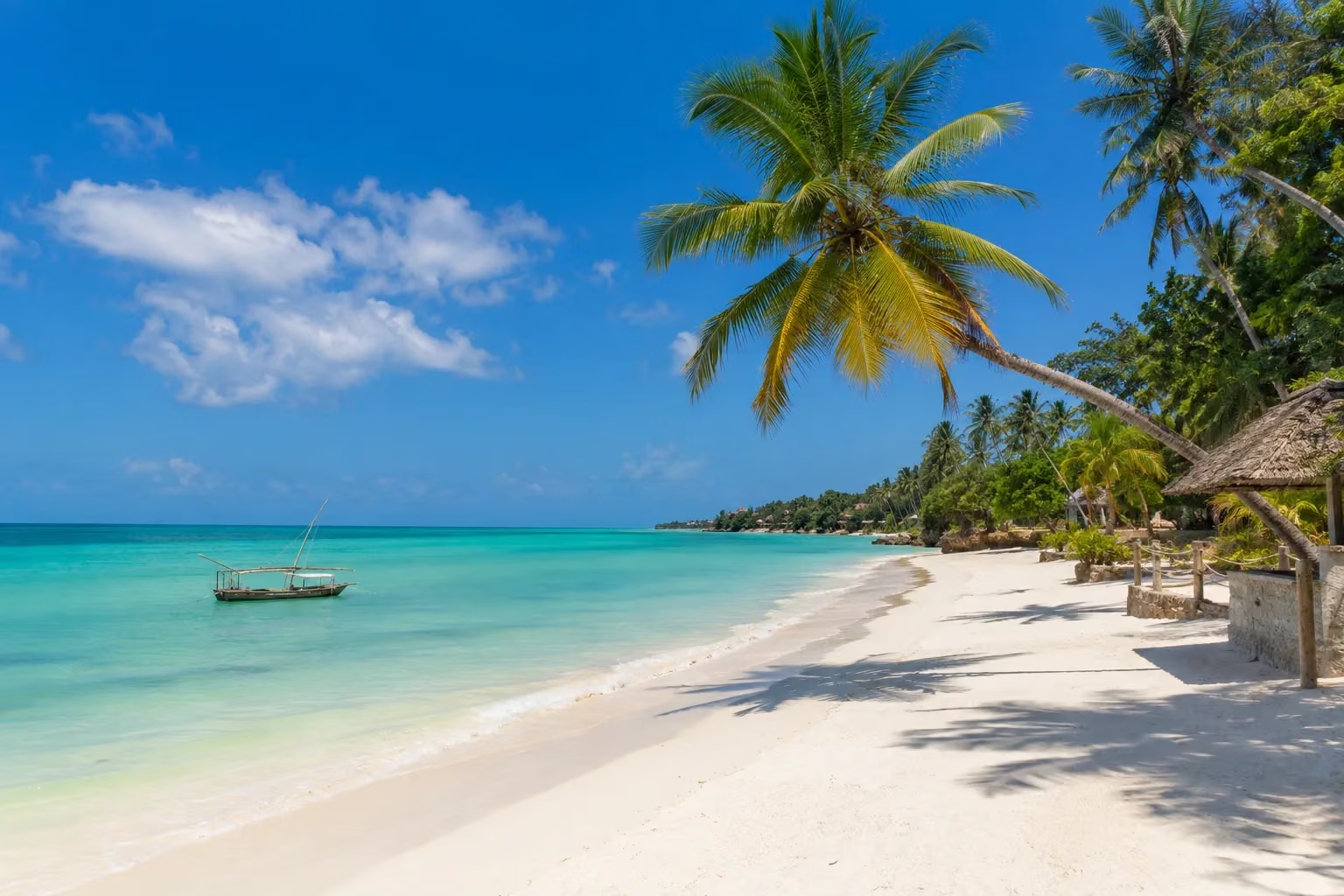
Diani Beach
Kenya's Favourite Beach — 17 km of White Sand South of Mombasa
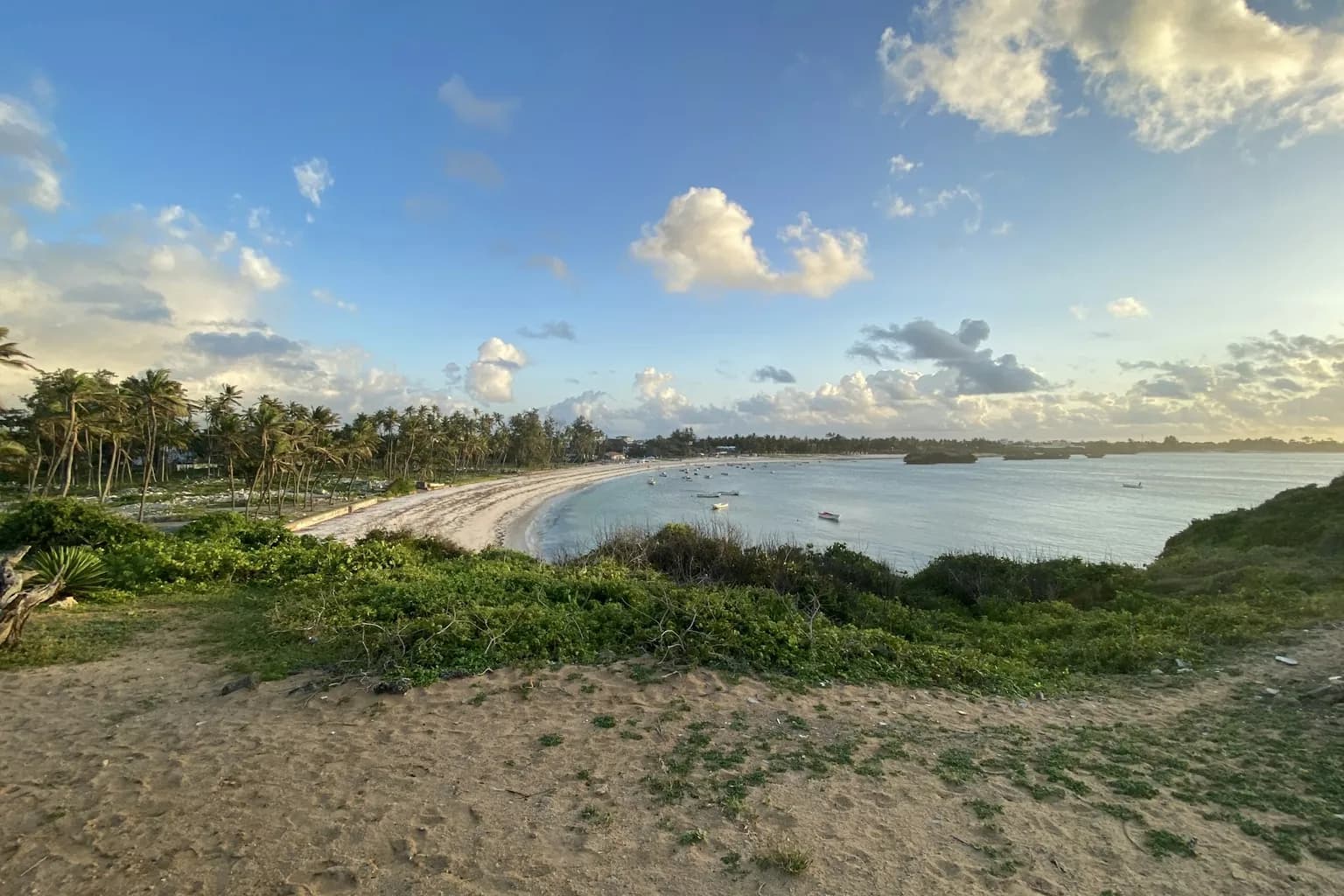
Watamu
Marine Park, Turtles and Mangrove Creeks on the North Coast
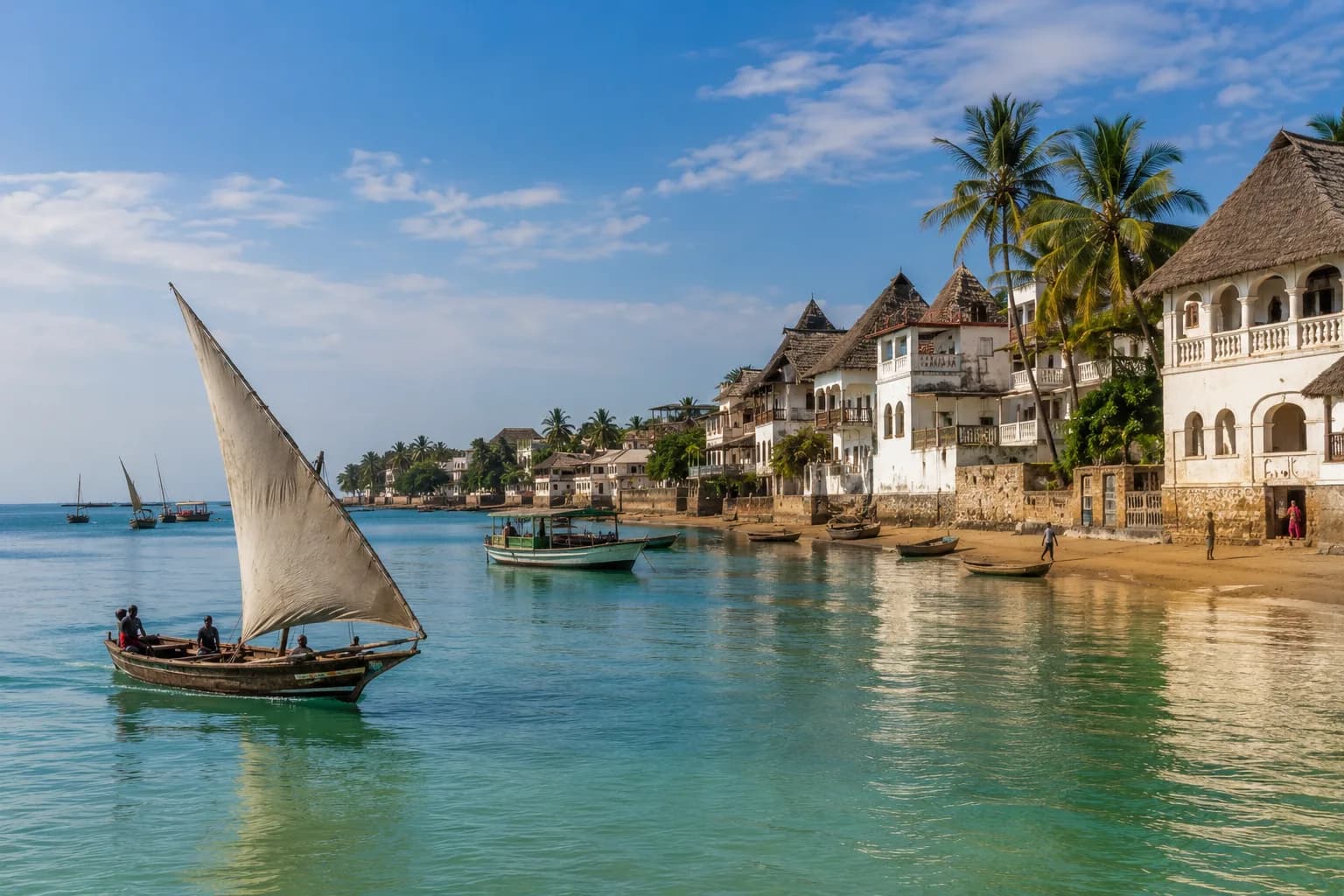
Lamu Archipelago
East Africa's Best-Preserved Swahili Town — Dhows, Donkeys and Shela Beach