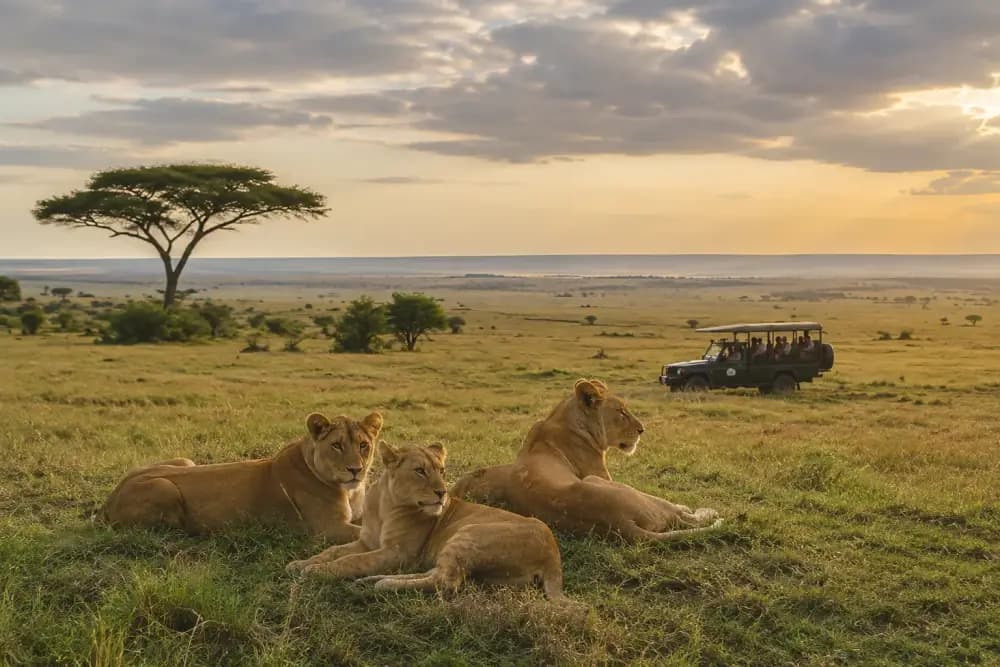
Tsavo West National Park
Tsavo West is the more dramatically varied half of Kenya's largest protected area, defined by black volcanic lava fields, the Chyulu Hills rising to the north, and Mzima Springs — a crystal-clear pool fed by underground Kilimanjaro snowmelt, with an underwater viewing chamber that lets you watch hippos and fish from below the surface. It's a genuinely different landscape from anywhere else in Kenya's safari circuit.
The Shetani lava flow, a stark field of black volcanic rock roughly 200 years old, is a short walk from the main road and one of the few places in Kenya where you can get out of the vehicle to explore a landscape this recent and this raw — Shetani means 'devil' in Swahili, after the eerie, otherworldly terrain it left behind.
Mzima Springs is the park's signature stop: 50 million litres of water a day rise here after filtering through volcanic rock from Kilimanjaro, more than 50km away, and the resulting pool is clear enough for an underwater viewing chamber where hippos and large fish pass within arm's reach of the glass.
Tsavo West is also home to the region's distinctive maneless lions, a local variation whose males typically lack the full mane seen elsewhere in Africa — one of several small but genuine differences that separate a Tsavo safari from a standard Kenya circuit.
Because it's less visited than Amboseli or the Mara, Tsavo West tends to feel remote and uncrowded, with dense Commiphora bush and rolling volcanic hills replacing the open plains most people picture when they think 'safari.'
Highlights
- ◆Mzima Springs — underwater viewing chamber for hippos and fish, fed by Kilimanjaro snowmelt
- ◆Shetani lava flow — a walkable, roughly 200-year-old volcanic landscape
- ◆Distinctive maneless lions, a local variation found in this region
- ◆Chyulu Hills backdrop — young volcanic hills rising along the park's northern edge
- ◆Dense Commiphora bush and volcanic terrain, unlike anywhere else on Kenya's safari circuit
- ◆Lower visitor density than Amboseli or the Masai Mara
Where to Stay
Lodges Near Mzima Springs
Properties positioned close to the springs give you an early or late-day walk to the underwater chamber before the day-trip crowds from Amboseli and the coast arrive.
Tented Camps in the Southern Sector
Quieter camps further south in the park, away from the main road corridor, trading a little convenience for genuinely low visitor density.
Combined Amboseli–Tsavo Packages
Because Tsavo West sits close to Amboseli, many of our guests stay at a single well-positioned property that works for both, rather than relocating for just one or two nights.
Frequently Asked Questions
What's the difference between Tsavo West and Tsavo East?
+
Tsavo West is the more dramatic, varied landscape — volcanic lava fields, the Chyulu Hills, and Mzima Springs' underwater viewing chamber. Tsavo East is flatter and more classically 'safari' in feel, known for its red, dust-bathed elephants and the Galana River. Many itineraries visit both back to back.
Is Mzima Springs worth the stop?
+
Yes — it's one of the few places in Africa where you can watch hippos underwater through a glass viewing chamber, a genuinely different way of seeing wildlife than a standard game drive offers.
How many days do I need in Tsavo West?
+
One to two days covers the main sights (Mzima Springs, the Shetani lava flow) well. Most of our itineraries pair it with a day or two in Tsavo East, or with Amboseli beforehand.
Can I visit Tsavo West as a standalone trip?
+
It's more commonly visited as part of a longer Kenya itinerary — paired with Amboseli, Tsavo East, or the coast — rather than on its own, since the journey there is more easily justified alongside other parks.
Itineraries Featuring Tsavo West National Park
Experiences Here
Other Places in Kenya
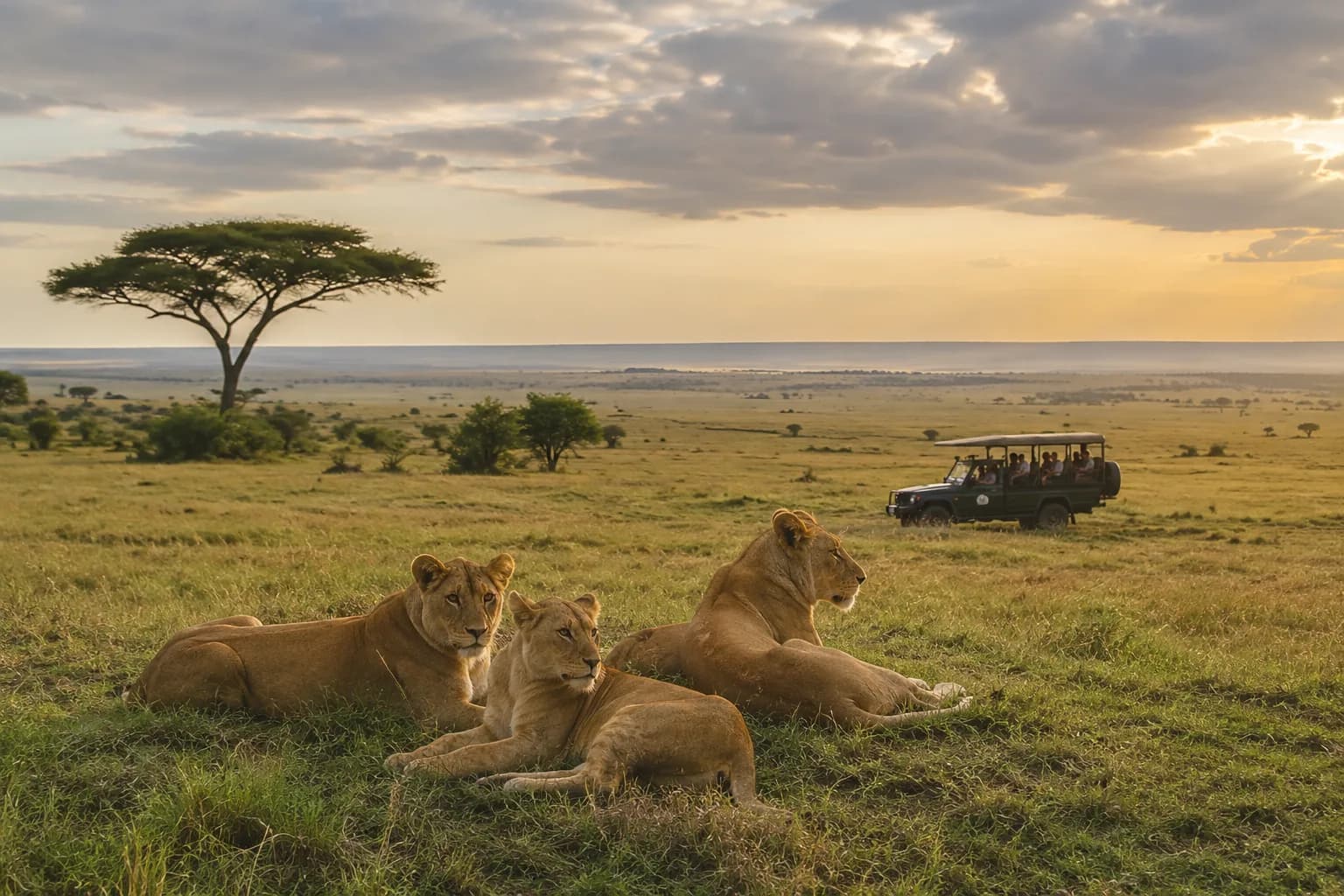
Masai Mara National Reserve
Kenya's Wildlife Theatre, and the Stage for the Great Migration's Final Act
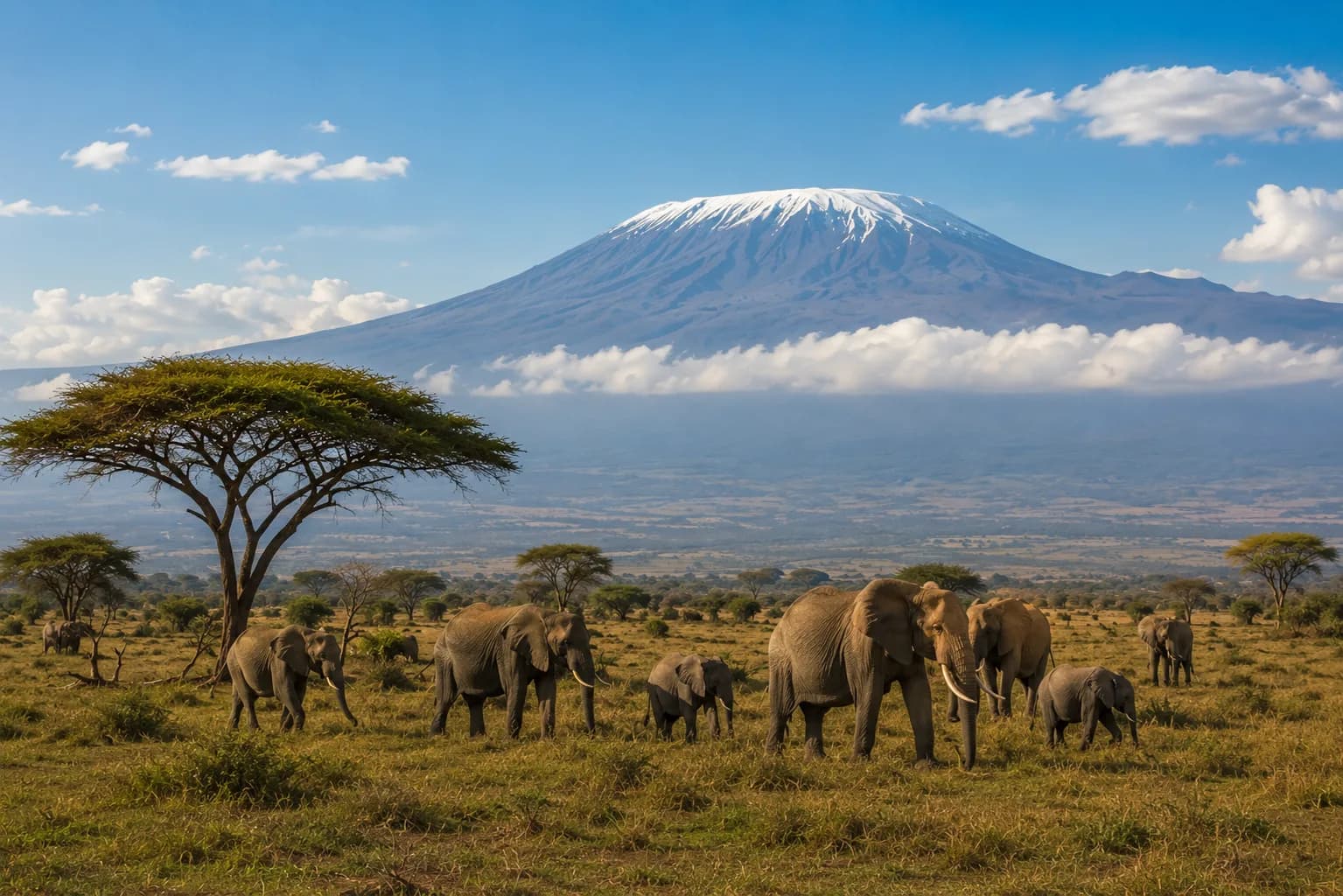
Amboseli National Park
Africa's Most Photographed Backdrop, and Its Gentlest Elephant Herds
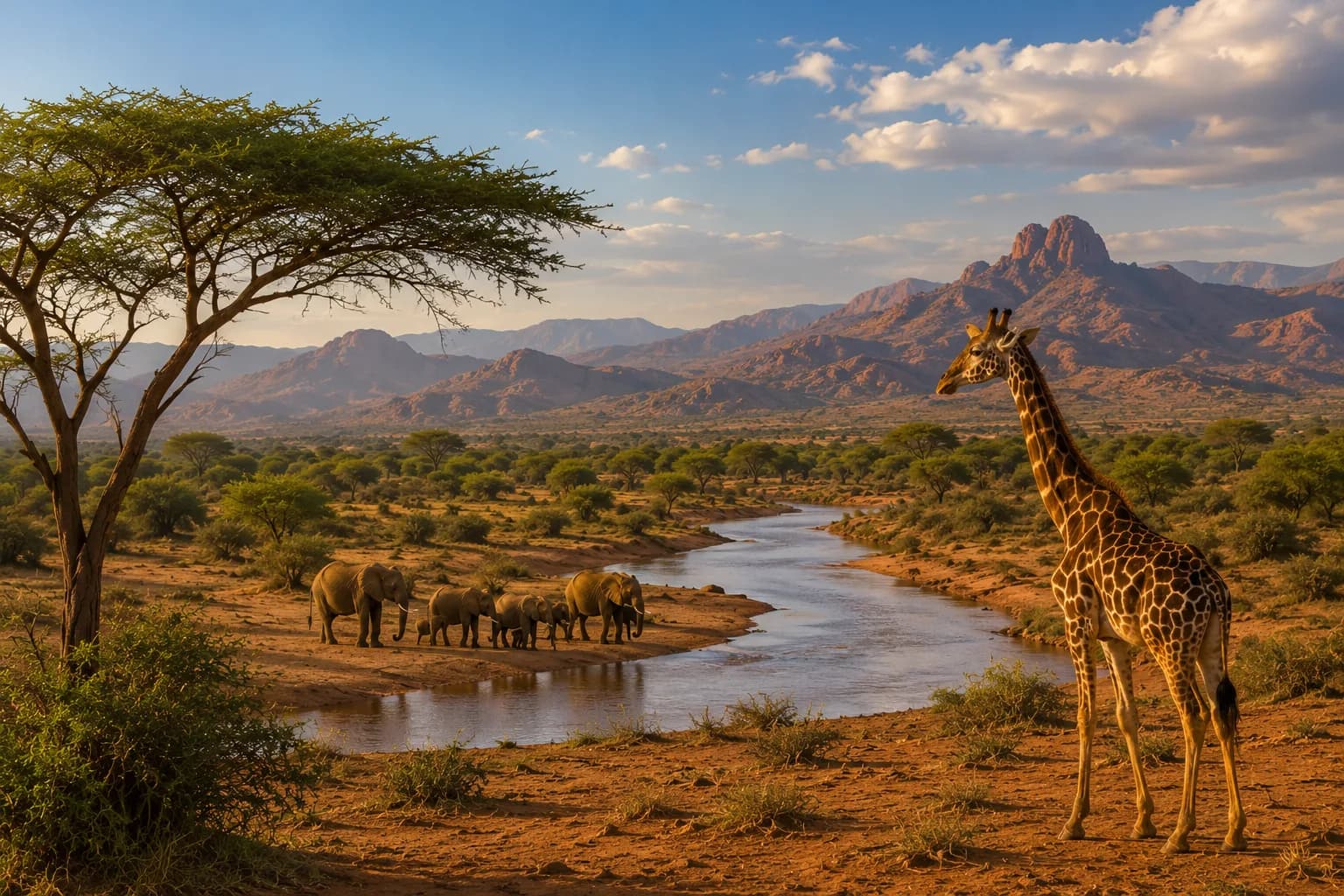
Samburu National Reserve
Northern Kenya's Wilder, Rarer Safari — Species You Won't See in the Mara
Tsavo East National Park
Kenya's Largest Park — Red Elephants and the Galana River