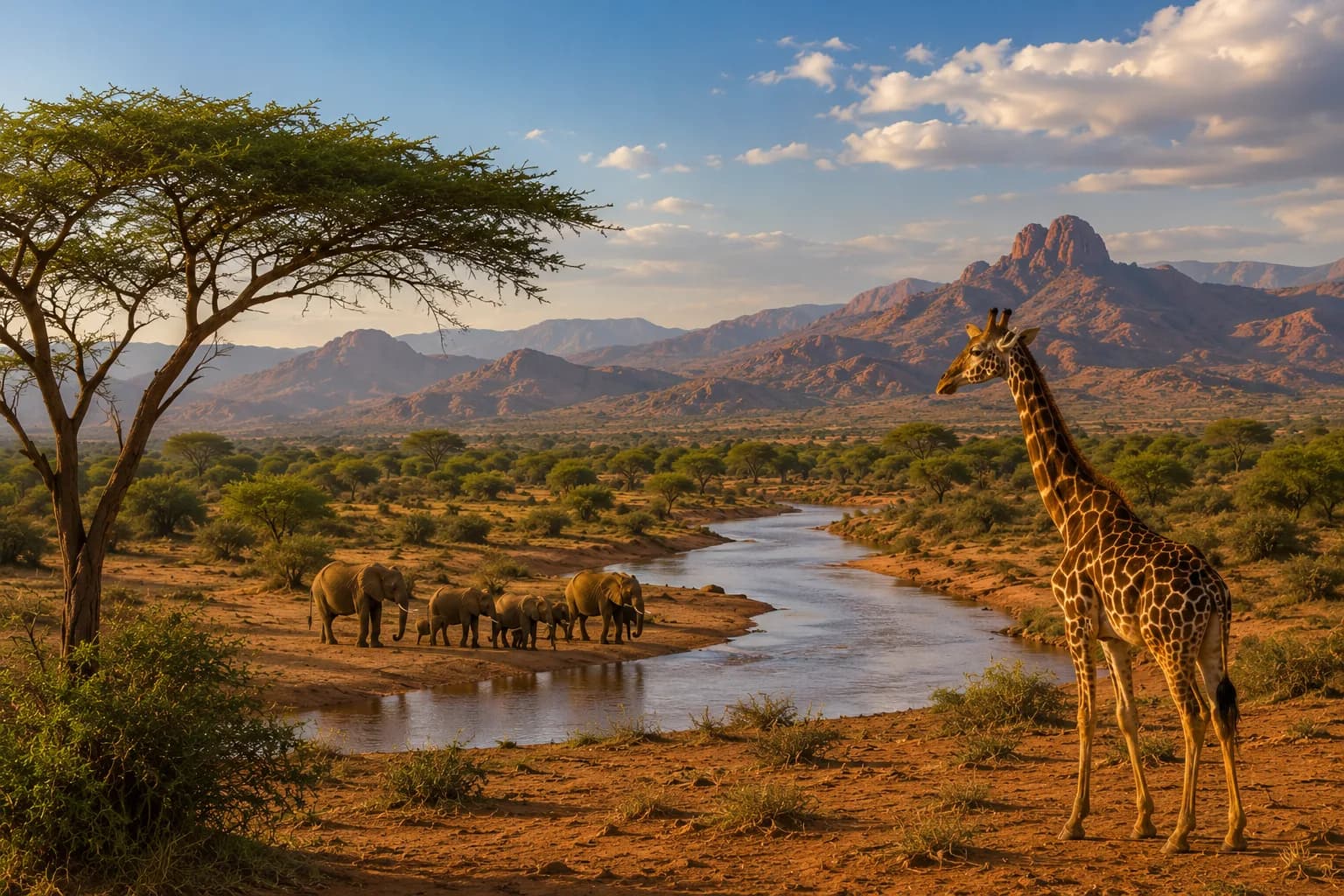
Samburu National Reserve
Samburu National Reserve sits in Kenya's arid north, on the banks of the Ewaso Nyiro River, and it looks and feels genuinely different from the classic green savanna of the Mara or Amboseli — dry scrubland, doum palms, and volcanic outcrops replace open grassland. That different landscape supports a different set of animals: the 'Samburu Special Five,' species adapted to this specific arid ecosystem and rarely or never seen further south.
The Special Five — Grevy's zebra, reticulated giraffe, gerenuk, beisa oryx, and Somali ostrich — are the reason most people come. Grevy's zebra, with its narrower stripes and larger ears, is genuinely endangered (only about 3,000 remain, almost all in northern Kenya); reticulated giraffe has a strikingly geometric coat pattern; gerenuk feeds standing upright on its hind legs to reach thorn-bush browse no other antelope can. None of these are Mara or Amboseli sightings — Samburu is where you go specifically for them.
The Ewaso Nyiro River is the ecosystem's lifeline, and almost all game viewing orients around it — elephant, buffalo, and predators concentrate along its banks, especially in the dry season when it's one of the only reliable water sources for miles. Nile crocodiles here are notably large, a product of the river's permanence.
Samburu is also a genuinely different cultural encounter from a Maasai visit further south. The Samburu people are pastoralists with their own language and traditions, distinct from — though related to — the Maasai, and a Samburu community visit here won't feel like a repeat of one you've done in the Mara.
Because it's further from Nairobi and less visited than Kenya's southern parks, Samburu tends to feel emptier — fewer vehicles per sighting, a quieter, more remote atmosphere that some travellers end up preferring to the busier southern circuit.
Samburu, Buffalo Springs and Shaba
Samburu is one of three reserves along the Ewaso Nyiro. Samburu itself lies on the north bank; Buffalo Springs faces it across the river to the south, named after its spring-fed pools; and Shaba, a little further east, is rockier and quieter — Joy Adamson, of Born Free fame, lived and worked there at the end of her life. The animals move freely between all three, and most guides drive more than one.
- The Special Five: Grevy's zebra, reticulated giraffe, gerenuk, Beisa oryx and Somali ostrich.
- Elephants: Save the Elephants' research station in the reserve has identified more than 900 that use the reserves along the river.
- Leopards in the riverine forest and on the rocky outcrops, with lions and cheetahs on the plains.
- The Ewaso Nyiro: big crocodiles, elephants drinking and bathing, and doum palms along the banks.
- A Samburu village visit, arranged with the community, for its songs, beadwork and pastoral way of life.
Getting there and combining Samburu
Scheduled flights from Nairobi's Wilson Airport reach Samburu's airstrips in about an hour and a quarter, often stopping at Nanyuki or Lewa on the way; by road it is five to six hours via Nanyuki and Isiolo, crossing the Equator. Samburu pairs naturally with Laikipia and Ol Pejeta, two to three hours south by road, and with the Masai Mara by air — the route of our 8-day classic Kenya safari. Plan two or three nights, and expect heat: game drives are best at first light and in the late afternoon.
Highlights
- ◆The 'Samburu Special Five' — Grevy's zebra, reticulated giraffe, gerenuk, beisa oryx, Somali ostrich
- ◆Grevy's zebra — endangered, with the majority of the wild population in this ecosystem
- ◆Ewaso Nyiro River — the ecosystem's lifeline; best game viewing along its banks
- ◆Genuinely distinct Samburu cultural encounters, separate from Maasai communities further south
- ◆Lower visitor density than Kenya's southern safari circuit
- ◆Strong elephant and predator sightings along the riverine forest
Where to Stay
Riverside Luxury Camps
The best camps sit directly on the Ewaso Nyiro's banks, where you can watch elephant and buffalo drink from your tent — arguably Samburu's single best positioning advantage over anywhere else in Kenya.
Conservancy Camps
Properties in the wider Samburu-Laikipia conservancy network offer off-road driving and community-led experiences beyond the reserve's boundaries, often at a gentler pace than the core reserve.
Simple Reserve Lodges
A smaller, more understated set of options than the southern parks — Samburu's lower visitor volume means even modest lodges tend to feel uncrowded.
Frequently Asked Questions
What makes Samburu different from the Masai Mara or Amboseli?
+
Almost everything — the landscape is dry scrubland rather than grassland, and the wildlife is different too: Samburu is the place to see the 'Special Five' species (Grevy's zebra, reticulated giraffe, gerenuk, beisa oryx, Somali ostrich) that you won't find in Kenya's southern parks.
Is Samburu worth visiting if I've already done the Mara?
+
Very much so — it's one of our most recommended 'second safari' destinations for exactly that reason. The species list barely overlaps, and the lower visitor density gives it a genuinely different atmosphere.
How do I get to Samburu?
+
By light aircraft (about 75 minutes from Nairobi) or by road (five to six hours). Most multi-park itineraries fly to save time, since Samburu sits further north than Kenya's other main safari circuits.
Can I visit Samburu on its own, or does it need to be combined with other parks?
+
It works well either way, but most of our guests combine it with Amboseli and the Masai Mara on a flying safari, since Samburu alone is a shorter visit (two to three days) than a full Kenya trip.
What are the Samburu Special Five?
+
Five species adapted to Kenya's dry north that you won't see in the Masai Mara or Amboseli: Grevy's zebra, with narrow stripes and big rounded ears; the reticulated giraffe, with its crisp net pattern; the gerenuk, a long-necked antelope that feeds standing on its hind legs; the Beisa oryx; and the Somali ostrich, whose males have blue-grey necks and legs.
Is Samburu safe to visit?
+
Yes, on a guided safari: the reserves are well run, with ranger patrols and experienced guides, and the great majority of visits pass without incident. As anywhere in Kenya's north, travel with a guide rather than driving yourself on remote routes, and check your government's travel advice before you go.
Itineraries featuring Samburu National Reserve
Experiences Here
Other places in Kenya
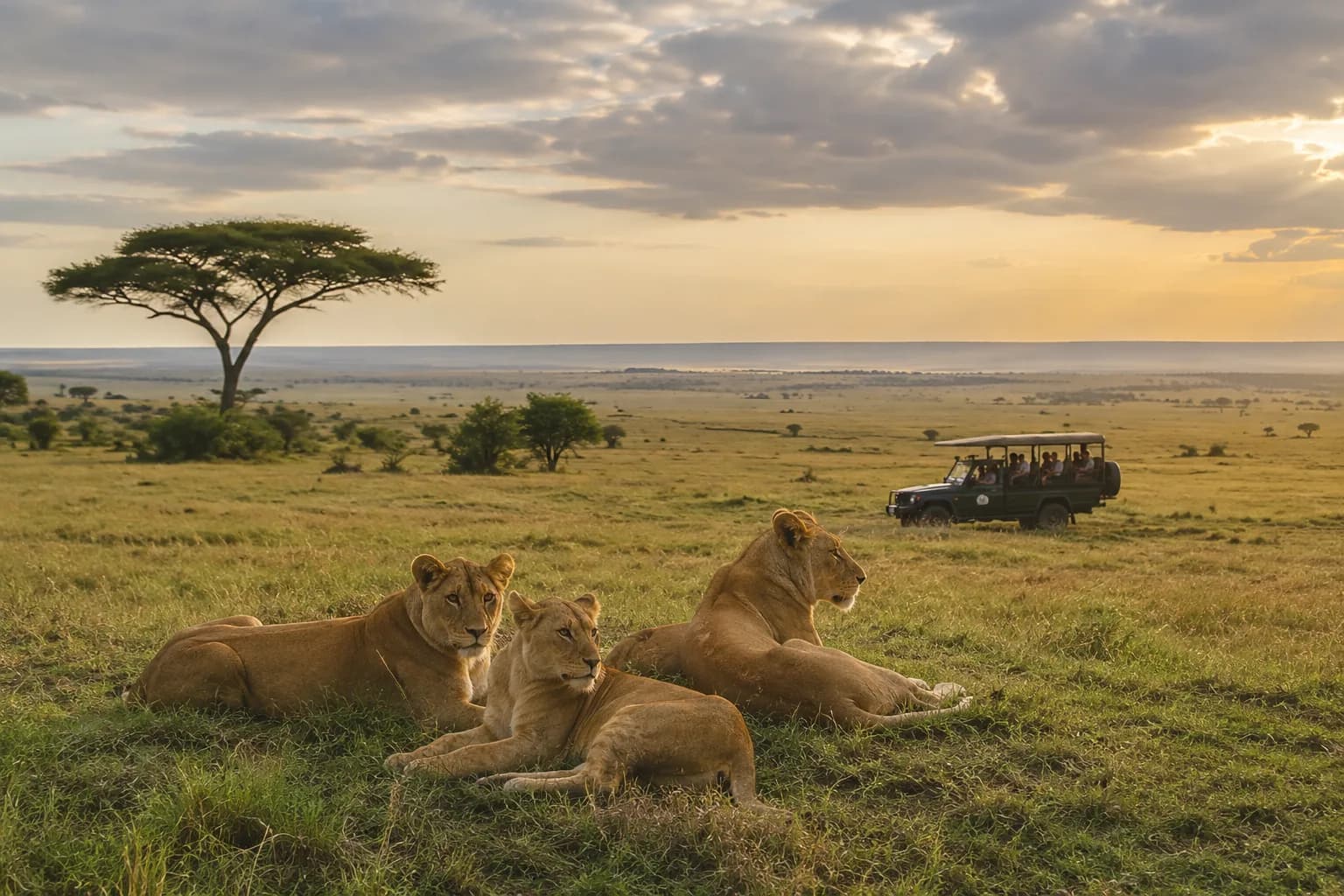
Masai Mara National Reserve
Kenya's Wildlife Theatre, and the Stage for the Great Migration's Final Act
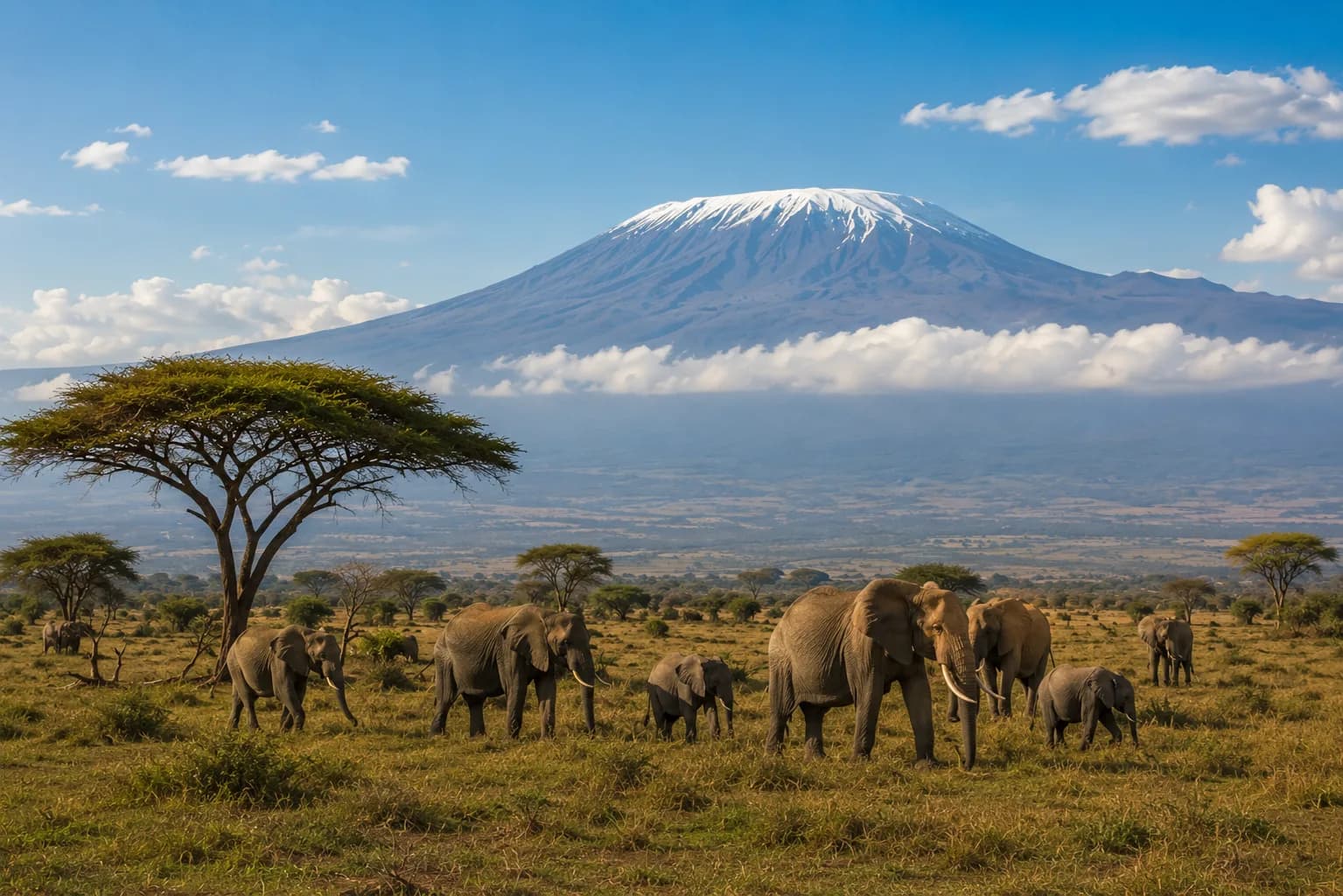
Amboseli National Park
Africa's Most Photographed Backdrop, and Its Gentlest Elephant Herds
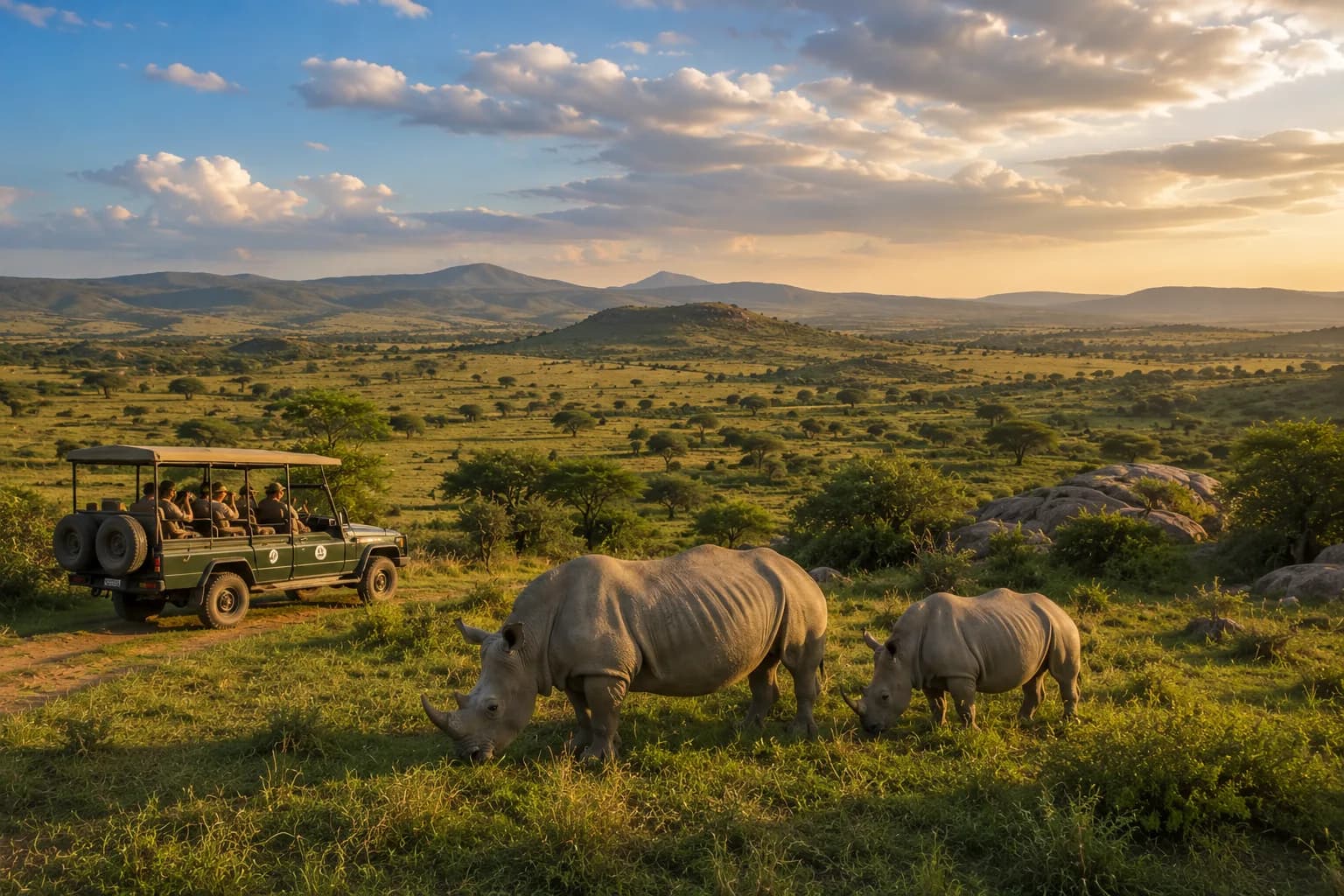
Laikipia & Ol Pejeta
Rhinos, Night Drives and Walking Safaris Between Mount Kenya and the Rift
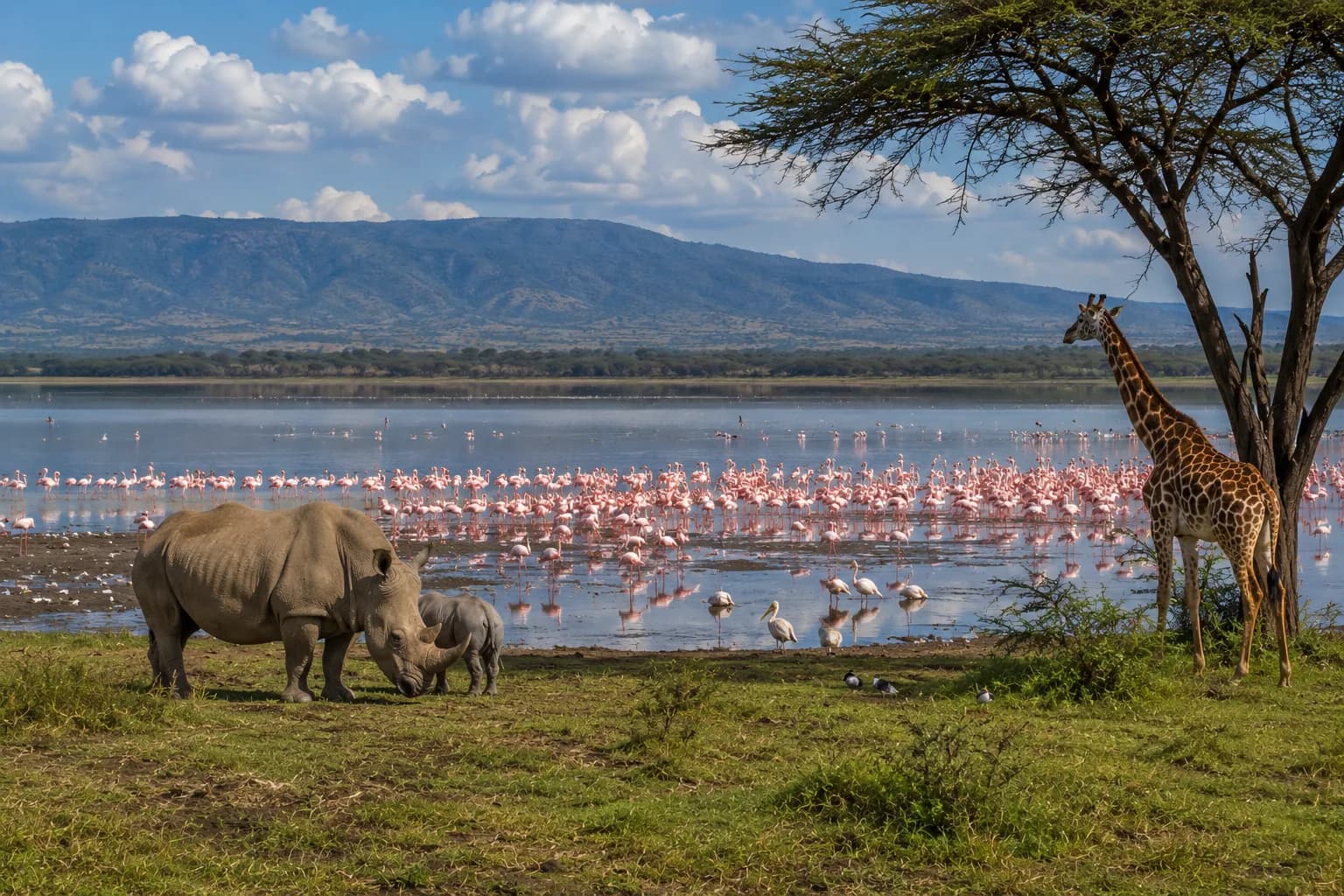
Lake Nakuru National Park
Kenya's First Rhino Sanctuary, on a Rift Valley Lake
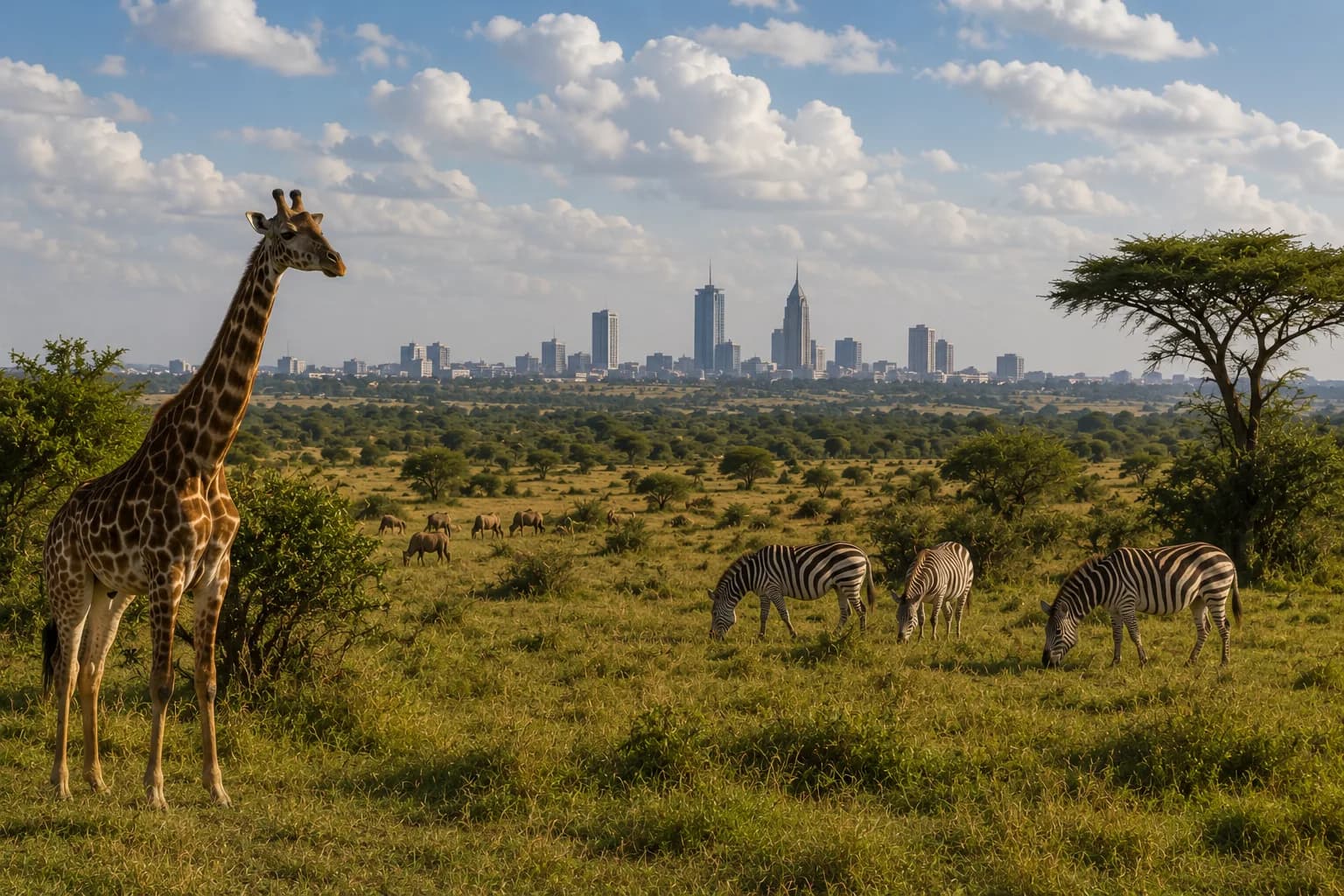
Nairobi National Park
Lions and Rhinos Against a City Skyline — Kenya's First National Park
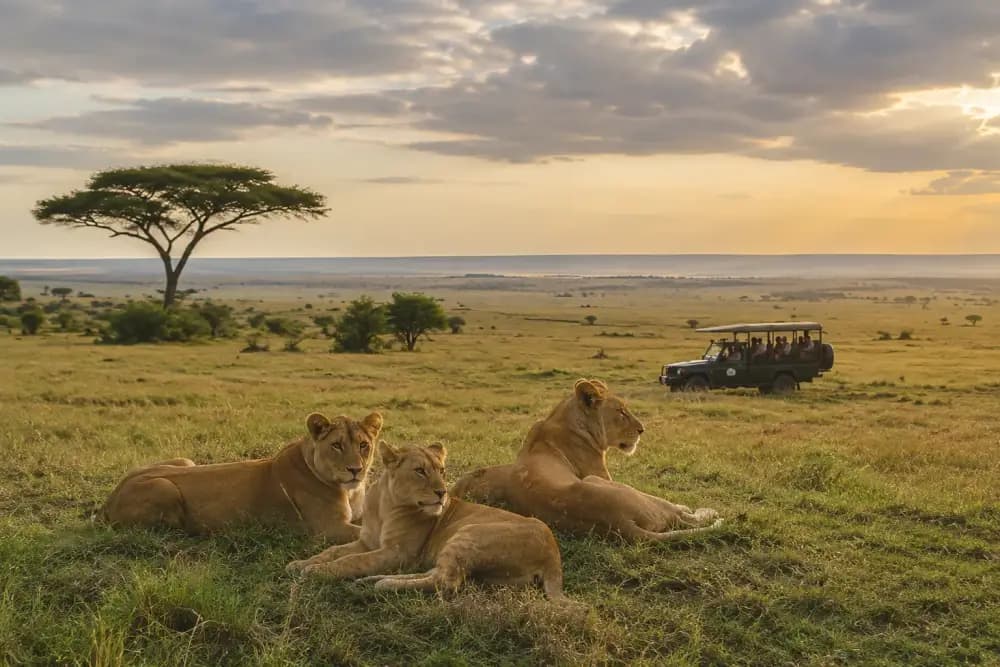
Tsavo West National Park
Kenya's Volcanic Safari — Underwater Hippos and Black Lava Fields
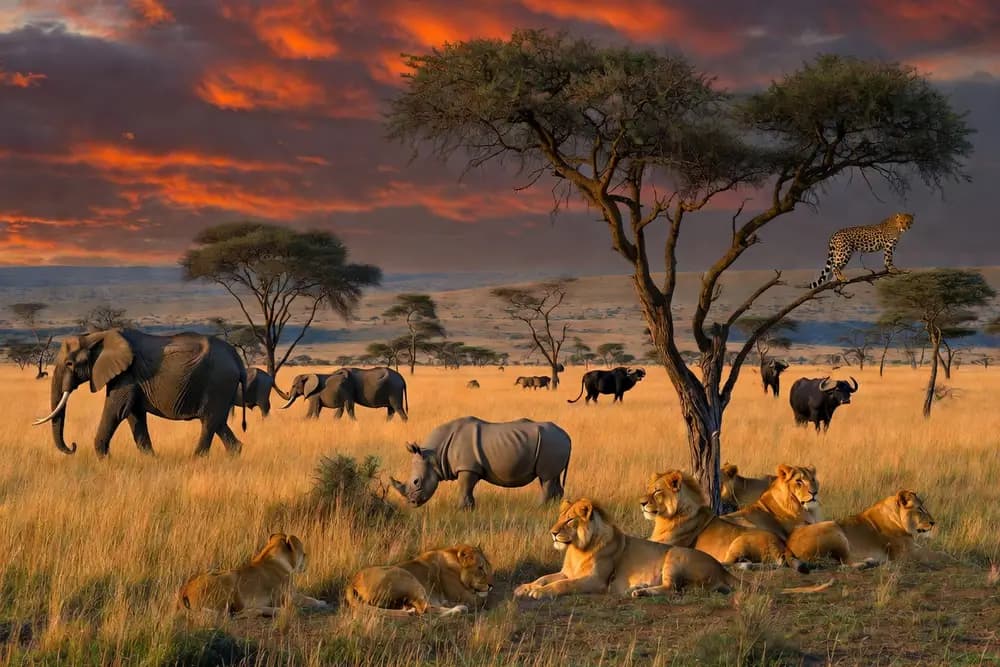
Tsavo East National Park
Kenya's Largest Park — Red Elephants and the Galana River
Diani Beach
Kenya's Favourite Beach — 17 km of White Sand South of Mombasa
Watamu
Marine Park, Turtles and Mangrove Creeks on the North Coast
Lamu Archipelago
East Africa's Best-Preserved Swahili Town — Dhows, Donkeys and Shela Beach