Nairobi National Park
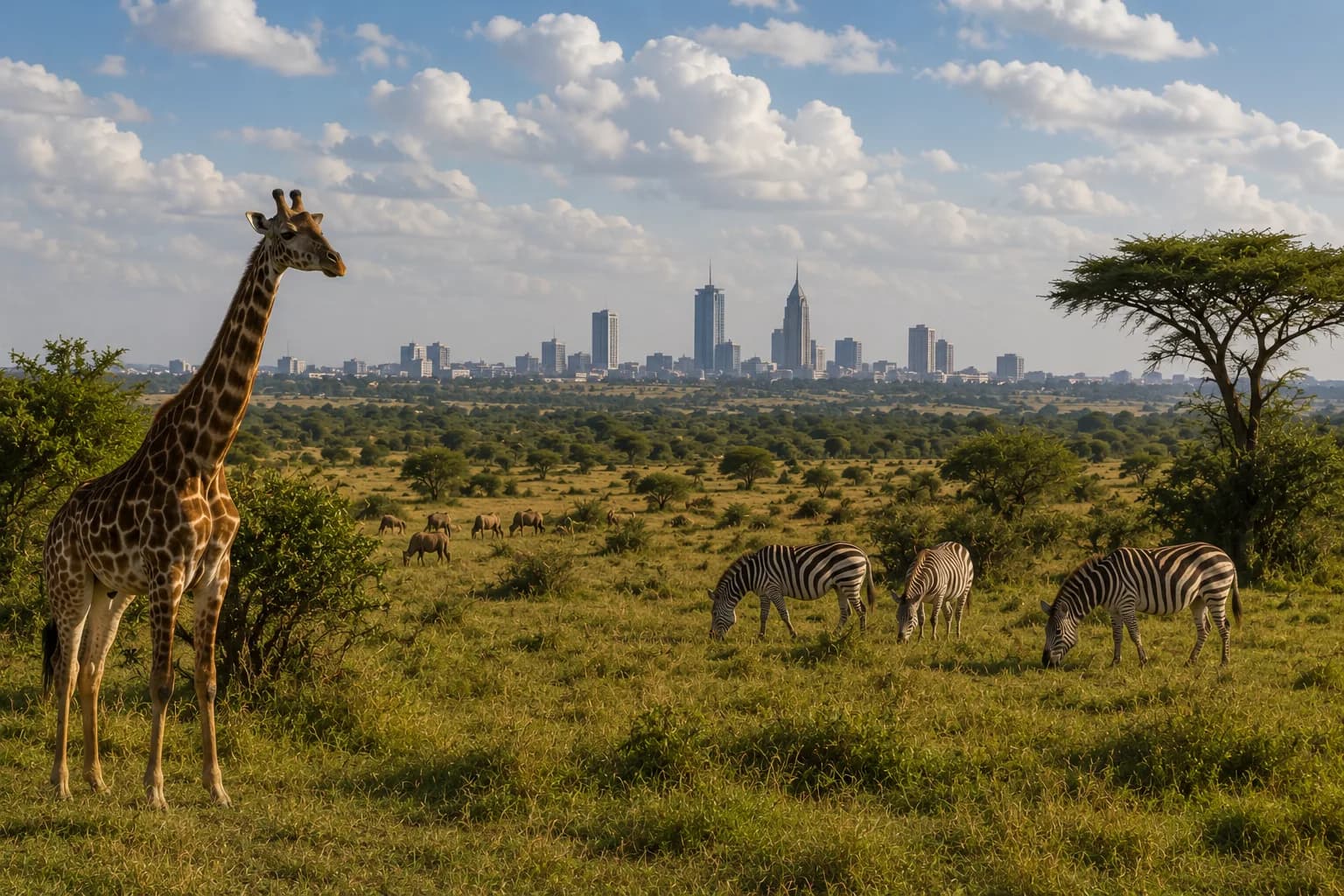
Lions, black rhinos and giraffes with the towers of a capital city on the horizon: Nairobi National Park is Kenya's first national park, gazetted in 1946, and its 117 km² of grassland, acacia and forest begin about 7 km from the city centre. It holds four of the Big Five — lion, leopard, buffalo and rhino — and more than 400 bird species, and it lies minutes from both of Nairobi's airports, so a game drive fits into the first or last morning of almost any Kenya trip.
The park is small but varied. Open grass plains with scattered acacia in the south hold most of the grazers, while rocky valleys and a dry upland forest cover the west, near the main gate on Langata Road. Fences run along the city side, but the southern boundary, the Mbagathi River, is open to the Kitengela and Athi-Kapiti plains, so wildebeest, zebra and eland move in and out with the seasons — and the predators follow them.
Rhinos are the stars. The park is one of Kenya's most important black rhino sanctuaries, its rhinos have helped restock other parks, and on a morning drive you have a better chance of finding one here than in the Masai Mara. Lions are seen on many visits — Kenya Wildlife Service names three resident prides — along with buffalo, giraffe, hippos at the Hippo Pools, cheetahs on the plains at times and, for the lucky, leopards. There are no wild elephants; you meet orphaned ones at the Sheldrick nursery inside the park.
Two places tell the story of Kenya's fight against poaching. At the Ivory Burning Site, just inside the main gate, President Daniel arap Moi set fire to 12 tonnes of ivory in 1989, and in 2016 Kenya burned 105 tonnes of ivory and more than a tonne of rhino horn. Nearby, the Nairobi Safari Walk — a raised boardwalk past animals rescued by Kenya Wildlife Service — and the Animal Orphanage make a short, easy add-on with children.
The gates open at 06:00 and close at 18:00, and entry is cashless, paid through Kenya Wildlife Service's eCitizen system. Most visitors come for a half-day game drive of three or four hours from 06:00, when the light is soft and the animals most active — on arrival day, before a bush flight from Wilson, on the way to a late flight from JKIA or on a long layover. Add the Sheldrick elephant nursery at 11:00 and the Giraffe Centre in Langata, and you have Nairobi's best day.
How to visit Nairobi National Park
- Half-day game drive: from 06:00, when the gates open, for three to four hours — the best light and the most active animals. Late afternoon, from about 15:00 until the gates close, is the next best time.
- On a layover: JKIA is beside the park, so eight hours or more between flights leaves time for a game drive. You need an approved eTA to leave the airport.
- Before a bush flight: most flights to the Mara, Samburu and Laikipia leave from Wilson Airport, a few minutes from the main gate.
- Sheldrick elephant nursery: the public visit runs daily from 11:00 to 12:00 (closed 25 December), by advance booking only, with a minimum donation of US$20 per adult in cash; Nairobi National Park entry fees apply too.
- Hippo Pools: a short walking trail beside the Mbagathi River — one of the few places where you can leave the vehicle.
- Ivory Burning Site: the monument where Kenya burned 105 tonnes of ivory in 2016.
- Photography: giraffes and rhinos with the skyline behind are the classic shot; bring a long lens, as vehicles must stay on the tracks.
Nairobi National Park or the Masai Mara?
They do different jobs. Nairobi National Park is the best half-day of wildlife you can have from a city — rhinos are easier to find here than in the Mara, and you're back for lunch — but it is small, the city is never far away, and there are no elephants or great migration herds. Use it to start or finish a trip, and save your safari nights for the Masai Mara, Amboseli or Laikipia.
Highlights
- ◆Kenya's first national park, gazetted in 1946, about 7 km from the city centre
- ◆One of Kenya's most important black rhino sanctuaries
- ◆Lions, buffalo, giraffes and more than 400 bird species, with the skyline behind
- ◆The Sheldrick Wildlife Trust's elephant nursery, inside the park
- ◆The Ivory Burning Site, where Kenya burned 105 tonnes of ivory in 2016
- ◆Minutes from Wilson Airport and JKIA — a game drive on arrival, departure or a layover
Where to Stay
Inside the park — Nairobi Tented Camp
The only place to stay inside the park: a small, unfenced camp of tents in the forest, where Maasai guides walk you to your tent after dark and the game drive starts at the door.
On the park's edge — Ole Sereni
A hotel on Mombasa Road whose terrace looks straight into the park — wildlife from the breakfast table, and close to JKIA for a first or last night.
Karen and Langata — garden hotels
Leafy suburbs on the park's western side, near the main gate, the Giraffe Centre and the Sheldrick nursery — from boutique hotels such as Hemingways to Giraffe Manor.
Frequently Asked Questions
Is Nairobi National Park worth visiting?
+
Yes, as a half-day: it is one of the easiest places in Kenya to see black rhinos, lions are seen on many drives, and the skyline behind the animals makes photographs you can't take anywhere else. It is small and has no elephants, so treat it as a bonus to a Mara, Amboseli or Laikipia safari rather than a replacement.
What animals can you see in Nairobi National Park?
+
Four of the Big Five — lion, leopard, buffalo and black rhino — plus giraffe, zebra, wildebeest, eland, hippo, cheetah at times and more than 400 bird species. There are no wild elephants: you can see orphaned ones at the Sheldrick nursery inside the park.
What are the opening hours of Nairobi National Park?
+
The gates open at 06:00 and close at 18:00 every day. Entry is cashless, paid through Kenya Wildlife Service's eCitizen system; if you travel with us, we arrange it when we book your drive.
How long do you need in Nairobi National Park?
+
Three to four hours covers it well — start at 06:00 for the best light and the most active animals. With a full day, add the Hippo Pools trail, a picnic and the Sheldrick nursery at 11:00.
Can I visit Nairobi National Park on a layover?
+
Yes. JKIA is beside the park, so eight hours or more between flights leaves time for a game drive. You need an approved eTA to leave the airport.
Are there elephants in Nairobi National Park?
+
No wild ones. The Sheldrick Wildlife Trust's nursery inside the park raises orphaned elephants, and you can watch them at the public visit from 11:00 to 12:00, booked in advance.
Itineraries featuring Nairobi National Park
Experiences Here
Other places in Kenya
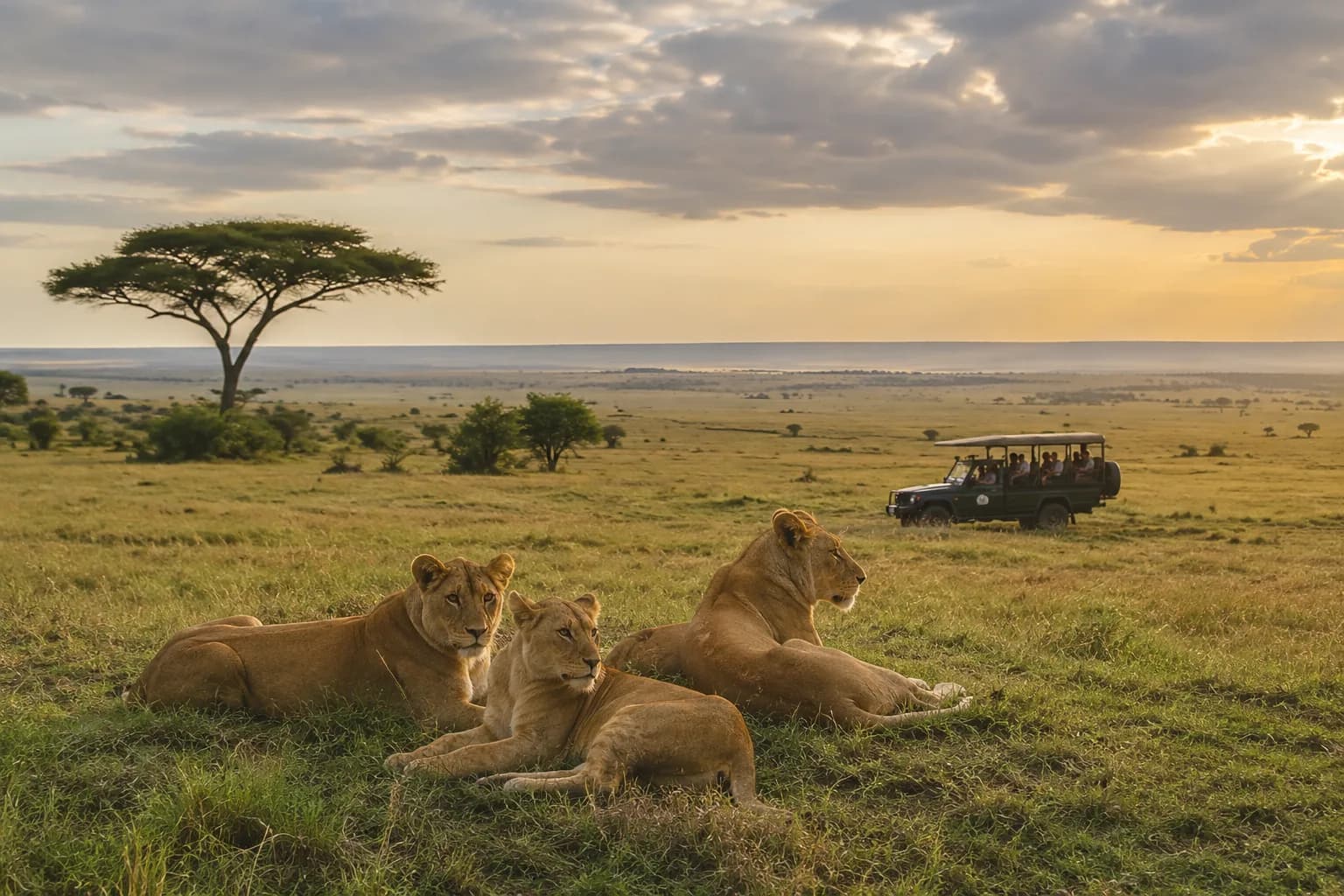
Masai Mara National Reserve
Kenya's Wildlife Theatre, and the Stage for the Great Migration's Final Act
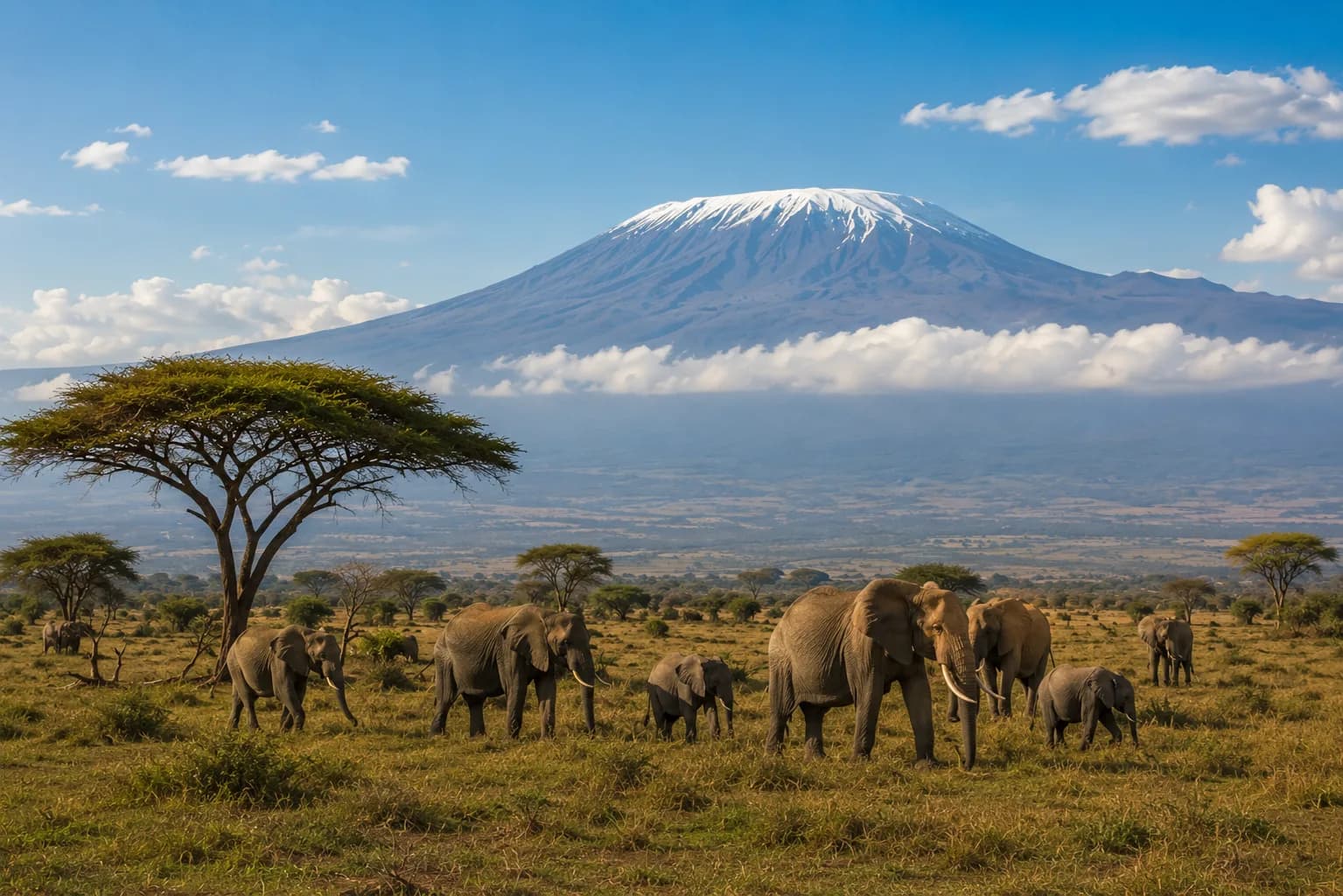
Amboseli National Park
Africa's Most Photographed Backdrop, and Its Gentlest Elephant Herds
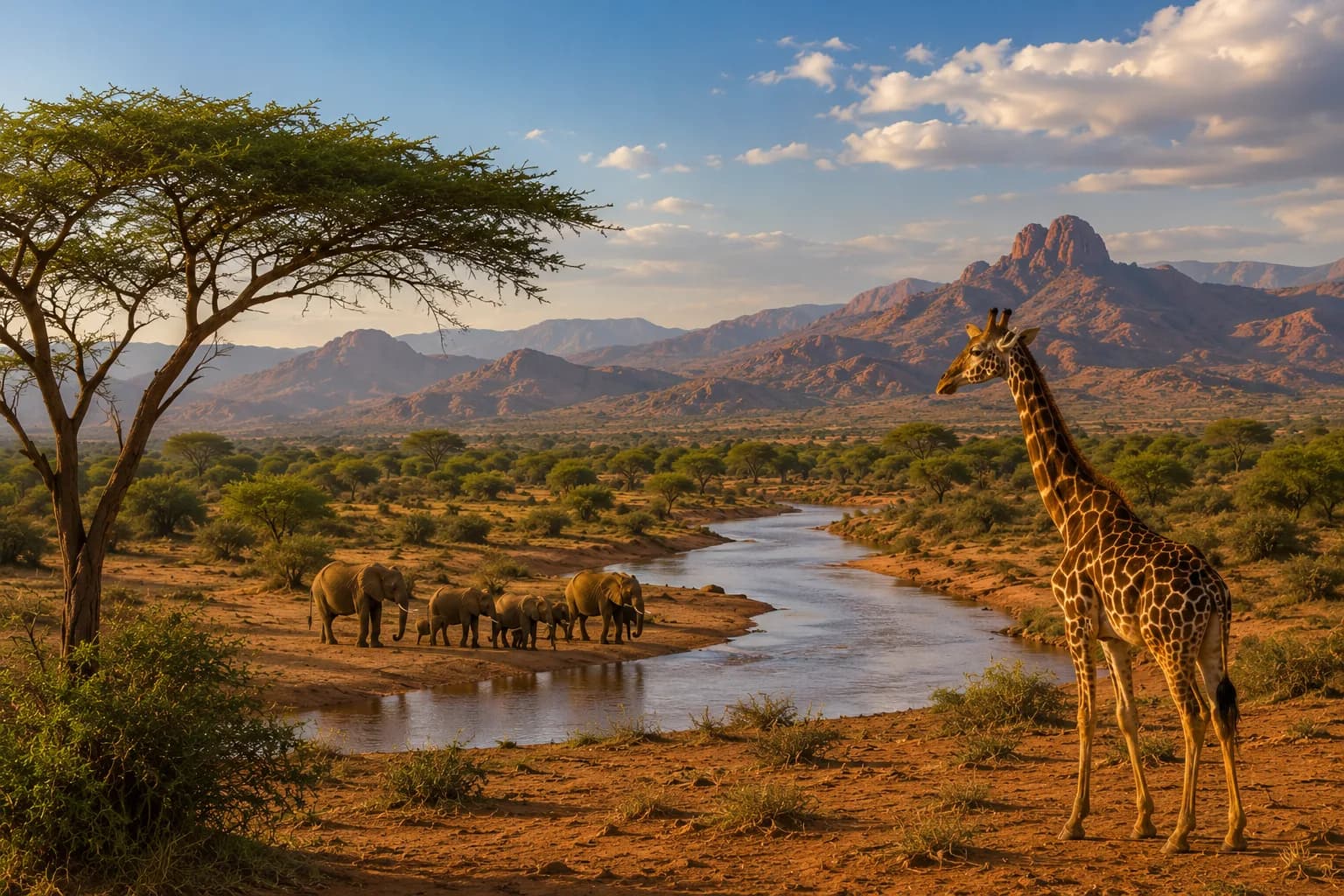
Samburu National Reserve
Northern Kenya's Wilder, Rarer Safari — Species You Won't See in the Mara
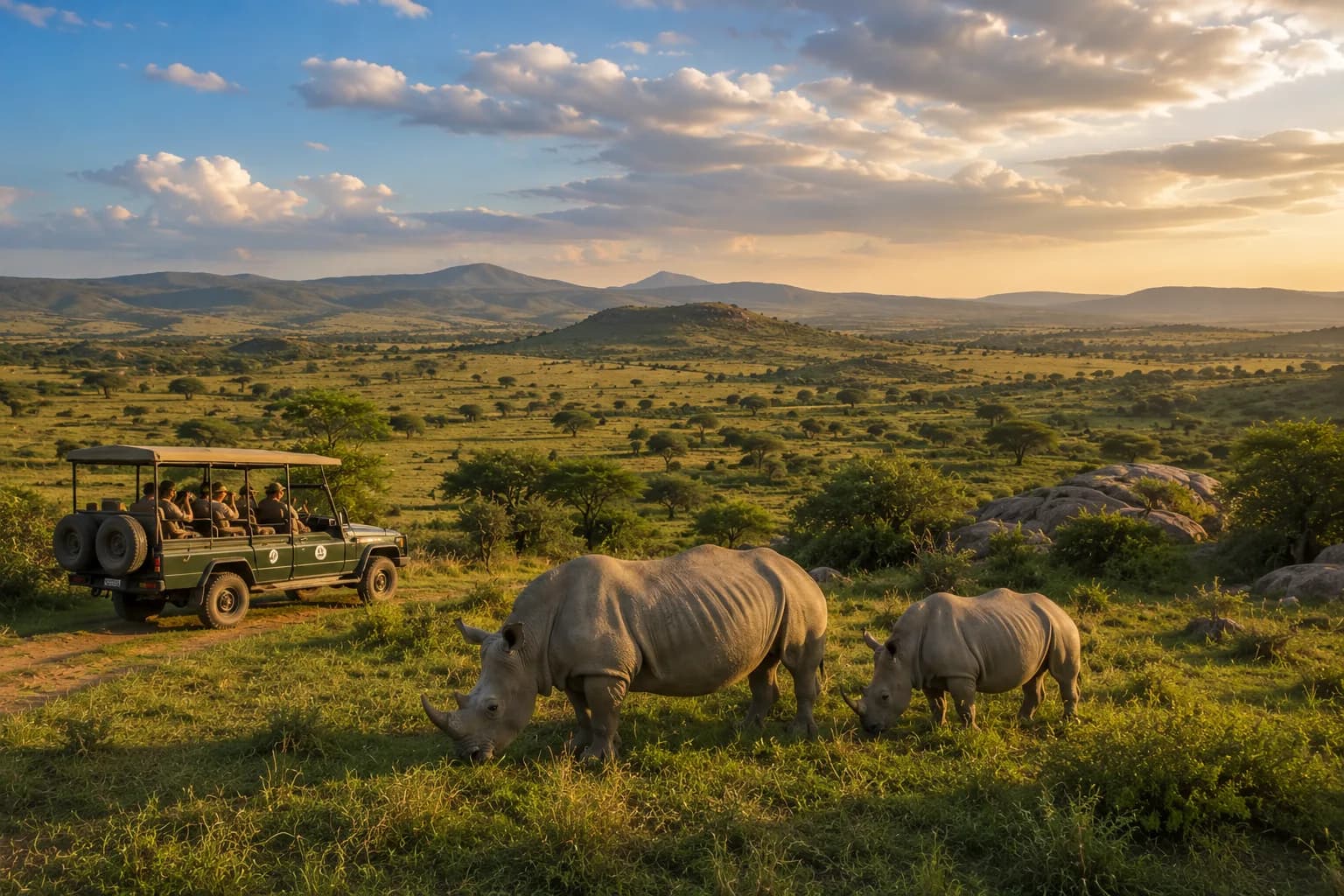
Laikipia & Ol Pejeta
Rhinos, Night Drives and Walking Safaris Between Mount Kenya and the Rift
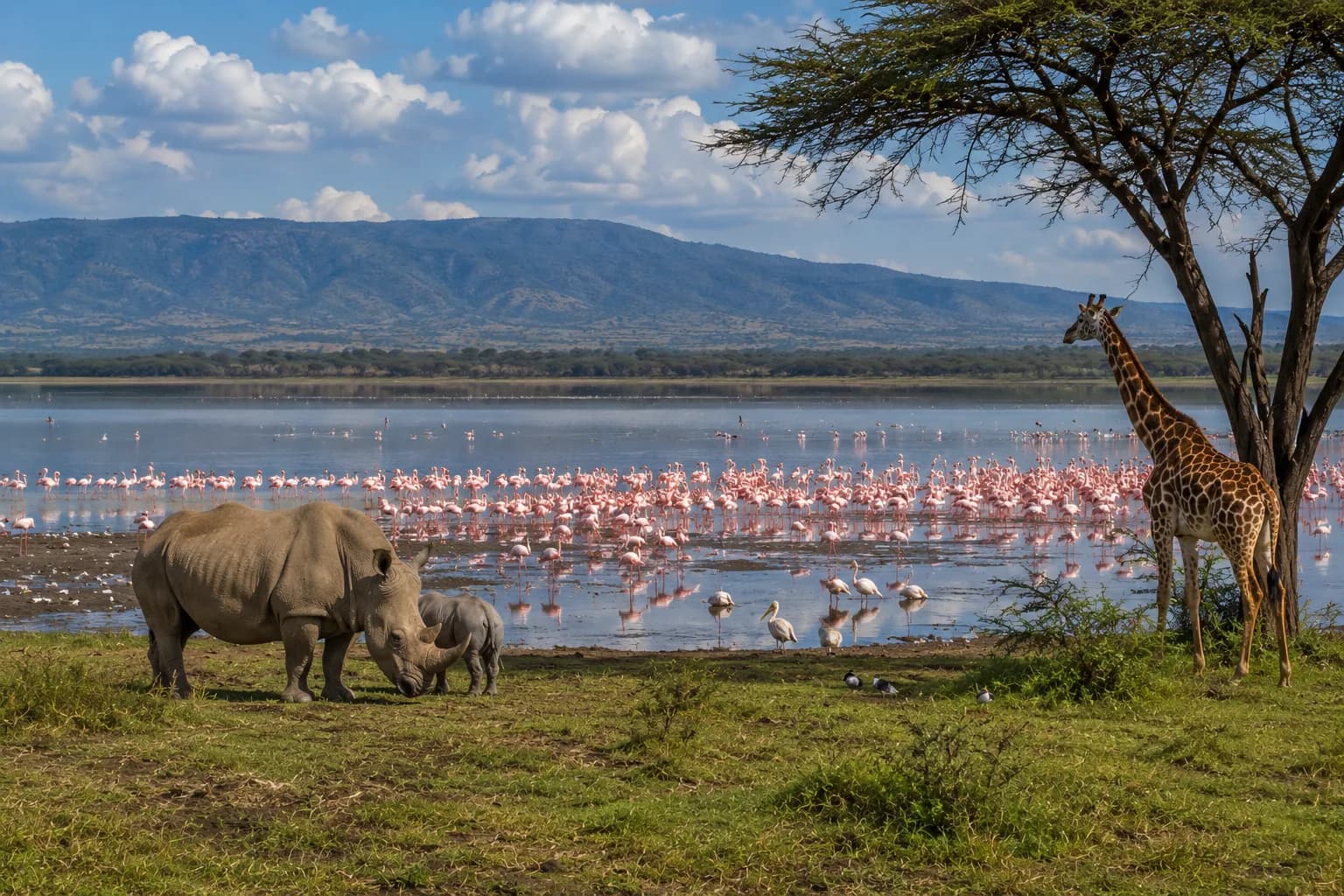
Lake Nakuru National Park
Kenya's First Rhino Sanctuary, on a Rift Valley Lake
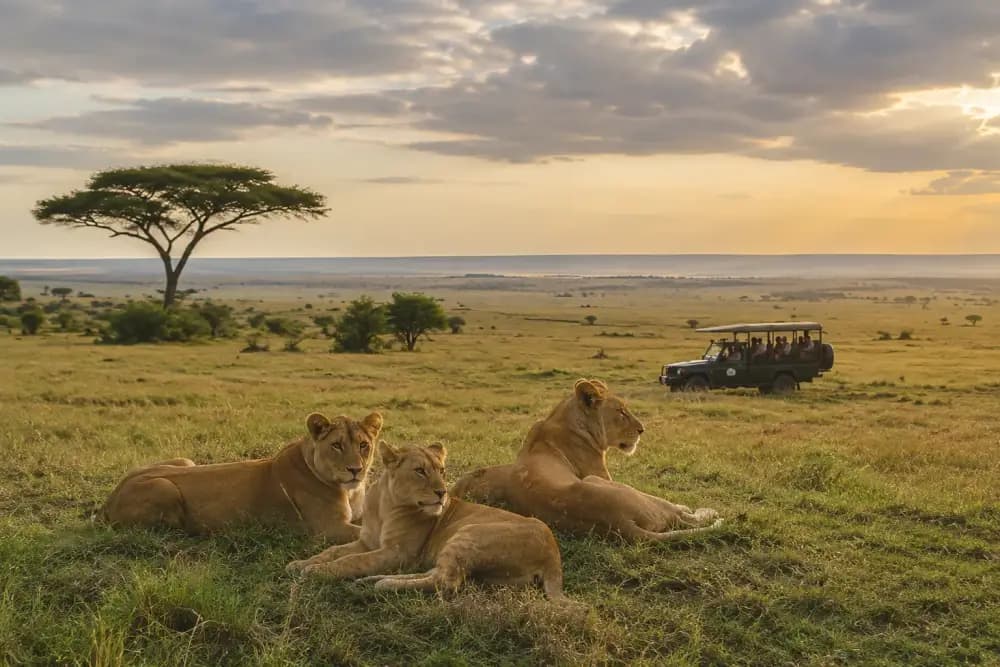
Tsavo West National Park
Kenya's Volcanic Safari — Underwater Hippos and Black Lava Fields
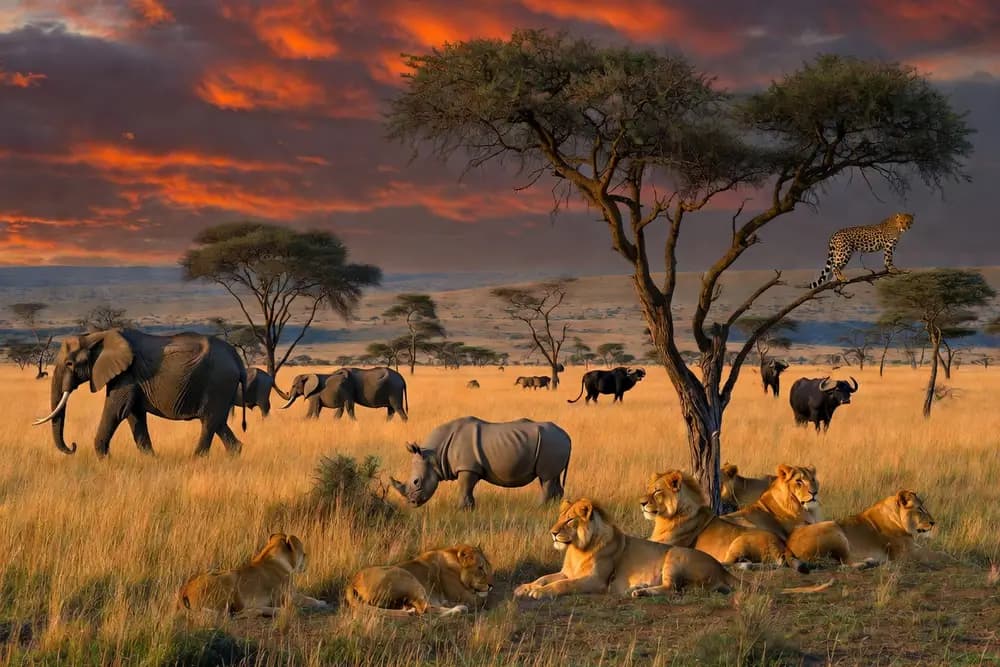
Tsavo East National Park
Kenya's Largest Park — Red Elephants and the Galana River
Diani Beach
Kenya's Favourite Beach — 17 km of White Sand South of Mombasa
Watamu
Marine Park, Turtles and Mangrove Creeks on the North Coast
Lamu Archipelago
East Africa's Best-Preserved Swahili Town — Dhows, Donkeys and Shela Beach