Nairobi Travel Guide 2025: Africa's Most Dynamic Capital City
Nairobi is the only capital city on Earth with a national park inside its boundaries — and it is also the culinary, cultural, and commercial centre of East Africa. Most visitors spend one night here before flying to the Masai Mara. We are based here, and we know exactly what those visitors are missing.
Quick Answer: Spend 2 nights in Nairobi before or after your safari. Top experiences: a 06:00 game drive in Nairobi National Park (city skyline + wildlife), feeding giraffes at the Giraffe Centre, and visiting the elephant orphans at David Sheldrick Wildlife Trust (book online in advance). The best hotels are Hemingways Nairobi (Karen) and Ole Sereni (views into the park).
Nairobi is the city where Mirrors Beyond Africa is based, and we will admit a protective affection for it — which is why we are also honest about its complications. It is a city of extraordinary traffic, frustrating infrastructure, startling inequality, and simultaneously one of the most exciting and creative capitals in Africa. The Nairobi food scene in 2025 is genuinely world-class. The wildlife access from the city is unparalleled anywhere. The cultural depth — the art scene, the music ecosystem producing Afropop and gengetone, the literary tradition — is richer than most short-stop visitors discover.
Most international visitors treat Nairobi as a transit hub — a single hotel night before the early flight to Wilson Airport and the Masai Mara. This is understandable; the Mara is extraordinary and the travel time from Europe is long. But 48 hours in Nairobi, done with the right guide and the right itinerary, is a genuinely enriching city experience that most safari travellers leave wishing they had given more time to.
Why Nairobi is Africa's Best Safari Base
- WILDLIFE ACCESS IN 45 MINUTES: Fly from Wilson Airport directly to the Mara, Samburu, Amboseli, or Laikipia. No other African capital offers this level of access to multiple world‑class parks.
- EXCELLENT LIGHT AIRCRAFT NETWORK: SafariLink and Air Kenya operate over 200 flights weekly from Wilson Airport to all major safari destinations.
- WORLD‑CLASS INFRASTRUCTURE: Excellent hotels, fine dining, reliable telecommunications, and first‑class medical facilities.
- CULTURAL DEPTH: A dynamic arts scene, museums, galleries, and Africa's best contemporary music ecosystem.
- GLOBAL CONNECTIVITY: Jomo Kenyatta International Airport connects direct to London, Amsterdam, Paris, Dubai, Doha, New York (via JFK), and dozens more. Nairobi is genuinely well‑connected for a major global hub.
Nairobi Safety: The Honest Guide
- OVERVIEW: Nairobi is safe for tourists who exercise normal urban caution. The upmarket areas (Westlands, Karen, Langata, Gigiri, Lavington) are well‑policed and safe 24/7.
- DO NOT WALK IN THE CBD AFTER DARK: The city centre empties after 18:00. Use taxis or rideshare apps.
- USE REGISTERED TAXIS: Use Uber or Bolt. They are safe, affordable, and GPS‑tracked.
- AVOID FLASHY JEWELLERY: This is a sensible precaution in any major city, not a specific warning about Nairobi.
- KEEP YOUR PHONE AWAY: In public places, keep your phone and camera out of sight when not in use.
- OUR COMMITMENT: We provide all clients with a 24/7 emergency contact number. We arrange all airport transfers, city tours, and driver‑guides. Your safety is our responsibility.
Nairobi National Park: The World's Most Remarkable Urban Wildlife Area
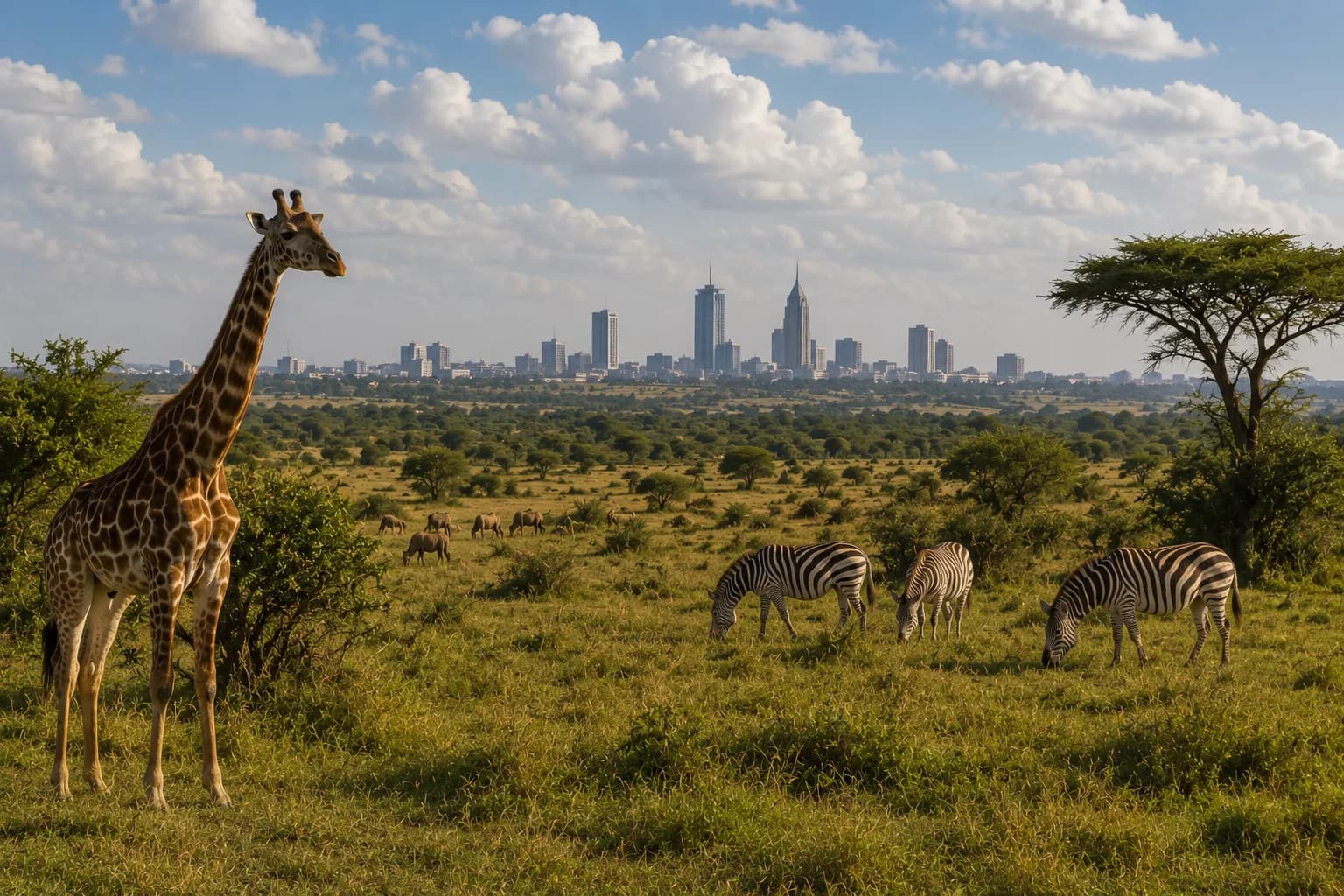
Seven kilometres from the central business district, where the glass towers of Nairobi's skyline are visible above the treeline on the horizon, Nairobi National Park is the world's only wildlife sanctuary situated within the boundaries of a capital city. The 117 square kilometre park is unfenced to the south, where it connects to the Kitengela conservation area — meaning the wildlife (lion, leopard, black rhino, cheetah, giraffe, hippo, and over 400 bird species) is genuinely wild, not managed in an enclosure.
The sight of a lion walking across a grass plain with the Nairobi skyline visible through the trees behind it is one of the most surreal and extraordinary wildlife images on Earth. We arrange private game drives in Nairobi National Park beginning at 06:30 — before the park opens to public vehicles — giving 90 minutes of exclusive access before other vehicles enter. This early-morning window, with the light low and the wildlife active, is one of the most special things we do for clients on their first or last day in Nairobi.
- WHAT TO EXPECT: Plains game (zebra, giraffe, buffalo, wildebeest, gazelle, impala) very reliable. Black rhinoceros (several resident individuals; most reliable rhino sighting in Kenya outside a dedicated conservancy). Lion (resident prides; sightings possible on any visit). Cheetah (smaller population; less reliable but possible). Hippo (Hippo Pool, northern section; reliable). Over 400 bird species.
- HOW TO VISIT: The park is open 06:00–18:00 daily. Entry: USD 60 for non-residents (adults). Private vehicle hire available through operators like us. For clients with early morning flights from Jomo Kenyatta Airport, we arrange a 06:00 game drive ending at 09:30 — still time to reach the airport for a 13:00 departure.
- WALKING IN THE PARK: Guided walks along specific routes, accompanied by Kenya Wildlife Service rangers, are available. Walking alongside wildlife in the context of a city park is an extraordinary experience and very different from a vehicle game drive.
- THE ICONIC VIEW: At several points inside the park, the Nairobi skyline is clearly visible above the African bush — particularly from the Ivory Burning Site, where President Moi burned 12 tonnes of ivory in 1989 in a pivotal moment for the global anti-poaching movement.
The Giraffe Centre: A Genuine Conservation Story
The African Fund for Endangered Wildlife (AFEW) Giraffe Centre in Langata was established in 1979 by American conservationist Jock Leslie-Melville and his wife Betty to breed and reintroduce the endangered Rothschild's giraffe (one of the rarest giraffe subspecies; fewer than 800 remaining in the wild) into Kenyan protected areas. Today the centre has bred and released over 50 Rothschild's giraffes into national parks and conservancies across Kenya.
The experience of feeding a Rothschild's giraffe at eye level — head to head with a 5.5-metre animal whose tongue can extend 45 centimetres to collect a food pellet from your hand — is one of those moments of genuine animal contact that visitors of all ages describe as transformative. The centre is not a zoo; the giraffes roam freely in a large forested area and come to the feeding platform voluntarily. Open daily 09:00–17:00. Entry: USD 30 adults; USD 20 children.
David Sheldrick Wildlife Trust: Nairobi's Most Moving Experience
Dame Daphne Sheldrick founded the David Sheldrick Wildlife Trust in 1977. The Trust's elephant orphan rescue programme — which takes in calves orphaned by poaching, disease, drought, and human-wildlife conflict; hand-raises them using milk formula that took Daphne 28 years to perfect; and gradually reintegrates them into wild herds — is the most successful elephant rehabilitation programme in the world.
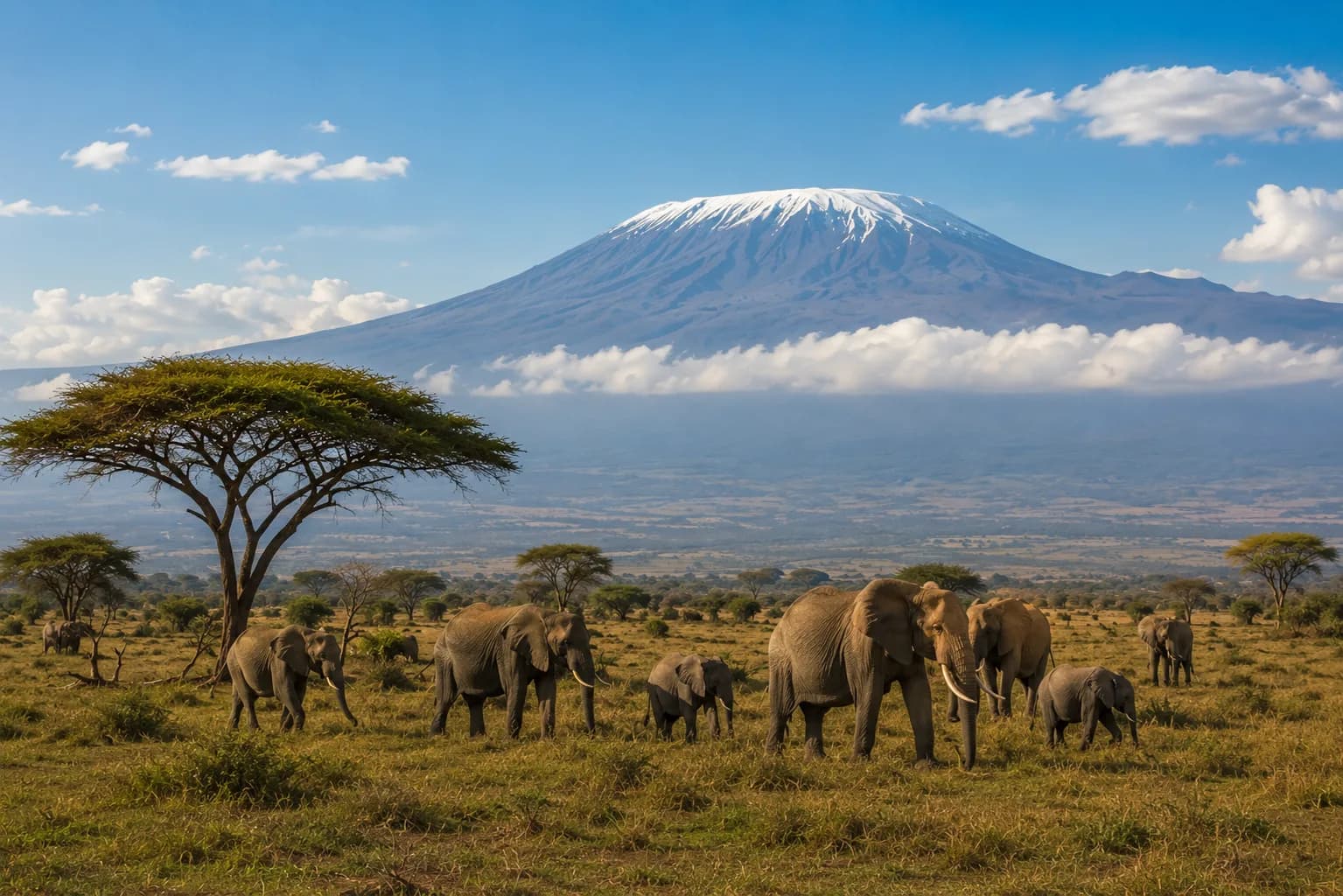
The daily public visiting hour (11:00–12:00) allows visitors to watch the orphan calves during their mud bath and feeding session. The keepers who live with the elephants 24/7 explain each elephant's individual history. The result is an experience that most visitors describe as one of the most emotional of their entire Kenya trip — more so, sometimes, than the Masai Mara.
- VISITING: The visiting hour is 11:00–12:00 daily. Entry by prior online booking only (sheldrickwildlifetrust.org; USD 15 adults). Foster programme: Sponsor a specific orphan for USD 50/year and receive updates on their progress. Many clients begin fostering before their trip and come to meet their foster elephant in person — an extraordinary addition to a Nairobi visit.
- THE RHINO SANCTUARY: DSWT also runs a rhinoceros sanctuary at the same Nairobi site, housing orphaned black rhinoceroses during rehabilitation. Visiting the rhino sanctuary (by separate arrangement) provides close access to one of Africa's most endangered animals in a way otherwise only possible at Ol Pejeta.
The Nairobi Food Scene: Better Than You Think
| Restaurant | Area | Cuisine | Price Level | Why We Recommend It |
|---|---|---|---|---|
| The Talisman | Karen | Contemporary world cuisine; Kenyan ingredients | USD 25–45pp | The most beloved restaurant in Nairobi; beautiful garden setting; live music Fridays; consistently excellent across 20+ years |
| Carnivore | Langata | Game meat; nyama choma; Kenyan BBQ | USD 30–45pp | A Nairobi institution since 1980. Game meats (ostrich, crocodile, camel) on Maasai swords. A genuinely unique and theatrical experience. |
| Tamambo Karen Blixen Coffee Garden | Karen | Kenyan continental in a colonial setting | USD 20–35pp | Beautiful colonial setting on the original Karen Blixen coffee estate. The best Sunday lunch in Nairobi. |
| Mama Oliech | Hurlingham | Traditional Kenyan (lakefish, ugali, sukuma wiki) | USD 5–15pp | The most authentic and beloved Kenyan home-cooking restaurant in the city. Cash only. Always busy. An essential Nairobi food experience. |
| Tribe Hotel Kitchen | Gigiri | Contemporary African | USD 25–40pp | One of Nairobi's consistently best restaurants for quality, service, and creative Kenyan-influenced menu. |
| Cultiva | Westlands | Italian; wood-fired pizza and pasta | USD 20–35pp | The best Italian in Nairobi; excellent wine list; popular with Nairobi's Italian and expat community. |
| K'Osewe Ranalo Foods | Industrial Area | Traditional Luo fish cuisine; tilapia and ugali | USD 5–10pp | A Nairobi legend — fresh tilapia with ugali and kachumbari; long queues on weekends. An essential experience. |
Other Nairobi Experiences Worth Your Time
- KAREN BLIXEN MUSEUM: The farmhouse where Isak Dinesen (Karen Blixen) wrote "Out of Africa" — a beautiful, quiet colonial homestead in the suburb that bears her name. The collections, the preserved furniture, and the extraordinary garden create a powerful connection to early 20th-century Kenya.
- NAIROBI GALLERY: The national gallery of Kenya, housed in a colonial building in the city centre. A permanent collection of Kenyan and East African art — traditional and contemporary — alongside excellent temporary exhibitions. Free entry. Consistently overlooked by visitors.
- KAZURI BEADS: A social enterprise established in Karen in 1975 employing over 350 single mothers to hand-paint ceramic beads and jewellery. Factory tours are available and the showroom is excellent — affordable, beautiful, ethically produced jewellery that makes one of the best purchases to take home from Kenya.
- MAASAI MARKET: A roving market held at different locations across Nairobi on different days (Village Market, ABC Place, and Yaya Centre are common venues). The best selection of Maasai and Kenyan crafts, textiles, and jewellery in the city. Bargaining is expected and good-natured.
- NAIROBI RAILWAY MUSEUM: The story of the Uganda Railway — the extraordinary engineering project (1896–1901) that connected the Indian Ocean coast to Lake Victoria through 1,000+ kilometres of hostile, unmapped terrain. Preserves original steam locomotives, colonial-era passenger cars, and extraordinary history. A fascinating 2-hour visit.
Where to Stay in Nairobi: The Genuine Guide
| Hotel | Area | Tier | Best For | Rate (USD/night) |
|---|---|---|---|---|
| The Hemingways Nairobi | Karen | Ultra-Luxury | Couples and honeymooners wanting colonial luxury closest to wildlife and Karen Blixen Museum. Extraordinarily attentive service. | 400–700 |
| Villa Rosa Kempinski | Westlands | Luxury | Business and leisure; most central luxury hotel; excellent pool; outstanding breakfast. | 250–400 |
| The Norfolk Hotel | City Centre / Milimani | Luxury | History and character; the oldest hotel in Nairobi (1904); beautiful garden; the bar where Lord Delamere drank. A Nairobi institution. | 200–350 |
| Tribe Hotel | Gigiri (UN area) | Luxury | Boutique; contemporary African design; excellent restaurant; close to Gigiri shopping village and the UN complex. | 180–280 |
| House of Waine | Karen | Boutique Luxury | Small (13 rooms); personal service; leafy colonial garden; close to Giraffe Centre and Karen Blixen Museum. | 180–280 |
| The Boma Nairobi | Embakasi (near JKIA) | Mid-Range | Airport proximity; excellent value; large pool; good restaurant; ideal for early departures or late arrivals at Jomo Kenyatta. | 100–180 |
| Ole Sereni Hotel | Embakasi (borders Nairobi NP) | Mid-Range | The only hotel in Kenya with a direct view into a national park from the swimming pool. Unique; excellent for first or last night. | 150–250 |
Frequently Asked Questions
Is Nairobi safe for tourists in 2025?
+
The upmarket areas where tourists stay and visit — Westlands, Karen, Langata, Gigiri, Kilimani, Lavington — are safe and well-policed. The CBD requires standard urban awareness. We advise against walking after dark in the CBD or areas outside the tourist zones, and provide all clients with a 24/7 emergency contact number. We arrange all airport transfers and inter-city travel. All our recommended hotels are in safe, established areas.
How many days should I spend in Nairobi?
+
For a transit stop, one night is sufficient for rest and a morning Nairobi National Park game drive before flying to the bush. For a meaningful Nairobi experience, two nights (two full days) allows: Day 1 — Nairobi National Park early morning + David Sheldrick + Giraffe Centre + Karen Blixen Museum; Day 2 — Nairobi Gallery + Kazuri Beads + Maasai Market + dinner at The Talisman. Three nights adds Carnivore dinner, a cooking class, or the Railway Museum.
What is the best way to get around Nairobi?
+
Nairobi's traffic is one of the city's most significant challenges. We arrange all transportation for our clients using vetted private drivers — this is essential both for logistics and safety. Uber and Bolt (rideshare) work well in Nairobi and are safe; prices are very reasonable by international standards.
Can I do a Nairobi National Park game drive on the way to the airport?
+
Yes — one of the most popular and satisfying additions to a Kenya itinerary. We arrange early-morning Nairobi National Park game drives from 06:00–09:00 that end in time for clients to reach Jomo Kenyatta International Airport (20 minutes from the park gate) for flights departing 13:00 or later, or Wilson Airport (15 minutes) for safari flights from 10:00. The combination of African wildlife and the Nairobi skyline on your last Kenya morning is a genuinely memorable way to conclude the trip.