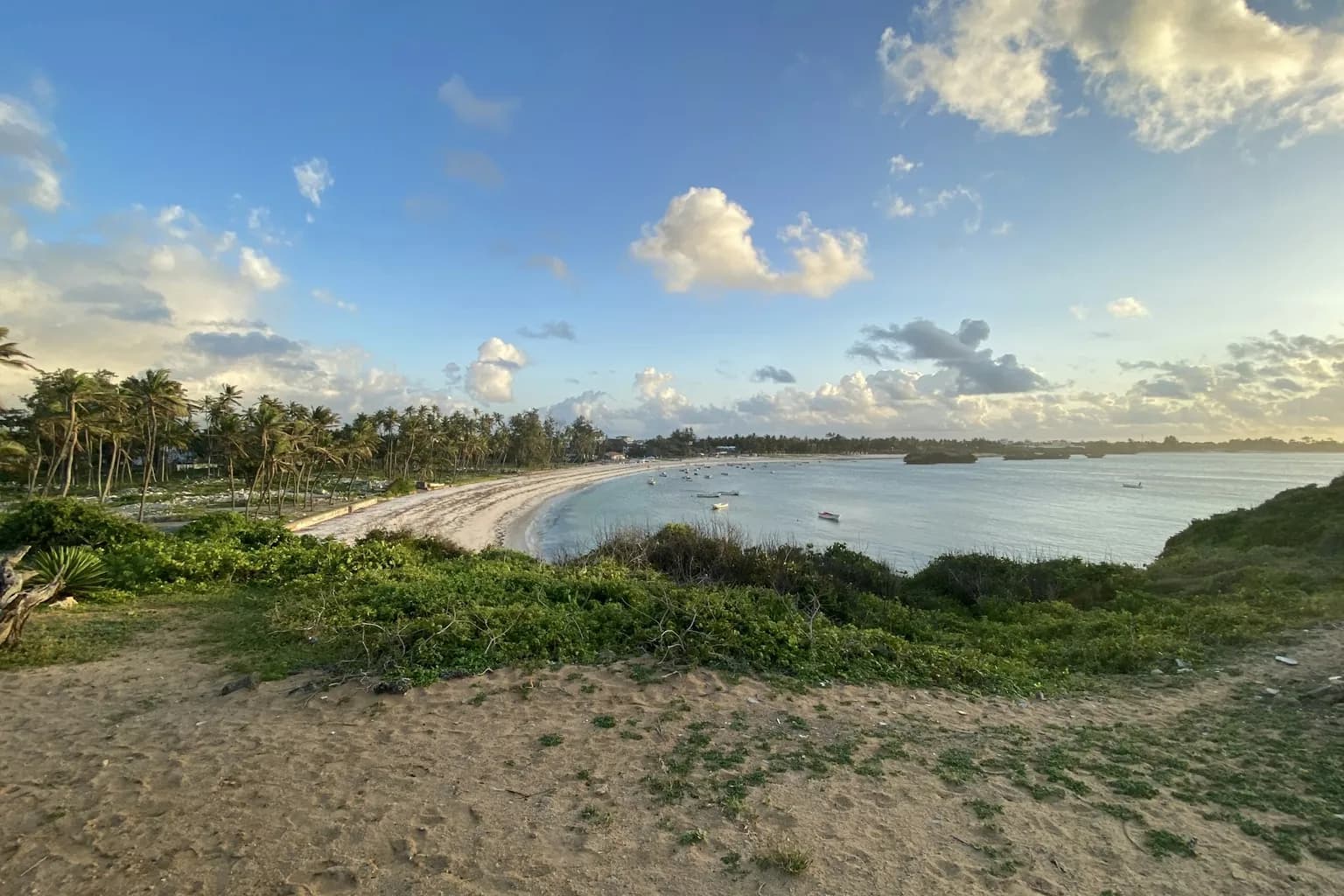
Watamu
Watamu is the quiet alternative to Diani: a small fishing village and a string of beaches and coves on the north coast, 20–25 km south of Malindi and about two hours' drive north of Mombasa. Its sea is a marine national park, gazetted in 1968 as one of Kenya's first, inside a UNESCO biosphere reserve — which is why it has some of the coast's best snorkelling, a sea-turtle rescue centre, mangrove creeks and a medieval Swahili ruin within half an hour of the beach.
Watamu Marine National Park covers the lagoon and reefs off Watamu Beach and Turtle Bay and the mouth of Mida Creek. Fishing is banned inside it, and the coral gardens — reached by glass-bottomed boat or a short swim — are full of reef fish and turtles, while humpback whales pass offshore from about July to October.
Conservation runs through the village. Local Ocean Conservation's sea-turtle centre treats turtles injured by fishing gear and boats, and visitors can see the working hospital. On land, Arabuko-Sokoke — about 420 km² of coastal forest — shelters rare species such as the Sokoke scops owl and the golden-rumped sengi, a giant elephant shrew, and the ruins of Gede, a medieval Swahili town, stand in the forest a few kilometres from the beach.
Mida Creek, a tidal inlet lined with mangroves on the south side of the village, is best explored by kayak or dhow on a rising tide; at low tide its sandbanks fill with wading birds, including crab plovers in the northern winter.
To get there, fly from Nairobi to Malindi — daily flights take about an hour and twenty minutes — and drive 25–35 minutes south, or drive about two hours north from Mombasa. Watamu suits snorkellers and divers, birders, families who want a quieter base and couples, and it is a natural beach stop after a safari in Tsavo East.
Things to do in Watamu
- Snorkel the marine park: coral gardens a short boat ride from the beach, at their clearest from about December to March.
- Visit the sea-turtle centre: Local Ocean Conservation's working hospital for injured turtles.
- Paddle Mida Creek: kayak or sail through the mangroves on the tide, and watch wading birds on the sandbanks at low tide.
- Walk Gede Ruins: the coral-stone mosques, palace and houses of a medieval Swahili town, in the forest a few kilometres inland.
- Birdwatch in Arabuko-Sokoke: a guided early-morning walk for the Sokoke scops owl, Clarke's weaver and the golden-rumped sengi.
- Go deep-sea fishing: Watamu is one of East Africa's best-known bases for sailfish and marlin, fished on a tag-and-release basis.
- Kitesurf: steady winds from about June to September and December to March.
- Watch the sunset at Hell's Kitchen (Marafa Depression), a red sandstone canyon inland from Malindi.
Watamu or Diani?
Diani has more of everything — more hotels, restaurants and activities, and the easiest flights. Watamu is smaller and slower, with the marine park, the creek and the forest right on its doorstep and fewer people on the beach. If you are combining two beaches, Watamu pairs well with Lamu, a short flight north from Malindi.
Highlights
- ◆Watamu Marine National Park — gazetted in 1968, with some of the best snorkelling on the Kenya coast
- ◆Local Ocean Conservation's sea-turtle rescue centre
- ◆Mida Creek: mangroves, kayaking and wading birds
- ◆Gede Ruins, a medieval Swahili town in the forest
- ◆Arabuko-Sokoke Forest: rare birds and the golden-rumped sengi
- ◆Quieter, smaller beaches than Diani, 25–35 minutes from Malindi airport
Where to Stay
Watamu Beach and Turtle Bay — boutique hotels
Small hotels and boutique resorts on the main beaches, facing the marine park — the best base for snorkelling and the village restaurants.
Villas and guesthouses in the village
Private villas with staff and Swahili-style guesthouses, good for families and groups who want their own space.
Mida Creek and the forest edge — eco-lodges
A few small lodges on the creek or near the forest, for birders and travellers who want quiet over a beach view.
Frequently Asked Questions
Is Watamu better than Diani?
+
It depends on what you want. Watamu is smaller and quieter, with a marine national park, a sea-turtle rescue centre, mangrove creeks and Gede Ruins close by. Diani has more hotels, restaurants and activities and easier flights. For a calm, nature-focused beach week, choose Watamu; for choice and convenience, Diani.
How do I get to Watamu?
+
Fly from Nairobi to Malindi — daily flights take about an hour and twenty minutes — then drive 25–35 minutes south. From Mombasa it is about a two-hour drive north.
Can you see turtles in Watamu?
+
Often: green and hawksbill turtles live on the reefs of the marine park and are regularly seen while snorkelling, and Local Ocean Conservation runs a rescue centre where you can see injured turtles being treated. Keep your distance in the water and never touch or feed them.
When is the best time to visit Watamu?
+
December to March for calm, clear water and hot weather, and July to October for dry days and whale watching. The long rains, from April to June, are best avoided.
What is there to do in Watamu besides the beach?
+
Snorkel the marine park, visit the sea-turtle centre, kayak Mida Creek, explore Gede Ruins, birdwatch in Arabuko-Sokoke Forest, go deep-sea fishing, or watch the sunset at Hell's Kitchen near Malindi.
Itineraries featuring Watamu
Experiences Here
Bush & Beach Safaris
Combine Big Five game viewing with a week on the Indian Ocean — Zanzibar, Diani, the Seychelles or Mauritius.
Family Safaris
Family-vehicle exclusivity, junior ranger programmes, and camps built for children — a safari the whole family actually enjoys, not endures.
Swahili Coast City Tours
Guided walks through Stone Town's UNESCO medina, Lamu's unhurried donkey-tracks, and Mombasa's Old Town Swahili architecture.
Other places in Kenya
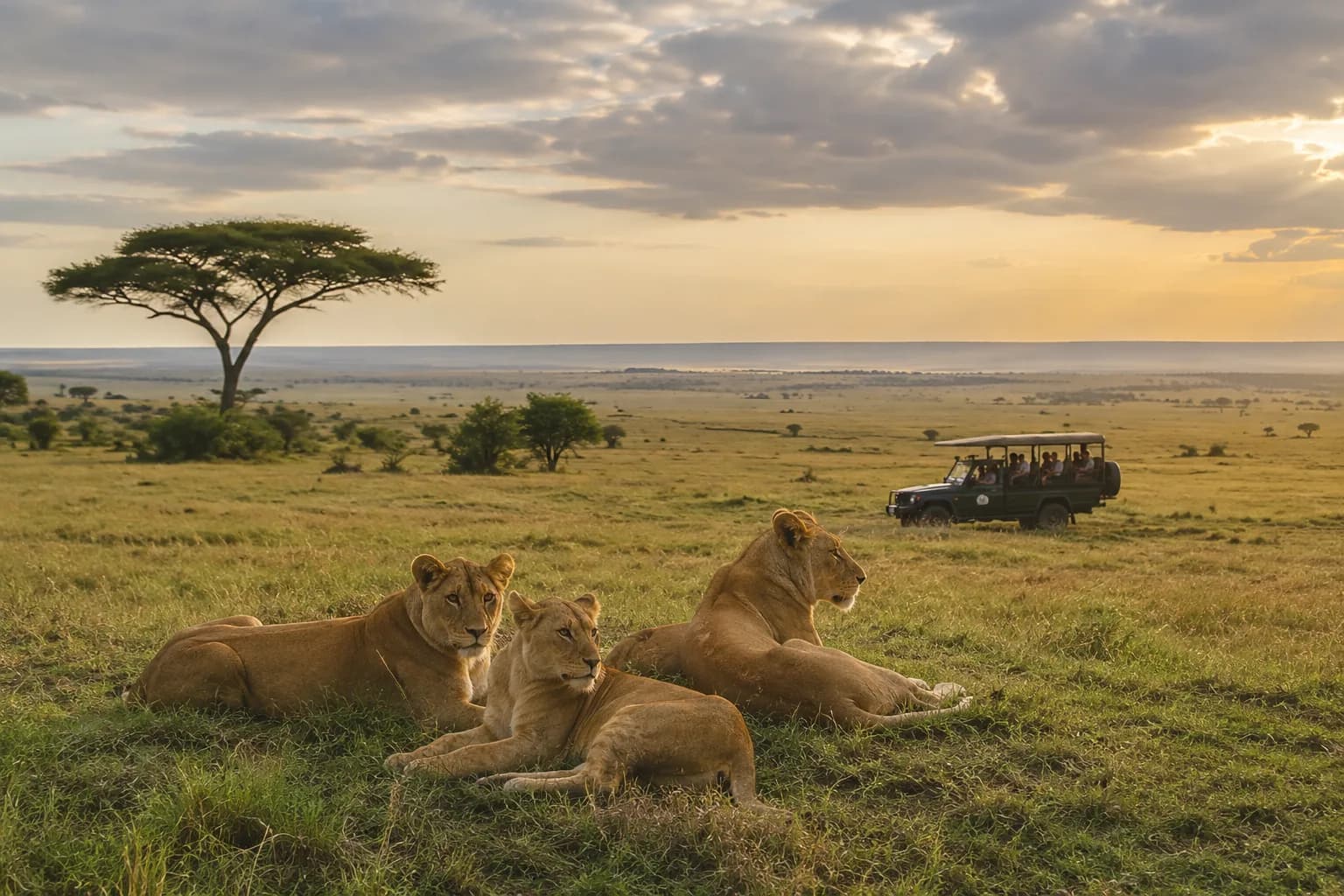
Masai Mara National Reserve
Kenya's Wildlife Theatre, and the Stage for the Great Migration's Final Act
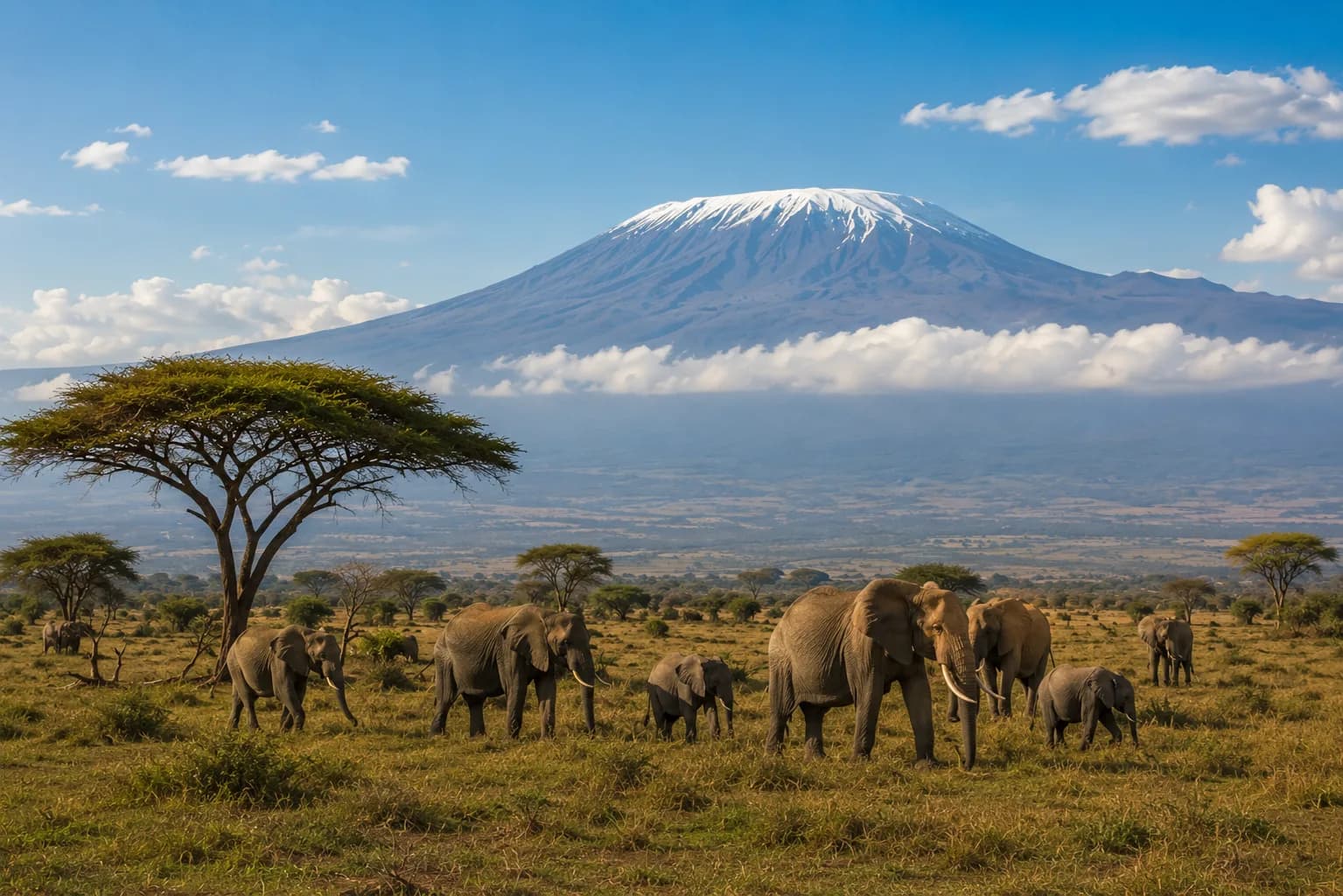
Amboseli National Park
Africa's Most Photographed Backdrop, and Its Gentlest Elephant Herds
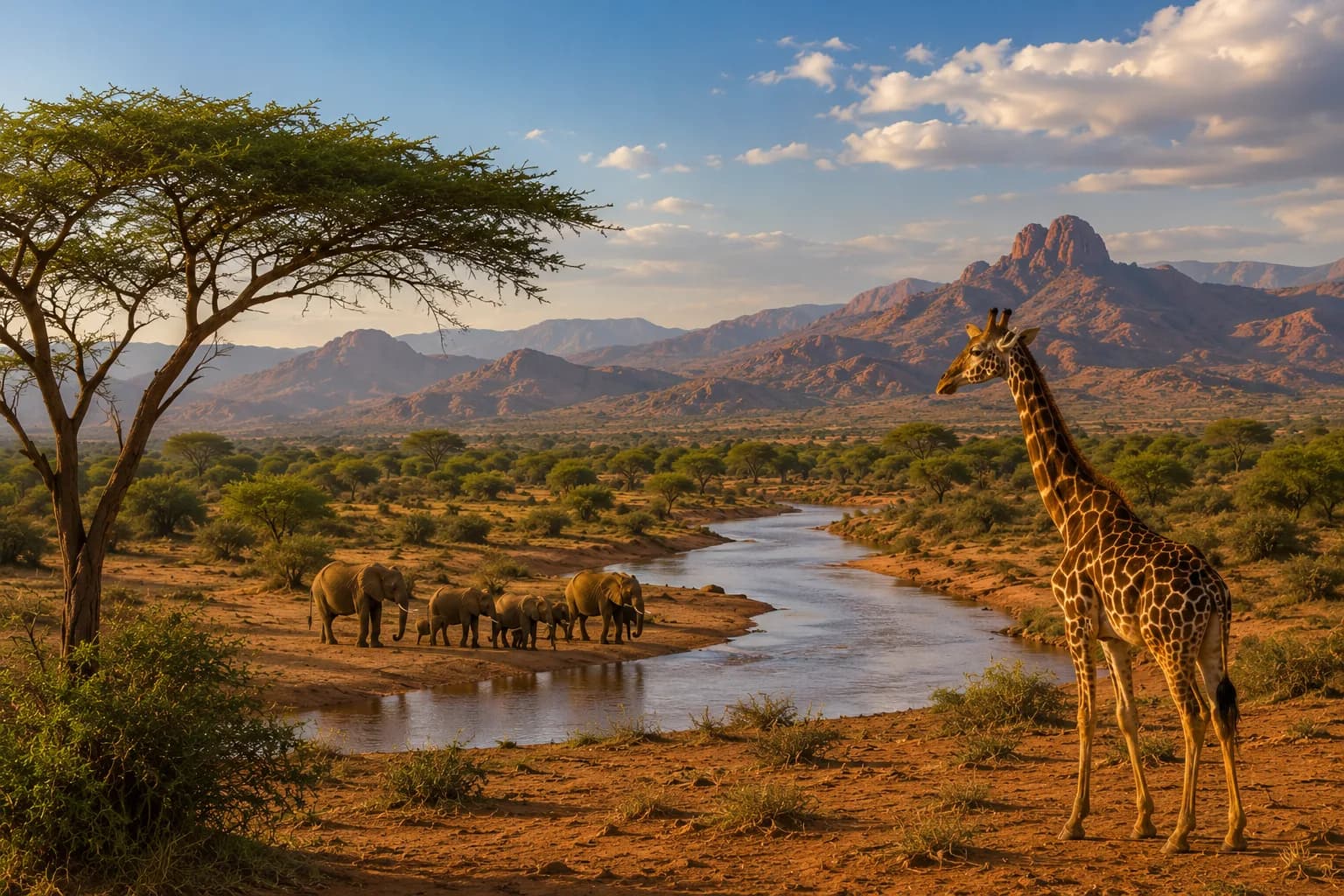
Samburu National Reserve
Northern Kenya's Wilder, Rarer Safari — Species You Won't See in the Mara
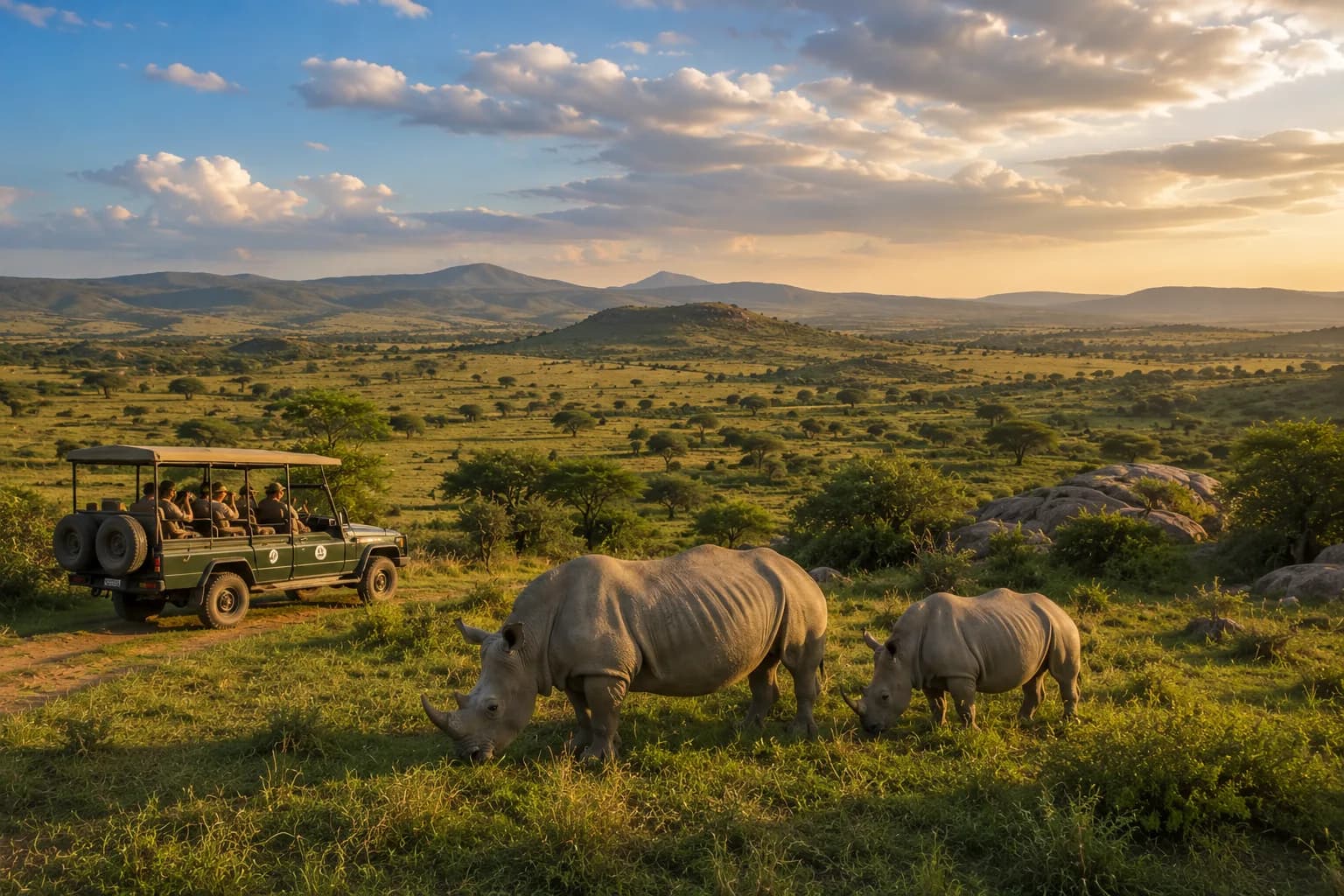
Laikipia & Ol Pejeta
Rhinos, Night Drives and Walking Safaris Between Mount Kenya and the Rift
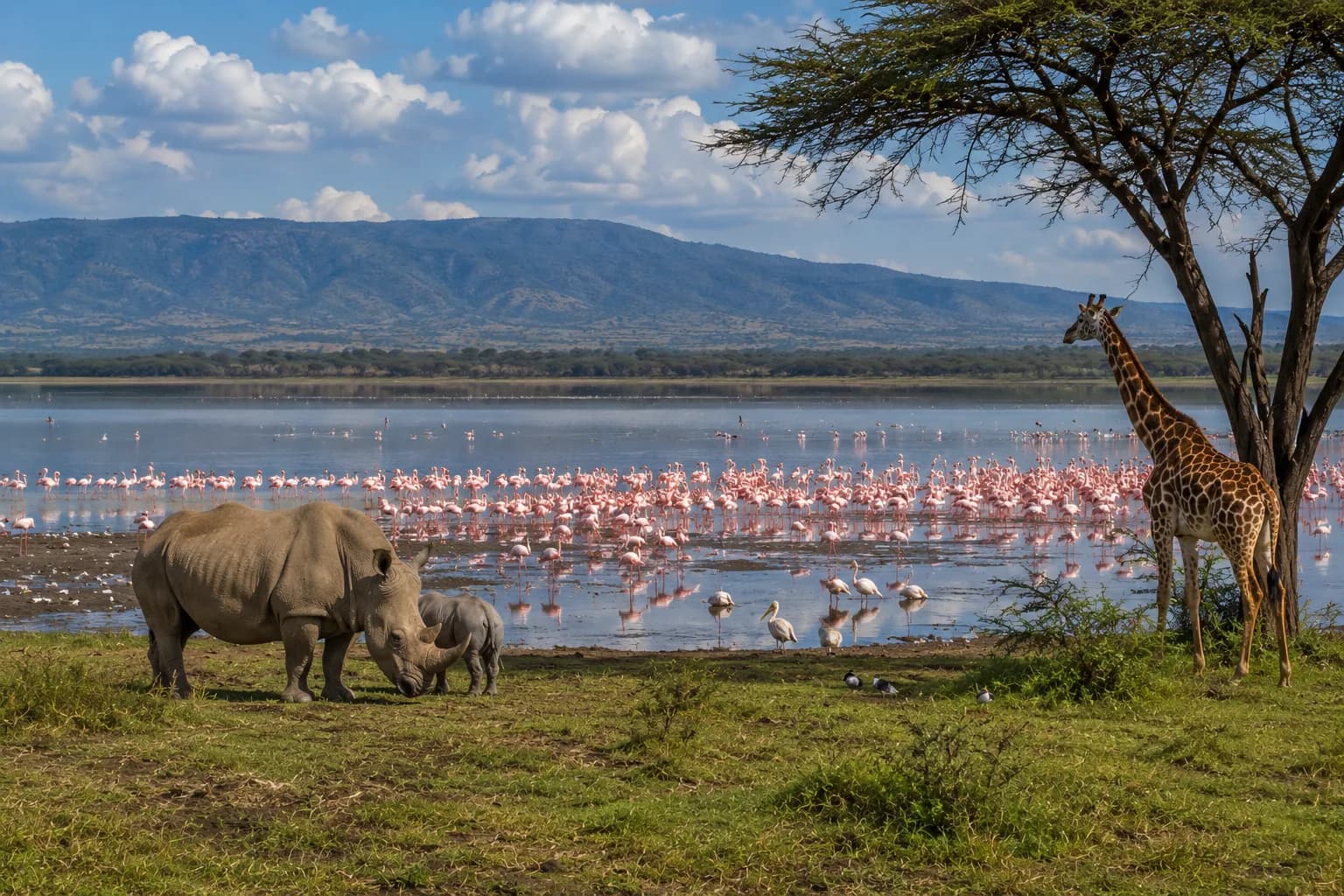
Lake Nakuru National Park
Kenya's First Rhino Sanctuary, on a Rift Valley Lake
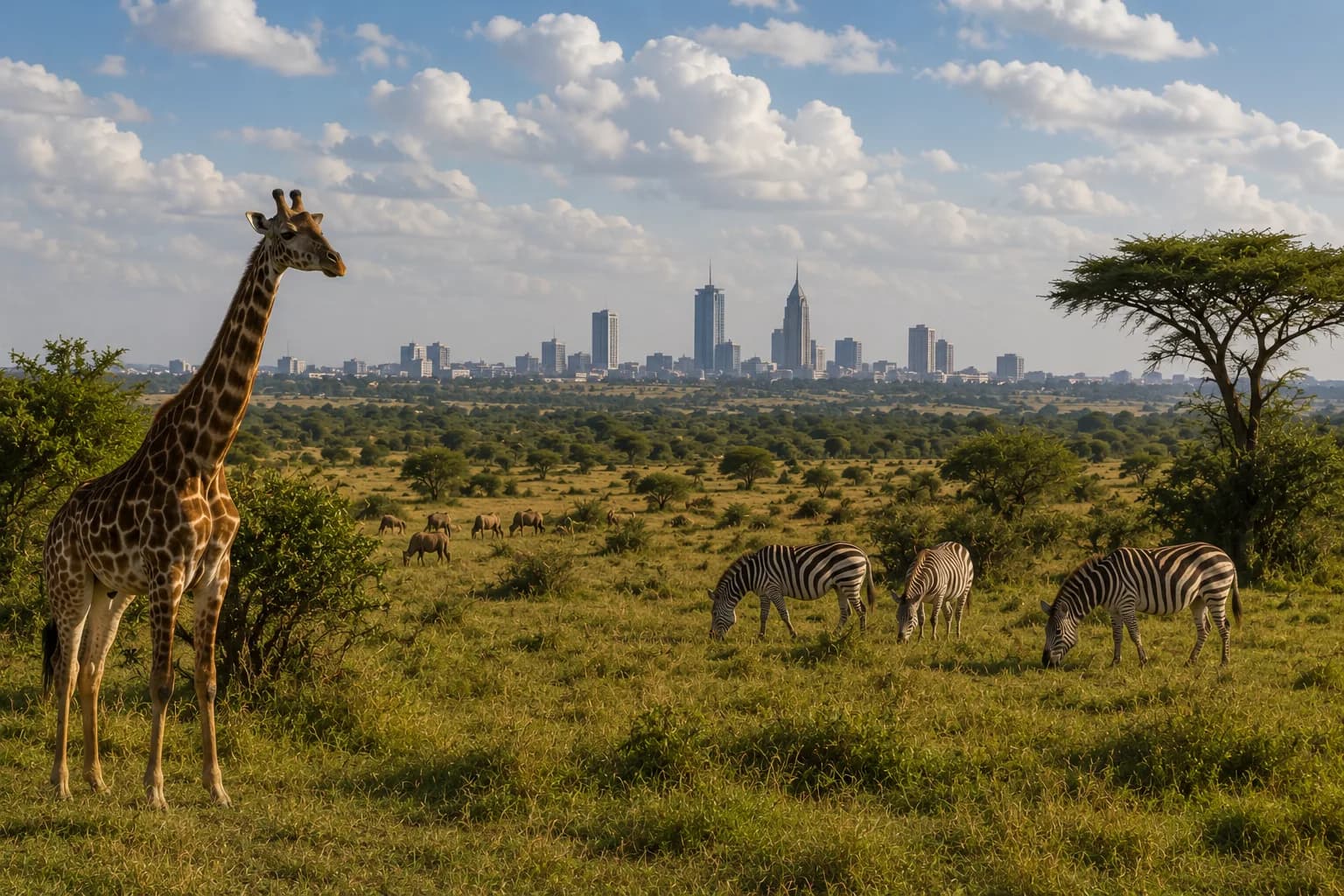
Nairobi National Park
Lions and Rhinos Against a City Skyline — Kenya's First National Park
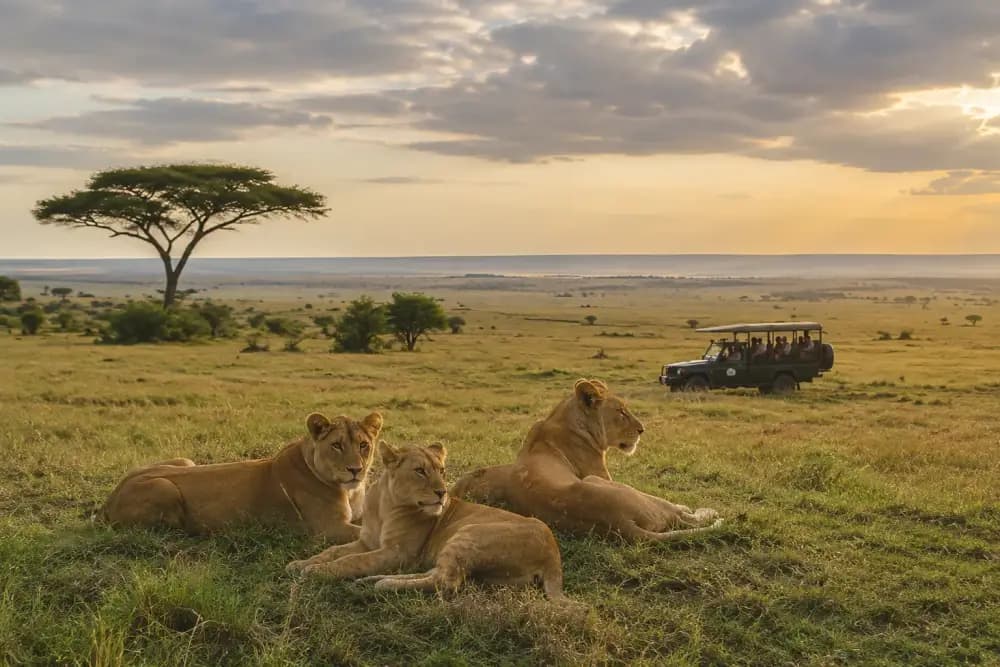
Tsavo West National Park
Kenya's Volcanic Safari — Underwater Hippos and Black Lava Fields
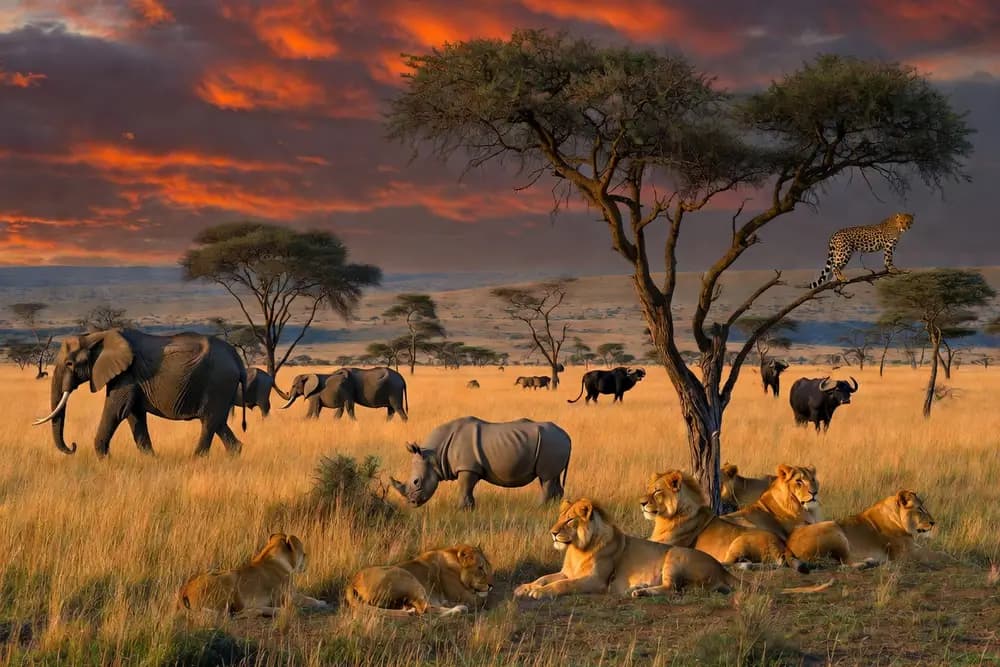
Tsavo East National Park
Kenya's Largest Park — Red Elephants and the Galana River
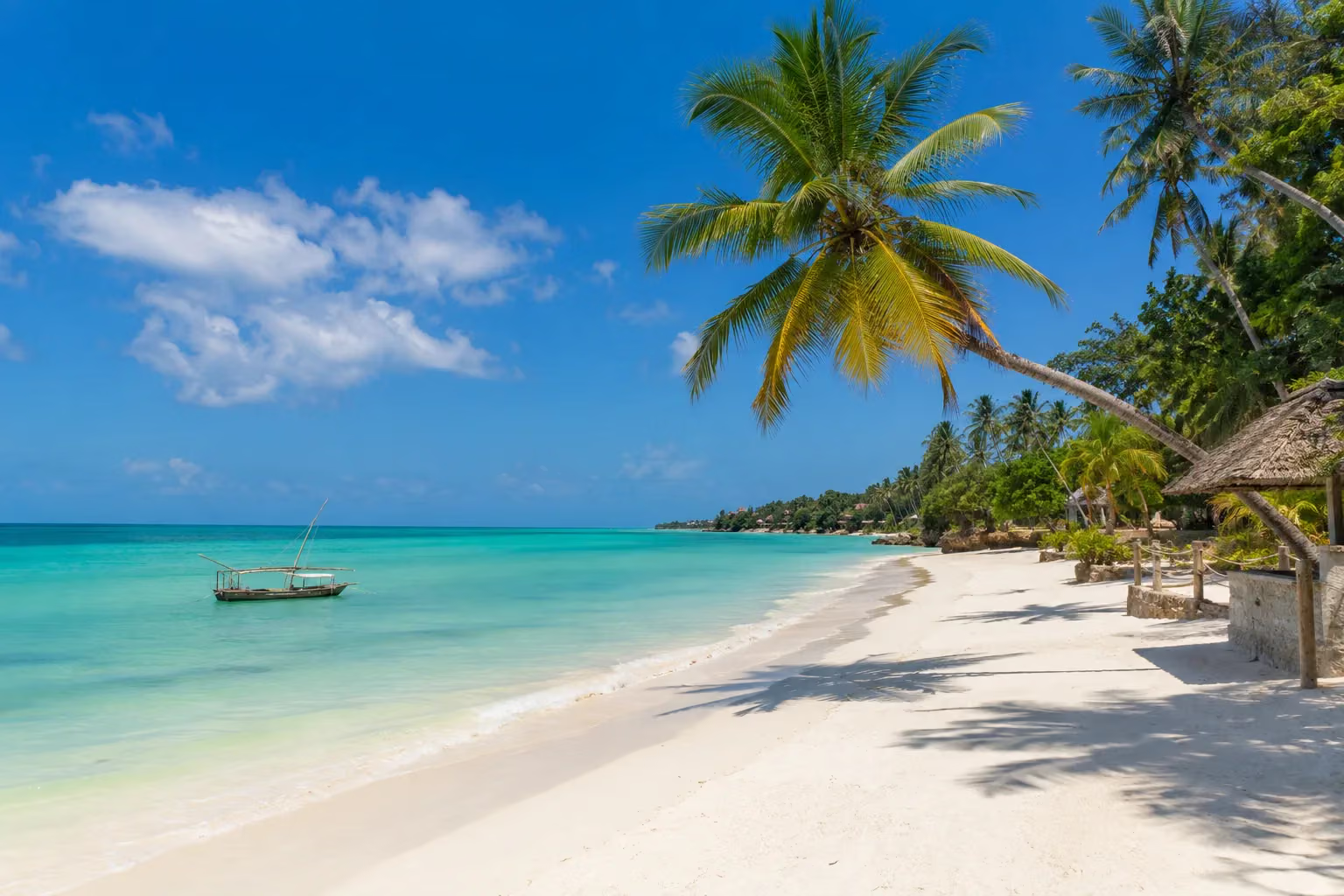
Diani Beach
Kenya's Favourite Beach — 17 km of White Sand South of Mombasa
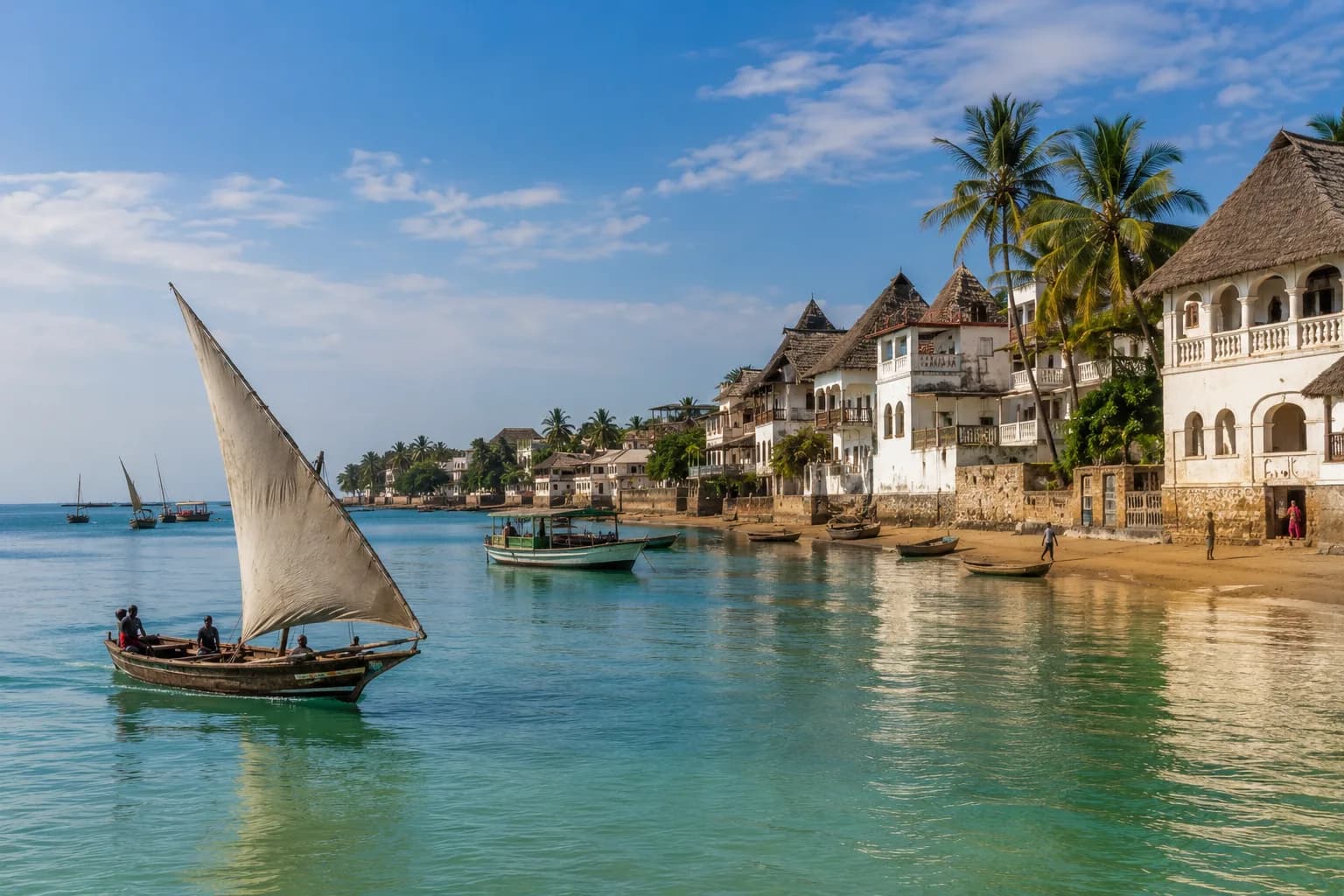
Lamu Archipelago
East Africa's Best-Preserved Swahili Town — Dhows, Donkeys and Shela Beach