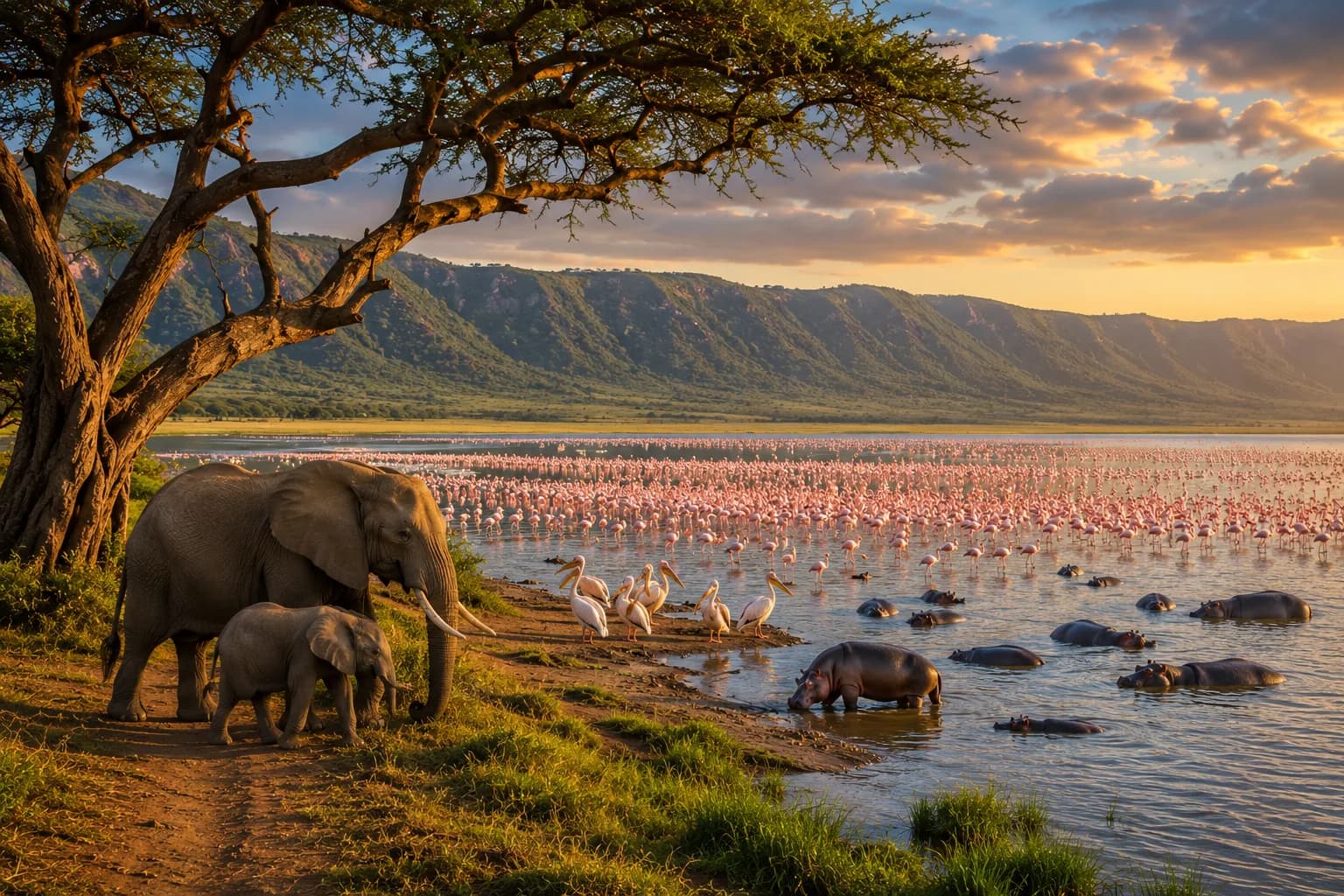
Lake Manyara National Park
Lake Manyara National Park is small — just 330 km² — but it packs an unusual range of habitat into that space: dense groundwater forest, open grassland, and the alkaline lake itself, all beneath the dramatic wall of the Great Rift Valley escarpment. Its best-known feature is behavioural rather than geographic: some of its lions climb trees, a habit rarely seen elsewhere in Africa.
Nobody fully agrees on why Manyara's lions climb — theories range from escaping biting flies and the heat of the ground, to simply having learned it from other lions in the pride, since the behaviour isn't universal even here. What's certain is that it's genuinely uncommon, and Manyara is one of only a small handful of places in Africa where it's regularly observed.
The lake itself, when water levels are high, draws large flocks of flamingos and other waterbirds, and the park's groundwater forest — fed by underground springs off the escarpment — supports troops of blue monkey and olive baboon in a habitat that looks nothing like the open plains most people picture for an African safari.
The Rift Valley escarpment forms the park's western boundary and is visible from almost everywhere inside it — a dramatic backdrop that also makes for one of the more striking sundowner spots in northern Tanzania, from viewpoints along the escarpment road above the park.
Because it's compact and close to Arusha, Manyara works well as a short addition at the start or end of a longer circuit — most guests spend a half-day to a full day here rather than an overnight stay, though a night at one of the lodges on the escarpment rim is a worthwhile option if time allows.
Highlights
- ◆Tree-climbing lions — a rare behaviour seen in only a handful of places in Africa
- ◆Great Rift Valley escarpment forms a dramatic backdrop across the whole park
- ◆Alkaline lake draws large flamingo flocks when water levels are high
- ◆Dense groundwater forest with blue monkey and olive baboon troops
- ◆Compact size (330 km²) makes it easy to see thoroughly in half a day
- ◆Escarpment-rim viewpoints for sundowners above the park
Where to Stay
Escarpment-Rim Lodges
Properties set along the Rift Valley wall above the park, with sweeping views down over Manyara and the lake — a scenic overnight option for travellers not rushing straight through.
Park-Adjacent Lodges
Closer to the park entrance, minimising drive time into the forest and grassland sections where the tree-climbing lions are most often seen.
Day-Trip from a Circuit Base
Because Manyara is compact and close to Arusha, many guests visit as a half-day or full-day stop from a base elsewhere on a Serengeti–Ngorongoro circuit rather than staying overnight.
Frequently Asked Questions
Why do Lake Manyara's lions climb trees?
+
Nobody knows for certain — theories range from escaping biting insects and ground-level heat to simply learned behaviour passed through the pride. It's genuinely uncommon; Manyara is one of only a handful of places in Africa where it's regularly seen.
Is Lake Manyara worth a full day, or just a stop?
+
Given its compact size, a half-day to full day covers it well. Most itineraries treat it as a shorter addition at the start or end of a longer Serengeti–Ngorongoro circuit rather than a multi-day stay.
Is Lake Manyara good for birdwatching?
+
Yes, especially when the lake's water levels are high — large flamingo flocks and a wide range of waterbirds gather there, and the groundwater forest adds forest-bird species you won't see in the open-plains parks.
How does Lake Manyara fit into a wider Tanzania itinerary?
+
It's usually the first or last stop on a northern circuit that also includes Tarangire, the Serengeti, and Ngorongoro — its short drive from Arusha makes it a natural bridge between the airport and the rest of the circuit.
Experiences Here
Other Places in Tanzania
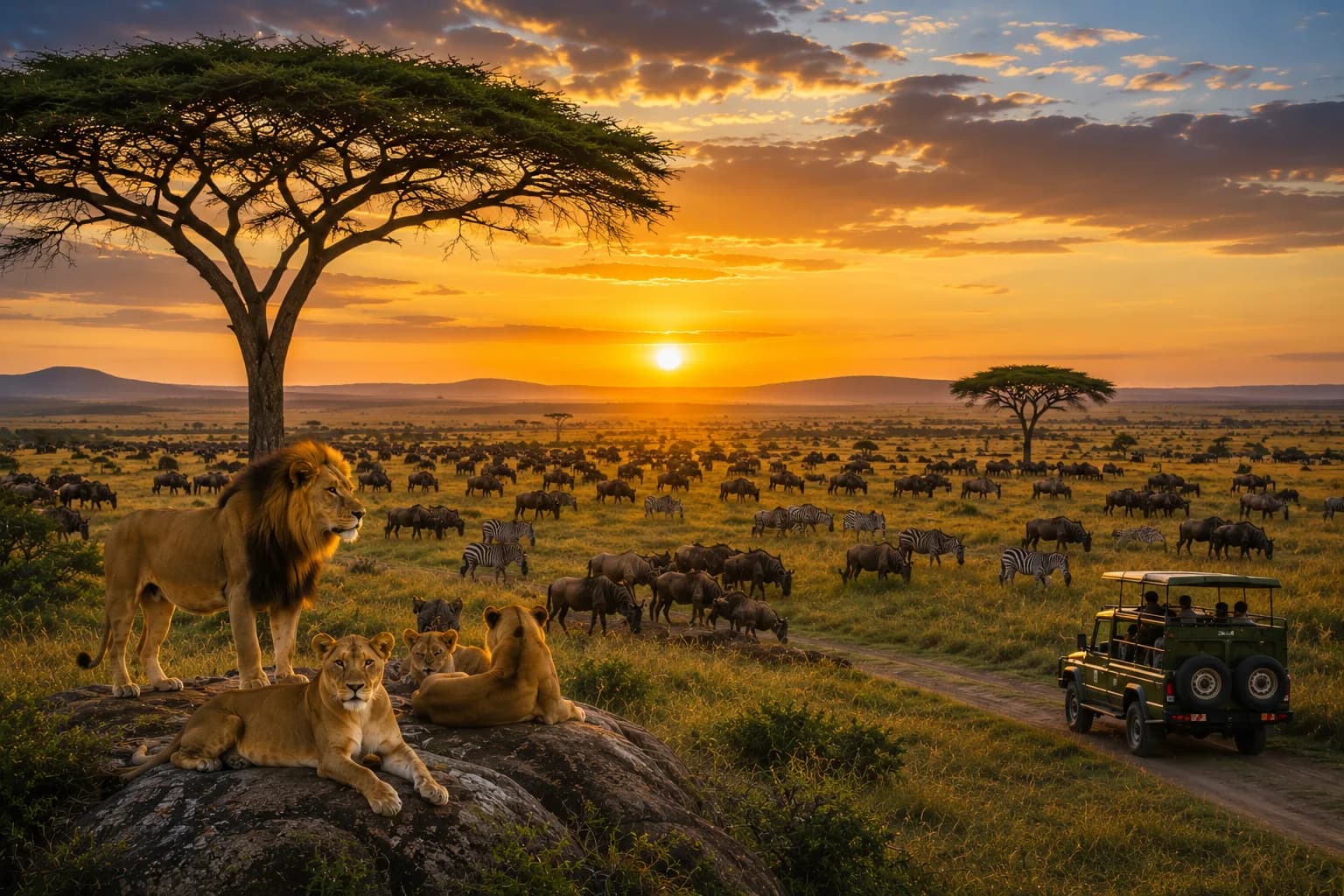
Serengeti National Park
The Endless Plains — Africa's Original Safari, and the Engine of the Great Migration
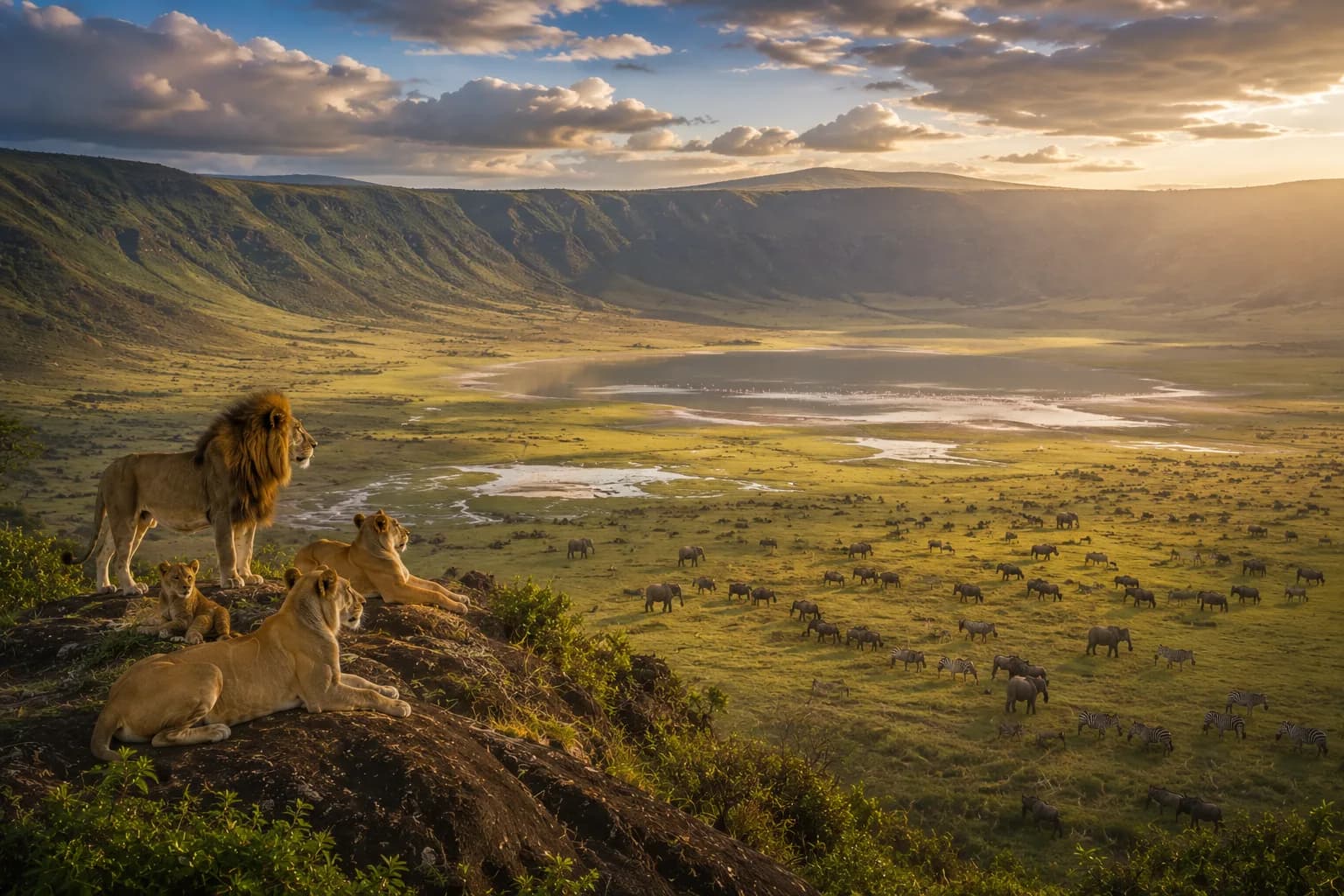
Ngorongoro Conservation Area
A Self-Contained World — The Densest Concentration of Big Five Wildlife on Earth
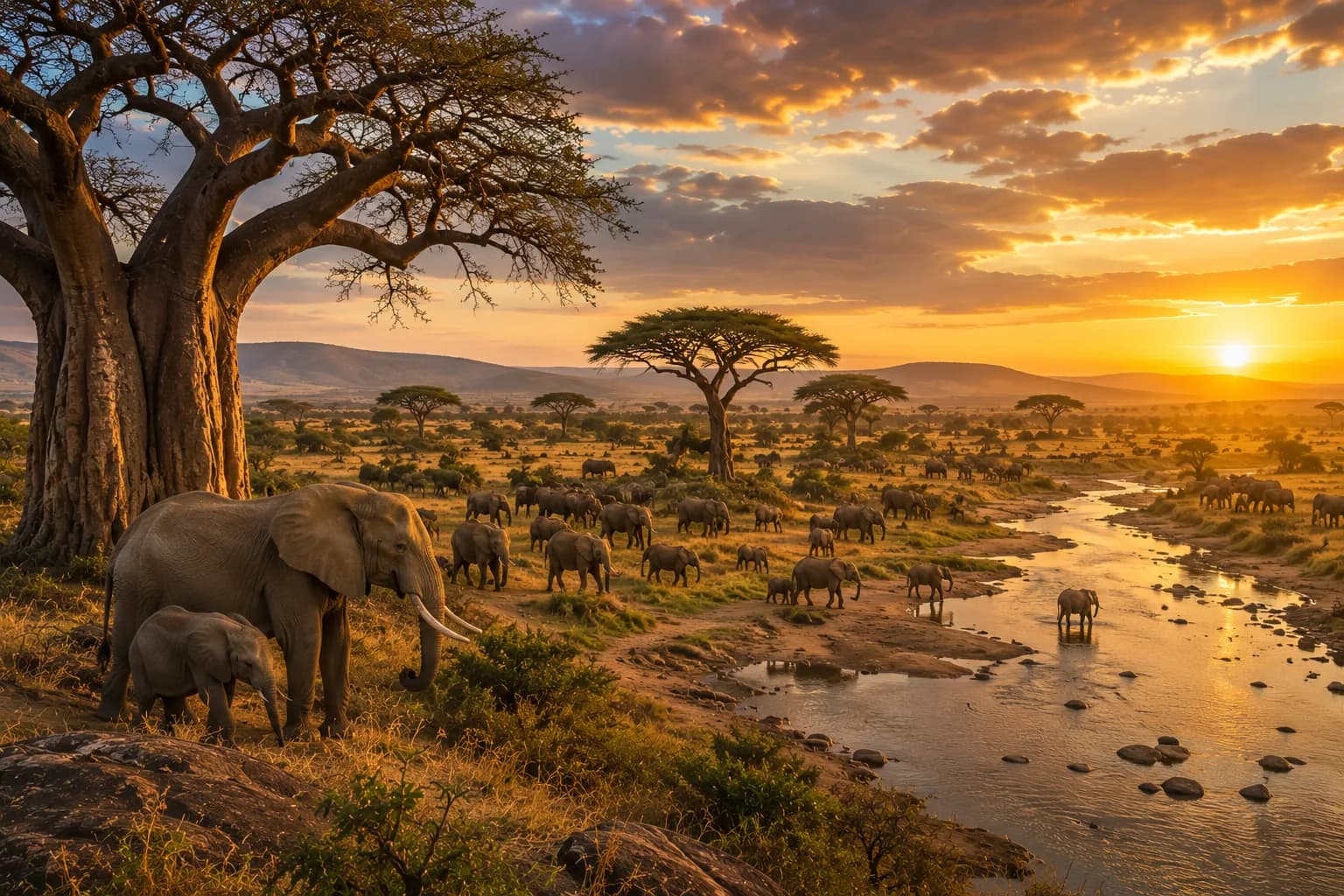
Tarangire National Park
Tanzania's Elephant Park — Ancient Baobabs and the Country's Highest Elephant Density
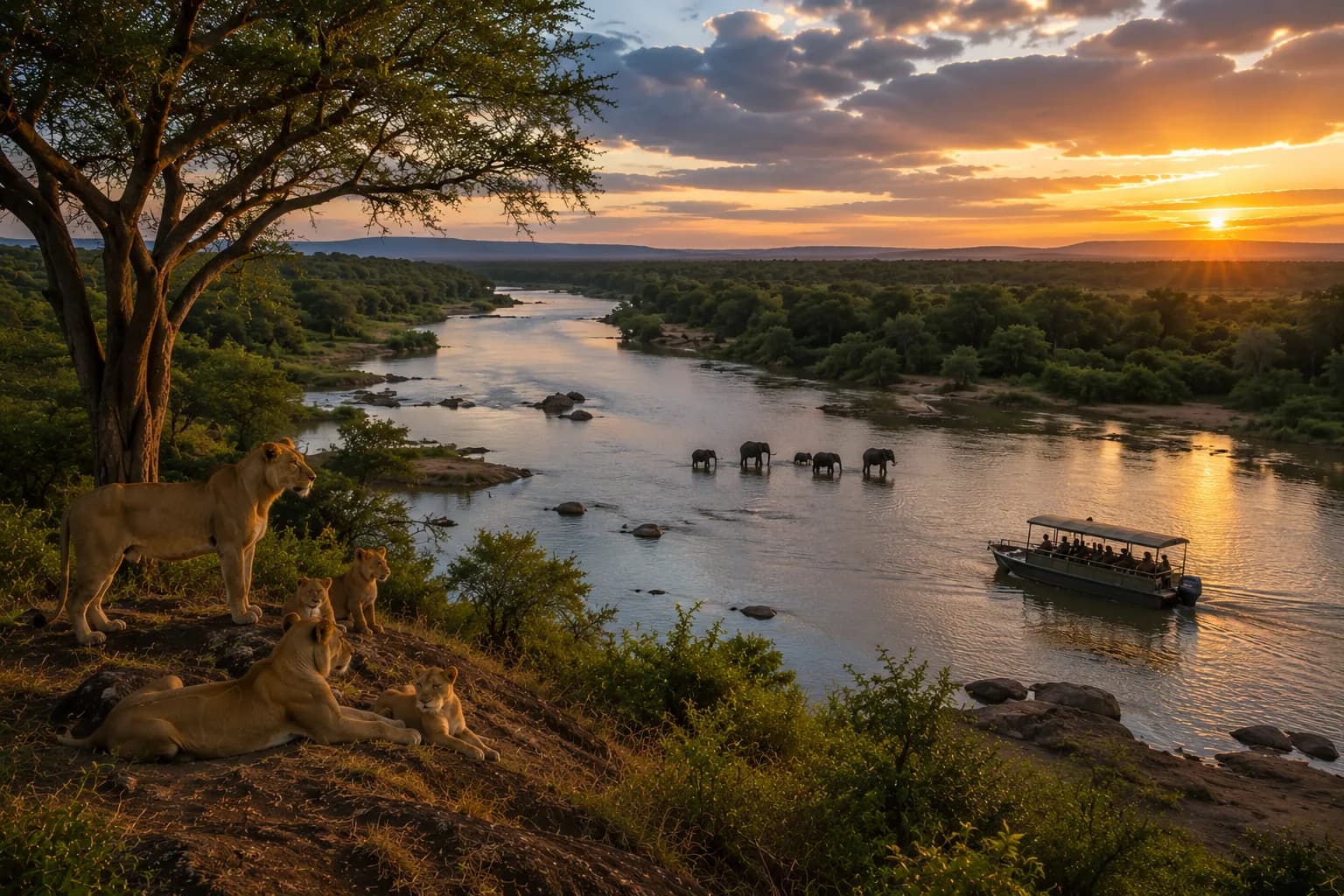
Selous / Nyerere National Park
Africa's Largest Protected Wilderness — Boat Safaris on the Rufiji, Far From the Crowds