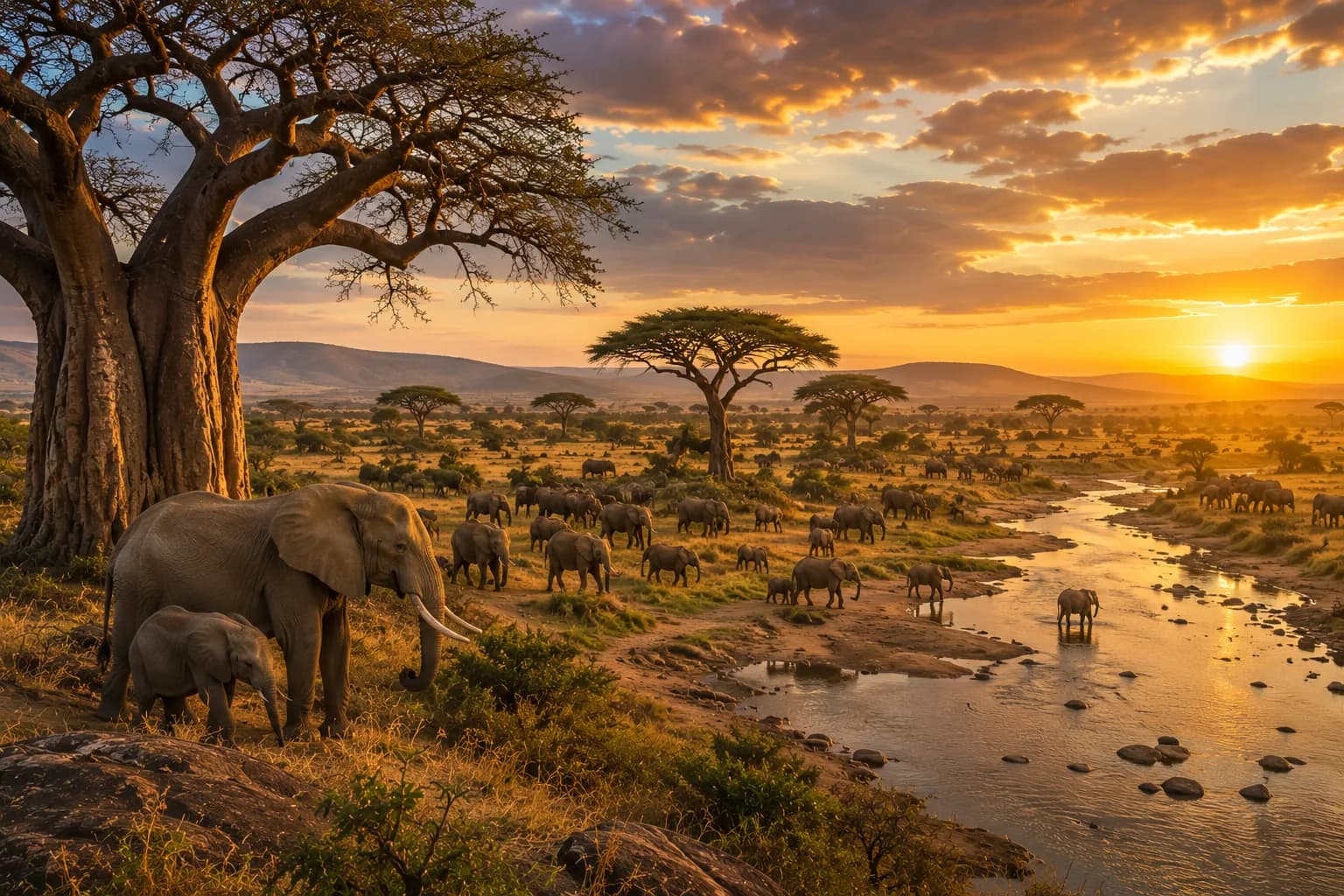
Tarangire National Park
Tarangire National Park is built around a single defining feature: the Tarangire River, one of the only permanent water sources in the region, which during the dry season draws the highest concentration of elephants found anywhere in Tanzania. The landscape around it — grassland dotted with genuinely ancient baobab trees, some over a thousand years old — is as distinctive as the wildlife.
During the dry season (roughly June to October), Tarangire's elephant herds can number in the hundreds along the riverbanks, alongside significant numbers of buffalo, zebra, and wildebeest that migrate into the park specifically because the river is one of the few reliable water sources left in the wider ecosystem at that time of year.
The park's baobabs aren't incidental scenery — they're a defining part of Tarangire's identity, some estimated at well over a thousand years old, and elephants regularly strip their bark for moisture and nutrients, a behaviour you're likely to see firsthand on a game drive here.
Tarangire is less visited than the Serengeti or Ngorongoro, which gives it a genuinely different atmosphere — fewer vehicles per sighting, and a landscape that feels less like the classic open-plains safari image and more varied, with swamps, grassland, and acacia woodland in close proximity.
It also holds a strong population of tree-climbing pythons and an unusually wide range of birdlife — over 550 species have been recorded — making it a worthwhile addition for travellers who want more than just Big Five ticking.
Highlights
- ◆Tanzania's highest elephant density, especially along the river in dry season
- ◆Ancient baobab trees, some estimated at over a thousand years old
- ◆Migratory herds of buffalo, zebra, and wildebeest during the dry season
- ◆Lower visitor density than the Serengeti or Ngorongoro
- ◆Over 550 recorded bird species
- ◆A genuinely different landscape from the classic open-plains safari image
Where to Stay
Riverside Luxury Camps
Camps positioned directly along the Tarangire River corridor, closest to the dry-season elephant concentrations and the park's best game-viewing stretch.
Hilltop & Swamp-Edge Lodges
Properties set slightly back with wider views across the park's baobab-studded landscape, often combining strong game viewing with more dramatic scenery.
Combined Circuit Stops
Because Tarangire is a relatively short drive from Arusha, many guests treat it as one to two nights at the start or end of a longer Serengeti–Ngorongoro circuit rather than a standalone stay.
Frequently Asked Questions
Is Tarangire worth adding to a Serengeti and Ngorongoro itinerary?
+
Yes, if elephants and a quieter, less-visited park appeal to you — it offers Tanzania's highest elephant density and a genuinely different landscape (ancient baobabs, riverine terrain) from the open plains of the Serengeti.
When is the best time to see Tarangire's elephant herds?
+
June to October, the dry season, when migratory wildlife concentrates along the Tarangire River in the greatest numbers. Elephants are present year-round, but the dry-season gathering is considerably larger.
How many days do I need in Tarangire?
+
One to two days is typical — most itineraries treat it as a shorter stop at the start or end of a longer northern Tanzania circuit, rather than a multi-day standalone destination.
Is Tarangire less crowded than the Serengeti?
+
Considerably — it sees far less tourist traffic than the Serengeti or Ngorongoro, which means fewer vehicles per sighting and a quieter overall atmosphere.
Experiences Here
Other Places in Tanzania
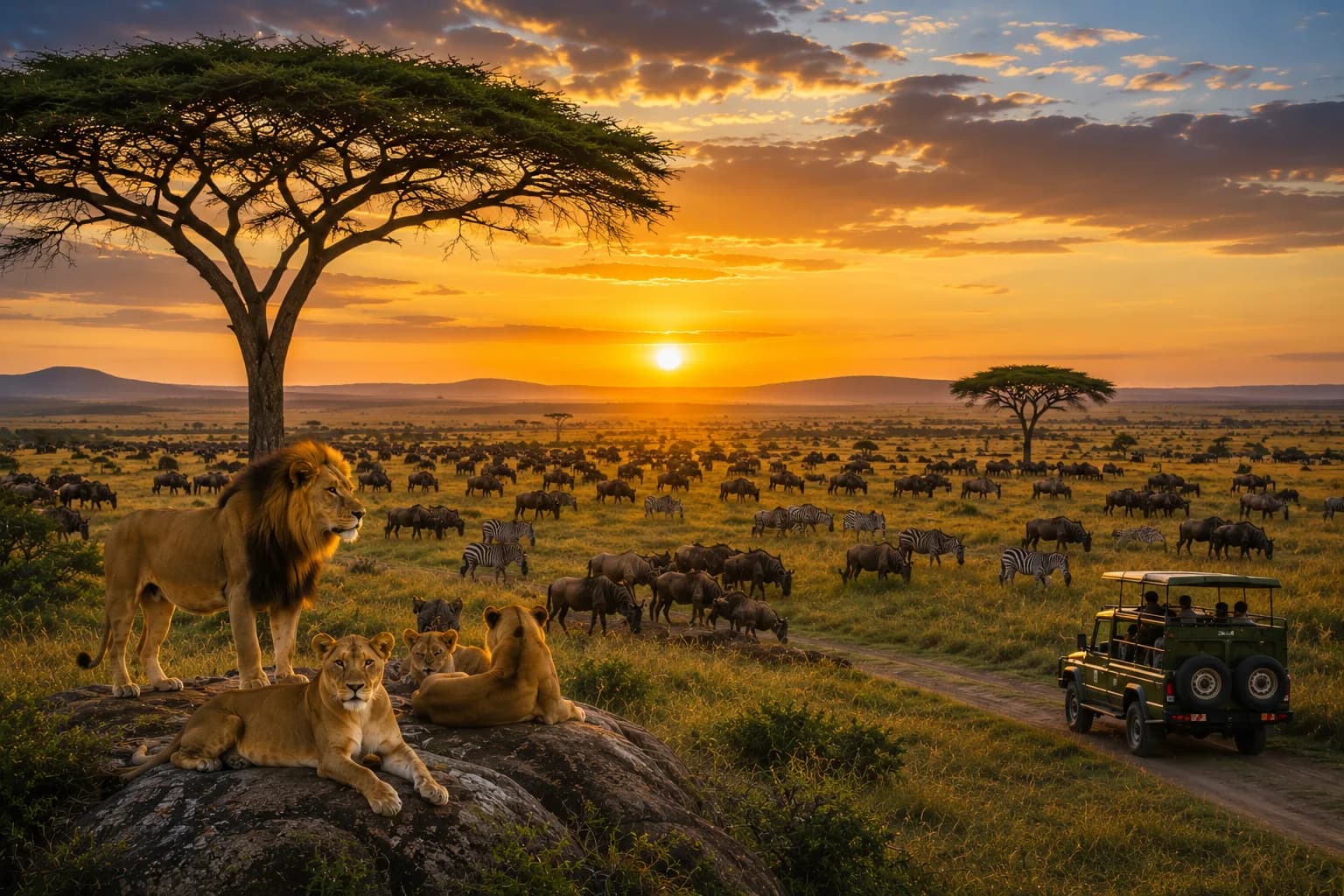
Serengeti National Park
The Endless Plains — Africa's Original Safari, and the Engine of the Great Migration
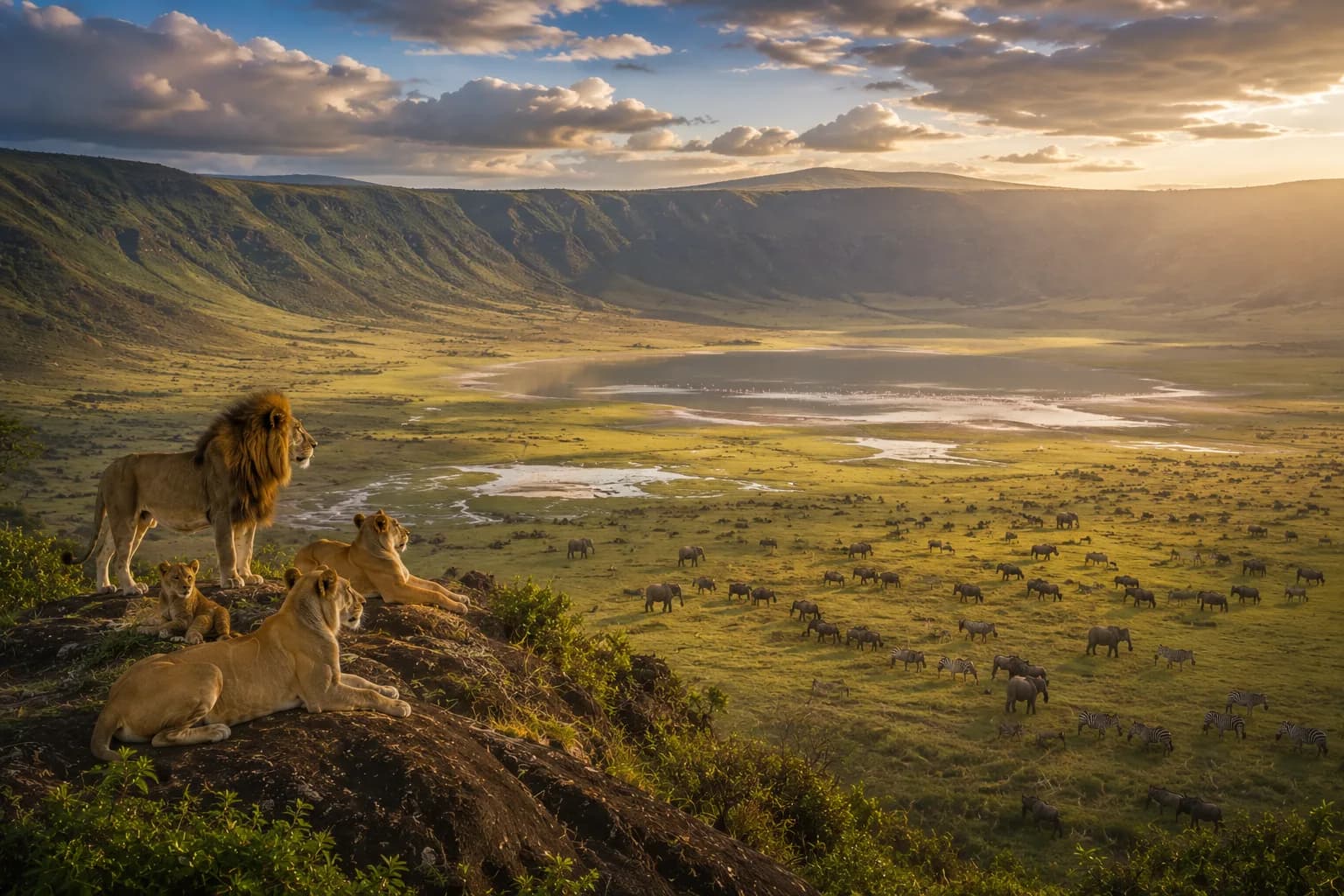
Ngorongoro Conservation Area
A Self-Contained World — The Densest Concentration of Big Five Wildlife on Earth
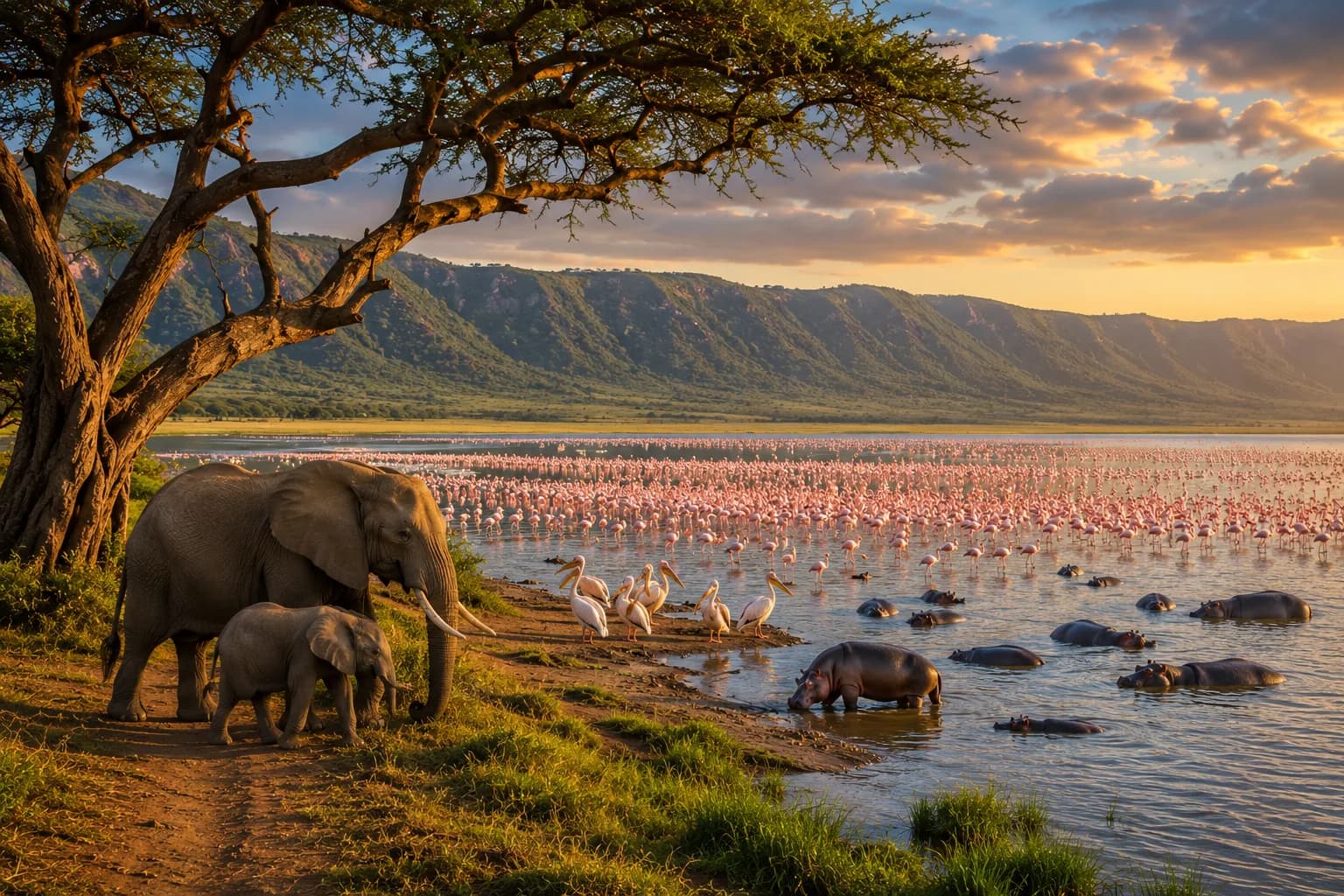
Lake Manyara National Park
A Compact Park Beneath the Rift Valley Wall, Famous for Lions in the Trees
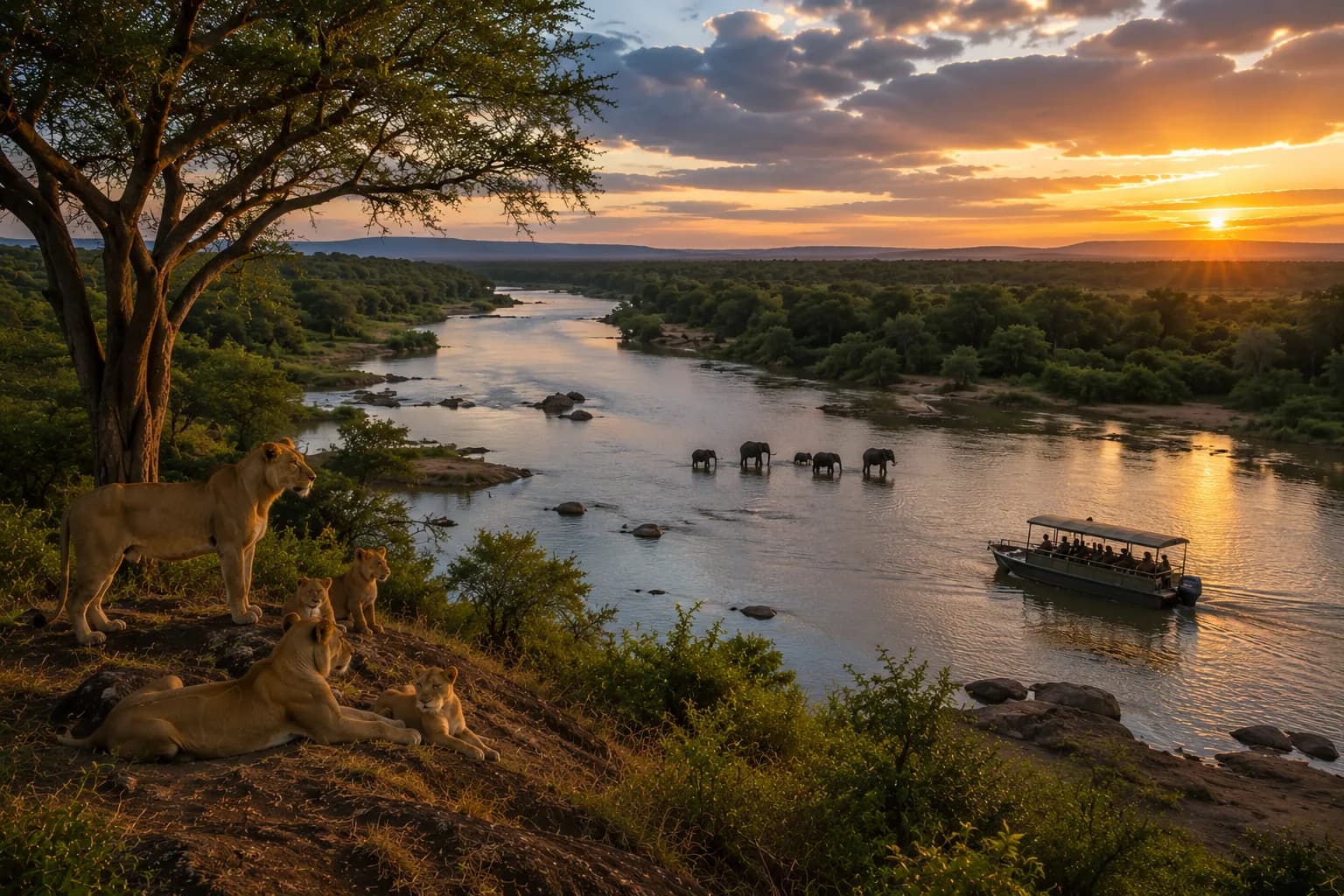
Selous / Nyerere National Park
Africa's Largest Protected Wilderness — Boat Safaris on the Rufiji, Far From the Crowds