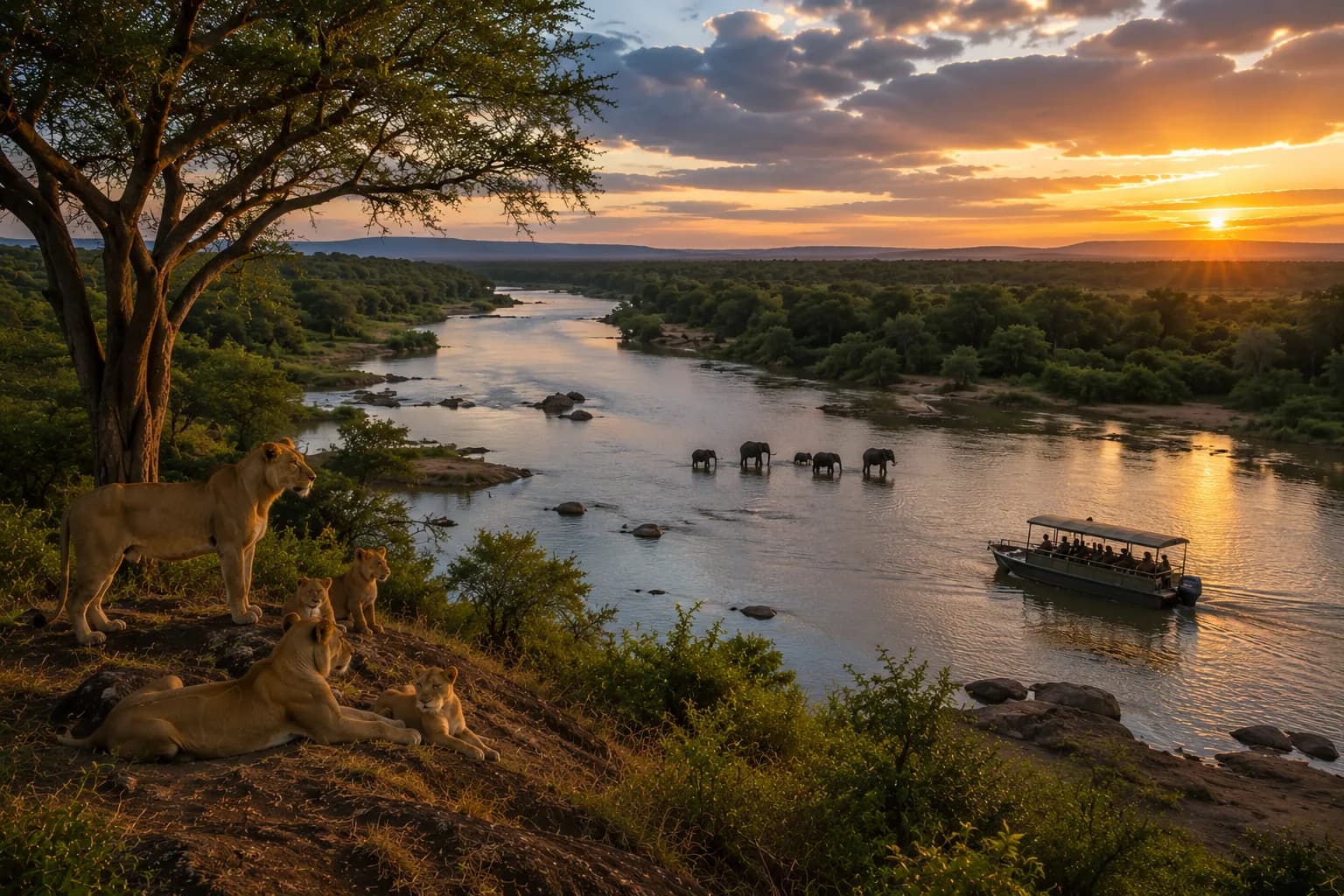
Selous / Nyerere National Park
Selous — renamed Nyerere National Park in the section now protected as a park, though both names are still widely used — is Africa's largest protected wilderness area at roughly 50,000 km², in southern Tanzania. It offers something the northern circuit largely doesn't: boat safaris and walking safaris on equal footing with game drives, across a landscape few travellers ever reach.
The Rufiji River is the ecosystem's centre of gravity, and boat safaris here are a genuinely different way of encountering wildlife — drifting past hippo pods, large Nile crocodiles, and elephant herds coming down to drink, from water level rather than a vehicle roof.
Walking safaris are permitted here in a way they generally aren't in the northern parks, led by armed rangers on foot through terrain that ranges from riverine forest to open woodland — a slower, more sensory way of experiencing the bush that vehicle-based game drives can't replicate.
Because of its remoteness and the flying-only access most camps require, Selous/Nyerere sees a small fraction of the visitor numbers of the Serengeti or Ngorongoro, which gives it a genuinely different character — private, unhurried, and largely free of the multi-vehicle sightings common on the northern circuit.
It's also one of the few places in Tanzania with a serious, well-managed population of African wild dog, one of the continent's most endangered predators, alongside strong lion, elephant, and buffalo numbers across its vast, largely untouched interior.
Highlights
- ◆Boat safaris on the Rufiji River — a genuinely different way to see wildlife
- ◆Walking safaris with armed rangers, permitted here far more than in the northern parks
- ◆Africa's largest protected wilderness area, at roughly 50,000 km²
- ◆One of Tanzania's most important African wild dog populations
- ◆A fraction of the visitor numbers of the Serengeti or Ngorongoro
- ◆Fly-in access only — remote by design
Where to Stay
Rufiji Riverfront Camps
Positioned directly on the river for the easiest access to boat safaris, often with private jetties and sundowner cruises included as part of the daily rhythm.
Walking-Safari Focused Camps
Smaller camps built specifically around multi-day walking circuits, sometimes moving guests between fly-camps rather than a single fixed base.
Combined Northern–Southern Circuits
Because Selous/Nyerere requires a separate flight from the northern parks, most itineraries treat it as a distinct add-on rather than a same-trip drive-between stop — worth building in as extra days rather than a quick detour.
Frequently Asked Questions
Is it called Selous or Nyerere National Park?
+
Both names are in use — the northern section of the former Selous Game Reserve was renamed Nyerere National Park, while the southern portion retains the Selous Game Reserve name. Most operators, including us, still use 'Selous' informally to refer to the whole ecosystem.
What makes Selous/Nyerere different from the northern Tanzania parks?
+
Boat safaris and walking safaris, both permitted here far more freely than in the Serengeti or Ngorongoro, plus a level of remoteness and low visitor density that the northern circuit simply can't offer given how much more popular it is.
How do I get to Selous/Nyerere?
+
By light aircraft only, typically from Dar es Salaam or connecting from the northern safari circuit. There's no realistic road option for most visitors given the distances involved.
Can I combine Selous/Nyerere with the Serengeti and Ngorongoro?
+
Yes, but it requires a separate internal flight and is usually treated as an addition of several extra days rather than a quick stop, given how far south it sits from the northern circuit.
Experiences Here
Other Places in Tanzania
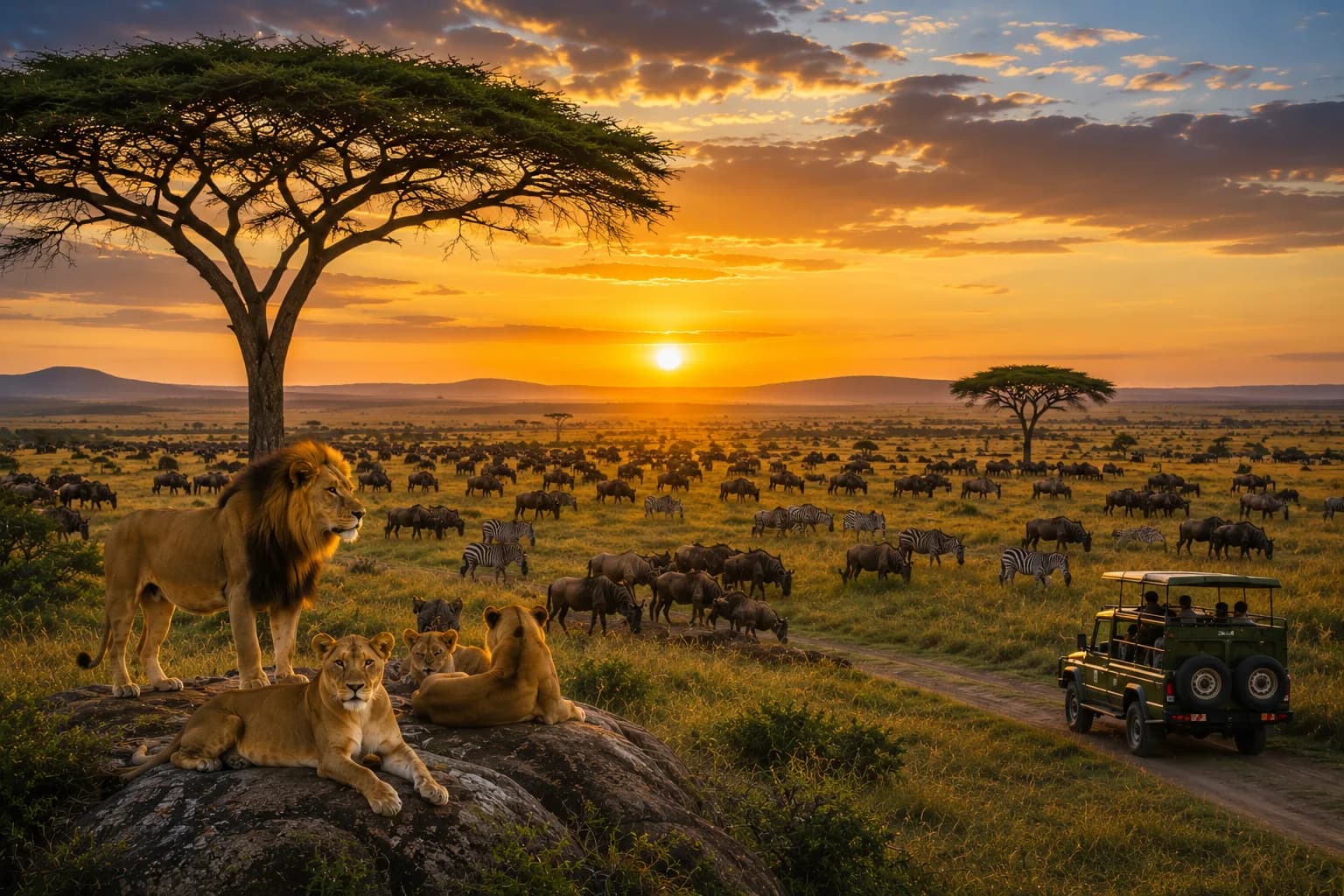
Serengeti National Park
The Endless Plains — Africa's Original Safari, and the Engine of the Great Migration
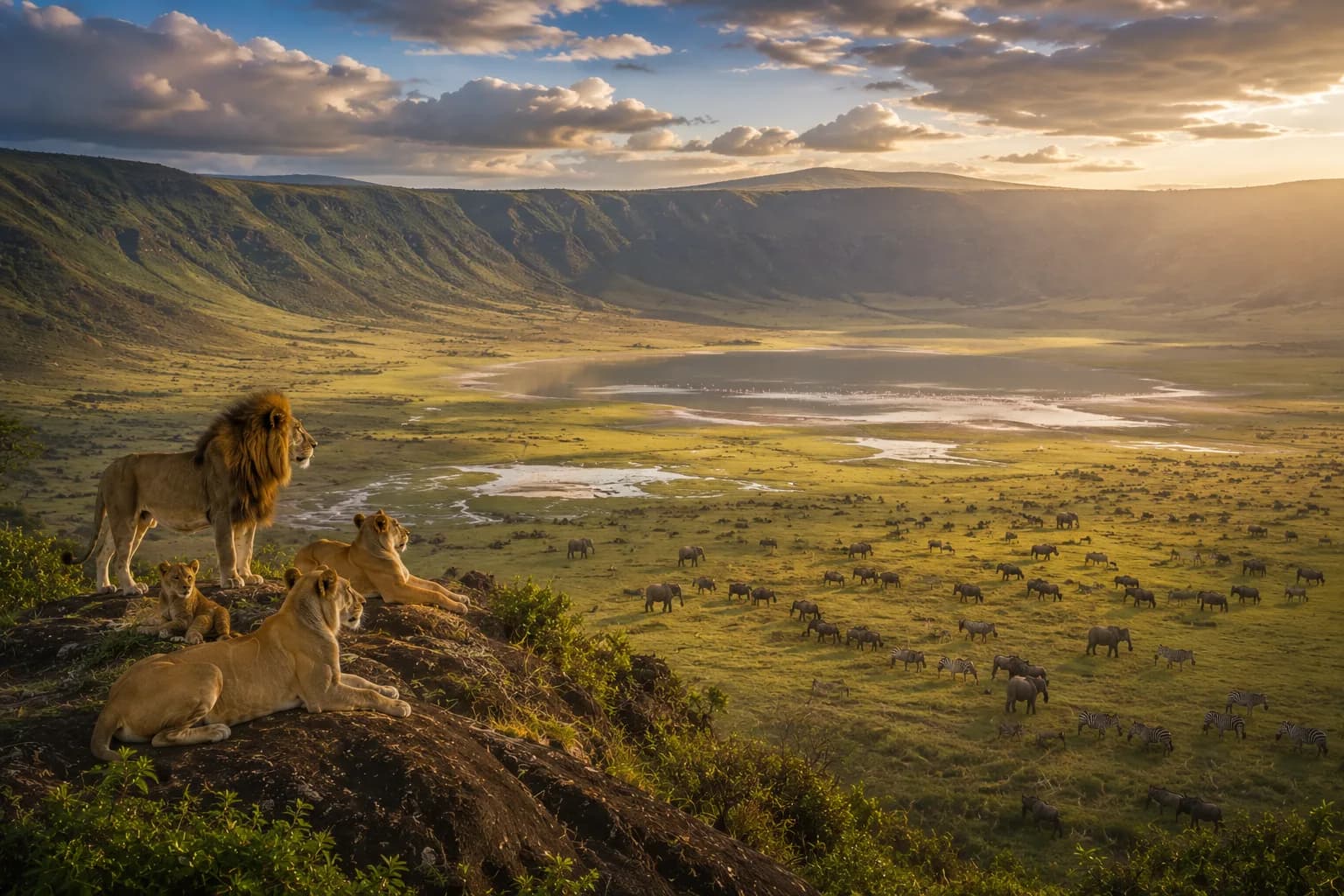
Ngorongoro Conservation Area
A Self-Contained World — The Densest Concentration of Big Five Wildlife on Earth
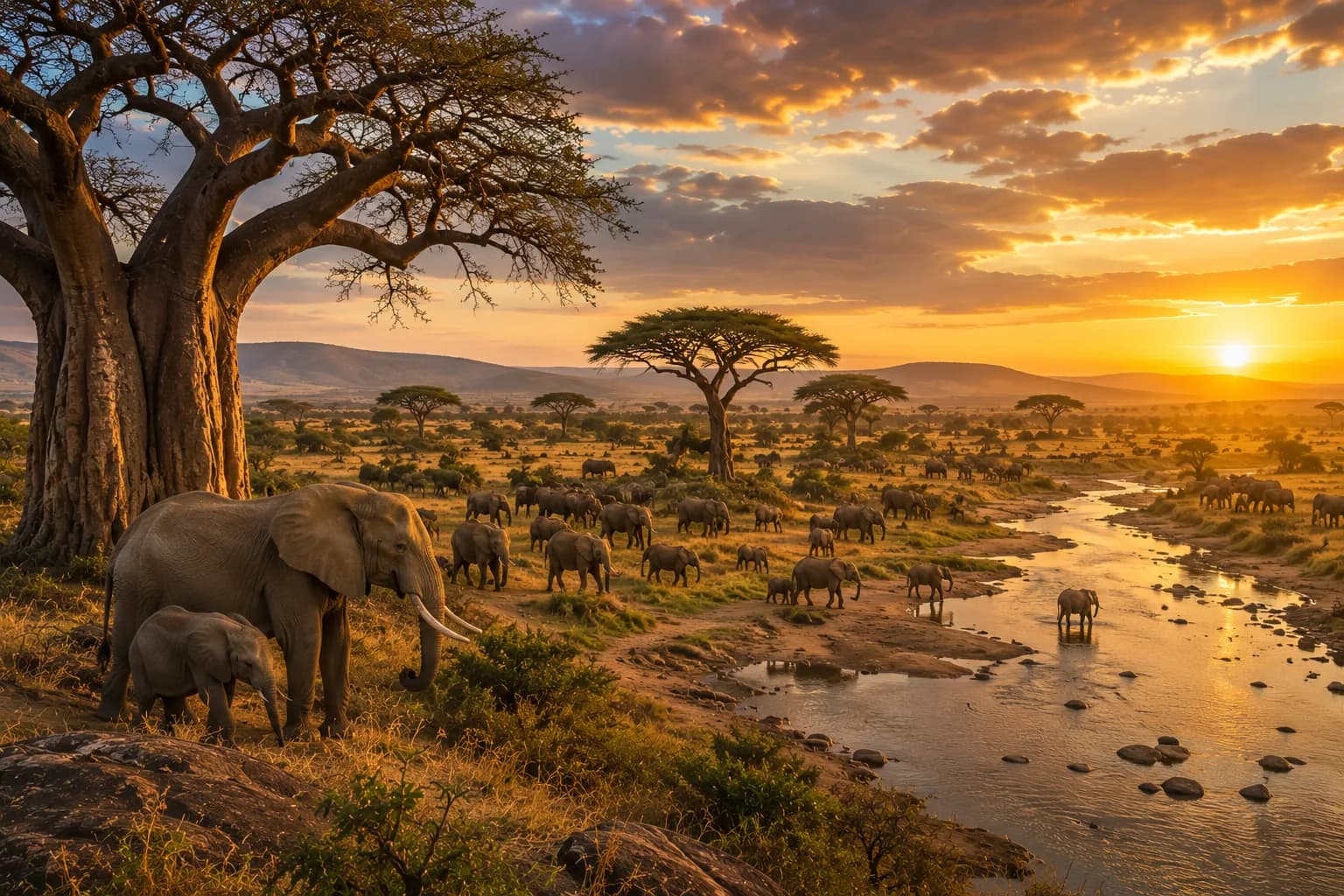
Tarangire National Park
Tanzania's Elephant Park — Ancient Baobabs and the Country's Highest Elephant Density
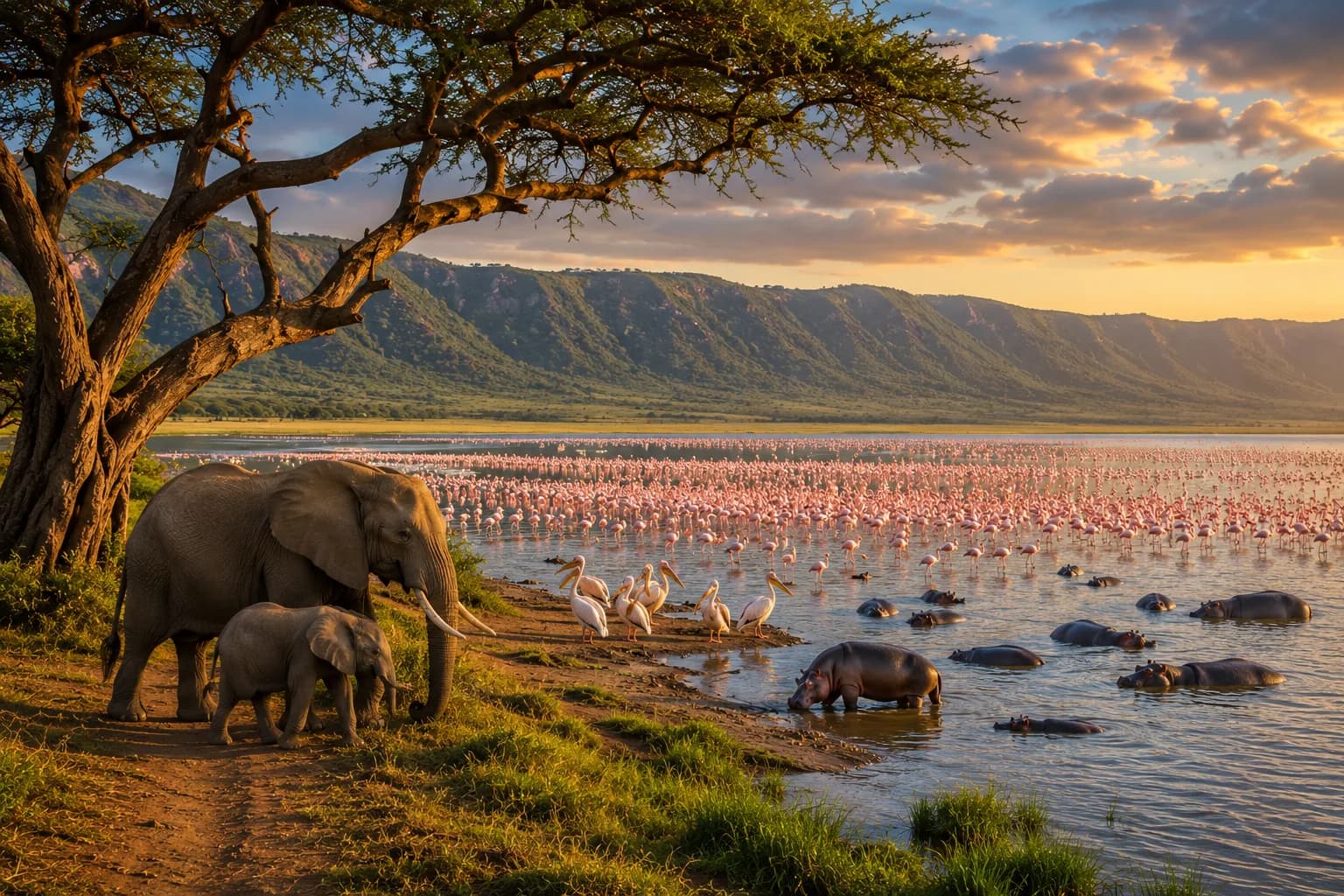
Lake Manyara National Park
A Compact Park Beneath the Rift Valley Wall, Famous for Lions in the Trees