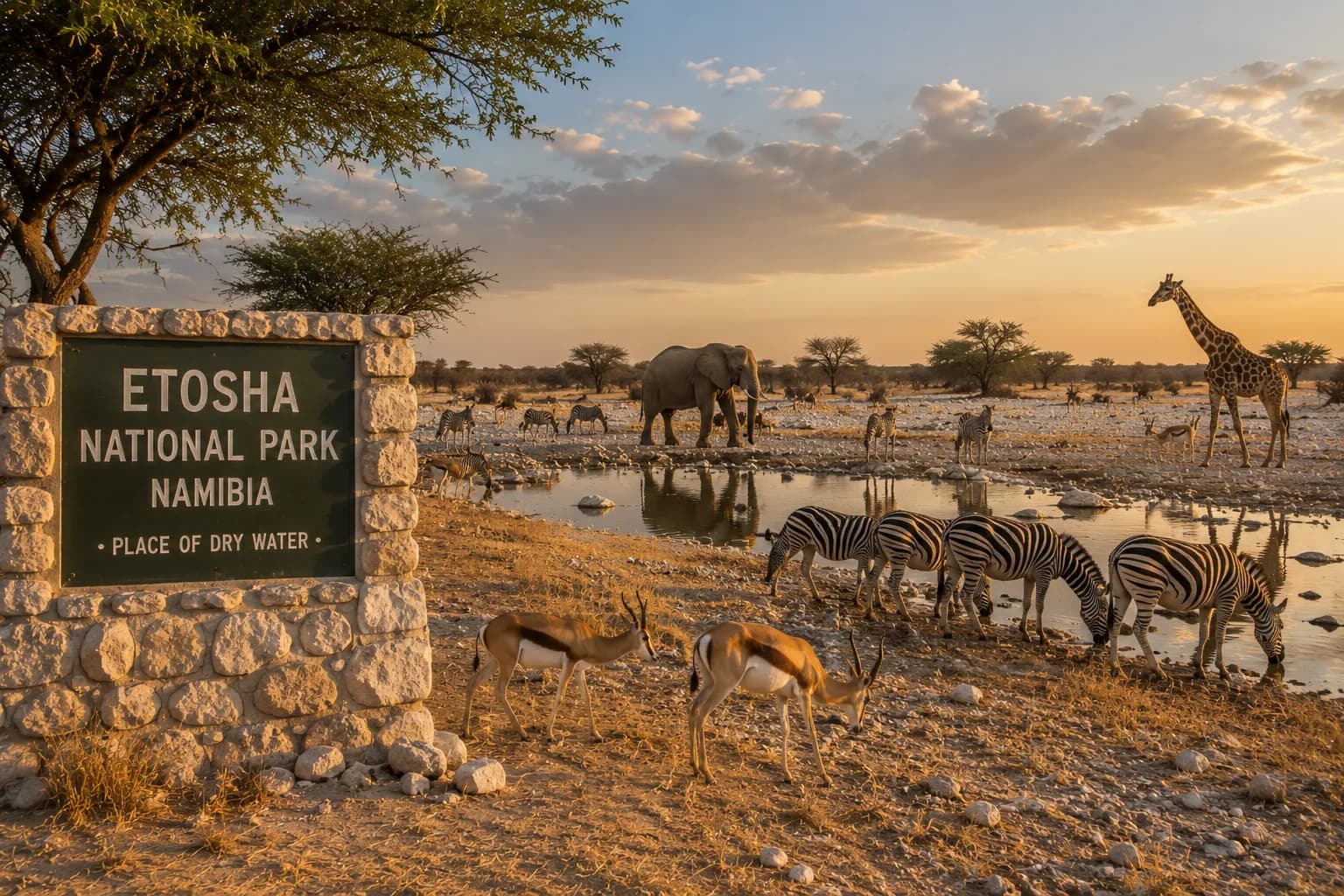
Etosha National Park
Etosha National Park, in northern Namibia, covers about 22,270 km² around the Etosha Pan, a salt pan of some 4,760 km² so large it can be seen from space. For most of the year the pan is a shimmering white plain, and in the dry season the animals come to the springs and waterholes along its southern edge, which makes Etosha one of the best and easiest parks in Africa for a self-drive safari. It was first proclaimed a game reserve in 1907.
Etosha is a park of waterholes. Pick one, switch off the engine and wait, and elephants, giraffes, zebras, springbok, gemsbok and wildebeest come and go in turn, with lions and hyenas never far away; the black-faced impala, a subspecies found only in north-western Namibia and south-western Angola, is a local speciality. Leopards and cheetahs are seen less often, and there are no buffalo.
The park's three main camps each have a floodlit waterhole that stays busy after dark. Okaukuejo, in the south near the Andersson Gate, is famous for black rhinos drinking at night; Halali sits in the middle of the park, and Namutoni, in the east near the Von Lindequist Gate, is built around an old German fort. In the west, Dolomite Camp has tented chalets in a quieter part of the park, and Onkoshi stands on the edge of the pan itself.
Private reserves lie on the park's borders, among them Ongava on the southern boundary, and their lodges offer guided walks and night drives, which are not allowed inside Etosha. Inside the park the rules are simple: stay in your vehicle except in the camps and at fenced rest stops, keep to the 60 km/h speed limit, and be back in camp or out of the gates by sunset.
Things to do in Etosha
- Self-drive game drives between the waterholes, on gravel roads suitable for ordinary cars in the dry season.
- Waterhole watching after dark at the floodlit waterholes of Okaukuejo, Halali and Namutoni.
- Guided game drives with the lodges outside the gates, if you would rather not drive yourself.
- A drive to the edge of the Etosha Pan, for the view across the white salt.
- Birdwatching in the green season, when migrant birds arrive and, after good rains, flamingos gather on the pan.
- Walks and night drives in the private reserves along the park's borders.
Getting there, park rules and where to stay
Okaukuejo is about five hours' drive north of Windhoek, entering through the Andersson Gate; the Von Lindequist Gate, in the east, is reached via Tsumeb. Light aircraft fly to airstrips at lodges near the park. The gates open at sunrise and close at sunset. Since April 2026 the daily park fee for international adults has been N$280 per person, plus a fee for the vehicle; check the current tariff before you go. Two or three nights are ideal, split between the south, around Okaukuejo, and the east, around Namutoni, to cover different waterholes. Etosha lies in Namibia's malaria regions, with most cases from December to April, so ask a travel clinic about prophylaxis.
Highlights
- ◆Floodlit waterholes where black rhinos drink after dark
- ◆The Etosha Pan, a white salt plain visible from space
- ◆Elephants, lions, giraffes and great herds of springbok and zebra
- ◆The black-faced impala, found only in this corner of Africa
- ◆Easy self-drive game viewing on good gravel roads
- ◆Flamingos on the pan after good rains
Where to Stay
Park Camps
Okaukuejo, Halali and Namutoni, with chalets, campsites and floodlit waterholes, plus the quieter Dolomite and Onkoshi camps, all inside the park.
Private Reserves
Exclusive lodges on the private reserves along the park's borders, with guided drives into Etosha, walks and night drives.
Gateway Lodges
Lodges and campsites just outside the Andersson and Von Lindequist gates, often better value, with easy access to the park at sunrise.
Frequently Asked Questions
Can you self-drive in Etosha?
+
Yes — Etosha is one of the best parks in Africa for a self-drive safari. The main roads are gravel and suitable for ordinary cars in the dry season; keep to the 60 km/h limit, stay in your vehicle outside the camps and be back in camp or out of the park by sunset.
What animals can you see in Etosha?
+
Elephants, lions, black rhinos, giraffes, zebras, springbok, gemsbok, wildebeest and the local black-faced impala, with leopards and cheetahs seen less often. There are no buffalo, so Etosha has four of the Big Five.
Which is the best camp in Etosha?
+
Okaukuejo has the most famous floodlit waterhole, with black rhinos at night; Halali is central, and Namutoni, in the east, is built around an old fort. Splitting your stay between the south and the east lets you see more of the park.
When is the best time to visit Etosha?
+
From May to October, when the animals gather at the waterholes; September and October bring the best game viewing. The green season, from November to April, is beautiful and good for birds, but the animals are more spread out.
How many days do you need in Etosha?
+
Two or three nights, ideally split between Okaukuejo in the south and Namutoni in the east, to cover different waterholes; four or more if you add a private reserve on the border.
Experiences Here
Other places in Namibia
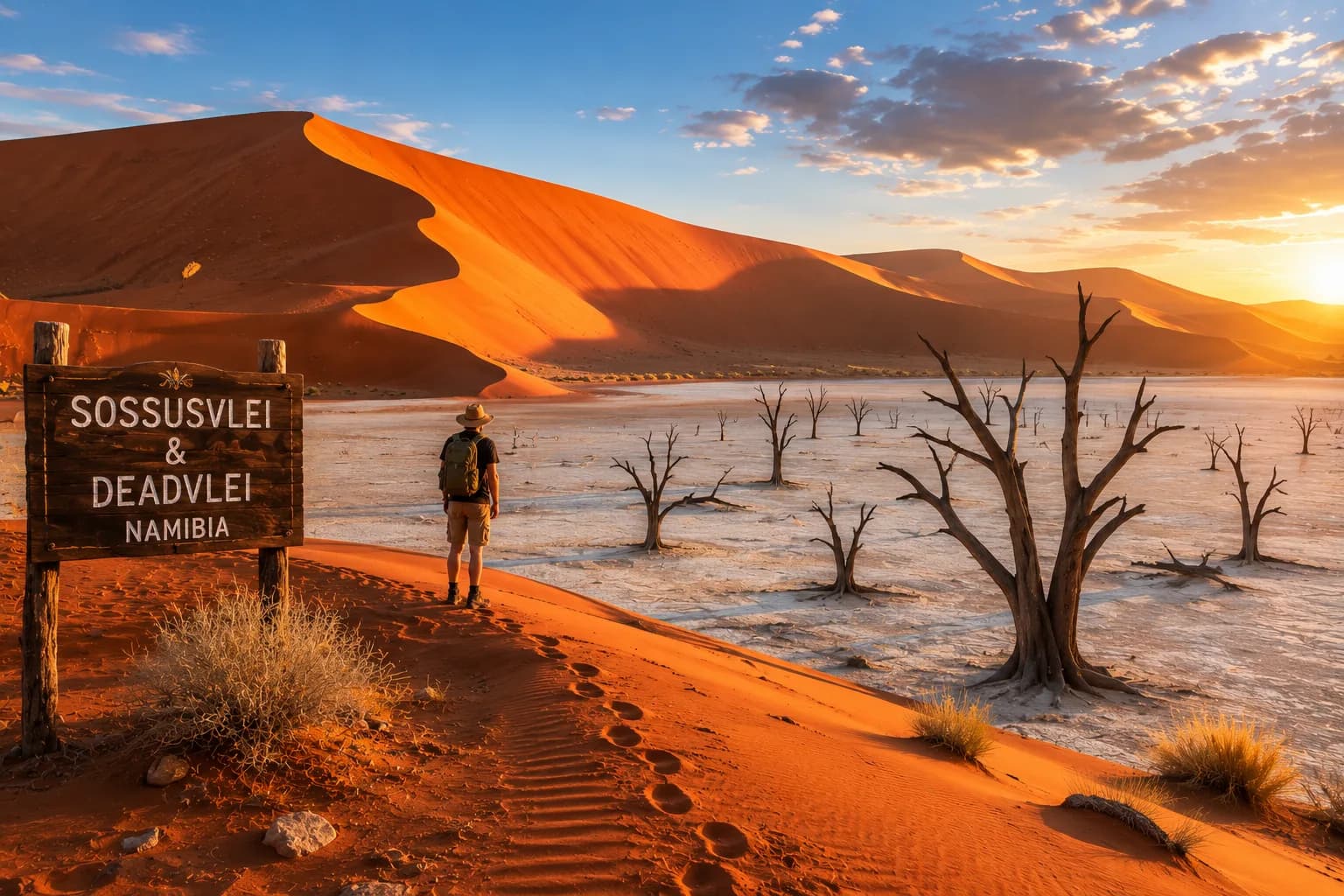
Sossusvlei & Deadvlei
Red Dunes, Dead Trees and One of the Oldest Deserts on Earth
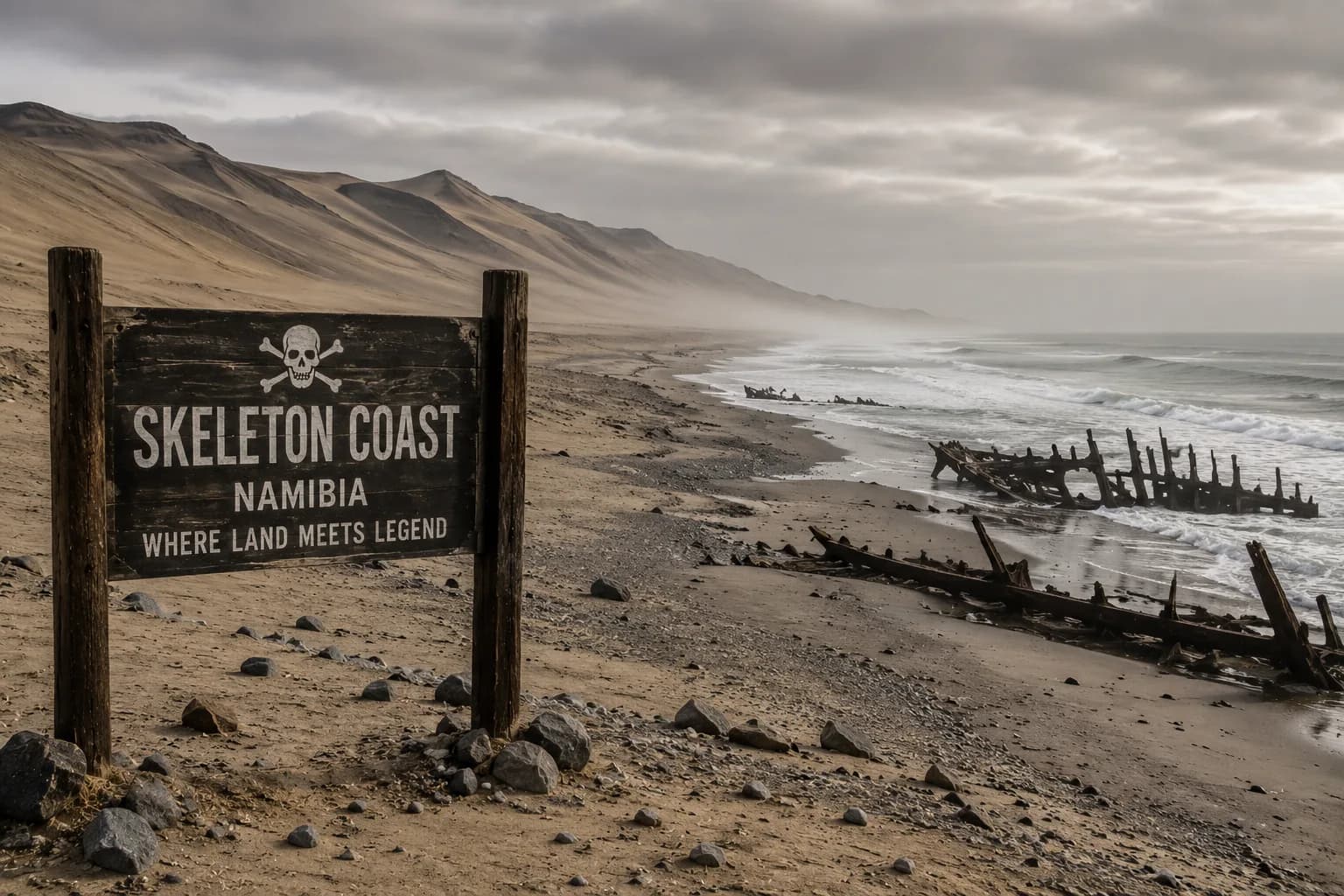
Skeleton Coast
Fog, Shipwrecks and Seals Where the Desert Meets the Atlantic
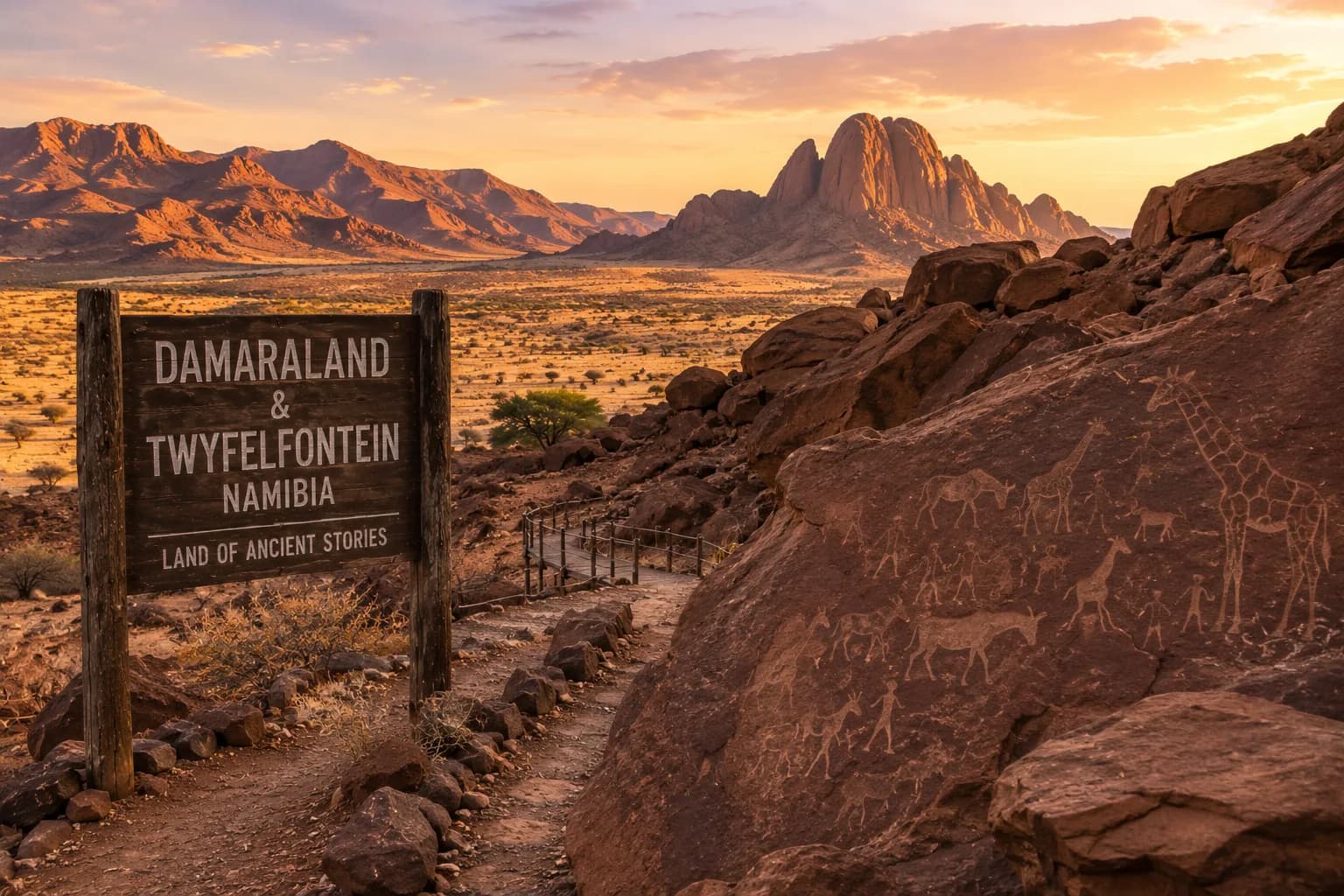
Damaraland & Twyfelfontein
Rock Art, Red Mountains and Elephants That Live in the Desert
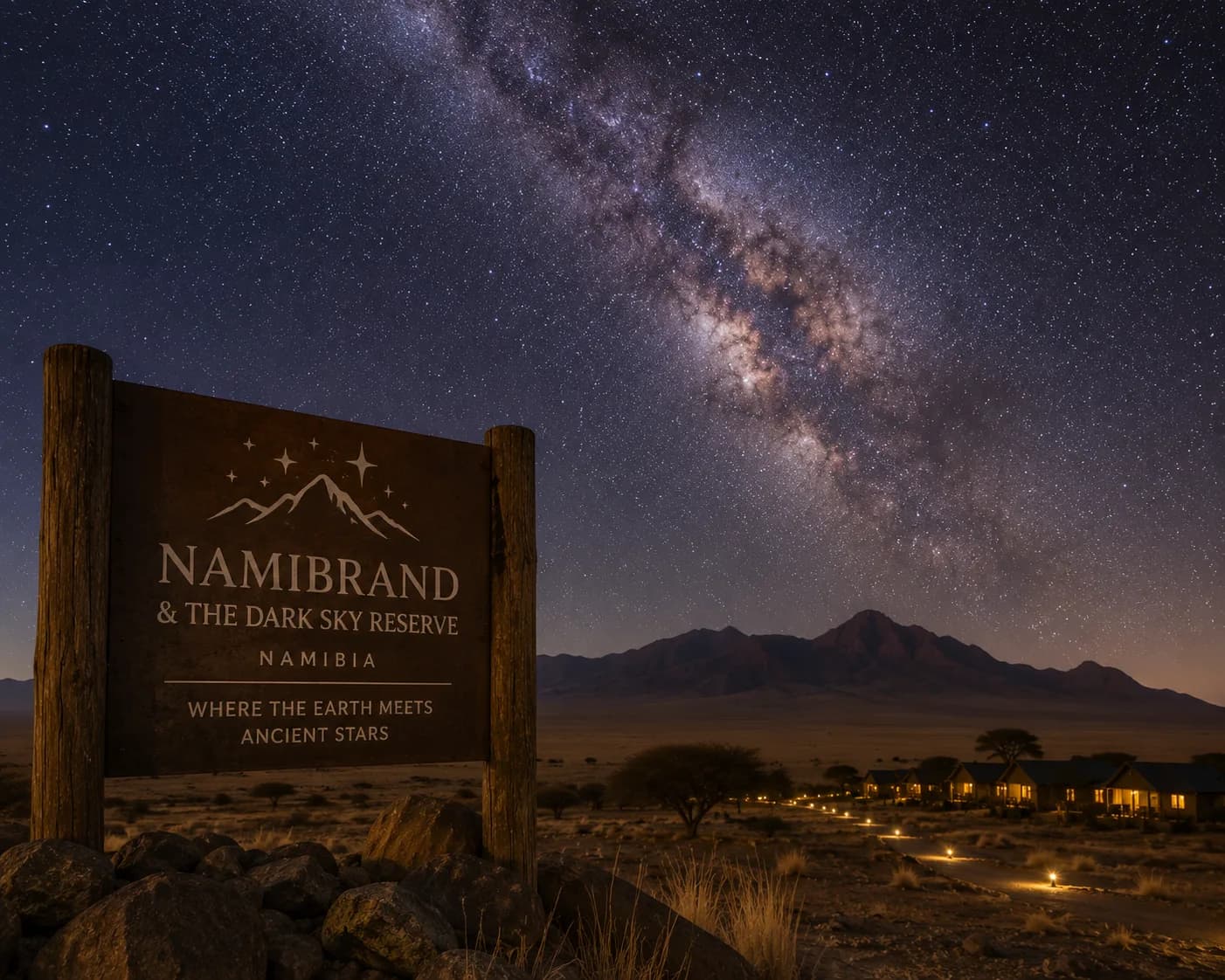
NamibRand Nature Reserve
Desert Silence, Fairy Circles and Some of the Darkest Skies on Earth