Skeleton Coast
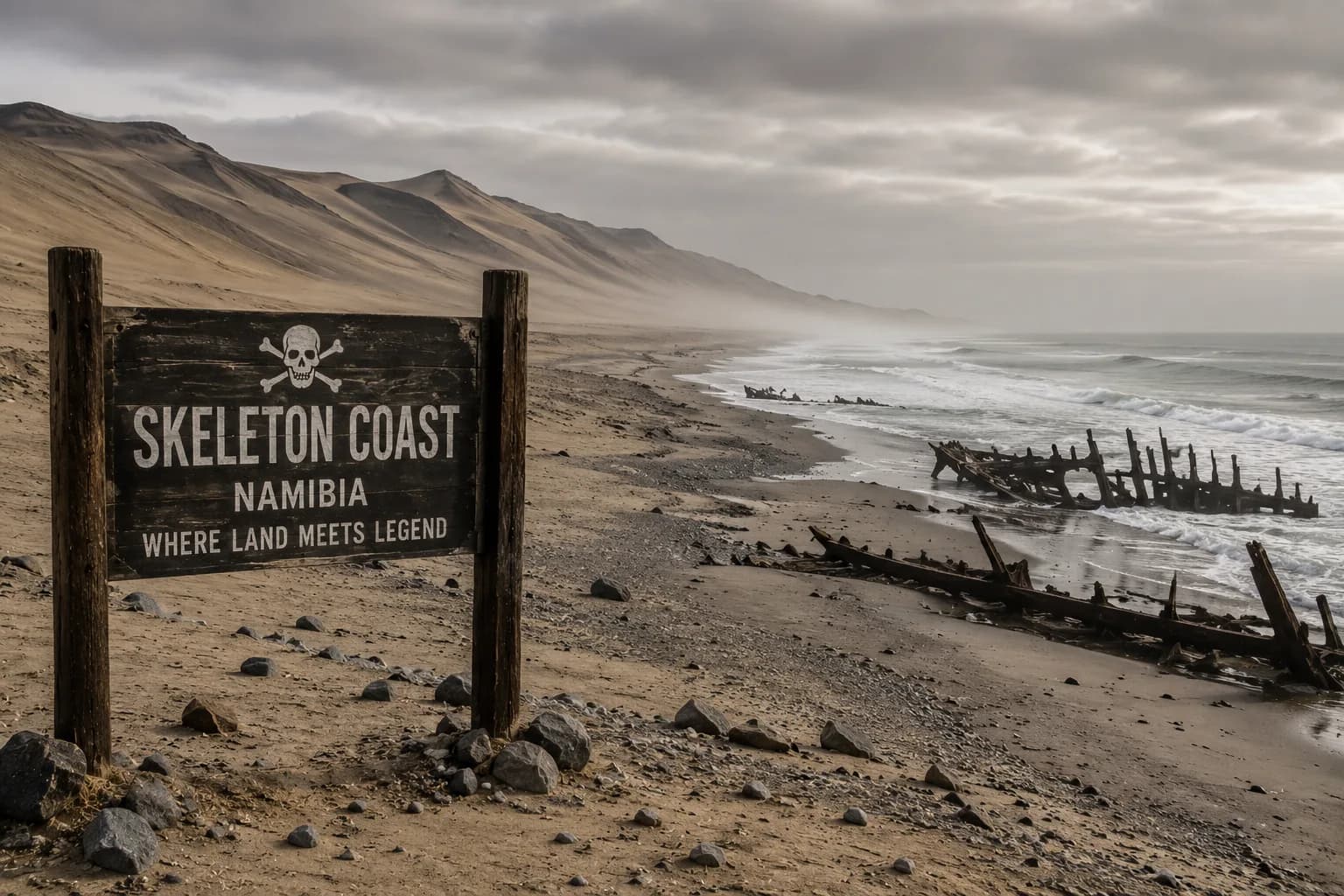
The Skeleton Coast is Namibia's wild north-western shore, where the cold Benguela Current meets the Namib Desert and thick sea fog rolls in on most mornings. Its name comes from the whale and seal bones that once littered the beaches, and from the ships wrecked in the fog and the surf. The Skeleton Coast National Park runs for about 500 km from the Ugab River to the Kunene, on the Angolan border; south of the Ugab, the coast with the Cape Cross seal colony belongs to the Dorob National Park.
Cape Cross, about an hour and a half north of Swakopmund, is home to one of the largest colonies of Cape fur seals in the world, with more than 200,000 animals at its peak; the pups are born in late November and early December, and the noise and the smell are unforgettable. The cross on the headland is a replica of the stone pillar that the Portuguese navigator Diogo Cão set up in 1486; the original was taken to Germany in 1893 and returned to Namibia in 2019.
The coast's fog, currents and sandbanks have wrecked many ships over the centuries, and the remains of some can still be seen on the beaches, though the sea and the sand are slowly breaking them up. Inland, the dry riverbeds that cross the desert towards the sea — the Ugab, the Huab, the Hoanib and the Hoarusib — are corridors for desert-adapted wildlife: elephants, giraffes, brown hyenas, oryx and, more rarely, lions.
Self-drivers can explore the southern part of the park, between the Ugab Gate and Terrace Bay, on salt and gravel roads. The north, beyond Terrace Bay, is closed to the public except on fly-in safaris, which use a handful of remote camps and lodges and combine the dunes, the river valleys and the coast.
Things to do on the Skeleton Coast
- The Cape Cross seal colony, about an hour and a half north of Swakopmund.
- A self-drive through the park with a permit, from the Ugab Gate to Terrace Bay or out through Springbokwasser.
- Shipwrecks on the beaches, from the road and on guided excursions.
- Fly-in safaris to the remote north, with desert-adapted elephants, giraffes and lions in the river valleys.
- Shore fishing at Terrace Bay and, in December and January, at Torra Bay.
- Scenic flights over the dunes, the wrecks and the coast.
Gates, permits and where to stay
The park has two gates: Ugab in the south, on the coast road from Swakopmund, and Springbokwasser in the east, on the road from Damaraland. A free transit permit, issued at the gates, lets you drive between them in a day, but it does not cover stops at Torra Bay or Terrace Bay, and the gates have strict cut-off times for entering and leaving, so check them before you set out. Self-drivers can stay at the government resorts at Terrace Bay, open all year, and Torra Bay, open only in December and January; the remote north has a few fly-in camps and lodges. Distances are long, services are few and the fog keeps the coast cool all year, so carry water and warm layers. There is no malaria on the coast.
Highlights
- ◆More than 200,000 Cape fur seals at Cape Cross
- ◆Shipwrecks on fog-bound beaches
- ◆Desert-adapted elephants, giraffes and lions in the river valleys
- ◆The cross of Diogo Cão, the first European here, in 1486
- ◆Fly-in safaris to one of the remotest coasts on Earth
- ◆Brown hyenas and black-backed jackals on the shore
Where to Stay
Coastal Towns
Hotels and guesthouses in Swakopmund and Henties Bay, the bases for Cape Cross and the southern part of the park.
Park Resorts
Simple government bungalows and campsites at Terrace Bay, open all year, and Torra Bay, open in December and January, popular with anglers.
Fly-In Camps
A few small, remote camps and lodges in the north and in the river valleys, reached by light aircraft.
Frequently Asked Questions
Why is it called the Skeleton Coast?
+
For the whale and seal bones that once littered its beaches, and for the many ships wrecked in its fog, currents and sandbanks. The remains of some wrecks can still be seen on the beaches.
Can you drive the Skeleton Coast?
+
Yes, the southern part. A free transit permit from the Ugab or Springbokwasser gate lets you drive through the park in a day, within strict entry and exit times; to stop over at Terrace Bay or Torra Bay you need a booking there. The north is only open on fly-in safaris.
Is Cape Cross worth visiting?
+
Yes — it is one of the largest Cape fur seal colonies in the world, with more than 200,000 animals at the peak, about an hour and a half from Swakopmund. Be ready for the noise and the smell.
Can you still see shipwrecks on the Skeleton Coast?
+
Yes, though fewer than the name suggests: the sea and the sand are slowly breaking up the wrecks, and some lie in areas closed to visitors. Several can be seen from the coast road or on guided excursions from Swakopmund and the fly-in camps.
How do you visit the northern Skeleton Coast?
+
On a fly-in safari: the far north, beyond Terrace Bay, is closed to self-drivers, and light aircraft link a few remote camps with Windhoek, Swakopmund and Damaraland. The flights, low over the dunes and the coast, are part of the experience.
Other places in Namibia
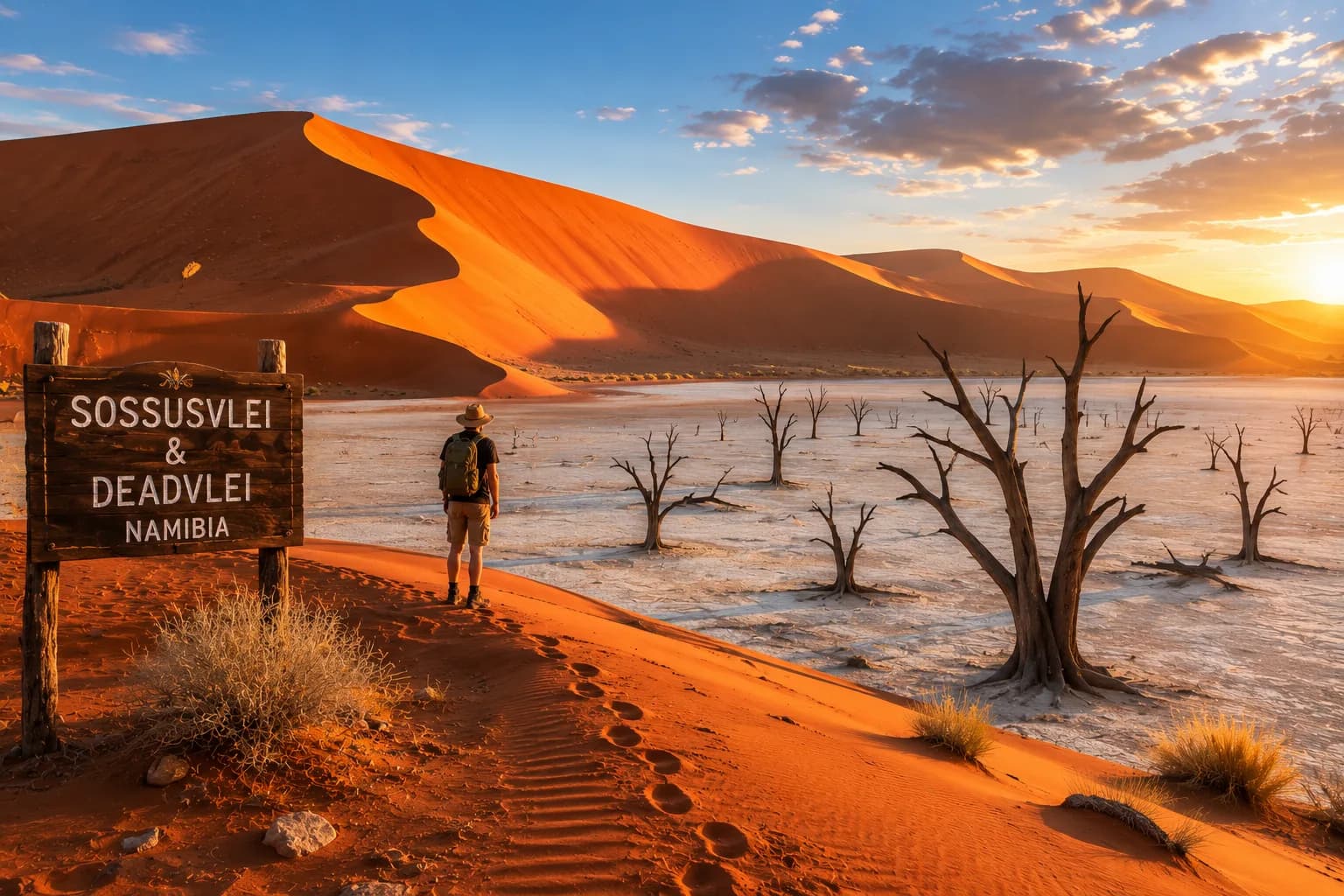
Sossusvlei & Deadvlei
Red Dunes, Dead Trees and One of the Oldest Deserts on Earth
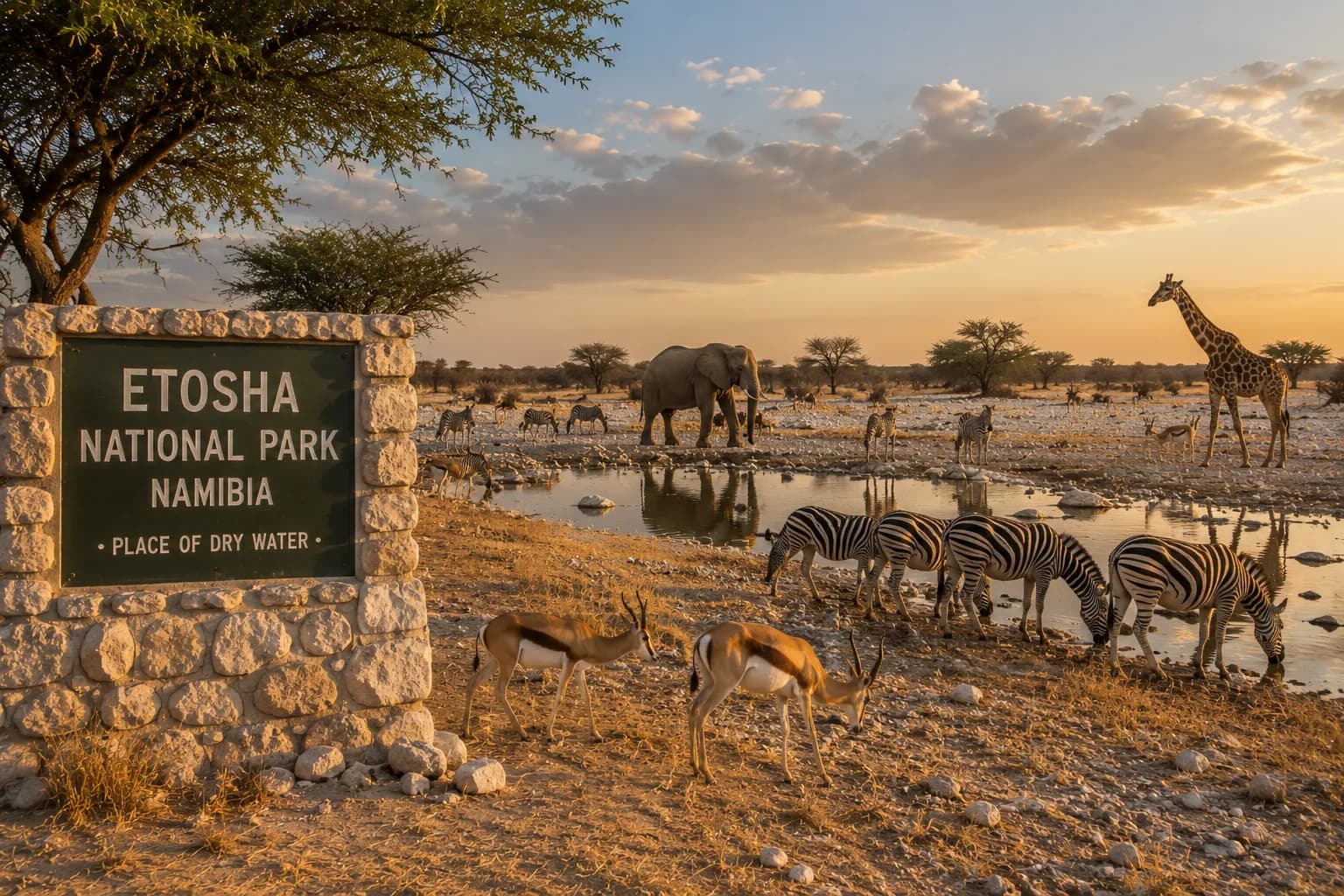
Etosha National Park
Waterhole Safaris on the Edge of a Vast White Pan
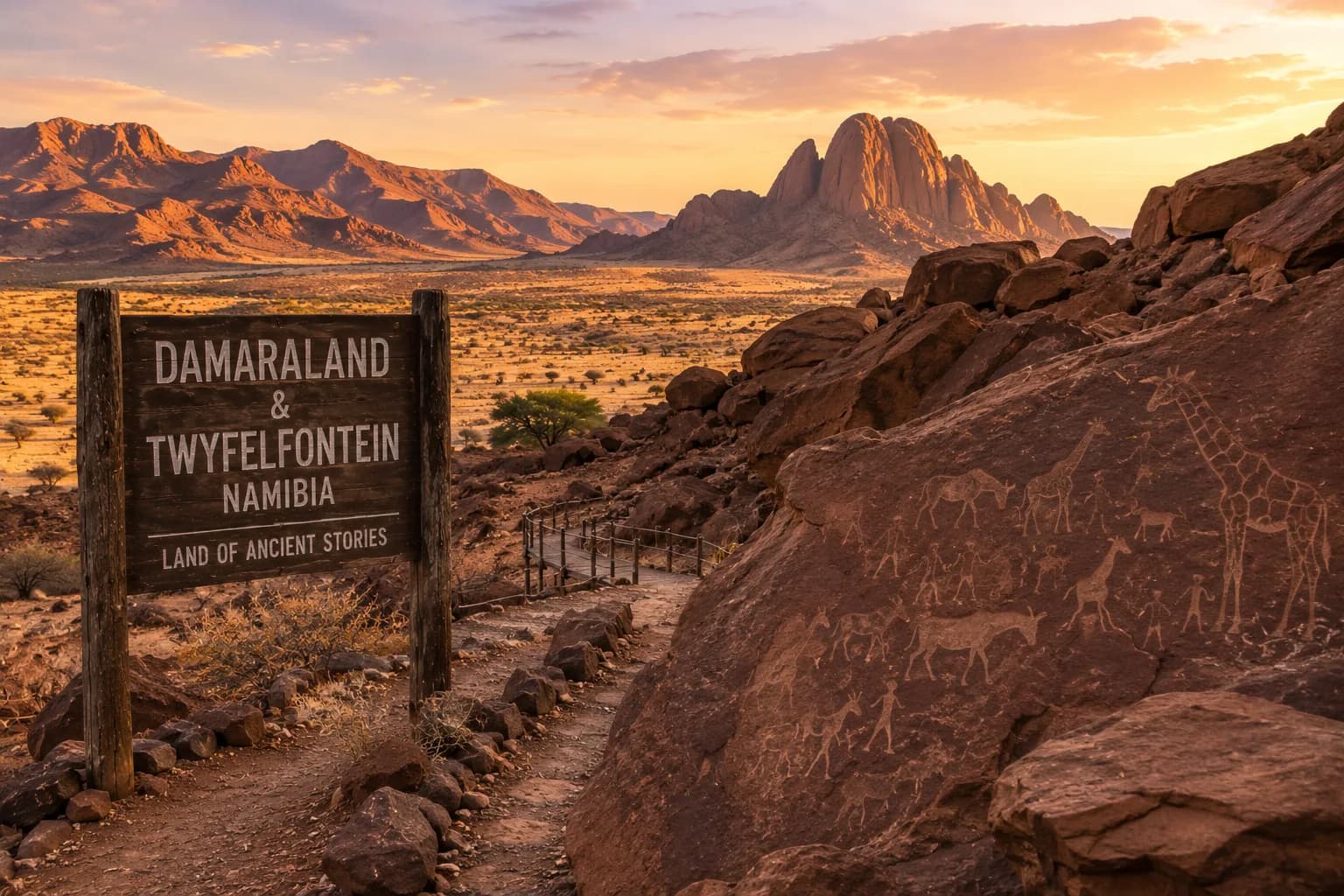
Damaraland & Twyfelfontein
Rock Art, Red Mountains and Elephants That Live in the Desert
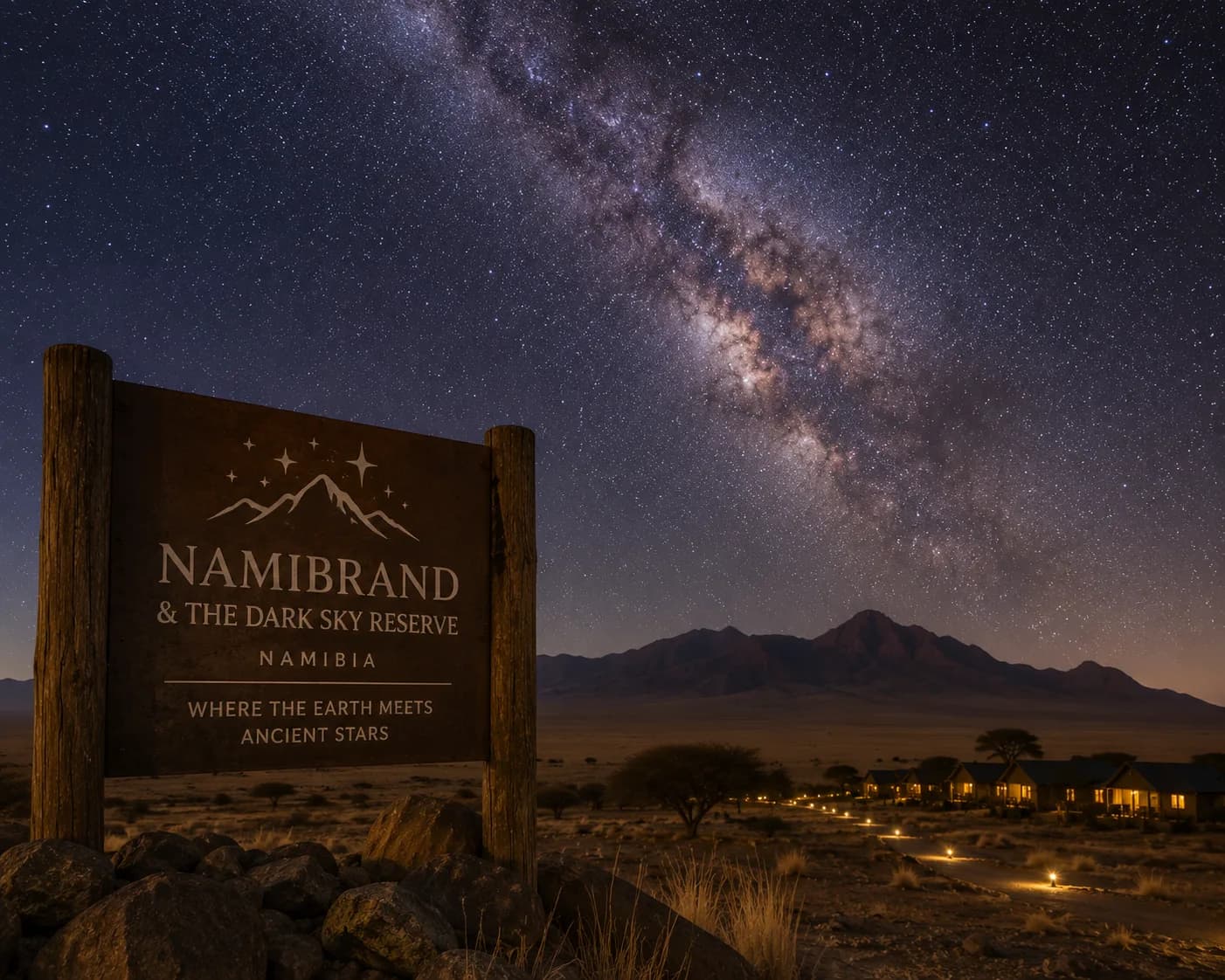
NamibRand Nature Reserve
Desert Silence, Fairy Circles and Some of the Darkest Skies on Earth