NamibRand Nature Reserve
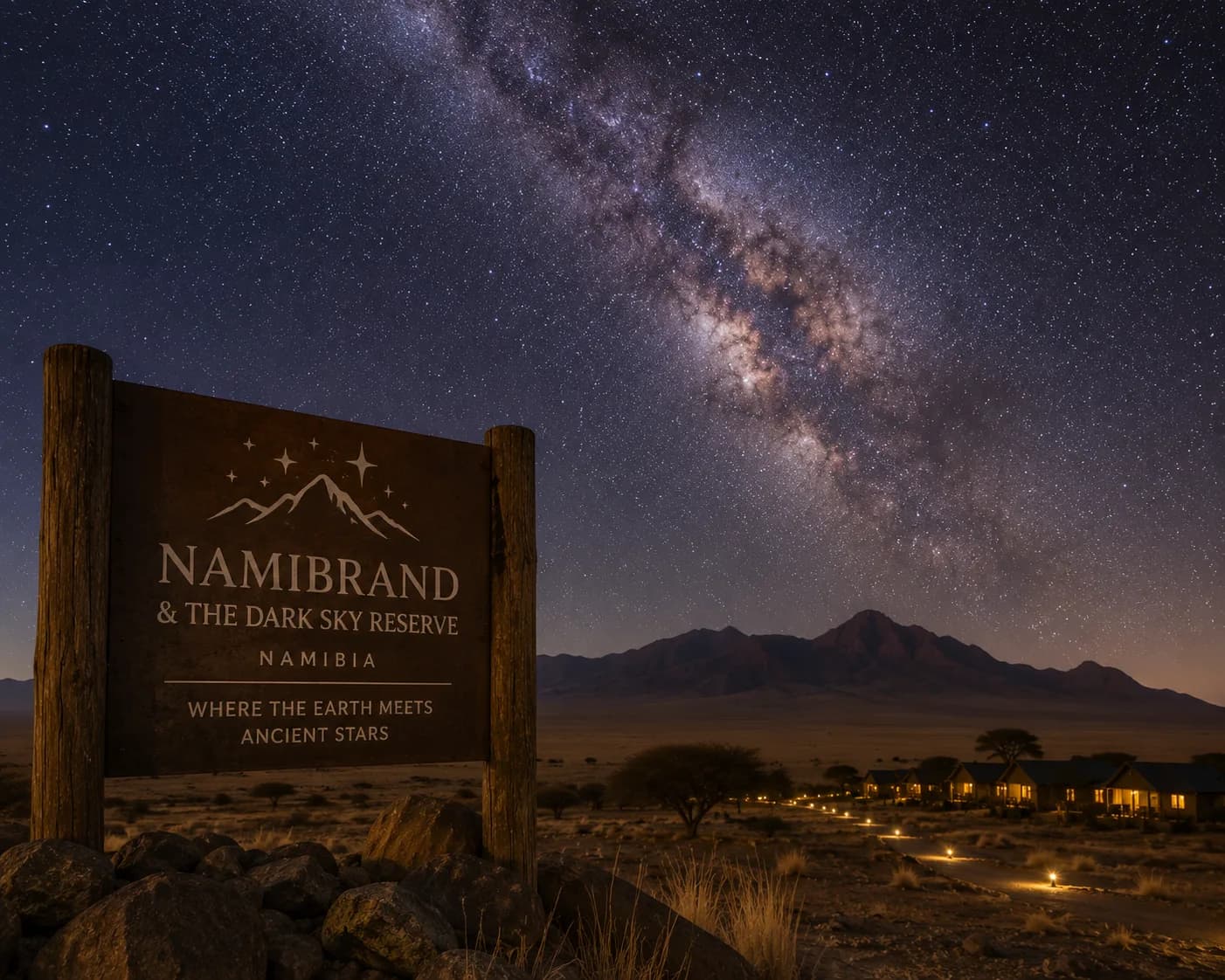
The NamibRand Nature Reserve, south of Sossusvlei, is a private reserve of about 215,000 hectares, created from 1984 onwards by joining former livestock farms and letting the desert recover. Its red dunes, grass plains and mountains share a border of about 100 km with the Namib-Naukluft National Park, and in 2012 it became an International Dark Sky Reserve, the first in Africa, with some of the darkest night skies on Earth.
With few lodges and no through traffic, NamibRand is about space and silence. Oryx, springbok and ostriches roam the plains, and the grasslands are dotted with fairy circles, bare rings a few metres across whose cause scientists still debate: sand termites, grasses competing for water, or both.
After dark, the reserve comes into its own. With almost no artificial light for many kilometres, the Milky Way stretches from horizon to horizon on moonless nights, and several lodges have telescopes, star beds or guides who lead stargazing sessions.
Activities are low-key and mostly on foot or in open vehicles: guided nature drives and walks, scenic flights, and day trips north to the dunes of Sossusvlei, with an early start, since Sesriem is about an hour and a half from the reserve by road.
Things to do in the NamibRand
- Stargazing under some of the darkest skies on Earth, with telescopes at several lodges.
- Guided nature drives among oryx and springbok.
- Walks across the dunes and plains with a desert guide.
- Fairy circles, best seen from a hill or from the air.
- Scenic flights by light aircraft over the dunes.
- A day trip north to Sesriem and the dunes of Sossusvlei.
Getting there and where to stay
The reserve lies south of Sesriem, about an hour and a half away on gravel roads, and several of its lodges have airstrips for light aircraft from Windhoek or Swakopmund. Accommodation is deliberately limited to a few small lodges and camps on separate concessions, from luxury dune camps to simpler lodges; it is a private reserve, so you visit it by staying at one of them, and two or three nights do it justice. Like the rest of the Namib, NamibRand is free of malaria.
Highlights
- ◆Africa's first International Dark Sky Reserve (2012)
- ◆About 215,000 hectares of private desert, dunes and mountains
- ◆Fairy circles, one of the desert's great mysteries
- ◆Oryx, springbok and ostriches on the open plains
- ◆Small, low-impact lodges and guided desert walks
- ◆Sesriem and the dunes of Sossusvlei within reach
Where to Stay
Luxury Desert Camps
A few exclusive lodges and dune camps on their own concessions, with guides, star beds and scenic flights.
Small Lodges
Simpler, intimate lodges on the reserve, with guided drives and walks and the same dark skies.
Sesriem Lodges
Lodges to the north, near the Sesriem gate, for travellers who want to be close to the dunes and visit the NamibRand from there.
Frequently Asked Questions
What is the NamibRand Nature Reserve?
+
A private nature reserve of about 215,000 hectares south of Sossusvlei, created from 1984 onwards from former livestock farms, where the land has been left to recover and wildlife has returned. It borders the Namib-Naukluft National Park and has only a few small lodges.
Why is NamibRand good for stargazing?
+
It has almost no artificial light for many kilometres, dry air and clear skies, and in 2012 it was recognised as an International Dark Sky Reserve, the first in Africa. Several lodges have telescopes or star beds.
What are fairy circles?
+
Bare, round patches a few metres across, ringed by taller grass, found in the grasslands of the Namib. Scientists still debate their cause — sand termites, grasses competing for water, or a mix of both.
How far is NamibRand from Sossusvlei?
+
Sesriem, the gate to the dunes, is about an hour and a half by road north of the reserve, so a day trip to Sossusvlei is possible with an early start, and some lodges organise it. Many visitors spend a few nights in each.
Can you visit NamibRand on a self-drive?
+
Yes: most of its lodges can be reached by car on gravel roads, and several also have airstrips. It is a private reserve, so you visit it by staying at one of them rather than driving through.
Experiences Here
Honeymoon Safaris
Private candlelit dinners in the bush, sunrise balloon rides, and secluded beach villas.
Malaria-Free Safaris in South Africa
Big Five safaris in South Africa's malaria-free reserves — Madikwe, Pilanesberg, Addo and the Eastern Cape — with Cape Town and the Garden Route, and no antimalarials needed.
Other places in Namibia
Sossusvlei & Deadvlei
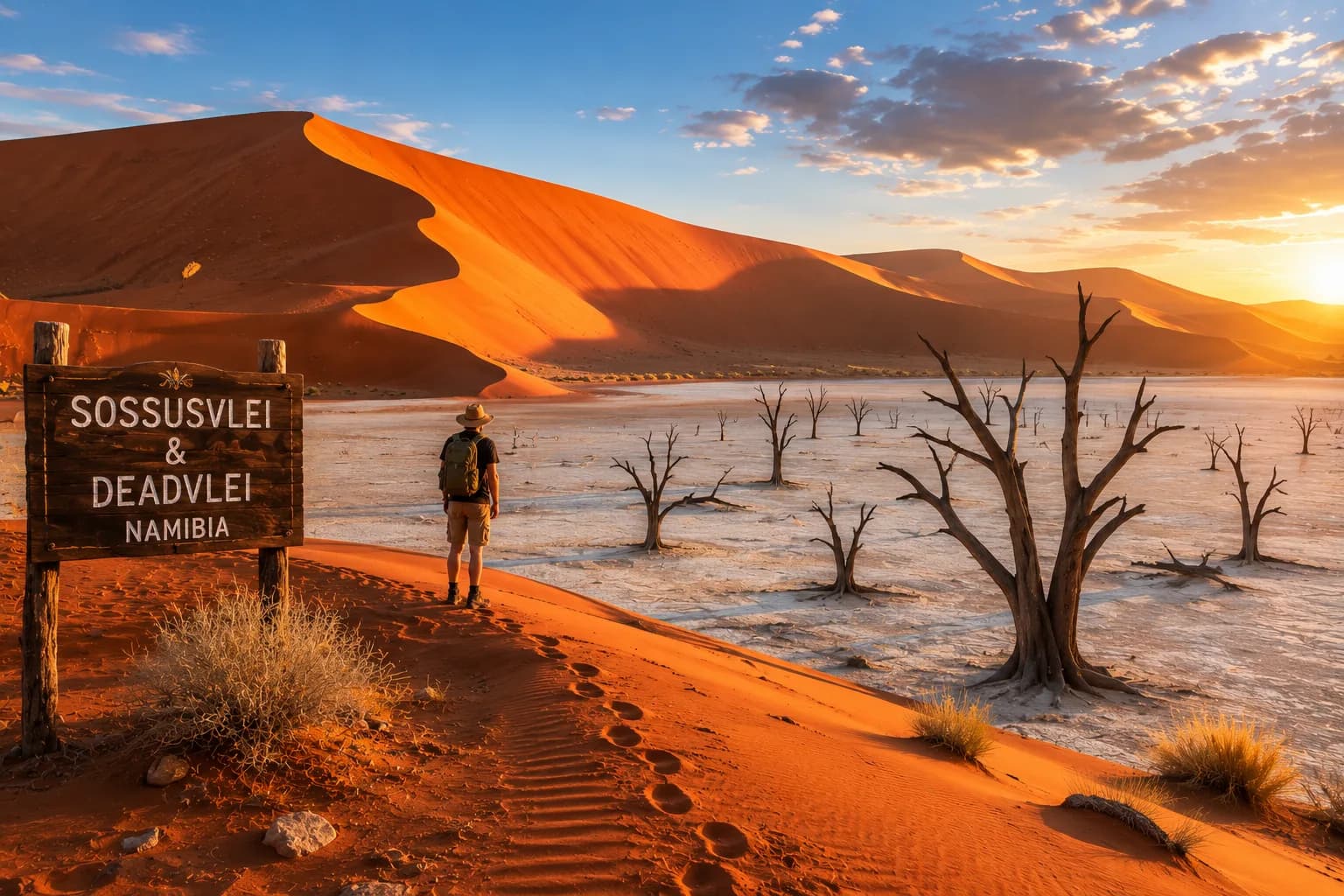
Red Dunes, Dead Trees and One of the Oldest Deserts on Earth
Etosha National Park
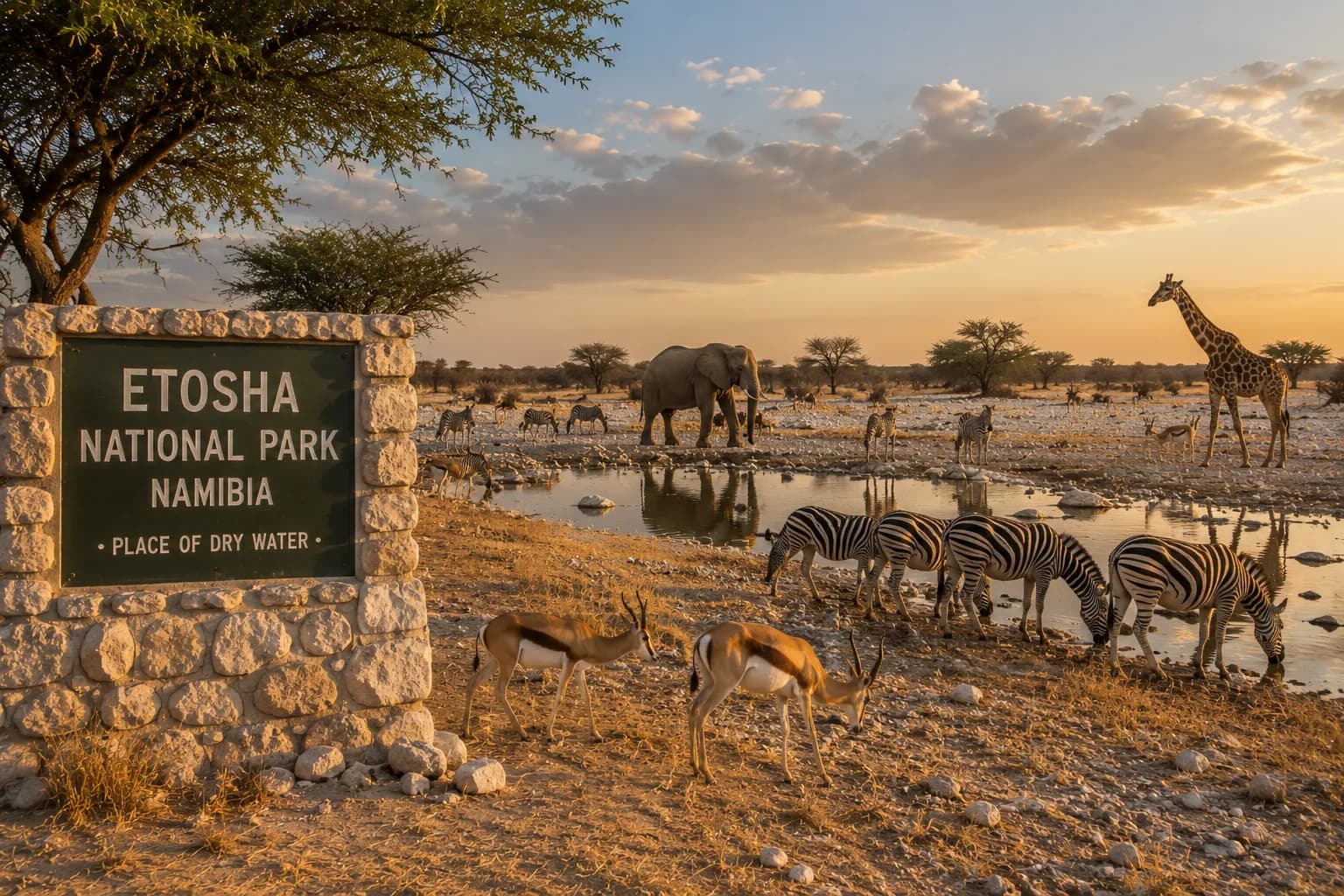
Waterhole Safaris on the Edge of a Vast White Pan
Skeleton Coast
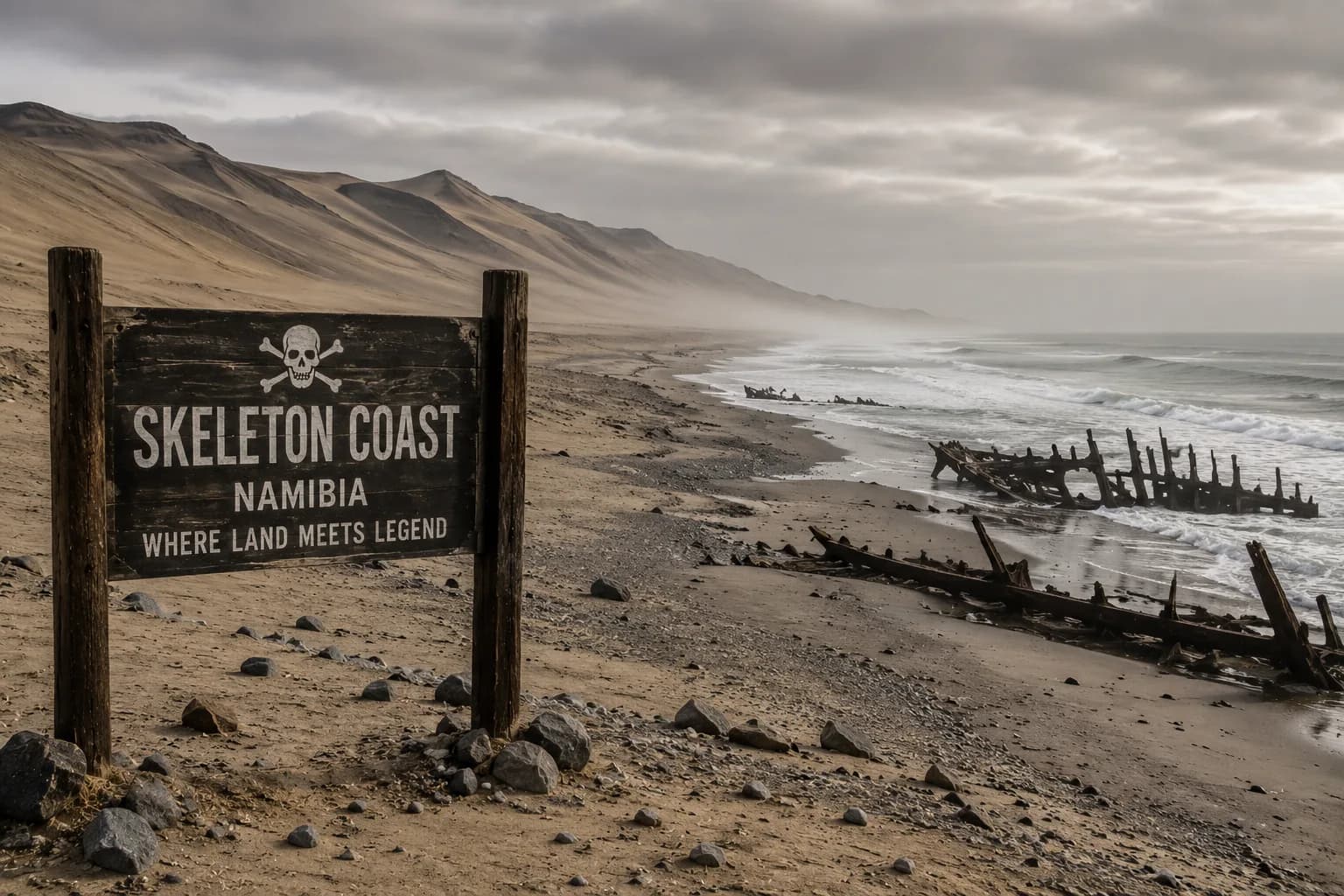
Fog, Shipwrecks and Seals Where the Desert Meets the Atlantic
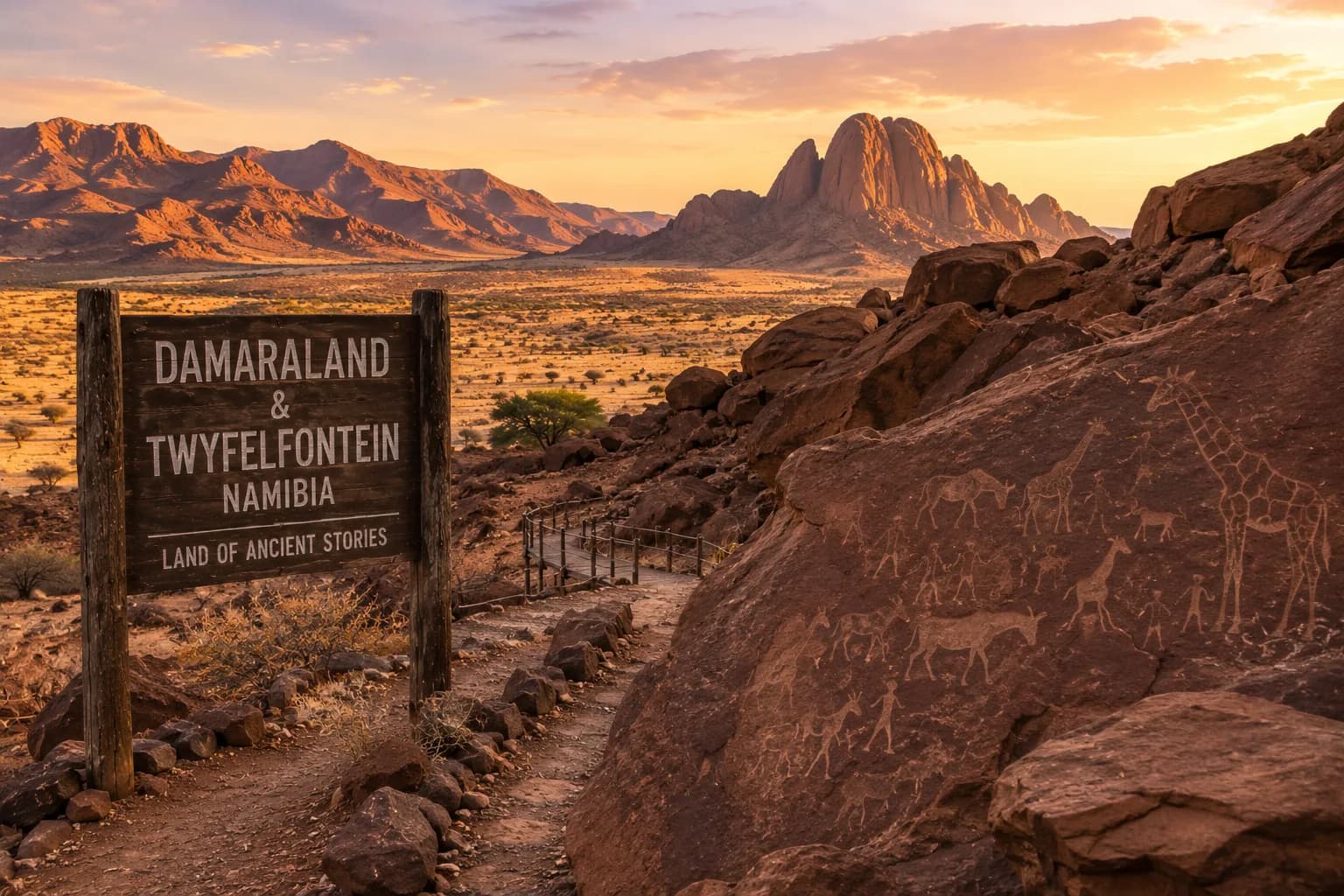
Damaraland & Twyfelfontein
Rock Art, Red Mountains and Elephants That Live in the Desert