Madagascar — World Apart
Madagascar is a biodiversity hotspot where 90% of wildlife is endemic, famous for its lemurs (113 species), the Avenue of the Baobabs, and the limestone Tsingy de Bemaraha.
Madagascar split from Africa 160 million years ago, and its wildlife evolved in isolation. The result is a place where 90% of all species exist nowhere else on Earth.
The country is large (the world's fourth-largest island) and infrastructure varies, so itineraries focus on two or three regions over 10–14 days.
Highlights
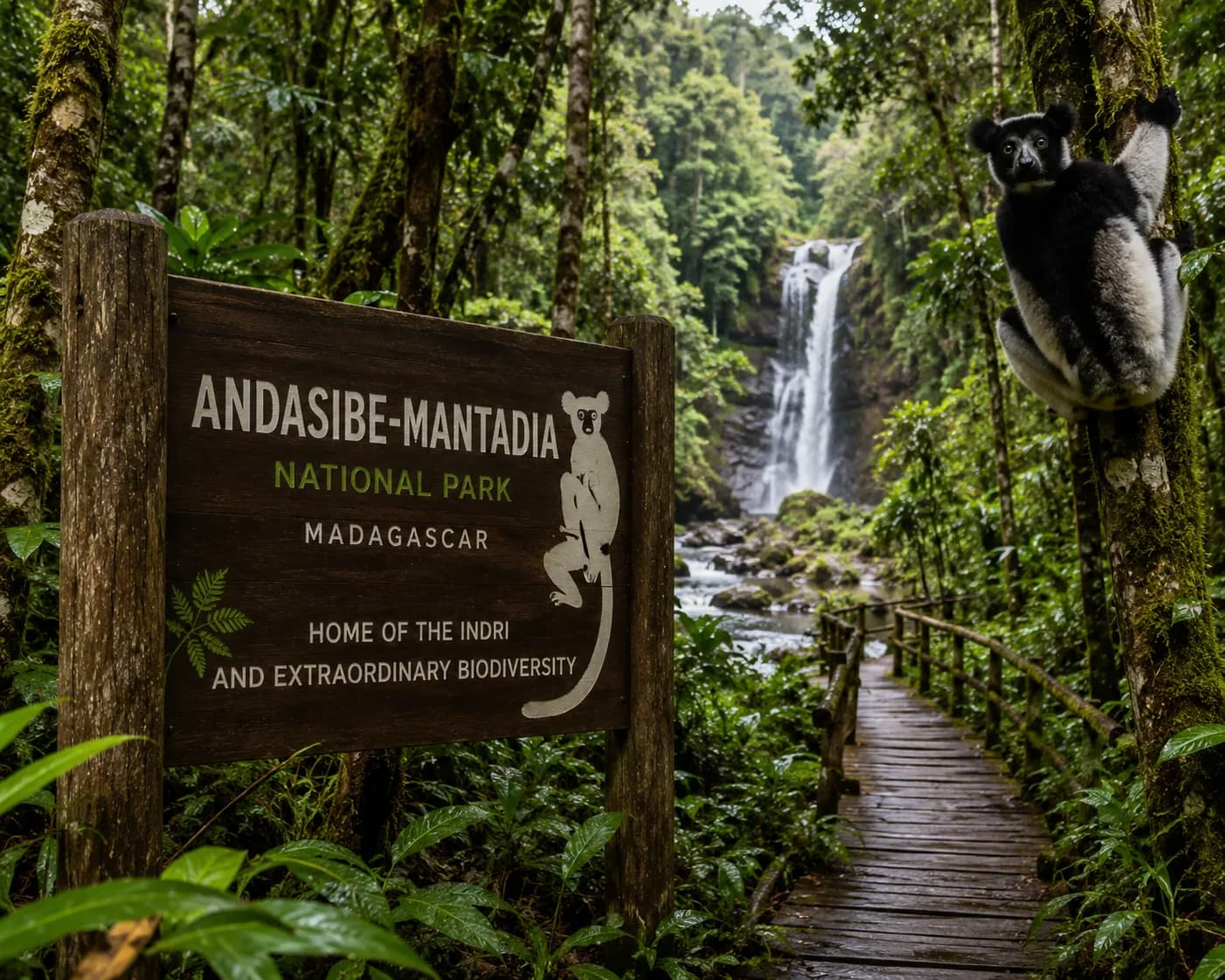
- 01Andasibe-Mantadia National Park — Indri lemurs, the world's largest; call echoes for kilometres
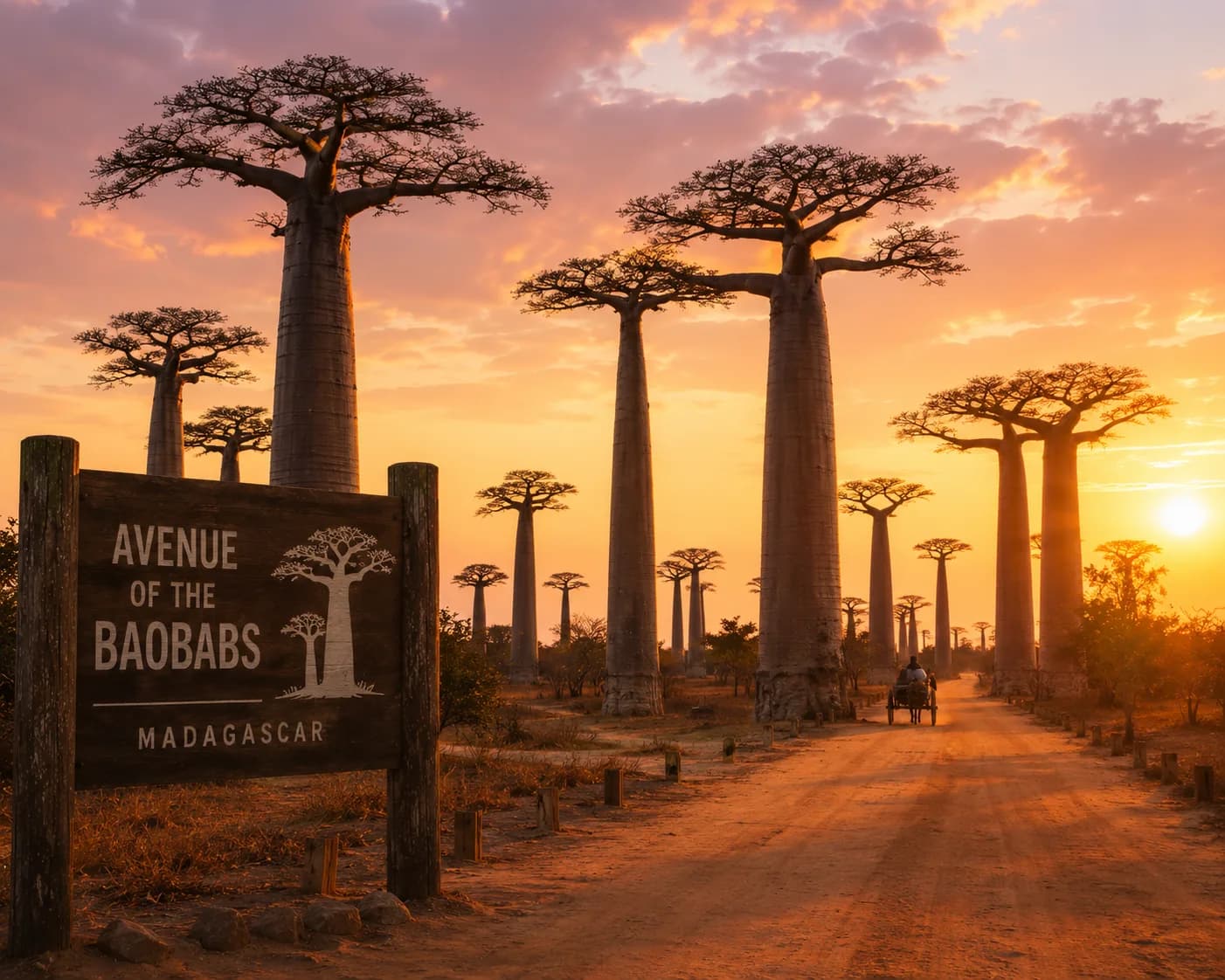
- 02Avenue of the Baobabs — Ancient grandidier baobabs near Morondava; iconic at sunset
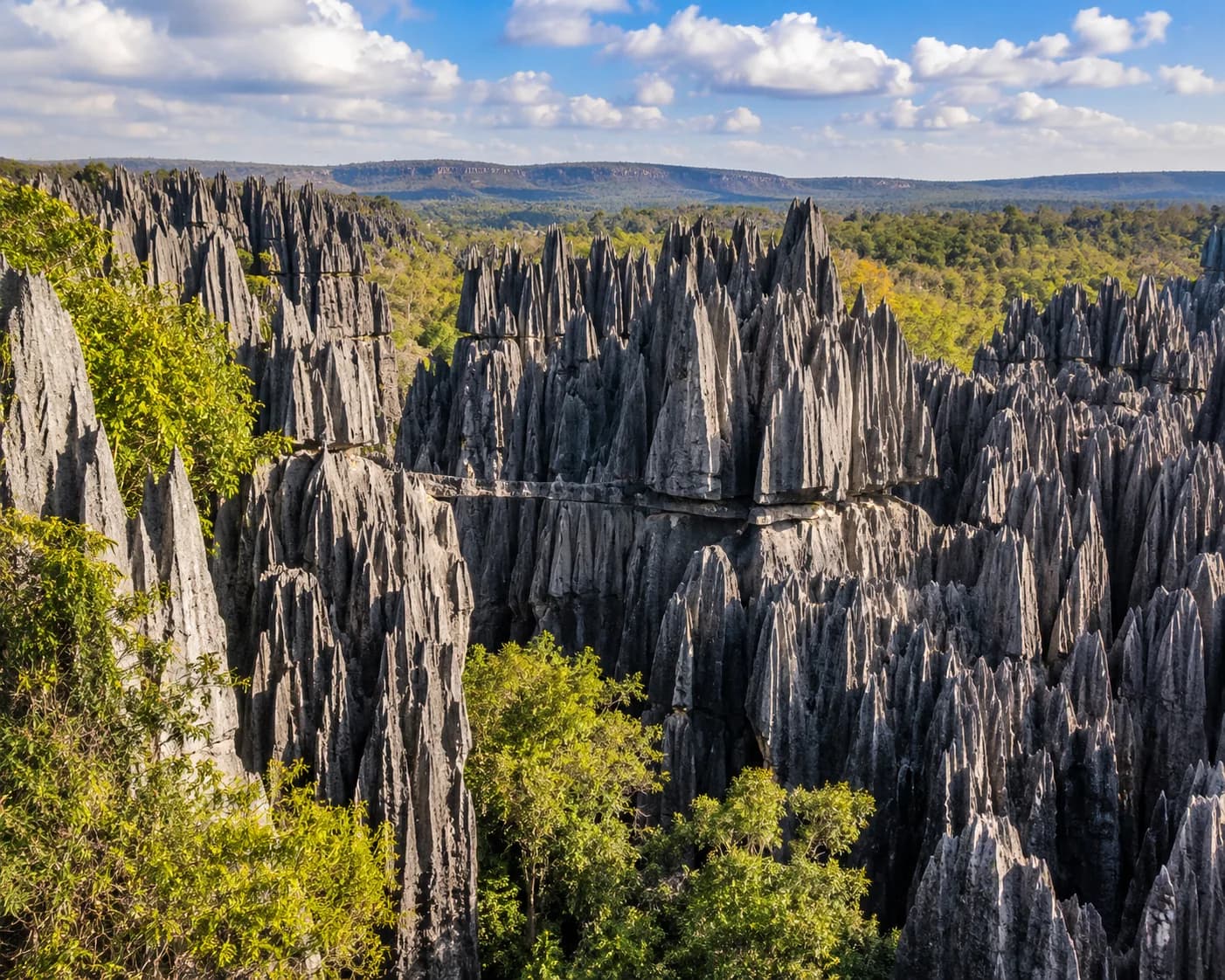
- 03Tsingy de Bemaraha — UNESCO; razor-sharp limestone karst forest; suspension bridges
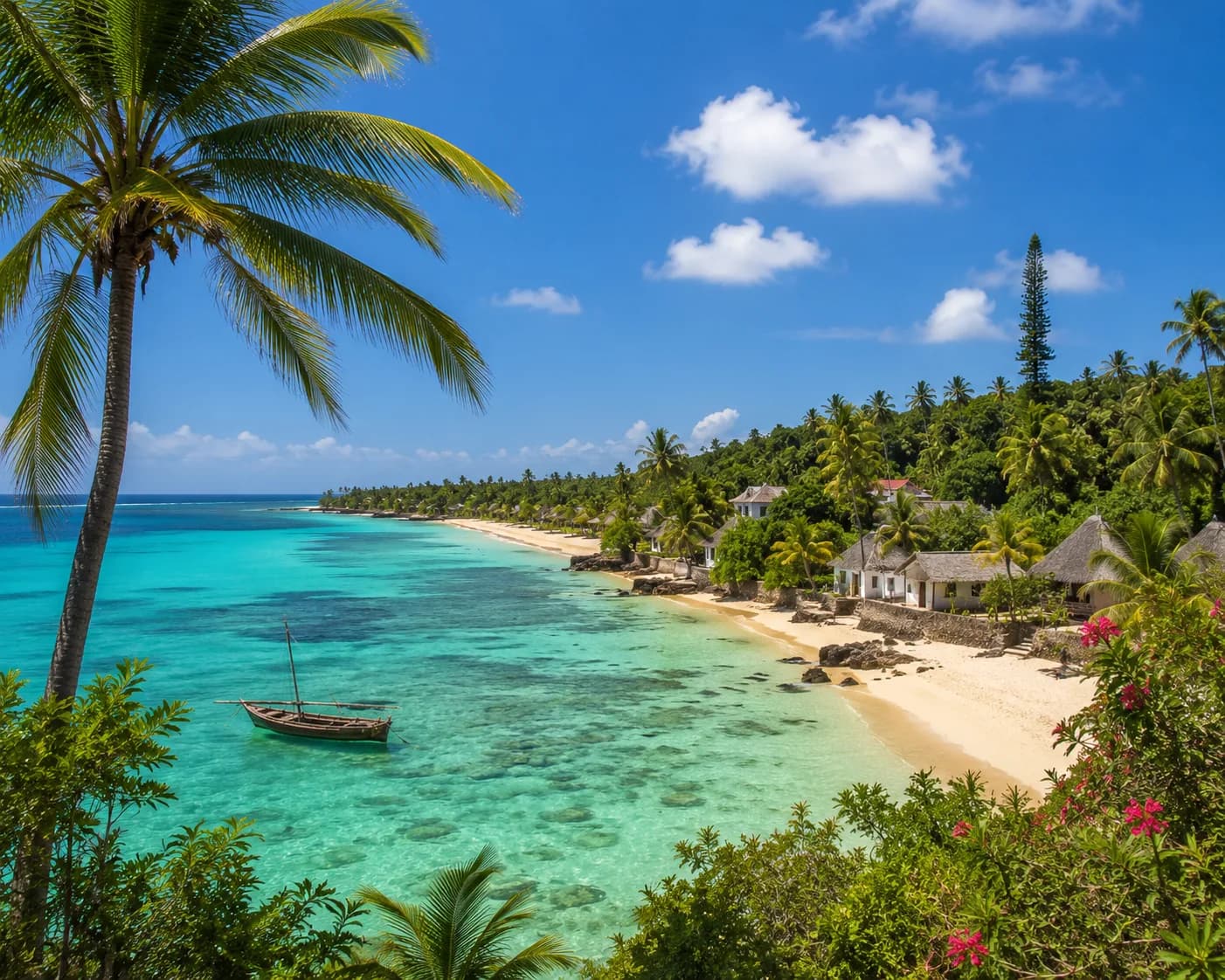
- 04Île Sainte-Marie — Humpback whale watching (Jul–Sep); pirate history; calm beaches
- 05Isalo National Park — Canyon hiking; natural pools; ring-tailed lemurs
- 06Anjajavy — Remote west-coast private reserve; lemurs on the beach; luxury lodge
- 07Antananarivo — Hilltop capital with French colonial architecture and lively markets
When to Visit
The best time to visit is during the dry season from April to November, with July to September being prime for whale watching.
Why choose Madagascar
Madagascar is a dream destination for wildlife lovers and photographers. It offers a completely different safari experience from mainland Africa.
Key Destinations in Madagascar
Andasibe-Mantadia National Park
A three-hour drive east of Antananarivo, Andasibe protects one of the last stands of primary eastern rainforest.
Avenue of the Baobabs
A short stretch of dirt road outside Morondava where 25 grandidier baobabs — some 800 years old — line both sides.
Tsingy de Bemaraha
A UNESCO World Heritage Site of utterly otherworldly limestone karst — a 'forest' of razor-sharp pinnacles 70m high.
Île Sainte-Marie
A long, slim island off the east coast — historically a refuge for 18th-century pirates.
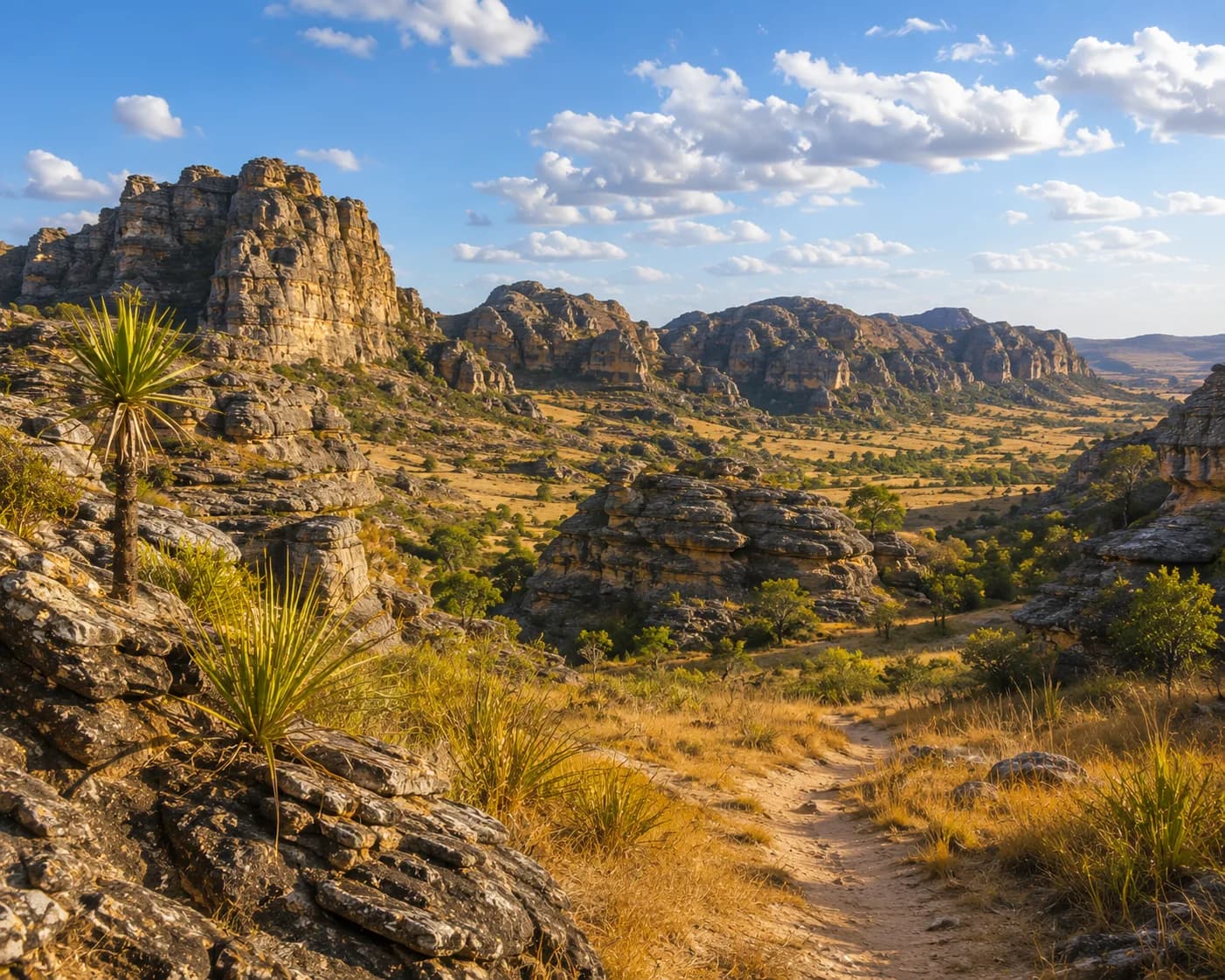
Isalo National Park
A landscape that feels like an African Bryce Canyon — sandstone massifs cut by deep canyons.
Experiences in Madagascar
Frequently Asked Questions
Is Madagascar safe?
+
Most visits to Madagascar are trouble-free, but petty crime can occur in cities. Use a reputable tour operator.
How many lemur species are in Madagascar?
+
There are over 113 known species of lemur, all endemic to the island.