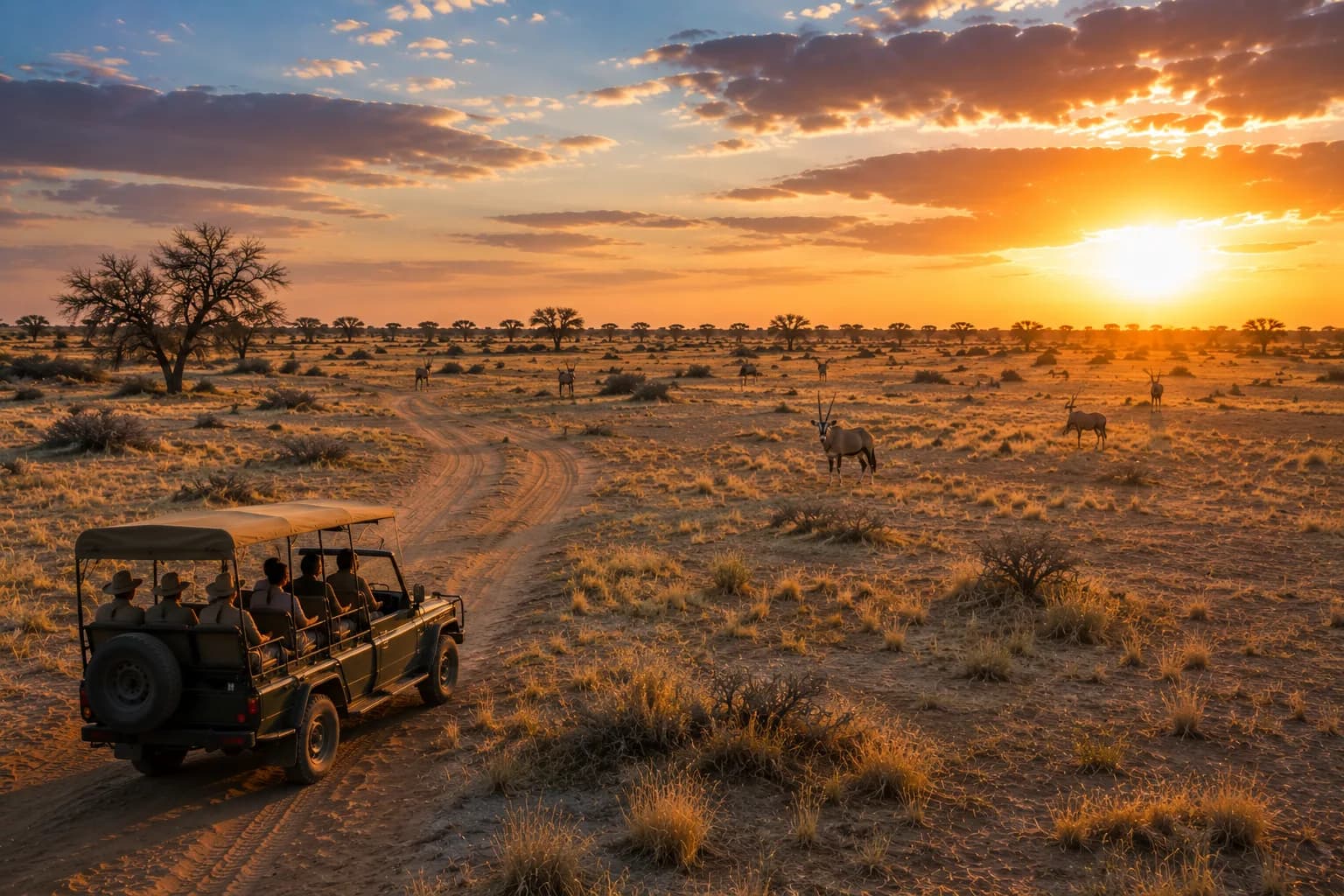
Botswana — Africa's Exclusive Wilderness
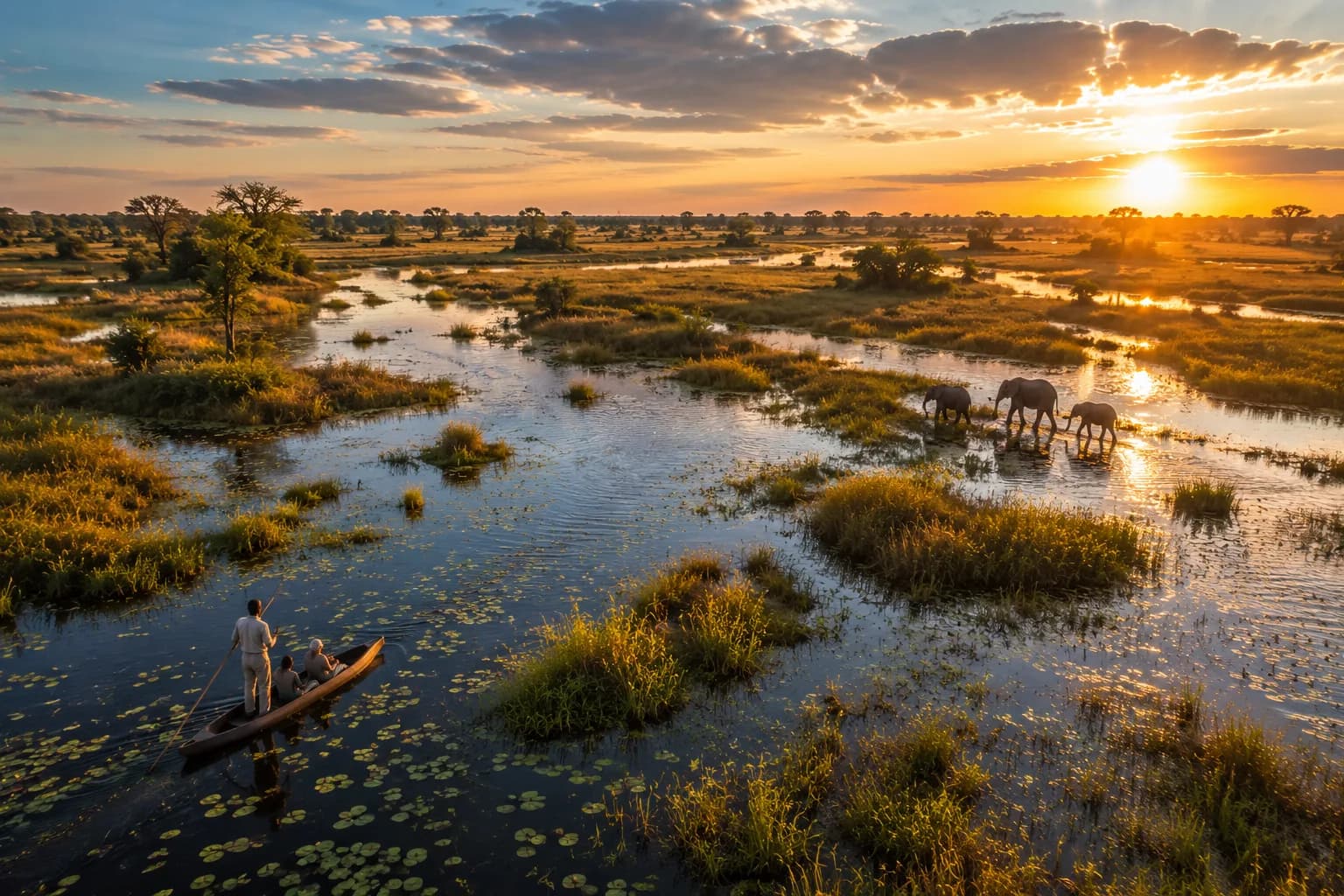
Botswana is celebrated for the Okavango Delta, the world's largest inland delta and a UNESCO World Heritage site, where you can explore by mokoro canoe. It also hosts Africa's largest elephant population in Chobe National Park.
Botswana is one of Africa's most exclusive and conservation-forward safari destinations — a low-volume, high-value model that keeps its wilderness genuinely wild. The Okavango Delta, the world's largest inland delta and a UNESCO World Heritage Site, creates a miraculous oasis.
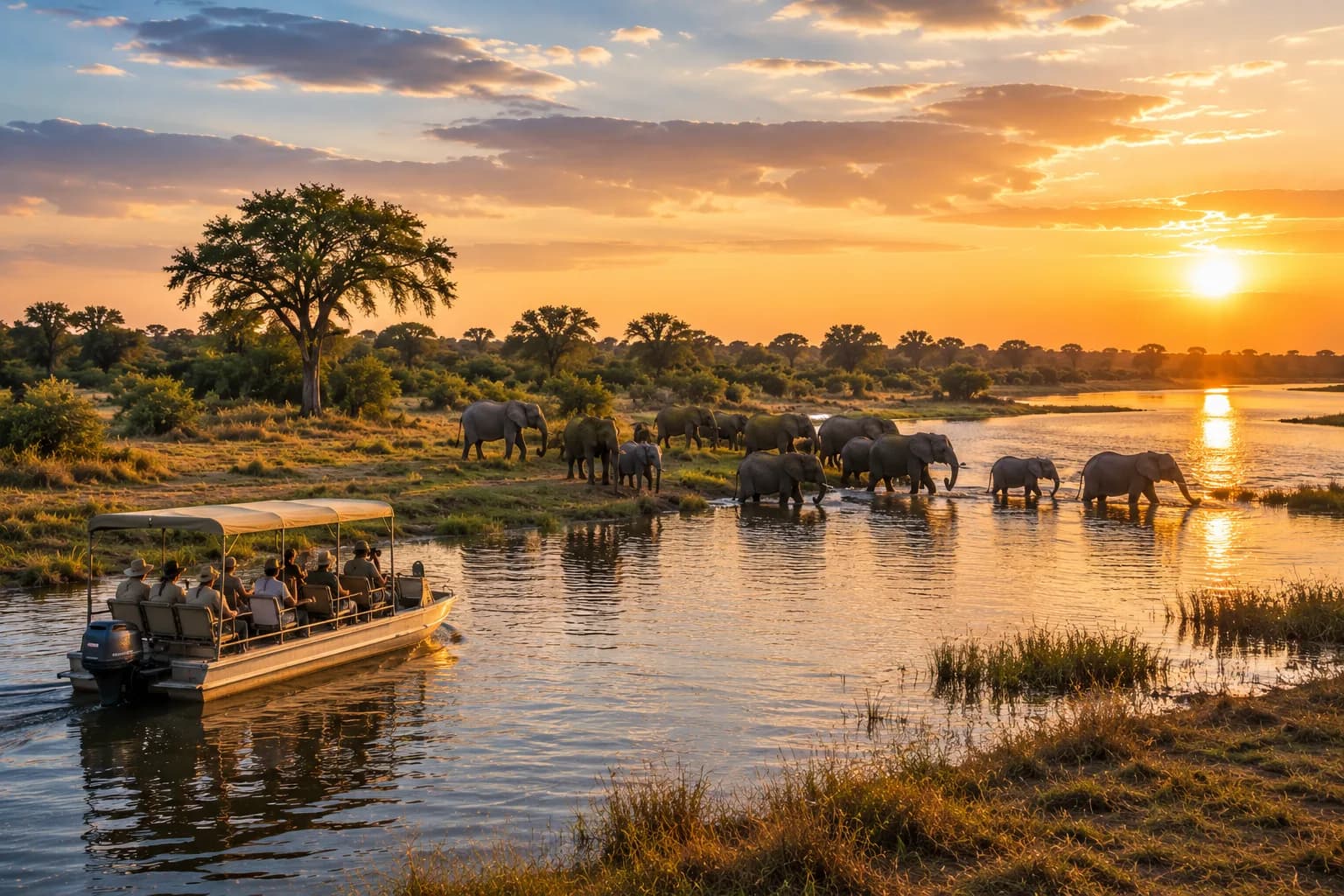
The Chobe River corridor hosts Africa's largest elephant population (approximately 130,000 animals). The Central Kalahari Game Reserve — twice the size of Switzerland — offers one of the last true wilderness experiences on Earth.
Highlights
- 01Okavango Delta — UNESCO World Heritage; mokoro canoe safaris and exclusive fly-in camps
- 02Chobe National Park — Africa's largest elephant population; Chobe River boat cruises
- 03Moremi Game Reserve — Finest all-round wildlife in the Okavango ecosystem
- 04Central Kalahari Game Reserve — One of the largest game reserves on Earth; black-mane lions
- 05Makgadikgadi Pans — Vast salt pans; meerkats; second-largest zebra migration
- 06Linyanti & Savuti — Exceptional predator country: wild dogs, lions, and leopards
When to Visit
The best time to visit Botswana is during the dry season from May to October, when the Okavango Delta is in full flood and wildlife concentrates around water sources.
Why choose Botswana
Botswana is for travellers who seek the uncommon. It offers intimate, fly-in safari experiences in vast, pristine wilderness areas with very few other tourists.
Botswana’s safari regions
Botswana keeps visitor numbers low and wilderness high: much of the north is divided into large private concessions with a few small camps, alongside national parks and reserves open to everyone. Most safaris combine two or three regions, linked by light aircraft.
- The Okavango Delta: mokoro trips, water and land camps, and a flood that peaks in the dry season, from about June to August.
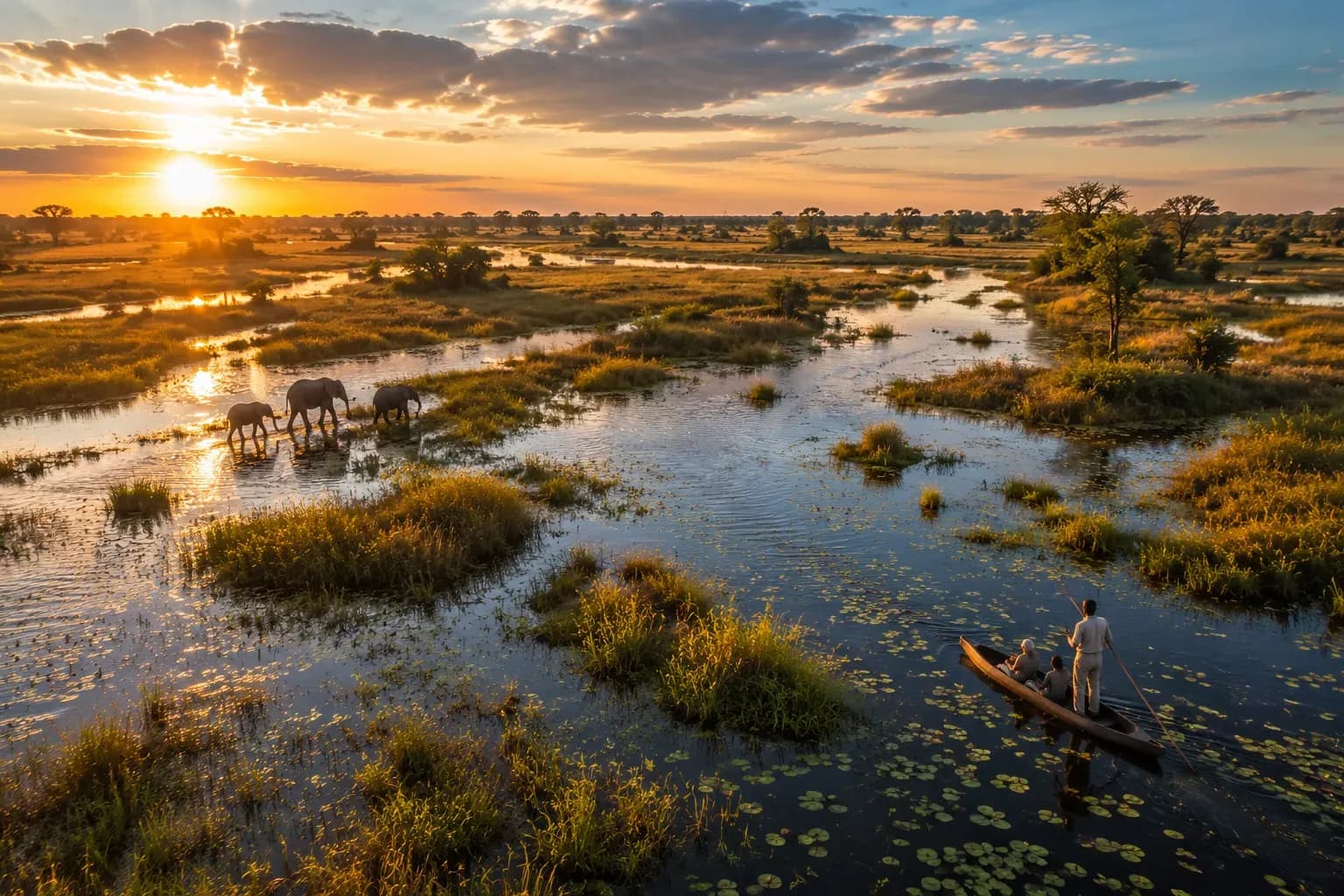
- Moremi Game Reserve: the protected eastern side of the delta, with superb all-round game viewing and the only self-drive access.
- Chobe National Park: the world’s largest elephant population on the Chobe River near Kasane, with Savuti and Linyanti for predators.
- The Makgadikgadi and Nxai Pans: vast salt pans, habituated meerkats and a great zebra migration in the rains.
- The Central Kalahari: desert grasslands, black-maned lions and green-season herds from about December to April.
When to go
The dry season, from May to October, is the classic time: water inland dries up, animals gather along the rivers and in the delta, and the Okavango flood is at its height from about June to August. Nights in June and July can be close to freezing, and October is very hot. The green season, from November to April, brings lower rates, lush scenery, newborn animals and migrant birds, and is the best time for the Kalahari and the pans, though the water drops in the delta and afternoon storms are common.
Getting there, getting around and costs
Most visitors fly to Maun, about an hour and three-quarters from Johannesburg, or to Kasane, near Victoria Falls, and continue to the camps by light aircraft, which allow about 20 kg per person, including hand luggage, in soft bags. Many nationalities, including visitors from the European Union, the UK and the US, can enter without a visa for up to 90 days; passports should be valid for at least six months, with blank pages for stamps.
Fly-in safaris in the delta and the private concessions are among the most expensive in Africa, because the camps are small and remote; guided mobile camping safaris and self-drives in Moremi and Chobe cost far less. Northern Botswana is a malaria area, with the highest risk from about November to April, so talk to a doctor about prophylaxis.
Key Destinations in Botswana
Okavango Delta
A UNESCO World Heritage Site and one of the natural wonders of Africa. Each year, floodwaters from the Angolan plateau flow into the Kalahari Desert.
Chobe National Park
Botswana's most famous park and the most elephant-dense wilderness on Earth.
Moremi Game Reserve
The only formally protected portion of the Okavango Delta and consistently ranked among Africa's finest reserves.
Central Kalahari Game Reserve
One of the largest game reserves in the world (52,800 km²) — a starkly beautiful semi-desert of grass plains and fossil river valleys.
Available Itineraries
Experiences in Botswana
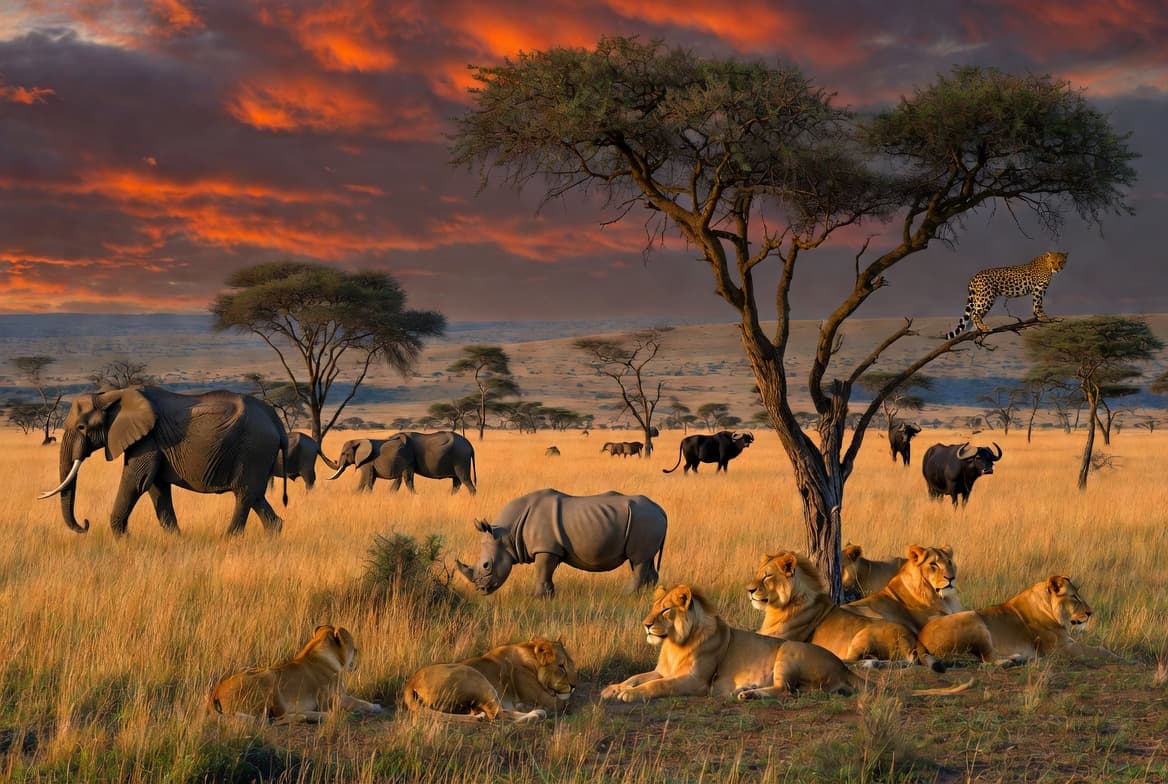
Big Five Safaris
Track lion, leopard, elephant, buffalo, and rhino in private conservancies.
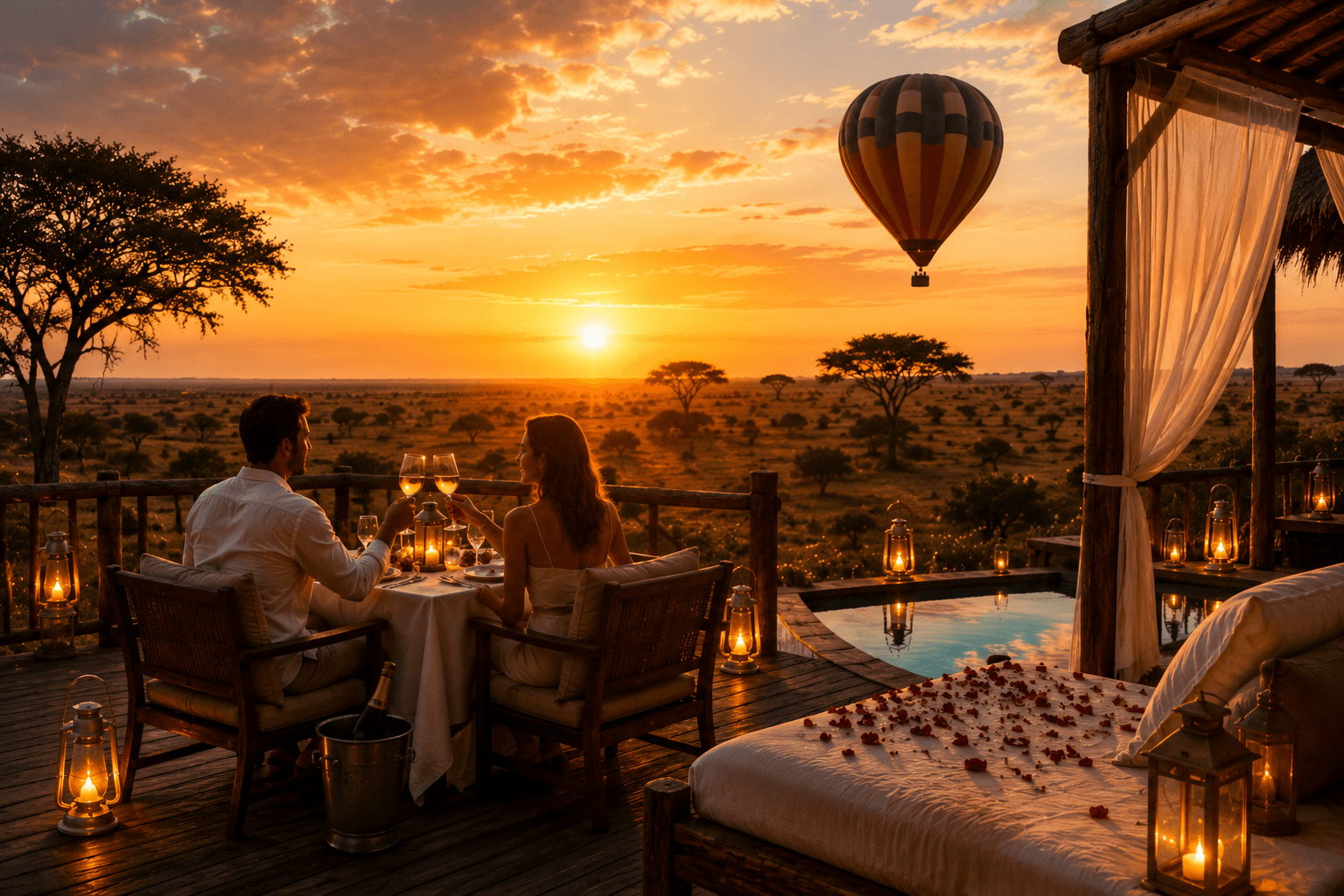
Honeymoon Safaris
Private candlelit dinners in the bush, sunrise balloon rides, and secluded beach villas.
Family Safaris
Family-vehicle exclusivity, junior ranger programmes, and camps built for children — a safari the whole family actually enjoys, not endures.
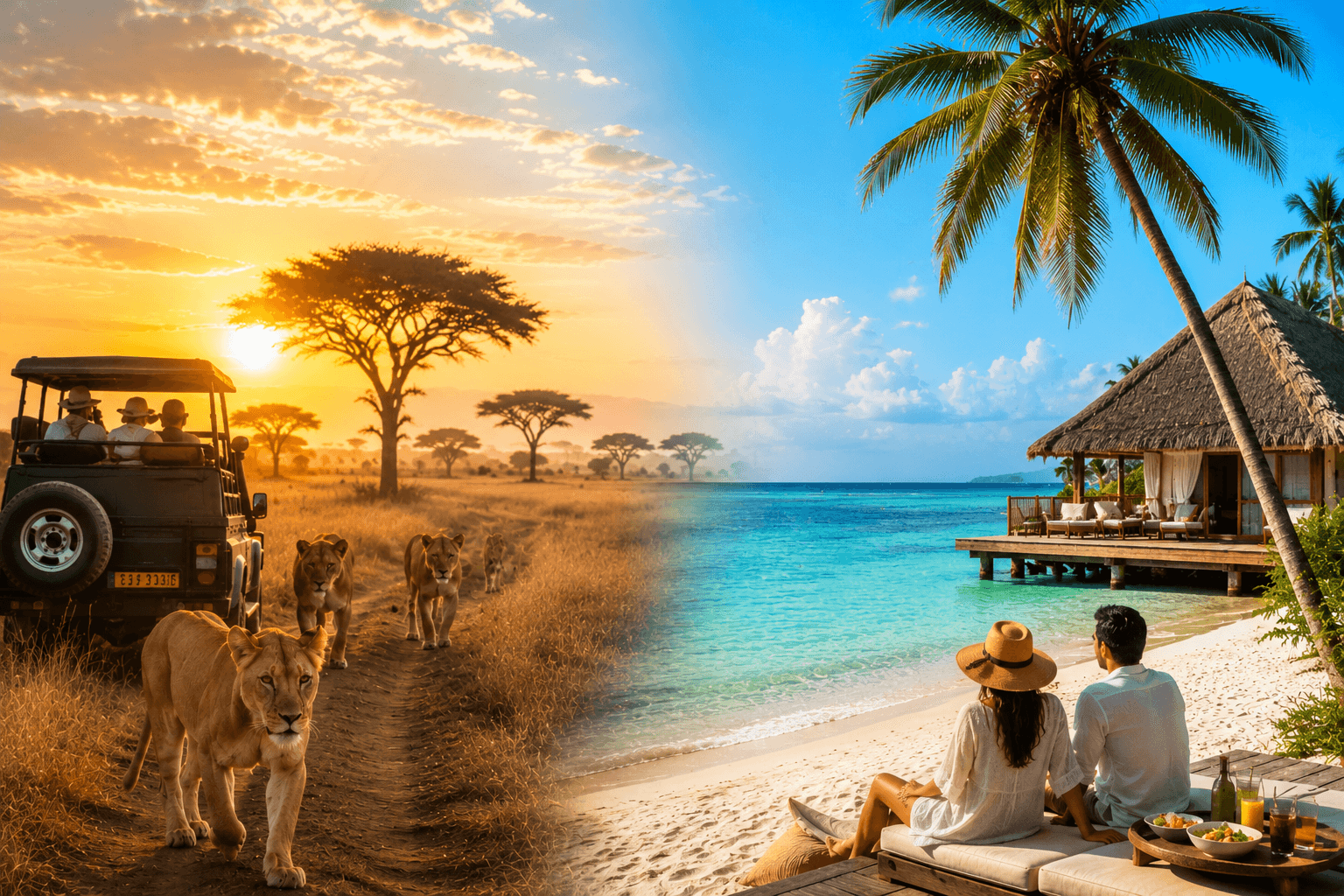
Bush & Beach Safaris
Combine Big Five game viewing with a week on the Indian Ocean — Zanzibar, Diani, the Seychelles or Mauritius.
Frequently Asked Questions
Is Botswana expensive?
+
Yes, Botswana follows a high-value, low-impact tourism model. Most safaris are fly-in and camps are exclusive.
What is a mokoro safari?
+
A mokoro is a traditional dugout canoe poled by a guide through the shallow waters of the Okavango Delta.
When is the best time to visit Botswana?
+
From May to October for classic game viewing, with the Okavango flood at its height from about June to August; from November to April for lower rates, green landscapes and the best of the Kalahari and the Makgadikgadi Pans.
Do I need a visa for Botswana?
+
Many nationalities, including visitors from the European Union, the UK and the US, can visit without a visa for up to 90 days. Your passport should be valid for at least six months, with blank pages; check the rules for your nationality before you travel.
How do you get around on a Botswana safari?
+
Mostly by light aircraft between the camps, from Maun or Kasane; luggage is limited to about 20 kg per person, including hand luggage, in soft bags. Moremi and Chobe can also be explored by 4x4 or on a mobile safari.
Can you combine Botswana with Victoria Falls?
+
Yes — Kasane, the gateway to Chobe, is about an hour and a half by road from Victoria Falls, so many safaris begin or end at the falls, and light aircraft link Kasane with the Okavango Delta.
Is there malaria in Botswana?
+
Yes, in the north — the Okavango Delta, Moremi, Chobe and Linyanti — with the highest risk from about November to April; talk to a doctor about prophylaxis. The risk is much lower in the south of the country.