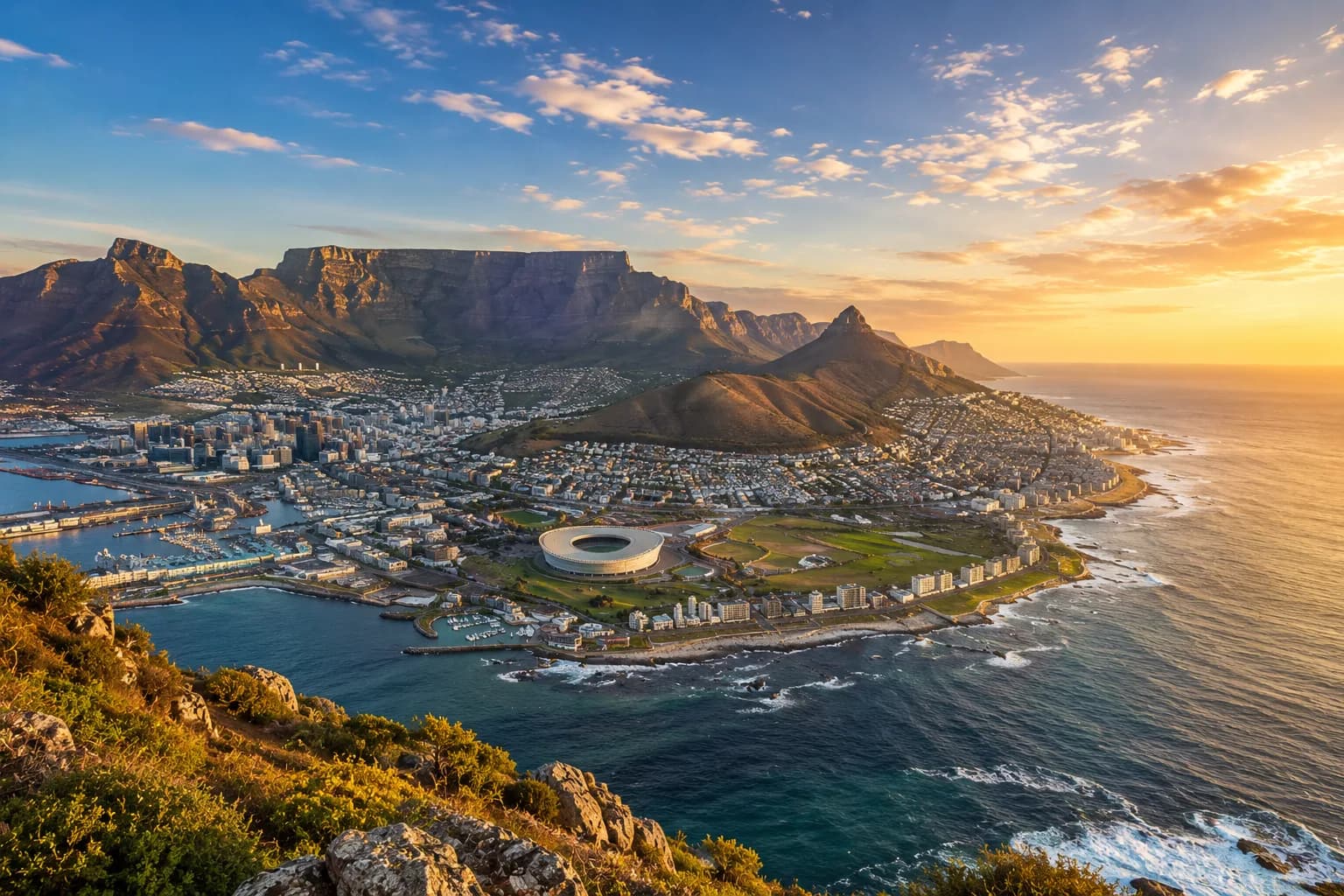
Cape Town
Cape Town lies between the Atlantic Ocean and the flat-topped wall of Table Mountain, near the tip of Africa, and few cities anywhere have a setting like it. It is South Africa's oldest city, founded as a Dutch supply station in 1652, and one of its most diverse — and it is the natural start or finish for a safari, with the Winelands under an hour away and the Garden Route beyond.
Table Mountain belongs to a national park that runs the length of the Cape Peninsula and protects part of the Cape Floral Region, a UNESCO World Heritage site with one of the richest plant kingdoms on Earth. The cableway climbs to the summit in a few minutes when the wind allows — it closes in strong wind and for maintenance each winter — and hikers can walk up Platteklip Gorge in two to three hours, or climb neighbouring Lion's Head for sunrise.
Robben Island, where Nelson Mandela spent 18 of his 27 years in prison, is a UNESCO World Heritage site, reached by ferry from the V&A Waterfront; the tour includes the prison, and sailings are often cancelled in rough seas, so book early and keep a spare day. Back in town, the brightly painted houses of the Bo-Kaap, the District Six Museum and the Zeitz MOCAA art museum tell the city’s story.
The Cape Peninsula makes a classic day out: over Chapman's Peak Drive, one of the world's great coastal roads, to Cape Point and the Cape of Good Hope, then back through Simon's Town to Boulders Beach, where a colony of African penguins — critically endangered since 2024 — nests among granite boulders. Kirstenbosch, the national botanical garden on the slopes of Table Mountain, is one of the great gardens of the world.
Things to do in Cape Town
- Table Mountain by cableway or on foot — Platteklip Gorge takes two to three hours up; check the wind before you go.
- Robben Island, by ferry from the V&A Waterfront — book ahead, as sailings sell out and are cancelled in rough seas.
- The Cape Peninsula: Chapman’s Peak Drive, Cape Point, the Cape of Good Hope and the penguins of Boulders Beach.
- Kirstenbosch National Botanical Garden and its treetop walkway.
- The Bo-Kaap, the District Six Museum and the Zeitz MOCAA.
- Whale watching from the cliffs of Hermanus, about an hour and a half away, from about June to November.
Where to stay in Cape Town, and how long
The V&A Waterfront has big hotels by the harbour, close to the Robben Island ferries; the City Bowl and the Bo-Kaap have boutique hotels and guesthouses under the mountain; Camps Bay, Clifton and Sea Point, on the Atlantic coast, have the beaches and the sunsets; and Constantia, to the south, has wine estates within the city. Three to five nights cover the mountain, Robben Island, the Peninsula and a day in the Winelands. Take the usual city precautions: use registered taxis or ride-hailing apps after dark, keep valuables out of sight and hike in groups rather than alone.
Highlights
- ◆Table Mountain, by cableway or on foot, at the heart of a UNESCO-listed floral kingdom
- ◆Robben Island, where Nelson Mandela was imprisoned for 18 years
- ◆Chapman’s Peak Drive, Cape Point and the Cape of Good Hope
- ◆The African penguins of Boulders Beach
- ◆Kirstenbosch, one of the great botanical gardens of the world
- ◆The Winelands under an hour away
Where to Stay
Waterfront & City Hotels
Large hotels at the V&A Waterfront and in the city centre, close to the restaurants and the Robben Island ferries.
Boutique Hotels & Guesthouses
Small hotels and guesthouses in the City Bowl, the Bo-Kaap and on the Atlantic coast, many with mountain or sea views.
Wine-Estate Stays
Hotels on historic wine farms in Constantia and the Winelands, with vineyards, restaurants and spas.
Frequently Asked Questions
How many days do you need in Cape Town?
+
Three to five nights: a day for Table Mountain and the city, one for Robben Island and the Waterfront, one for the Cape Peninsula and a day in the Winelands. Keep a spare day in case the wind closes the cableway or cancels the ferry.
Is Cape Town safe for tourists?
+
Most visits are trouble-free with sensible precautions: keep valuables out of sight, use registered taxis or ride-hailing apps after dark, avoid isolated areas at night and hike in groups on Table Mountain rather than alone.
How do you get to Robben Island?
+
By ferry from the Nelson Mandela Gateway at the V&A Waterfront; the tour, including the crossing, takes about three and a half hours. Book ahead, as tickets sell out, and keep a spare day — sailings are cancelled in rough seas.
Can you see penguins in Cape Town?
+
Yes — at Boulders Beach near Simon's Town, about 45 minutes from the city, where boardwalks lead past a colony of African penguins. The species has been critically endangered since 2024, so keep to the paths and never touch or feed them.
When is the best time to visit Cape Town?
+
November to March for dry, sunny weather and the beaches; June to November for whale watching along the coast, when it is cooler and wetter. Wind can close the Table Mountain cableway at any time of year.
Itineraries featuring Cape Town
Experiences Here
Honeymoon Safaris
Private candlelit dinners in the bush, sunrise balloon rides, and secluded beach villas.
Family Safaris
Family-vehicle exclusivity, junior ranger programmes, and camps built for children — a safari the whole family actually enjoys, not endures.
Other places in South Africa
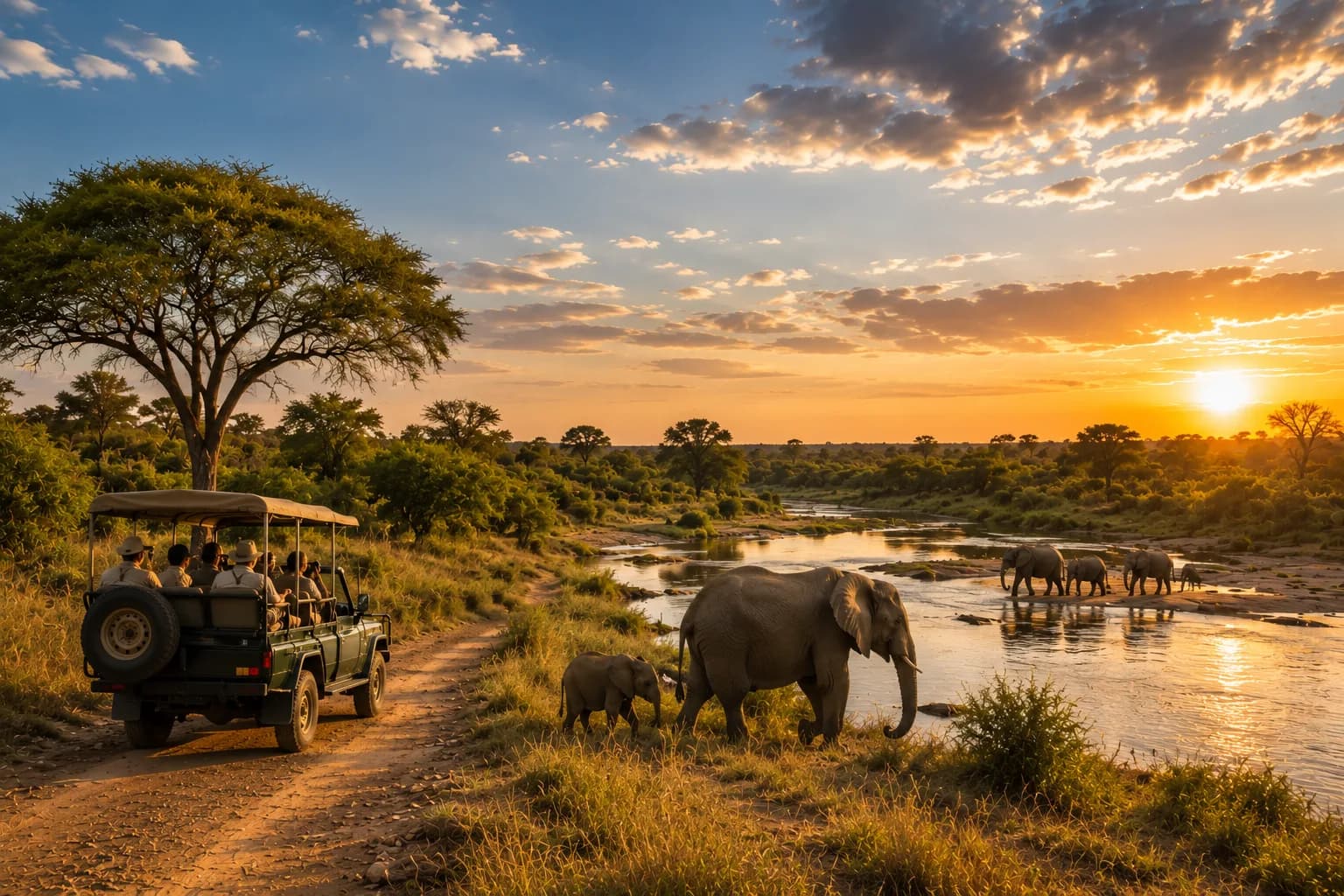
Kruger National Park
The Big Five, Self-Drive Safaris and South Africa’s Greatest Wilderness
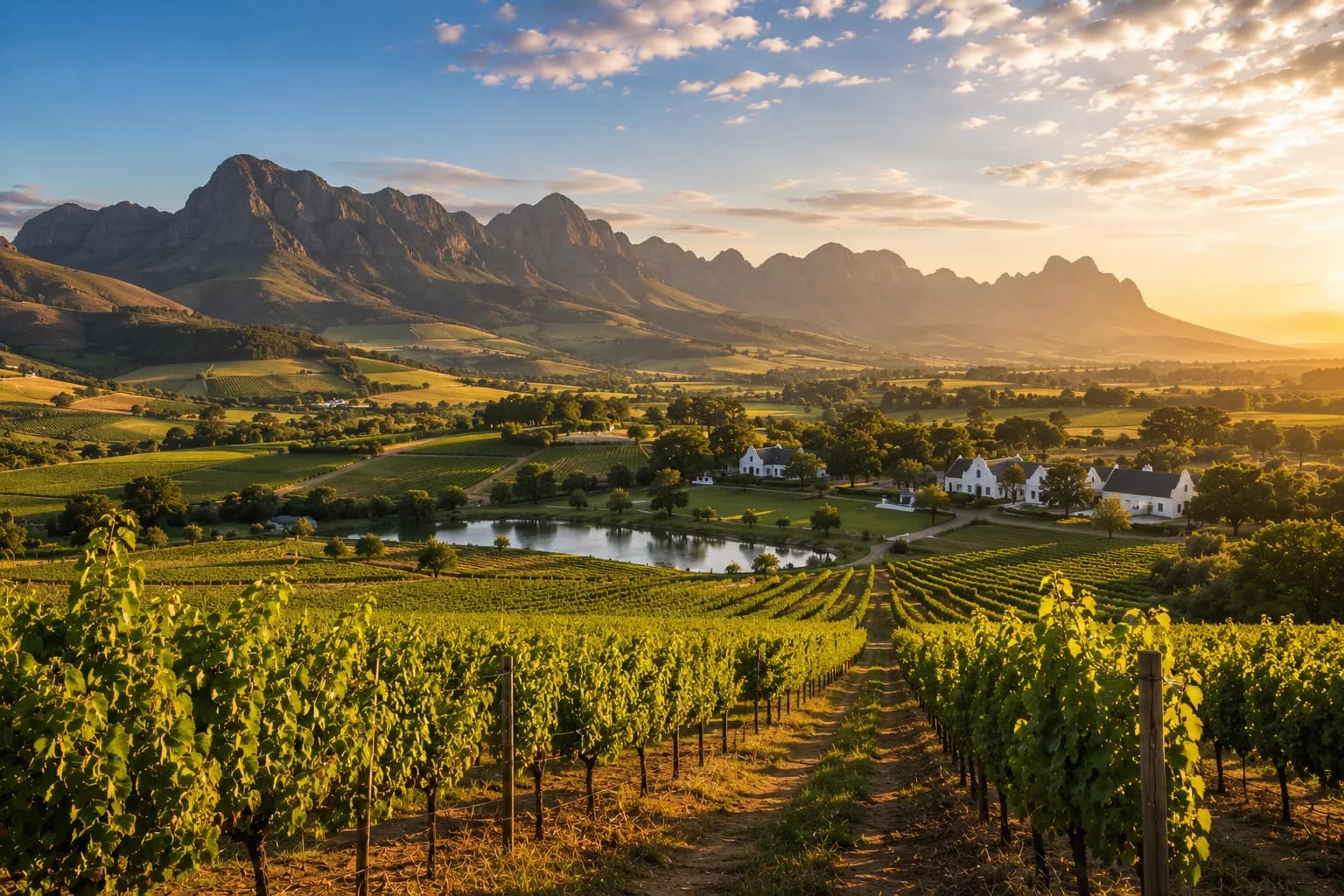
Cape Winelands
Historic Towns, Cape Dutch Estates and World-Class Wine and Food
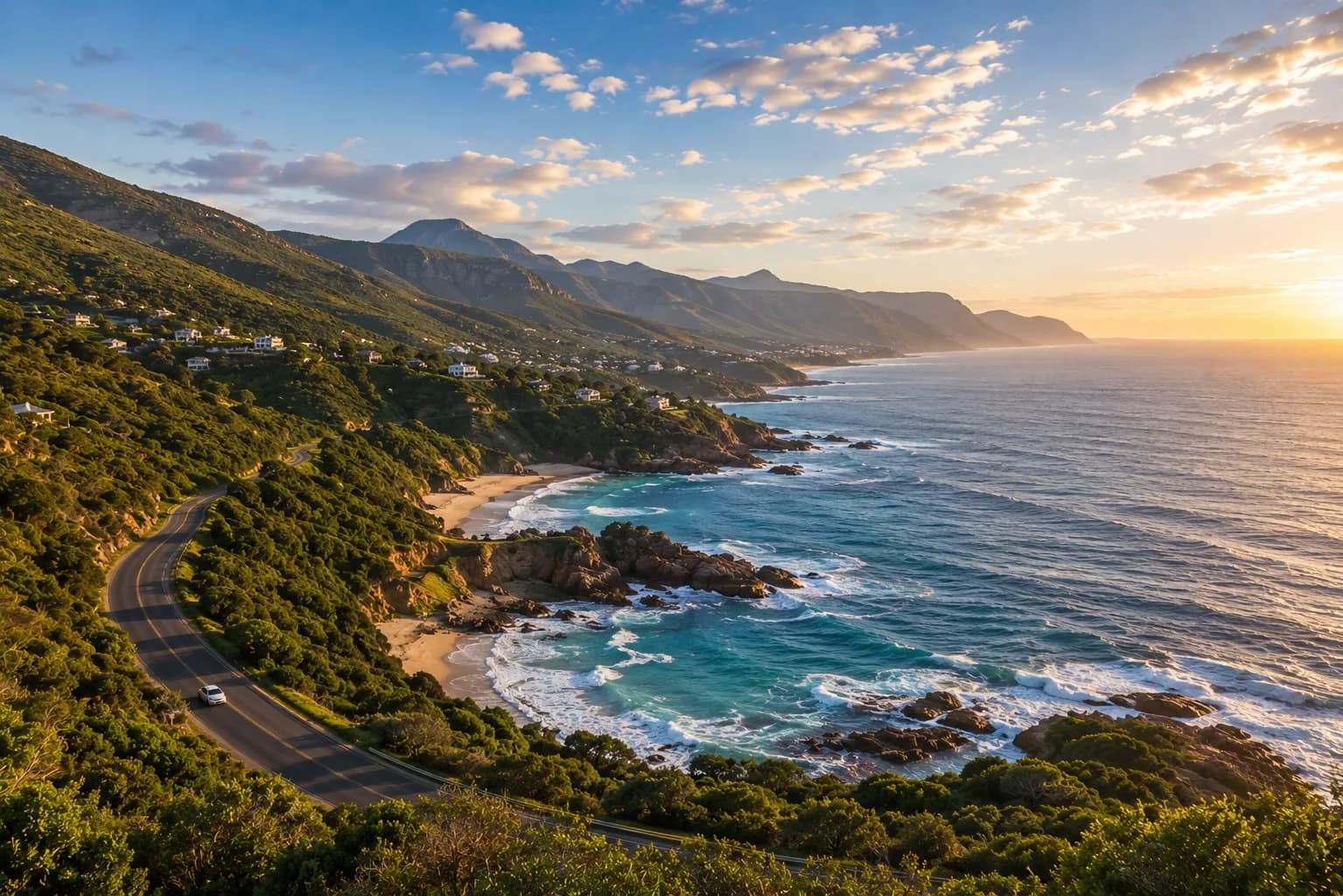
Garden Route
South Africa’s Classic Road Trip: Lagoons, Forests and a Wild Coast
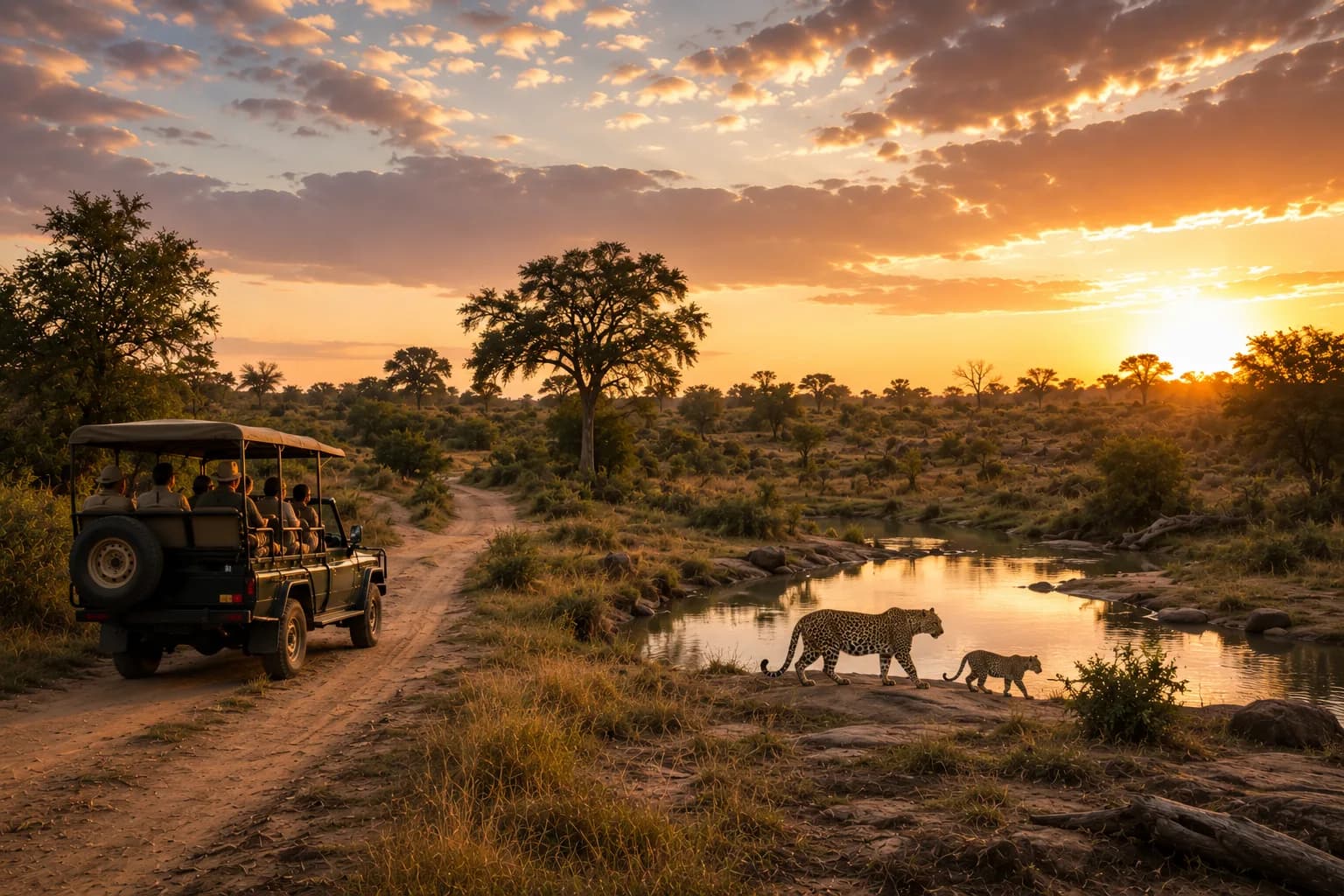
Sabi Sand Game Reserve
Famous Leopards, Off-Road Drives and Luxury Lodges on Kruger’s Border