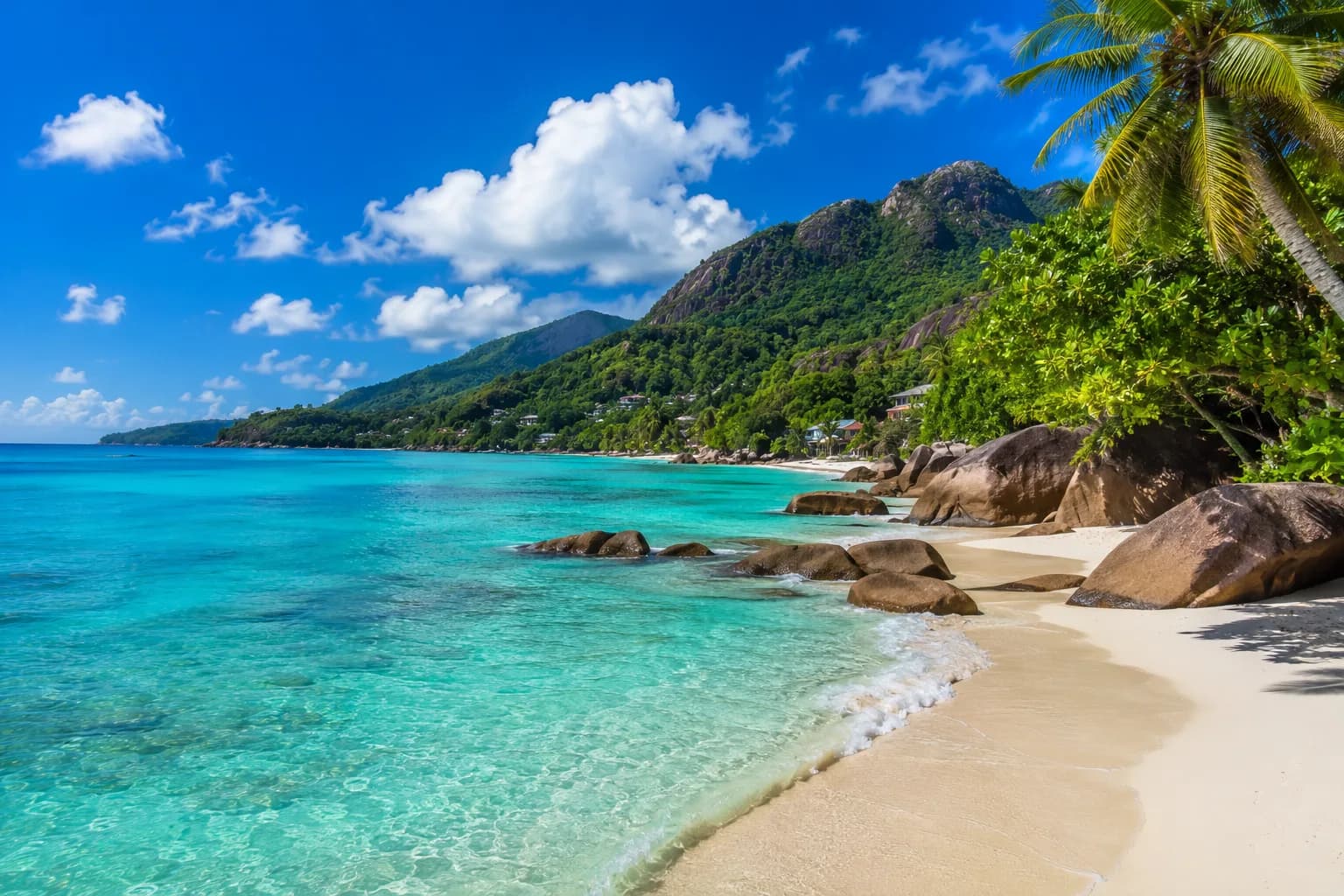
Seychelles — Indian Ocean Eden
The Seychelles is an archipelago of 115 islands in the Indian Ocean, famous for some of the world’s most beautiful beaches, unique granite boulder landscapes, and the endemic Coco de Mer palm.
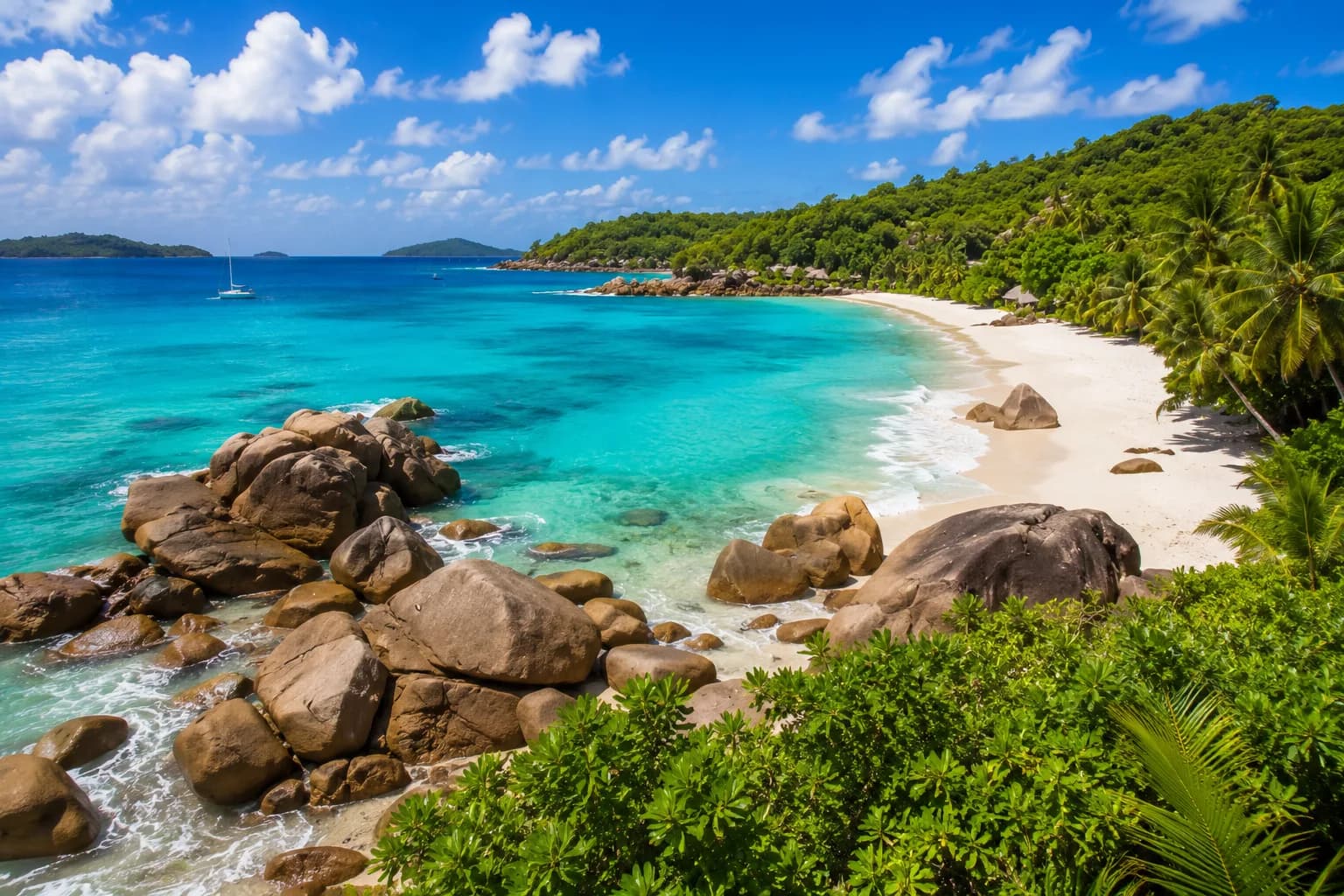
Seychelles is an archipelago of 115 granitic and coralline islands scattered across the Indian Ocean, known for beaches that regularly top global rankings, granite boulder landscapes unique on Earth, lush tropical forests, and world-class diving.
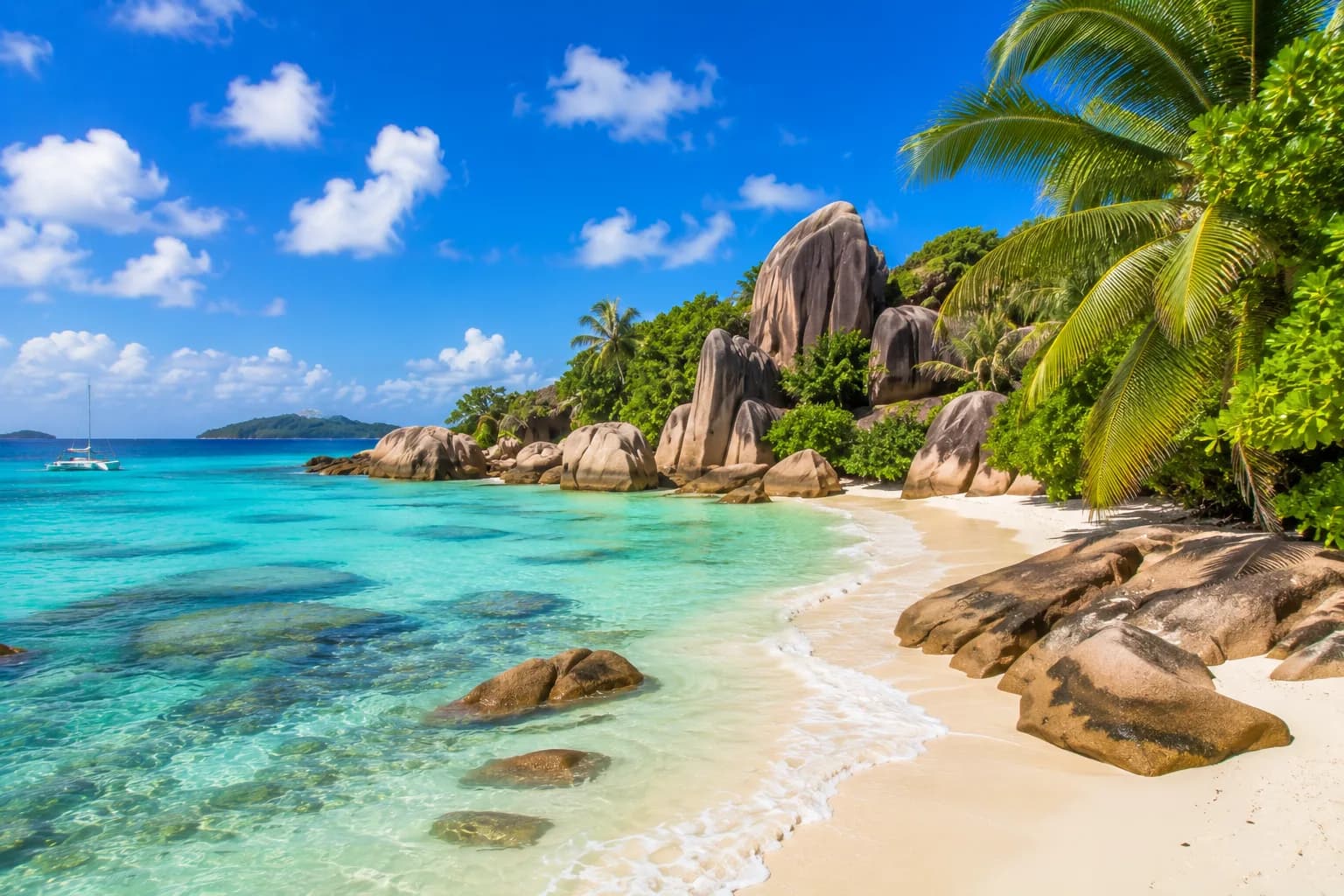
The three main islands — Mahé, Praslin, and La Digue — each have a distinct character. La Digue's Anse Source d'Argent (with its iconic pink granite boulders and shallow turquoise lagoon) is one of the most photographed beaches in the world.
Highlights
- 01Anse Source d'Argent — La Digue: one of the world's most photographed beaches; pink granite boulders
- 02Vallée de Mai — UNESCO site on Praslin: Coco de Mer palms; Black Parrot
- 03Aldabra Atoll — World's largest raised coral atoll; 150,000 giant tortoises
- 04Island-hopping — Mahé, Praslin, La Digue by catamaran or seaplane
- 05World-class diving — Granite formations, whale sharks, manta rays, pristine reefs
- 06Victoria — One of the world's smallest capitals; Botanical Garden; Sir Selwyn Clarke market
When to Visit
The best time to visit Seychelles is during the transition months of April–May and October–November, when the seas are calmest.
Why choose Seychelles
Seychelles offers a truly exotic island escape with a mix of luxury, privacy, and natural beauty. It pairs perfectly with an East African safari.
Mahé, Praslin, La Digue and the outer islands
Most of the 115 islands are tiny and uninhabited. Visitors spend their time on three granite islands close together — Mahé, Praslin and La Digue — and, budget allowing, on a private island resort or one of the remote coral atolls.
- Mahé: the largest island, with the airport and Victoria, the capital; mountain trails in Morne Seychellois National Park and beaches such as Beau Vallon and Anse Intendance.
- Praslin: the Vallée de Mai, a UNESCO World Heritage site and home of the coco de mer palm and the Seychelles black parrot (SCR 450 for adults), and the beaches of Anse Lazio and Anse Georgette.
- La Digue: no airport and few cars — you get around by bicycle — with Anse Source d'Argent (SCR 150 to enter L'Union Estate) and the wild beaches of the east coast.
- Private islands such as North and Frégate, each with a single resort, reached by helicopter or light aircraft.
- The outer islands: coral atolls such as Alphonse and Aldabra, for fly-fishing, diving and, on Aldabra, giant tortoises — visits only with permission.
Getting around, entry and costs
Ferries link the three main islands: about an hour and a quarter from Mahé to Praslin on the Cat Cocos, and 15 to 20 minutes on to La Digue. Small planes fly from Mahé to Praslin in about 20 minutes, which helps when the sea is rough.
The Seychelles is visa-free, but every visitor needs a Travel Authorisation, applied for online before the flight, for about EUR 10. Medium and large hotels add the Tourism Environmental Sustainability Levy — SCR 75 to 100 per person per night, with children aged 12 and under exempt — while small guesthouses have been exempt since January 2026. The currency is the Seychellois rupee.
The Seychelles after a safari
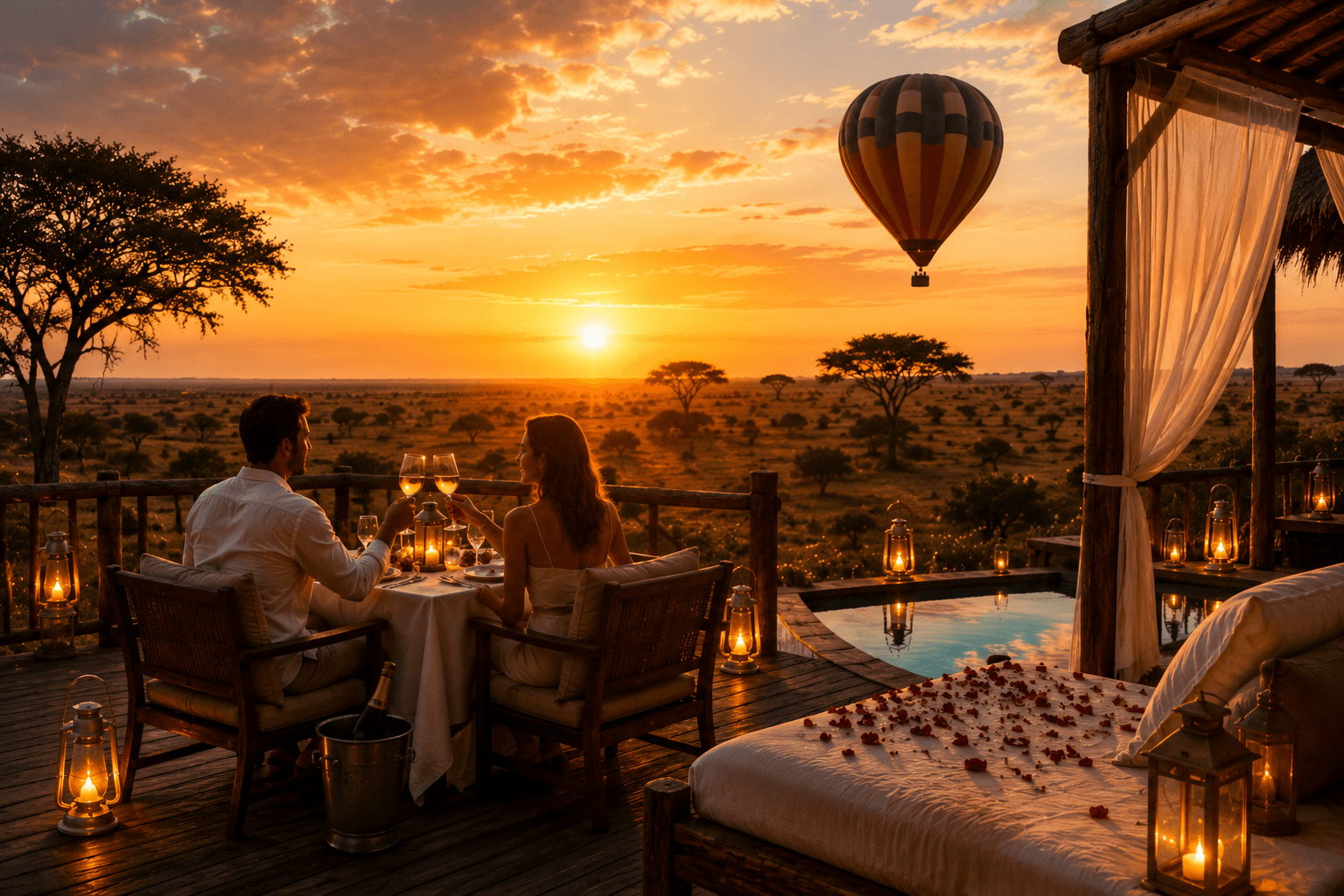
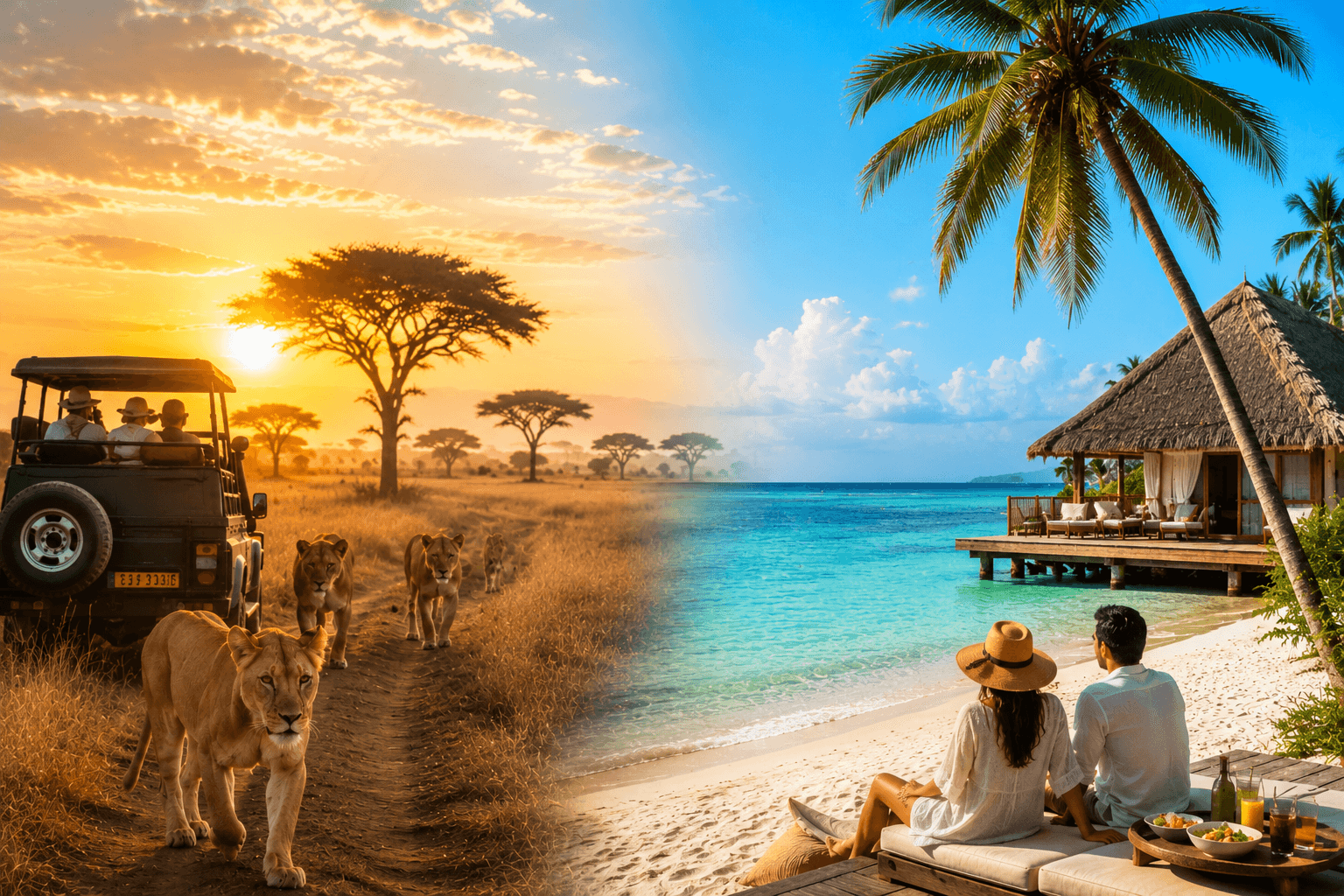
Mahé is about three and a quarter hours by air from Nairobi, so the islands pair naturally with a safari in Kenya or Tanzania. A classic plan is a week in the Masai Mara or the Serengeti, then three nights on Praslin and two on La Digue, or a few nights on a private island to finish.
Key Islands in Seychelles
Mahé Island
The largest island (27km long), home to the international airport, the capital Victoria, and Seychelles' best infrastructure.
Praslin Island
Home to the Vallée de Mai — the only place on Earth where the Coco de Mer palm grows wild. This UNESCO World Heritage forest also harbours the rare Seychelles Black Parrot.
La Digue Island
The fourth-largest island is mostly car-free — bicycles are the main transport — and preserves a pace that feels genuinely timeless.
Aldabra Atoll (Outer Islands)
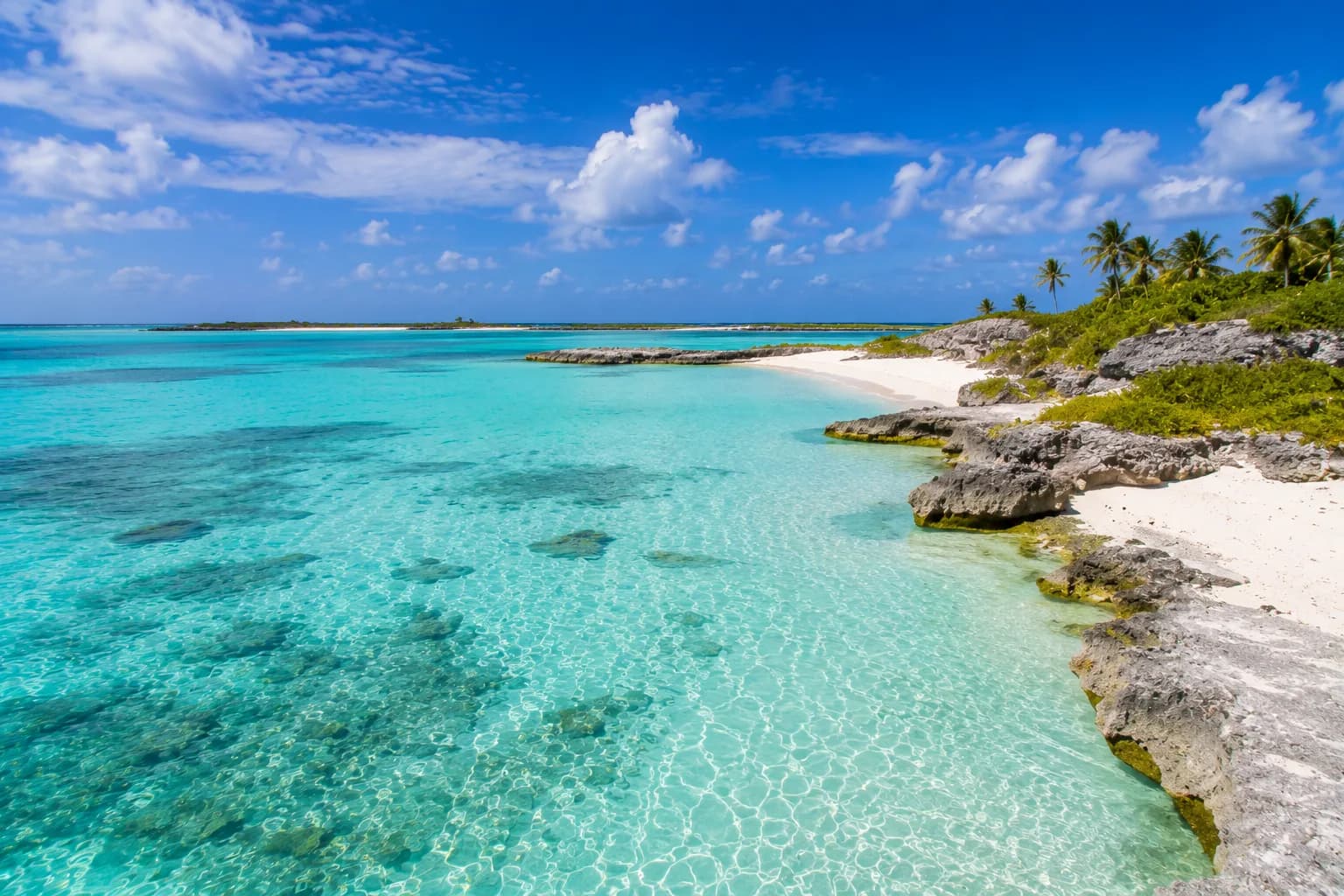
A UNESCO World Heritage Site and one of the most isolated places on Earth — 1,150km southwest of Mahé. The world's largest raised coral atoll shelters 150,000 giant tortoises.
Available Itineraries
Experiences in Seychelles
Frequently Asked Questions
Is Seychelles expensive?
+
Yes, Seychelles is generally a luxury destination with high-end resorts. However, guesthouses and self-catering options exist.
Can I combine Seychelles with an African safari?
+
Absolutely. There are direct flights from Nairobi to Mahé, making it a perfect post-safari beach extension.
When is the best time to visit the Seychelles?
+
April and May, and October and November, between the monsoons, bring the calmest seas and clearest water. From May to September the south-east trade winds cool things down and stir up some beaches, while December to March is hotter, more humid and wetter.
Do I need a visa for the Seychelles?
+
No — the Seychelles is visa-free — but every visitor needs a Travel Authorisation, applied for online before the flight, for a fee of about EUR 10. Have your return flight and accommodation booking to hand when you apply.
How do you get between Mahé, Praslin and La Digue?
+
By ferry: about an hour and a quarter from Mahé to Praslin, and 15 to 20 minutes from Praslin to La Digue. Small planes also fly from Mahé to Praslin in about 20 minutes.
Which Seychelles island should I choose?
+
Mahé for variety and hiking, Praslin for the Vallée de Mai and Anse Lazio, La Digue for bicycles and Anse Source d'Argent, or a private island for complete seclusion. Many travellers split their stay between two or three islands.
How many days do you need in the Seychelles?
+
Seven to ten nights, split between two or three islands — for example three on Mahé, three on Praslin and two on La Digue. After a safari, five or six nights on Praslin and La Digue work well.
Expert Travel Guides
- Read our complete Seychelles travel guide→
- Seychelles Travel Guide 2026: Which Island, When to Go, Beaches and Costs→
- Zanzibar vs Mauritius vs Seychelles: Which Island Should You Choose? (2026)→
- The Complete Africa Honeymoon Safari Guide 2026: Romantic Destinations, Camps & Itineraries→
- The Great Wildebeest Migration: The Ultimate Month-by-Month Guide (2026–2027)→