Safari Park Fees and Costs in 2026: Kenya, Tanzania, Uganda, Rwanda and More
The fixed costs of a safari — park fees, permits, visas and tips — explained country by country with 2026 figures, plus what lodges cost per night and how to keep the total down.
Quick Answer: Park fees and permits are the fixed part of a safari's price. In 2026 the Masai Mara charges USD 100 per adult per day from January to June and USD 200 from July to December; the Serengeti about USD 71–83 per 24 hours, plus about USD 71 a night if you sleep inside the park; the Ngorongoro Crater about USD 295 per vehicle for each descent, on top of a conservation fee of about USD 71; and a gorilla permit costs USD 800 in Uganda or USD 1,500 in Rwanda. Lodges are the variable part: roughly USD 300–550 per person per night, all-inclusive, at a mid-range camp, USD 550–850 at a luxury camp, and from about USD 850 at exclusive-use camps.
Most safari quotes are a single per-person figure, which makes it hard to see what you are paying for. This guide breaks it down: the fees set by governments and park authorities, which are the same whichever operator you book with; the lodges, which set most of the price; and the extras — visas, insurance and tips — that are easy to forget. Figures are 2026 rates for non-resident adults; fees change, so we confirm them in every quote. For a whole-trip estimate, try our safari cost calculator.
Park fees and permits at a glance (2026)
| Park or activity | Fee (non-resident adult) | Good to know |
|---|---|---|
| Masai Mara National Reserve, Kenya | USD 100 per day (January–June); USD 200 (July–December) | Children 9–17 USD 50, under-nines free; conservancy fees are usually included in camp rates |
| Kenya Wildlife Service parks: Amboseli, Tsavo, Lake Nakuru, Nairobi | Charged per person per 24 hours, cashless through eCitizen | Rates have been under revision, so we confirm the current fee in every quote |
| Serengeti National Park, Tanzania | About USD 83 per 24 hours (high season); USD 71 (low season) | Plus a concession fee of about USD 71 a night inside the park; children 5–15 pay less, under-fives free |
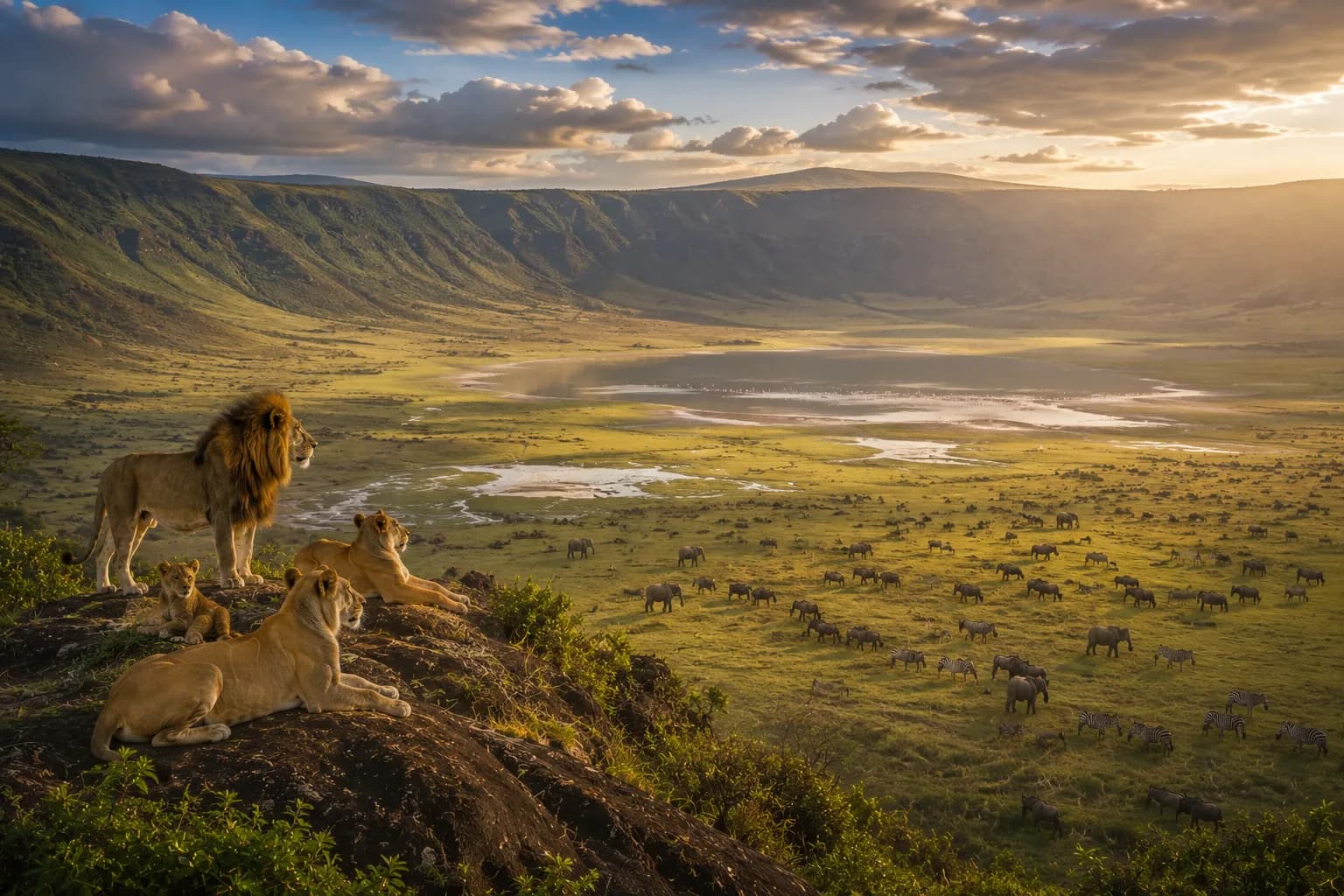
| Ngorongoro Conservation Area, Tanzania | About USD 71 per 24 hours | Plus a crater service fee of about USD 295 per vehicle for each descent |
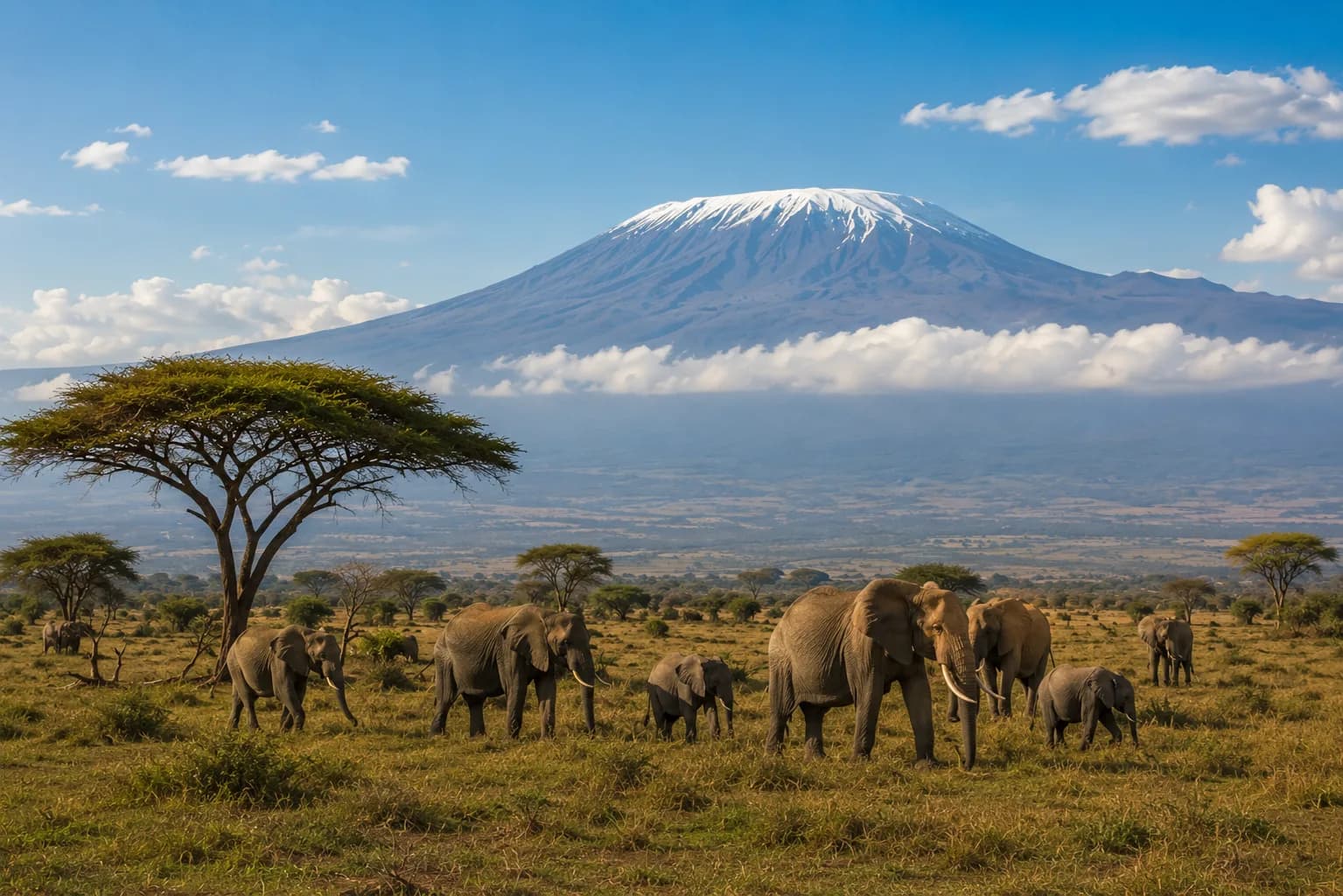
| Kilimanjaro National Park, Tanzania | About USD 70 per day, plus camping at about USD 50 a night | About USD 800–1,500 in park fees per climber, depending on the route and the days |
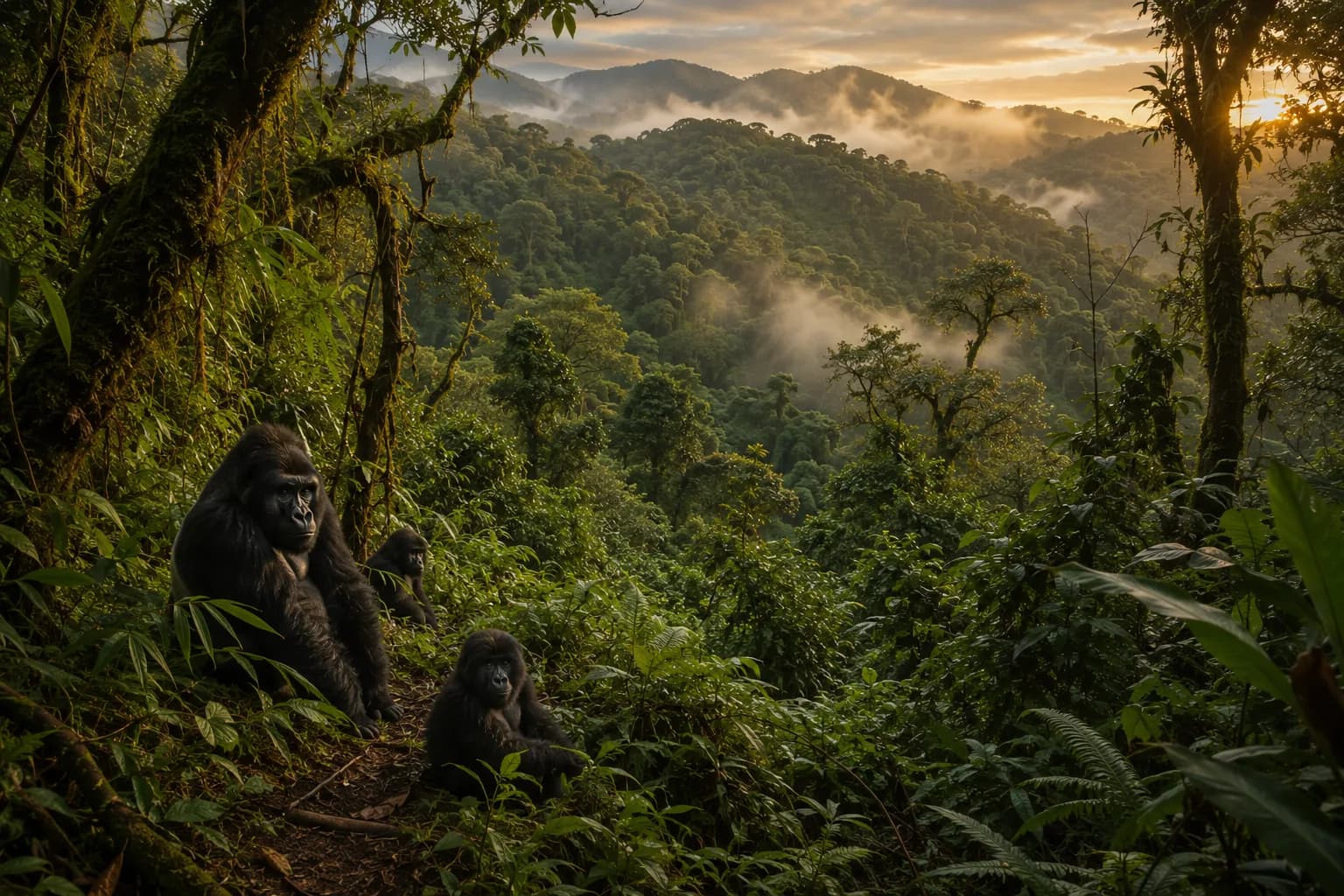
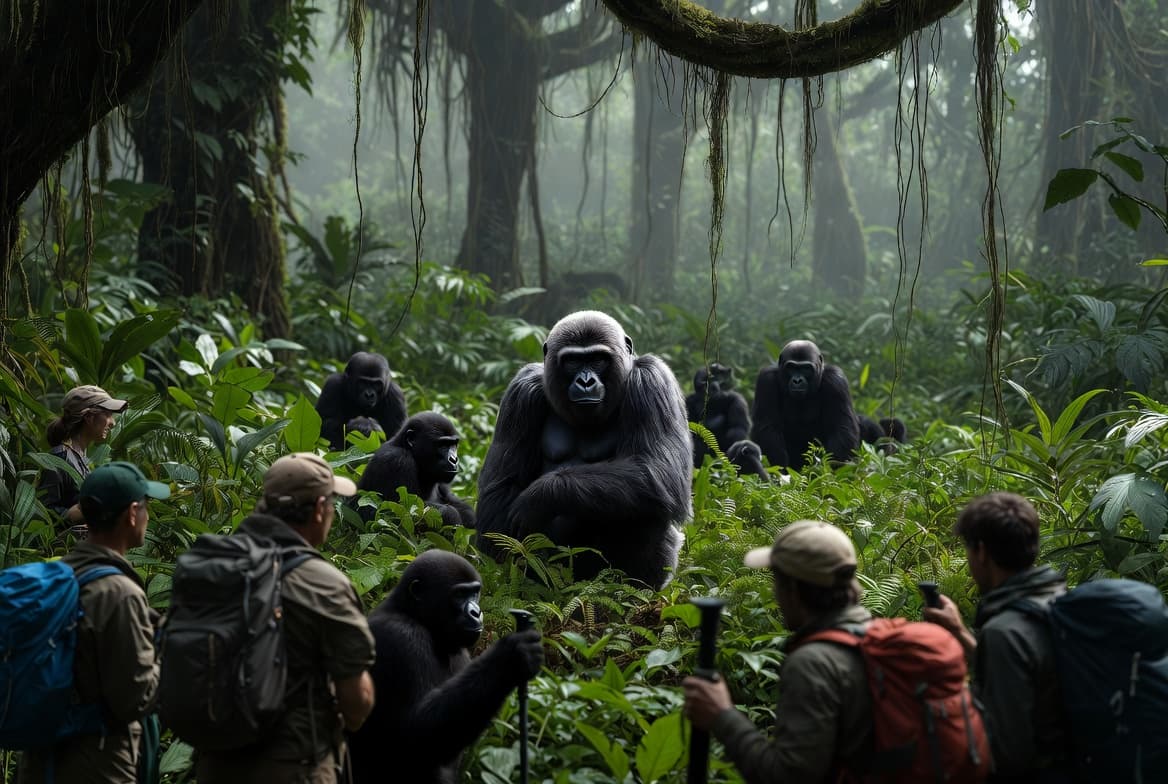
| Gorilla trekking, Uganda | USD 800 (USD 600 in April, May and November) | The four-hour habituation experience in Bwindi costs USD 1,500; UWA has announced a rise to USD 1,800 |
| Chimpanzee tracking, Uganda (Kibale) | USD 250 (USD 200 in April, May and November) | UWA has announced a rise to USD 300 |
| Gorilla trekking, Rwanda (Volcanoes) | USD 1,500 | Golden monkey tracking about USD 100; the hike to Dian Fossey's grave about USD 75 |
| Chimpanzee tracking, Rwanda (Nyungwe) | USD 150 | Plus the park entry fee, charged per stay |
| Kruger National Park, South Africa | R692 per adult per day (R345 per child) from 1 November 2026 | Up from R602 and R300; South African and SADC residents pay less |
| Mnemba Atoll, Zanzibar | USD 25 per adult (USD 10 per child) | For visitors from outside East Africa |
What lodges and camps cost per night
| Style | Per person per night, all-inclusive | What you get |
|---|---|---|
| Mid-range | USD 300–550 | A comfortable tented camp or lodge, full board, shared game drives |
| Luxury | USD 550–850 | A boutique camp in a prime location, a private guide, better food and wine |
| Exclusive-use | From about USD 850; over USD 1,500 at the very top | Owner-run or private camps, a private vehicle and guide, conservancy access with off-road and night drives |
These rates usually cover your room, meals and game drives and, at conservancy camps, the conservancy fee; many also include house drinks and laundry. National park fees, flights between parks and premium drinks are often extra, so check what all-inclusive means on each quote. Rates are highest from July to October and over Christmas and New Year, and lowest in the April–May green season, when some camps close.
Flights and getting around
Light-aircraft flights between the parks save long days on the road but add a few hundred US dollars per person per flight, and they allow about 15 kg of luggage per person, including hand luggage, in soft bags — about 20 kg in Botswana. A safari by road is cheaper, and many itineraries drive one way and fly the other. A private vehicle and guide costs more than a shared one, but the price is per vehicle, so it falls sharply per person for a family or a group of four to six.
Visas, insurance and other fixed costs
- KENYA: an Electronic Travel Authorisation (eTA), applied for online — about USD 30 plus a processing fee.
- TANZANIA, INCLUDING ZANZIBAR: an eVisa — USD 50 for most nationalities, USD 100 for US citizens — and the government's USD 44 inbound travel insurance; arriving from Kenya, you also need a yellow fever vaccination certificate.
- UGANDA AND RWANDA: most visitors need a visa, applied for online or, in Rwanda, available on arrival; check the current fee for your passport.
- THE SEYCHELLES AND MAURITIUS: the Seychelles is visa-free, but everyone needs a Travel Authorisation of about EUR 10, and medium and large hotels add a levy of SCR 75–100 per person per night; Mauritius is visa-free for many nationalities.
- TRAVEL INSURANCE: choose a policy that covers medical evacuation from remote parks, and check that it covers activities such as gorilla trekking or climbing Kilimanjaro.
How much to tip on safari
Tipping is customary and makes a real difference to guides and camp staff. As a guide, many travellers give USD 10 to 20 per guest per day to their guide — a little more for a private guide — and USD 5 to 15 per guest per night to the camp's staff tip box, or roughly USD 20 to 30 per person per day in all. Tip in cash at the end of your stay with each guide or camp, in US dollars or local currency; on Kilimanjaro, guides, cooks and porters are tipped separately at the end of the climb.
How to keep the cost down
- TRAVEL IN THE SHOULDER MONTHS: June in Kenya, when the Mara fee is still USD 100, or November and the April–May green season, when lodge rates drop.
- CHOOSE A GREAT GUIDE OVER A GRAND CAMP: a mid-range camp with an excellent guide beats a luxury camp with an average one.
- SHARE THE VEHICLE: a private vehicle costs the same for up to about six people, so families and small groups pay far less per person.
- CHOOSE UGANDA FOR GORILLAS ON A BUDGET: the permit is USD 700 less than in Rwanda, and USD 600 in the low season.
- MIX DRIVING AND FLYING: drive between nearby parks and fly the long legs.
What a whole safari costs
| Trip | Typical length | Per person, excluding international flights |
|---|---|---|
| Classic Kenya or Tanzania safari, mid-range | 5–7 nights | USD 1,750–3,850 |
| Classic Kenya or Tanzania safari, luxury | 5–7 nights | USD 2,750–5,950 |
| Uganda gorillas and chimpanzees | 5 nights | USD 2,750–5,250 |
| Rwanda gorillas and Kigali | 4 nights | USD 3,400–5,300 |
| Safari and beach (Zanzibar or the Seychelles) | 10–14 nights | USD 4,500–11,000 |
Use our safari cost calculator to adjust the length, style and destinations, see our sample itineraries for day-by-day plans at these lengths, or compare the two classic safari countries in our Kenya vs Tanzania guide.
Frequently Asked Questions
How much are Masai Mara park fees in 2026?
+
Non-resident adults pay USD 100 per day from January to June and USD 200 from July to December, on both the Narok County side and in the Mara Triangle. Children aged 9 to 17 pay USD 50, and under-nines enter free. In the private conservancies around the reserve, the conservancy fee is usually included in the camp's rate.
How much are the Serengeti and Ngorongoro fees?
+
In 2026 the Serengeti charges about USD 83 per adult per 24 hours in high season and USD 71 in low season, plus a concession fee of about USD 71 a night if you stay inside the park. The Ngorongoro Conservation Area charges about USD 71 per adult per 24 hours, and each vehicle that descends into the crater pays a service fee of about USD 295.
How much is a gorilla permit in 2026?
+
USD 800 in Uganda for foreign non-residents, or USD 600 in April, May and November, and USD 1,500 in Rwanda. Uganda's four-hour habituation experience costs USD 1,500, and UWA has announced a rise to USD 1,800. Permits are limited, so book them as soon as your dates are set.
Are park fees included in a safari price?
+
Often, but not always. At conservancy and concession camps the fee is usually part of the nightly rate; in national parks some operators include the fees and others add them separately. Our quotes include all park fees — check any quote line by line.
What is not included in a safari price?
+
Usually international flights, visas, the Tanzanian inbound travel insurance, your own travel insurance, tips and optional extras such as a hot-air balloon flight over the Mara, about USD 450 to 650. Premium drinks and some transfers may also be extra, depending on the camp.
When is the cheapest time to go on safari?
+
The April–May green season, when the long rains bring the lowest lodge rates of the year and some camps close, followed by November. In Kenya, June is also good value: the Mara fee is still USD 100 a day and peak-season rates have not yet started.