How to Plan a Kenya Safari in 2025: The Complete Guide for First-Timers and Return Visitors
Kenya is the world's most recognised safari destination — and the most complex to plan correctly. The difference between an average Kenya safari and an extraordinary one is not budget alone: it is knowing which parks to combine, when to go, what the private conservancy system means, and how to choose a guide. This is the guide that answers all of it.
Quick Answer: For a first Kenya safari, spend 3 nights in Amboseli (elephants, Kilimanjaro) and 4 nights in the Masai Mara (Big Five, Migration) – 7 nights total. Book 10–12 months ahead for July–October. Stay in a private conservancy (not the National Reserve) for off‑road driving, night drives, and fewer vehicles. Budget USD 6,000–9,000 for two people at mid‑range level.
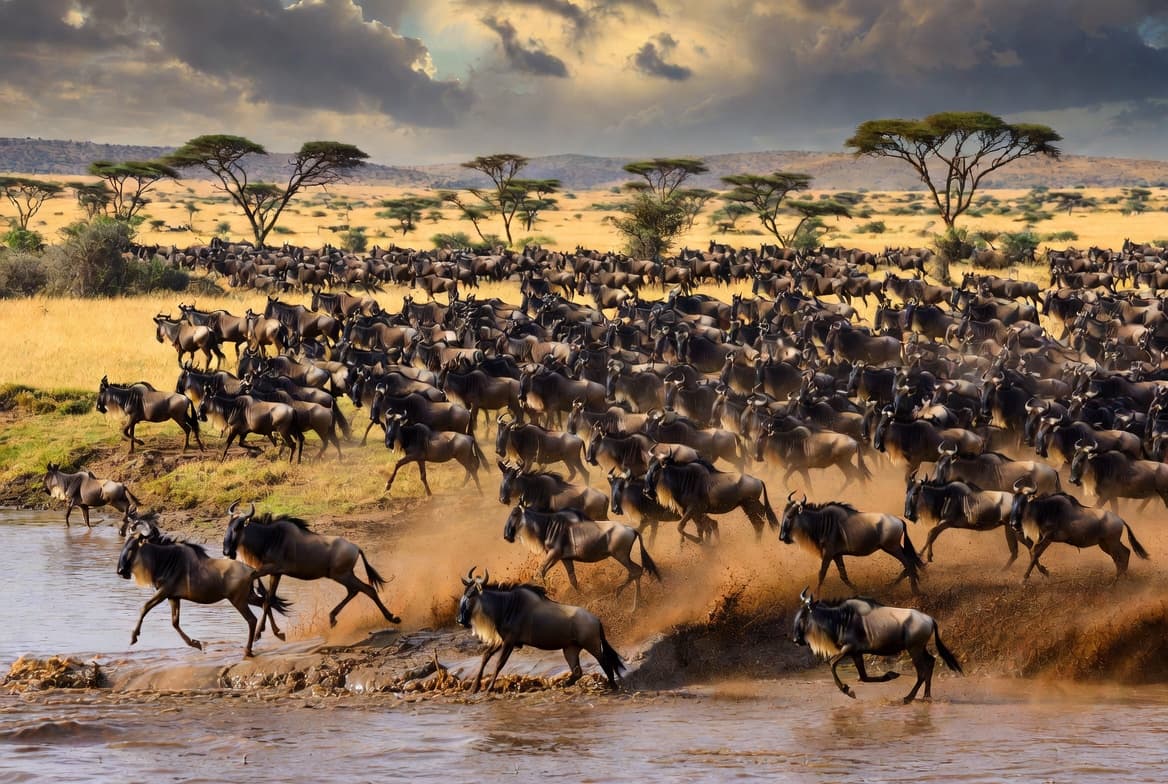
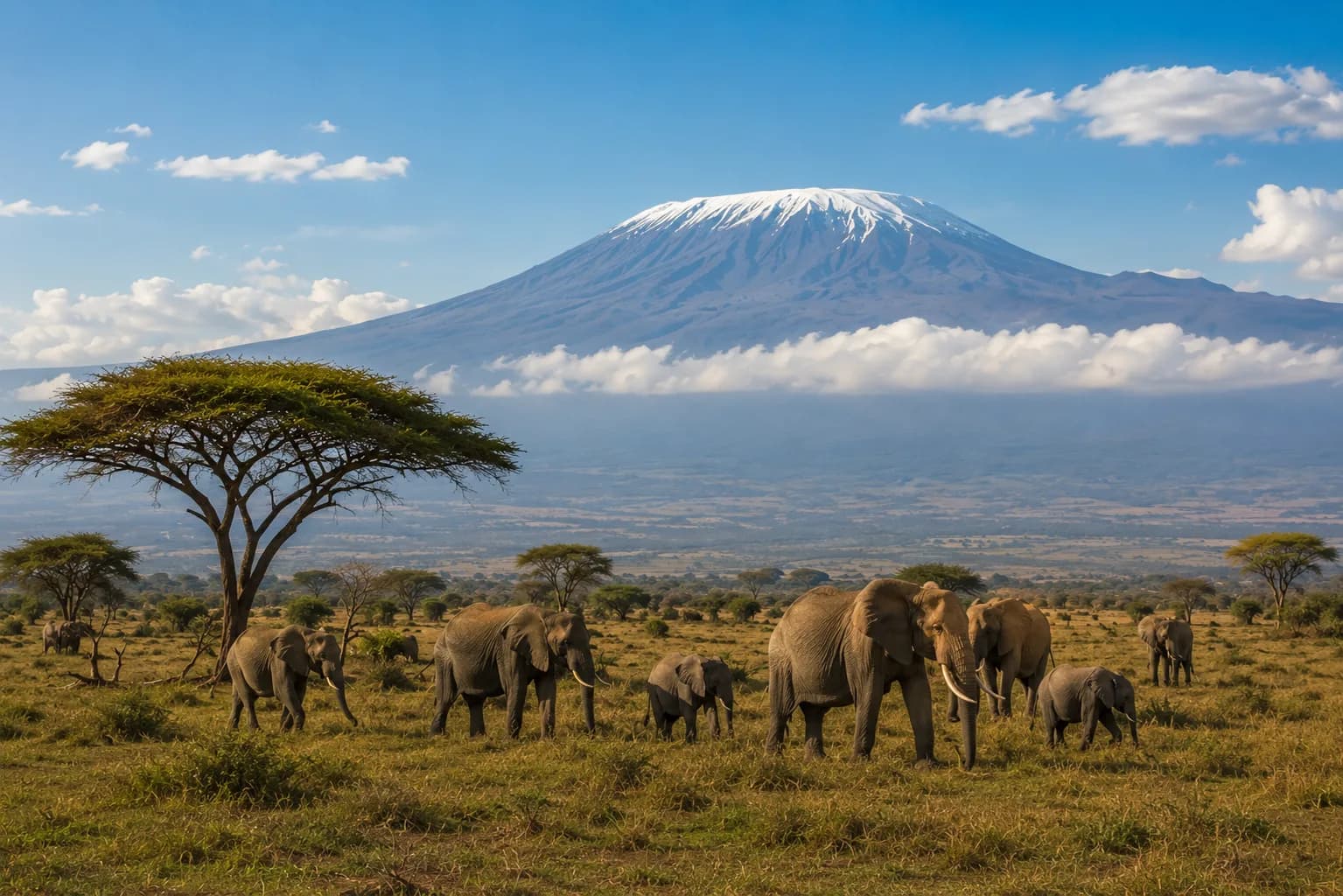
Kenya is where the modern safari was born, and it remains the world's most complete safari destination. In no other country can you witness the greatest wildlife migration on Earth (the Masai Mara), photograph elephant herds against Africa's highest mountain (Amboseli), track rare northern species on red-dirt plains that feel like the edge of the world (Samburu), do walking safaris in a private conservancy (Laikipia), and enjoy a game drive through a national park technically within the capital city (Nairobi National Park) — all with good road infrastructure, reliable light aircraft connections, and English spoken throughout.
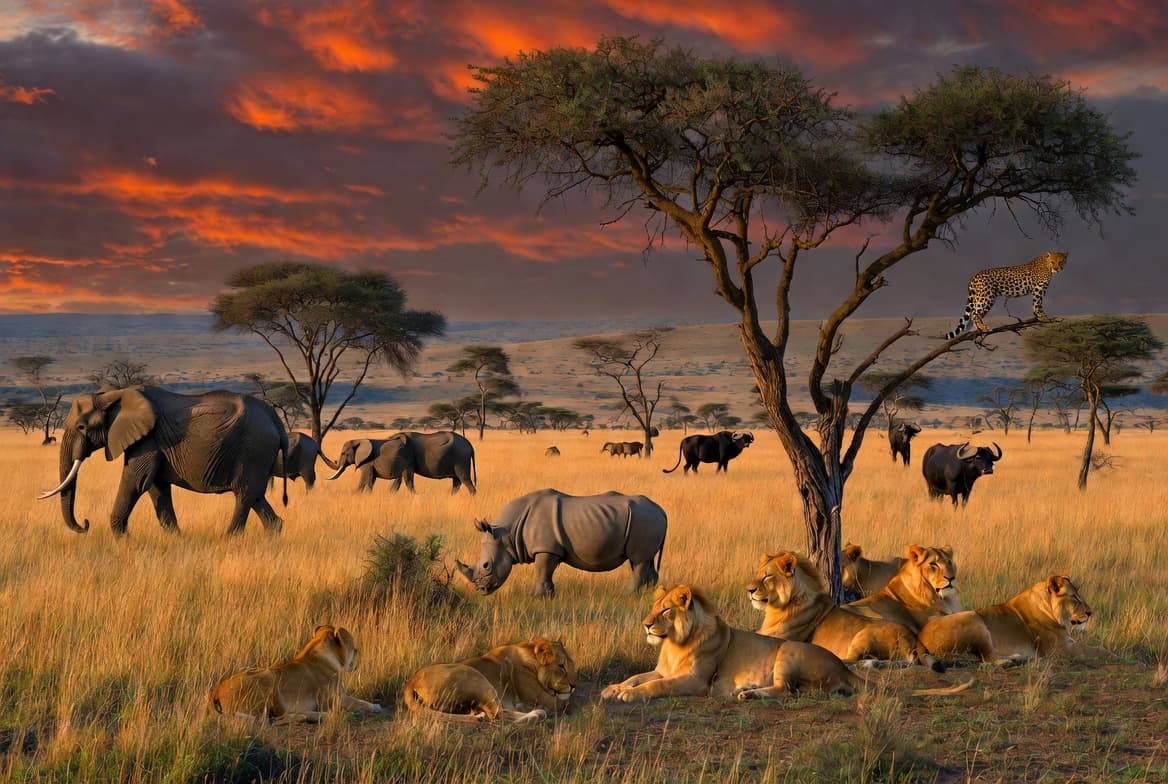
The challenge in planning a Kenya safari is not finding good wildlife — Kenya has more Big Five sightings per protected square kilometre than almost any country in Africa. The challenge is sequencing the experience correctly: which parks to combine, in what order, at what time of year, and at what accommodation level. This guide addresses all of it from people who have been doing this, from Nairobi, for over a decade.
Kenya's National Parks and Reserves: An Honest Comparison
| Park / Reserve | Size | Best For | Peak Season | Distance from Nairobi | Travel Time | Key Differentiator |
|---|---|---|---|---|---|---|
| Masai Mara National Reserve | 1,510 km² | Big Five, Great Migration, predators, photography | Jul–Oct; year-round excellent | 270km | 5–6hr drive or 45min flight | Private conservancies bordering it transform the experience with off-road driving |
| Amboseli National Park | 392 km² | Elephant herds, Mount Kilimanjaro backdrop, photography | Jul–Oct; Jan–Feb dry season | 240km | 4hr drive or 40min flight | World's best elephant photography; open plains, Kilimanjaro behind |
| Samburu National Reserve | 165 km² | Rare northern species (Grevy's zebra, reticulated giraffe, gerenuk) | Jun–Sep; Jan–Feb | 350km | 4–5hr drive or 50min flight | Species you cannot see anywhere else in Kenya; frontier landscape |
| Laikipia Plateau | 9,500 km² | Walking safaris, night drives, rhino, wild dog, black rhino | Year-round (avoid long rains) | 220km | 3.5–4hr drive | Night drives and walking safaris impossible in national parks; extraordinary conservation story |
| Tsavo East & West | 21,000 km² | Red elephants, vast landscape, self-drive, budget | Jun–Oct; Jan–Feb | 200–300km | 4–6hr drive | Kenya's largest park; red dust-covered elephants are iconic |
| Lake Nakuru | 188 km² | Rhino, flamingos, compact Big Five circuit | Year-round | 160km | 2.5hr drive | Easiest Big Five park from Nairobi; excellent rhino density |
| Nairobi National Park | 117 km² | Half-day game drive, lion, rhino, giraffe, city skyline backdrop | Year-round | 7km from CBD | 20min from city centre | World's only national park within a capital city |
The Private Conservancy System: Kenya's Biggest Safari Secret
The most important thing to understand about planning a Kenya safari is the difference between national parks and private conservancies — and why this difference matters more than almost any other single factor.
Kenya's national parks (Masai Mara National Reserve, Amboseli, Tsavo) are government-administered protected areas open to all vehicles, with per-vehicle entry fees, and — critically — a requirement that all vehicles remain on designated tracks at all times. You cannot drive off-road to follow a cheetah hunt, position optimally for a river crossing, or get closer than the track allows to any sighting.
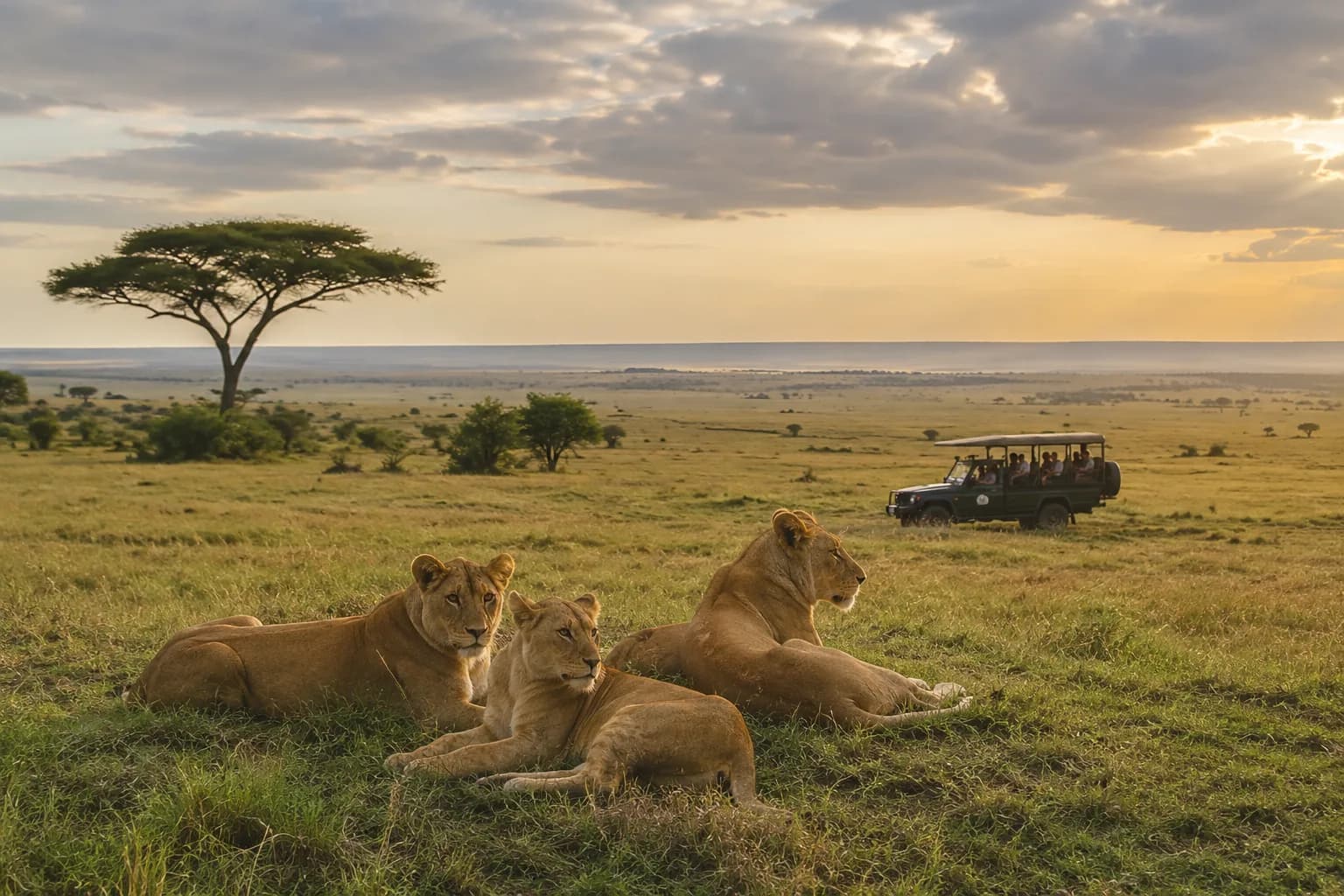
Surrounding the Masai Mara National Reserve, a network of private conservancies — Olare Motorogi, Naboisho, Lemek, Mara North, Ol Kinyei, Enonkishu — cover an additional 200,000+ acres. These are private lands owned by Maasai landowners who have entered conservation partnerships with premium camp operators. In conservancies: off-road driving is fully permitted; vehicle ratios per sighting are capped at 3–5 (vs. 20–30 inside the Reserve in peak season); walking safaris are allowed; night drives are available.
- OLARE MOTOROGI CONSERVANCY (33,000 acres): One of the finest conservancies in Kenya. Home to Mahali Mzuri (Virgin), Olare Mara Kempinski, and Mara Plains Camp. Extraordinary predator density; off-road, walking, and night drives all available.
- NABOISHO CONSERVANCY (50,000 acres): The largest Mara conservancy. Strictly controlled vehicle numbers — 1–2 vehicles maximum per sighting. Home to Ol Seki Hemingways, andBeyond Kichwa Tembo, and Elephant Pepper Camp. Exceptional leopard and cheetah sightings.
- MARA NORTH CONSERVANCY (74,000 acres): Bordering the Mara River. Home to Sanctuary Olonana and Ol Donyo Lodge. Excellent for river crossing positioning; extraordinary plains game density.
- OL KINYEI CONSERVANCY (8,500 acres): Small, exclusive, extraordinarily private. Rekero Camp operates here. Only 3–4 vehicles in the entire conservancy at any time.
When to Go: Kenya's Safari Seasons Honestly Explained
| Season | Months | Weather | Wildlife | Visitor Numbers | Rates | Best For |
|---|---|---|---|---|---|---|
| Main Dry Season | July–October | Dry, warm days (25–30°C), cool mornings (8–15°C) | Exceptional: animals at water, Migration in Mara, predators at peak | Peak (Aug–Sep very busy) | Highest; book 10–12 months ahead | First-time visitors, Migration, Big Five concentration |
| Short Dry Season | January–February | Warm, dry, clear skies; beautiful light | Excellent: Amboseli peak; calving in southern Serengeti; good predators | Moderate — fewer than Jul–Oct | Mid-range; 20–30% below peak | Value first safari; Amboseli; underrated Mara viewing |
| Short Rains | October–December | Afternoon showers; warming from October | Very good: migrant birds; green landscape; newborn animals | Low in Nov; builds in Dec | Lower in Nov; highest Dec (Christmas) | Photography, birding, fewer crowds, lower rates in November |
| Long Rains | March–May | Prolonged, heavy rainfall; some roads impassable | Animals present but dispersed; dense vegetation | Very low; some camps close | Lowest — 40–50% off peak | Experienced birders; not recommended for first-timers |
How Much Does a Kenya Safari Actually Cost?
| Tier | Cost Per Person Per Night | What It Includes | Our Assessment |
|---|---|---|---|
| Budget | USD 100–200pp/night | Accommodation, most meals, shared vehicle, national park game drives | Appropriate for self-sufficient travellers; significant compromises on wildlife access and guide quality |
| Mid-Range | USD 250–450pp/night | Private vehicle, good tented camp, experienced guide, most meals and park fees | Good entry point; noticeably better guiding; conservancy access usually not included |
| Luxury | USD 500–900pp/night | Private vehicle and guide, premium camp, conservancy access, all meals and park/conservancy fees, some activities | This tier is where the Kenya safari experience fundamentally changes. Conservancy access alone justifies the premium. |
| Ultra-Luxury | USD 1,000–2,500+pp/night | All of the above plus private plunge pool, helicopter excursions, dedicated butler, world-class food and wine | For travellers where comfort, privacy, and extraordinary service are non-negotiable. |
For context: a 7-night Kenya safari for two people (3 nights Amboseli + 4 nights Masai Mara conservancy) at mid-range level — private vehicle, good camps, park fees, most meals, return light aircraft to the Mara — typically costs USD 6,000–9,000 total for both. At luxury level (premium conservancy camps, all-inclusive), the same itinerary costs USD 12,000–18,000 for two.
How to Choose a Kenya Safari Operator: The 5 Questions That Matter
- 1ARE THEY KENYA‑BASED? A local operator has boots on the ground, not a London call centre. Ask where their team is physically located.
- 2DO THEY USE PRIVATE VEHICLES? Shared vehicles compromise your experience. Always confirm vehicle type.
- 3WHAT ARE THEIR GUIDE QUALIFICATIONS? KPSGA certification (Bronze/Silver/Gold) matters. Ask for your guide's level and years of experience.
- 4WHAT'S INCLUDED IN THE PRICE? Park fees, conservancy fees, game drives, meals, accommodation – some operators show a low headline rate and add fees at checkout. Always request a full inclusions list.
- 5WHAT'S THEIR EMERGENCY PROTOCOL? How do they handle breakdowns, medical issues, or weather‑related itinerary changes? Ask before you book.
The Best Kenya Safari Circuits: Our Recommended Combinations
- 5-NIGHT INTRODUCTION: 2 nights Amboseli (elephants, Kilimanjaro) + 3 nights Masai Mara conservancy (Big Five, predators). The most popular first safari circuit. Easy light aircraft connection; two completely different landscapes and wildlife profiles.
- 7-NIGHT CLASSIC: 2 nights Nairobi (Giraffe Centre, Sheldrick, city orientation) + 2 nights Amboseli + 3 nights Masai Mara. Adds a meaningful Nairobi dimension.
- 10-NIGHT SIGNATURE: 2 nights Amboseli + 3 nights Masai Mara conservancy + 2 nights Laikipia (walking safari, night drive, rhino) + 3 nights Zanzibar (beach finale). Our most popular comprehensive Kenya circuit.
- 12-NIGHT COMPLETE KENYA: 2 nights Nairobi + 2 nights Lake Nakuru (rhino, flamingos) + 2 nights Samburu (northern species) + 2 nights Laikipia + 4 nights Masai Mara. Covers Kenya's full north-south wildlife range.
Frequently Asked Questions
What is the difference between the Masai Mara National Reserve and a private conservancy?
+
The Masai Mara National Reserve is government-administered, where all vehicles must remain on designated tracks, no off-road driving is permitted, and vehicle numbers are unlimited (meaning 20–30 vehicles can crowd a sighting in peak season). Private conservancies surrounding the Reserve allow off-road driving, cap vehicles per sighting at 3–5, include walking safaris and night drives, and deliver a significantly more intimate experience. The conservancies are where experienced safari travellers consistently choose to stay.
How long should my first Kenya safari be?
+
A minimum of 5 nights is needed to visit two parks with meaningful time in each. Seven nights is our recommended minimum for a balanced, unhurried experience. Ten nights allows three parks plus a Zanzibar or Kenya coast extension. Our most-booked first-time itinerary is 7 nights: 3 nights Amboseli + 4 nights Masai Mara conservancy.
When should I book a Kenya safari?
+
For July–October (peak season, Great Migration in Mara), book 10–12 months in advance. The best conservancy camps fill by October/November of the previous year for the following peak season. For January–February, book 4–6 months ahead. For November and June, 3–4 months is usually sufficient.
Do I need travel insurance for a Kenya safari?
+
Travel insurance is non-negotiable. Specifically, ensure your policy includes emergency medical evacuation by air (AMREF Flying Doctors is the standard in East Africa; a subscription is a sensible additional purchase), trip cancellation coverage, and activity-specific risk coverage. Medical facilities outside Nairobi are limited; evacuation insurance is genuinely essential.
More Expert Guides