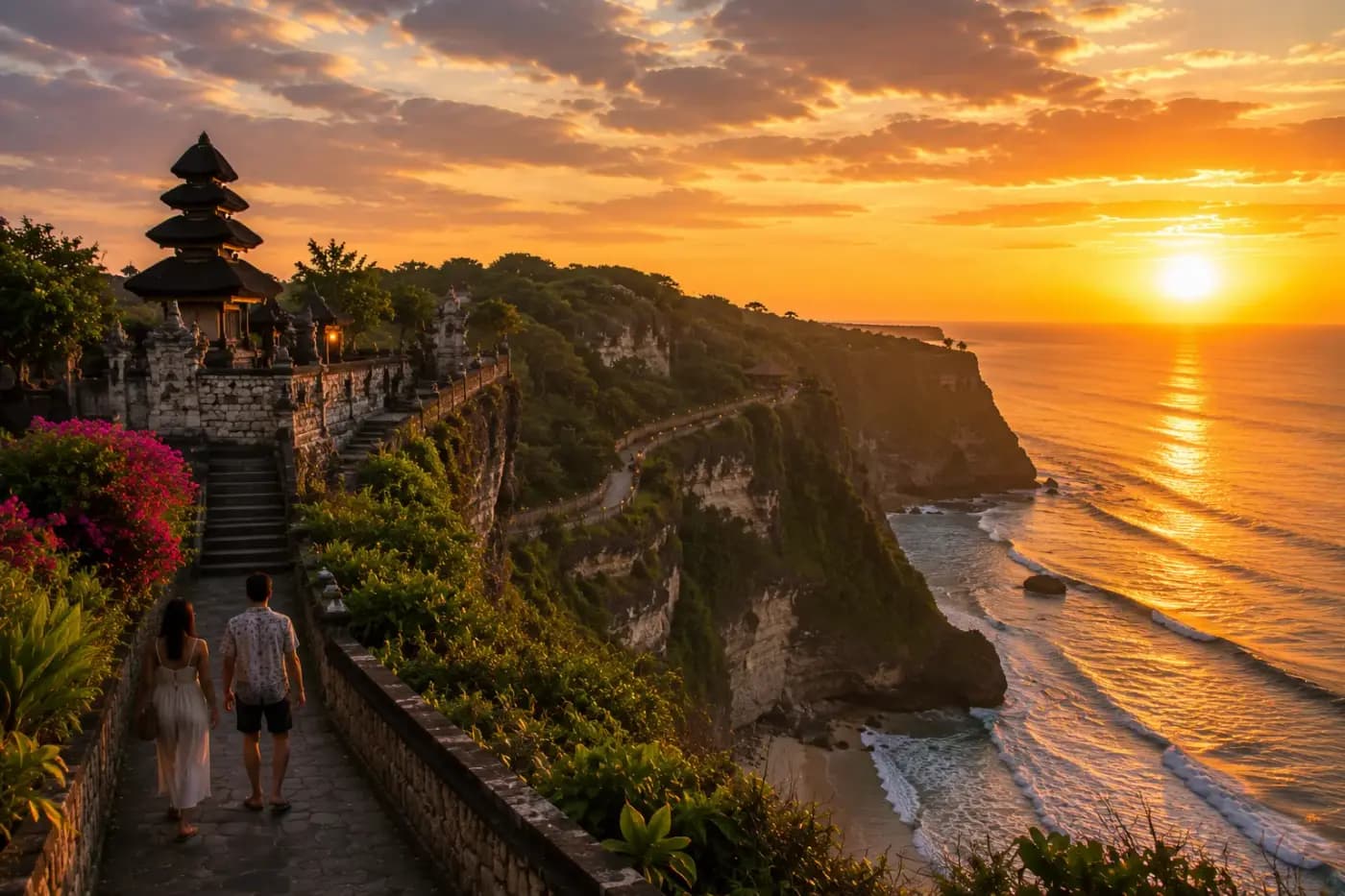
Thailand Luxury Travel Guide 2025: Bangkok, Phuket, Chiang Mai & the Islands
Thailand is the world's most consistently excellent value luxury destination — and the hardest to plan well. The gap between a mediocre Thailand trip and an extraordinary one is entirely in the planning. This is the guide that closes that gap.
Quick Answer: The best time for Thailand overall is November–February (cool, dry). For a luxury first visit, spend 3 nights Bangkok + 2 nights Chiang Mai + 5 nights Koh Yao Noi (or Phuket). The best hotels are the Mandarin Oriental Bangkok, Four Seasons Chiang Mai, and Six Senses Yao Noi.
Thailand has been one of the world's most visited destinations for over four decades, and it has somehow managed to remain one of the most genuinely rewarding. The reason is depth: beneath the much-photographed temples, beach clubs, and street food markets is a country with remarkable artistic and cultural continuity, extraordinary regional cuisine that varies dramatically between Bangkok and the north, and a hospitality tradition — the wai, the smile, the attention to your comfort — that is not performed for tourists but genuinely embedded in Thai culture.
For luxury travellers, Thailand offers something Europe or the Caribbean cannot: a quality-to-cost ratio that means a genuinely world-class hotel (Aman, Four Seasons, Rosewood) costs 30–50% less than the equivalent property in Paris or the Maldives. A private villa in Koh Yao Noi, with a dedicated chef and Phang Nga Bay views, costs what a moderate hotel room in London costs. This dynamic — combined with the culture, the food, and the extraordinary landscape diversity — makes Thailand the most recommended non-Africa destination in our portfolio.
Thailand vs Bali: Which Asia Beach Destination Is Right for You?
| Factor | Thailand | Bali |
|---|---|---|
| Culture | Buddhist, temple‑focused, more tourist‑oriented | Hindu Balinese, deeply spiritual, daily offerings |
| Beaches | World‑class (Andaman Coast, Gulf Coast) | Good (Kuta, Seminyak), but not world‑class |
| Cuisine | World‑class, regionally diverse | Good, but limited variety |
| Cost (Luxury) | USD 300–1,000/night (better value) | USD 400–1,200/night |
| Infrastructure | Excellent, well‑developed tourism infrastructure | Good, but traffic is a major issue |
| Best For | Beach, food, diversity of experiences | Wellness, culture, photography, surfing |
| Verdict | Best for beach, food, value luxury | Best for wellness, culture, photography |
How to Get to Thailand: Flights & Airport Guide
- SUVARNABHUMI AIRPORT (BKK): Bangkok's main international airport. Connected to over 100 cities globally. Direct flights from Europe (11–12 hours), USA (17–20 hours via Middle East), Middle East (6–7 hours), East Africa (8–10 hours via Middle East).
- DON MUEANG AIRPORT (DMK): Low‑cost carrier hub (AirAsia, Nok Air). Domestic and regional routes. 45‑minute drive to downtown.
- PHUKET AIRPORT (HKT): International airport with direct flights from Europe (via UAE) and Asia. 45 minutes to Patong, 1 hour to Surin/Bang Tao.
- CHIANG MAI AIRPORT (CNX): Regional airport with direct flights from Singapore, Hong Kong, KL, and domestic connections. 15 minutes to the Old City.
Thailand Visas & Entry Requirements
| Nationality | Visa Requirement | Maximum Stay | Extension Available |
|---|---|---|---|
| UK / EU / USA / Australia | Visa‑free | 30 days (air), 15 days (land) | Yes, 30‑day extension at immigration office |
| Canada / South Africa | Visa‑free | 30 days | Yes |
| Kenya / East Africa | Visa required (apply online) | 30 days | Yes, 30‑day extension at immigration office |
| UAE / Saudi Arabia / GCC | Visa‑free | 30 days | Yes |
Thailand's Regions: Where to Go and When
| Region | Key Destinations | Best Season | Avoid | Key Experience |
|---|---|---|---|---|
| Bangkok (Central) | Grand Palace, Chao Phraya, Chinatown, Sukhumvit | November–February (cool, dry) | April (hottest month; Songkran chaos) | Temple circuit, floating markets, rooftop dining |
| Chiang Mai (North) | Old city, Doi Suthep, Doi Inthanon, hill tribes | November–February (ideal) | March–April (smoke season from agricultural burning) | Elephant sanctuaries, cooking class, temple circuit |
| Phuket & Andaman Coast | Phuket, Krabi, Koh Lanta, Phi Phi, Similan Islands | November–April (dry, calm Andaman) | May–October (SW monsoon; rough seas) | Beach, Phang Nga Bay, snorkelling, diving, rock climbing |
| Gulf Coast | Koh Samui, Koh Phangan, Koh Tao | January–April; July–September | October–December (Gulf-side monsoon) | Beach, diving (Sail Rock, Chumphon Pinnacle) |
| Koh Yao Islands | Koh Yao Noi, Koh Yao Yai | November–April | May–October | Best luxury hideaway in Thailand; Phang Nga Bay views |
| Isan (Northeast) | Khao Yai NP, Phimai | October–February | March–May (extreme heat) | Off-beaten-path; authentic Thai culture; National Park wildlife |
Bangkok: Three Days Done Properly
Bangkok is one of the world's great cities for first-time visitors — it assaults every sense simultaneously and leaves an indelible impression. It is also a city where poor planning results in hours lost in traffic, temple fatigue by day 2, and the nagging sense that the real Bangkok is somewhere you did not find. Here is how three days in Bangkok should actually work:
- 1DAY 1 — THE HISTORICAL CITY: Start at the Grand Palace at 08:30 before the crowds and the heat. Allow 2.5 hours for the Grand Palace, Wat Phra Kaew (the Emerald Buddha), and the grounds. Walk to Wat Pho (the reclining Buddha; 46 metres). Lunch at a riverside restaurant in Tha Tien. Cross to Wat Arun by ferry — the Temple of Dawn at dusk from the opposite riverbank is extraordinary. Return by express boat. Evening: Chinatown (Yaowarat Road) at dusk for the best street food in Bangkok.
- 2DAY 2 — CANALS, MARKETS, AND MODERN BANGKOK: Pre-dawn longtail canal tour of the Thonburi khlongs — local market boats, monks collecting alms, riverside spirit shrines. Damnoen Saduak Floating Market by private longboat, arriving before 09:00. Afternoon at Jim Thompson's House — the American silk tycoon who disappeared in the Malaysian jungle in 1967, told through a beautiful house museum. Evening: Fine dining — Gaggan Anand (progressive Indian, Asia's 50 Best multiple times), Nahm (classical Thai), or Le Du (modern Thai with an exceptional wine list).
- 3DAY 3 — CULTURE AND DEPARTURE: Museum of Contemporary Art (MOCA) or Chatuchak Weekend Market (Saturday/Sunday only; 8,000 stalls; go early). Afternoon spa treatment at the Mandarin Oriental or Rosewood Bangkok. Evening flight — Suvarnabhumi Airport is 45 minutes by expressway; allow 90 minutes.
The Islands: An Honest Assessment of Which Is Right for You
| Island | Character | Best For | Avoid If | Luxury Options | Getting There |
|---|---|---|---|---|---|
| KOH YAO NOI | Traditional Muslim fishing island; no nightlife; Phang Nga Bay views; 80% jungle; very quiet | Luxury couples, honeymooners, nature lovers, those wanting complete escape from tourist Thailand | You want beach clubs, nightlife, or restaurant variety | Six Senses Yao Noi (Thailand's best resort); Koyao Island Resort | Ferry or speedboat from Phuket (45min) or Krabi (30min) |
| PHUKET — SURIN/BANG TAO | Upscale, long white beach, calmer than Patong, best luxury hotels | Luxury beach, families, couples wanting resort plus dining options | Party nightlife (go Patong for that) | Amanpuri, Trisara, The Slate, Rosewood Phuket, COMO Point Yamu | Direct international flights to HKT |
| PHUKET — PATONG | Lively, commercial, every facility, famous nightlife | First-time visitors, nightlife, all-in-one convenience | Quiet, authentic, or luxury experience | Limited luxury; many mid-range options | HKT airport, then 45min drive |
| KOH LANTA | Long quiet beaches, good snorkelling, smaller crowd, relaxed | Couples, divers, longer stays, quieter alternative to Phuket | Peak nightlife or extensive dining | Pimalai Resort & Spa | Krabi Airport, then ferry or speedboat |
| KOH PHI PHI | Dramatic limestone cliffs; Maya Bay; very busy in peak season | Day trips or 1-night stop for scenery; Blue Lagoon snorkelling | More than 2 nights — backpacker dominance and crowd density extreme in high season | Very limited; not a luxury destination | Speedboat from Phuket (45min) or Krabi (30min) |
| KOH SAMUI | Commercialised but excellent luxury hotels; good infrastructure | Families, couples who want beach plus dining plus spa | Authenticity — Samui is heavily developed | Vana Belle, Four Seasons Koh Samui, Conrad, Rosewood | Samui Airport (USM); direct from Bangkok |
| KOH TAO | Best diving in Gulf of Thailand; budget diving certification; backpacker-oriented | Divers, snorkellers, budget travellers | Luxury; romance; families | Largely budget and mid-range | Ferry from Koh Samui or Surat Thani |
Chiang Mai: The North's Cultural and Culinary Capital
Chiang Mai is a city that rewards slower travel. The Old City — enclosed within a square moat and remnants of a 13th-century wall — contains over 300 temples in a 2-square-kilometre area. The food scene has evolved into something extraordinary: Chiang Mai has its own distinct northern cuisine (Khao Soi, sai ua sausage, nam prik noom) with nothing to do with the Thai food most Westerners know. A generation of young Thai chefs has opened restaurants in the old city that rank among the best in Southeast Asia.
- ELEPHANT SANCTUARY: The single activity in Chiang Mai demanding the most research. The elephant tourism industry in Thailand has a deeply troubled history; many "camps" still use training practices that cause genuine suffering. Legitimate ethical sanctuaries operate on a no-riding policy. We recommend Elephant Nature Park (Lek Chailert's internationally recognised sanctuary) and Ran-Tong Elephant Save and Rescue Center. Avoid any facility offering riding, shows, or painting.
- DOI SUTHEP TEMPLE: The mountain temple visible from the old city at all times — gold chedi gleaming at 1,073 metres. Drive up at dawn to beat the crowds; the view over Chiang Mai and the valley in the morning mist is extraordinary. The staircase of 306 naga-flanked steps is the proper approach; the cable car for when you are tired on the way down.
- COOKING CLASS: A half-day Chiang Mai cooking class — morning market visit, choosing ingredients, cooking 4–5 dishes with a local chef — is one of the most practically valuable travel experiences available anywhere. Thai Farm Cooking School and Zabb E Lee are both excellent.
- DOI INTHANON NATIONAL PARK: Thailand's highest peak (2,565m) and one of the country's great cloud-forest ecosystems. The two Royal Chedis are architecturally extraordinary. Birding here is among the best in mainland Southeast Asia. A full-day excursion from Chiang Mai.
- CHIANG MAI NIGHT BAZAAR AND SUNDAY WALKING STREET: The Sunday Walking Street on Wualai Road (old silversmiths' street) runs 17:00–midnight and covers 1km of crafts, textiles, street food, and live music. More authentic and less touristy than the daily Night Bazaar on Chang Klan Road.
Best Time to Visit Thailand: A Practical Guide by Region
- NOVEMBER–FEBRUARY: Best time for the entire country. Cool and dry in Bangkok and Chiang Mai (18–28°C); excellent on the Andaman coast (Phuket, Krabi, Koh Yao Noi); good on the Gulf coast (Koh Samui emerging from its monsoon). The holiday period (Christmas to New Year) brings peak crowds and prices across the country — book flights and hotels 6–9 months ahead.
- MARCH–APRIL: Still excellent on the Andaman coast; very hot in Bangkok (38°C+) and Chiang Mai; smoke season from agricultural burning makes Chiang Mai air quality poor in March–April. Songkran (Thai New Year; April 13–15) is a 3-day nationwide water festival and one of the most chaotic times to be in Bangkok or Chiang Mai.
- MAY–OCTOBER: Andaman coast monsoon — rough seas, daily rain, most dive operators pause. Gulf coast (Koh Samui, Koh Tao) is in its dry season June–September. Bangkok is hot and humid but functional. Low season — significantly lower rates everywhere.
- OCTOBER: Transition month — Andaman coast drying out from mid-October; Gulf coast entering its monsoon; Bangkok and Chiang Mai excellent. Good value with improving conditions.
The Best Hotels in Thailand: Our Genuine Recommendations
- BANGKOK — MANDARIN ORIENTAL: Since 1879; river location; extraordinary history; arguably still the finest hotel in Asia. Author's Wing has housed everyone from Joseph Conrad to Graham Greene. USD 500–1,200/night.
- BANGKOK — ROSEWOOD BANGKOK: The best new luxury hotel in Bangkok — extraordinary architecture; pool on the 30th floor; outstanding restaurant Carlyle & Co; superb cocktail bar. USD 400–900/night.
- CHIANG MAI — FOUR SEASONS RESORT: Set in a working rice paddy; extraordinary spa; rice terrace views from every room; private cooking sala. USD 500–900/night.
- CHIANG MAI — DHARA DHEVI: Thailand's most architecturally ambitious resort — 60 acres of recreated Lanna Kingdom palace complex with 123 private villas. USD 500–2,000/villa/night.
- KOH YAO NOI — SIX SENSES YAO NOI: Consistently rated Thailand's best resort. Private pool villas on hillside with Phang Nga Bay views; extraordinary wellness programme; best snorkelling in the area directly off the beach. USD 700–1,500pp/night.
- PHUKET — AMANPURI: The original Aman resort (1988) and still one of the best — 40 pavilions on a coconut palm-studded headland; extraordinary service; private speedboat for island excursions. USD 1,000–2,500pp/night.
- KOH SAMUI — FOUR SEASONS KOH SAMUI: 60 private pool villas directly on a calm northeast bay; extraordinary children's programme; the best butler service on the island. USD 700–1,400pp/night.
Frequently Asked Questions
How long should I spend in Thailand for a first visit?
+
10–14 days is the minimum for a meaningful first visit covering Bangkok, a regional area (Chiang Mai or the north), and an island. Our recommended first-time itinerary of 3 nights Bangkok + 2 nights Chiang Mai + 5 nights Koh Yao Noi/Phuket fits into 10 nights and covers the country's cultural, culinary, and beach highlights. Two weeks allows for a more relaxed pace or the addition of a second island.
Is Thailand safe to travel alone?
+
Thailand is consistently rated one of the safest countries in Southeast Asia for solo travellers, including solo female travellers. The main risks are road traffic (avoid scooter rental if not experienced), tourist scams (particularly gem scams and "temple closed" redirections in Bangkok), and food safety (eat at busy, high-turnover street food stalls). Standard urban awareness applies.
What is the best hotel in Bangkok?
+
The Mandarin Oriental Bangkok (since 1879; river location; extraordinary history) and the Rosewood Bangkok (best new luxury hotel; outstanding restaurant; pool on the 30th floor) are our two consistent recommendations for luxury stays. The Four Seasons Residences (Chao Phraya River) is the most beautiful new hotel on the river.
Do I need a visa for Thailand?
+
Thailand offers visa-free entry for citizens of 93 countries for up to 30 days (extended to 60 days for many nationalities, including UK, EU, and US citizens). Always verify your specific nationality's current status before travel. Kenyan passport holders currently require a visa — contact the Royal Thai Embassy in Nairobi or apply via evisa.immigration.go.th.